How to Choose Alexandrite: Key Considerations
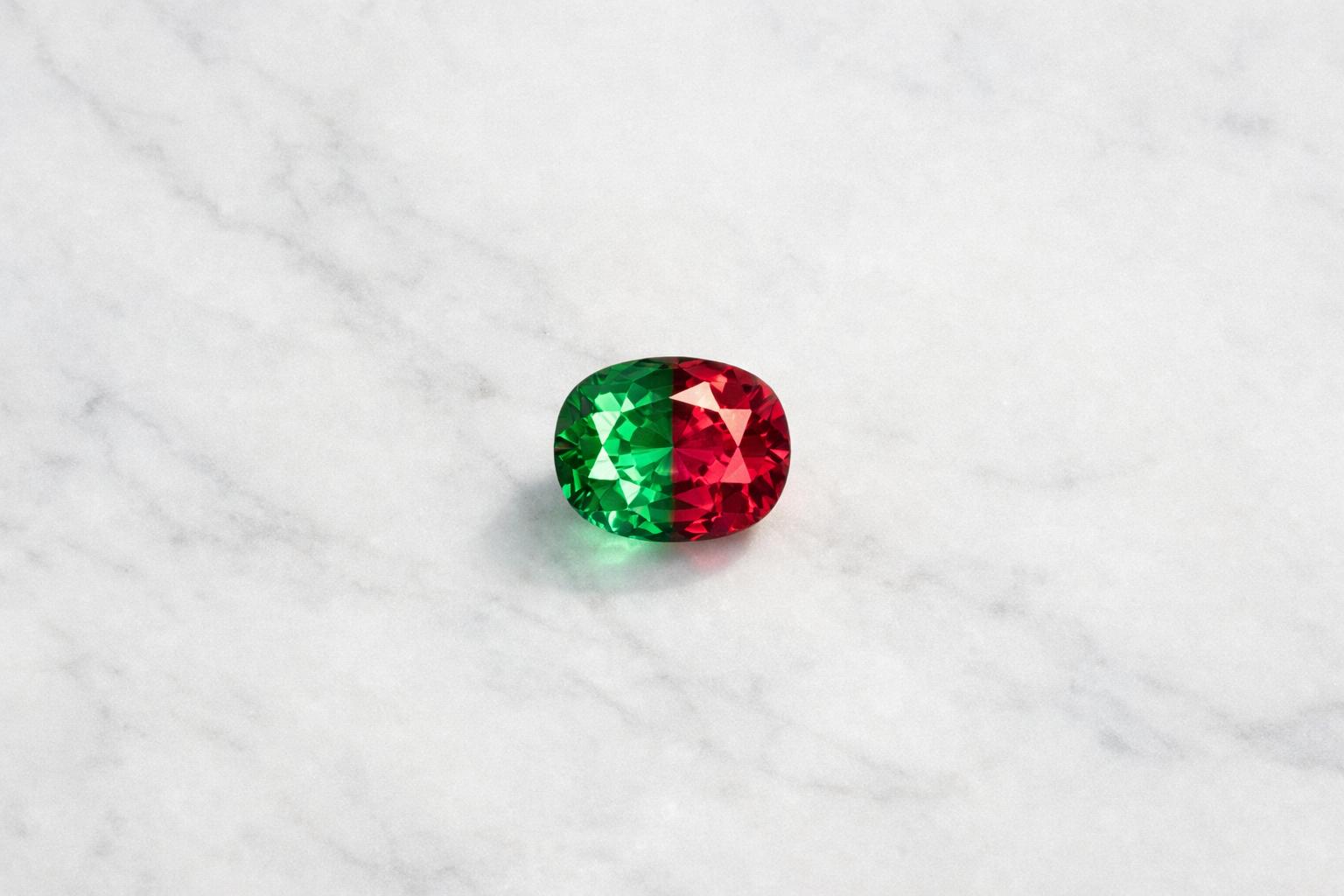
Choosing the right alexandrite requires a sophisticated understanding of its unique characteristics. Renowned for its remarkable color change, alexandrite exhibits hues ranging from vibrant green to rich red, depending on the light conditions. This gemstone's allure is not merely its beauty but also the craftsmanship behind it. In this guide, we explore the essential factors to consider when selecting alexandrite, including color, cut, clarity, treatment, and certification.
Understanding Alexandrite's Color
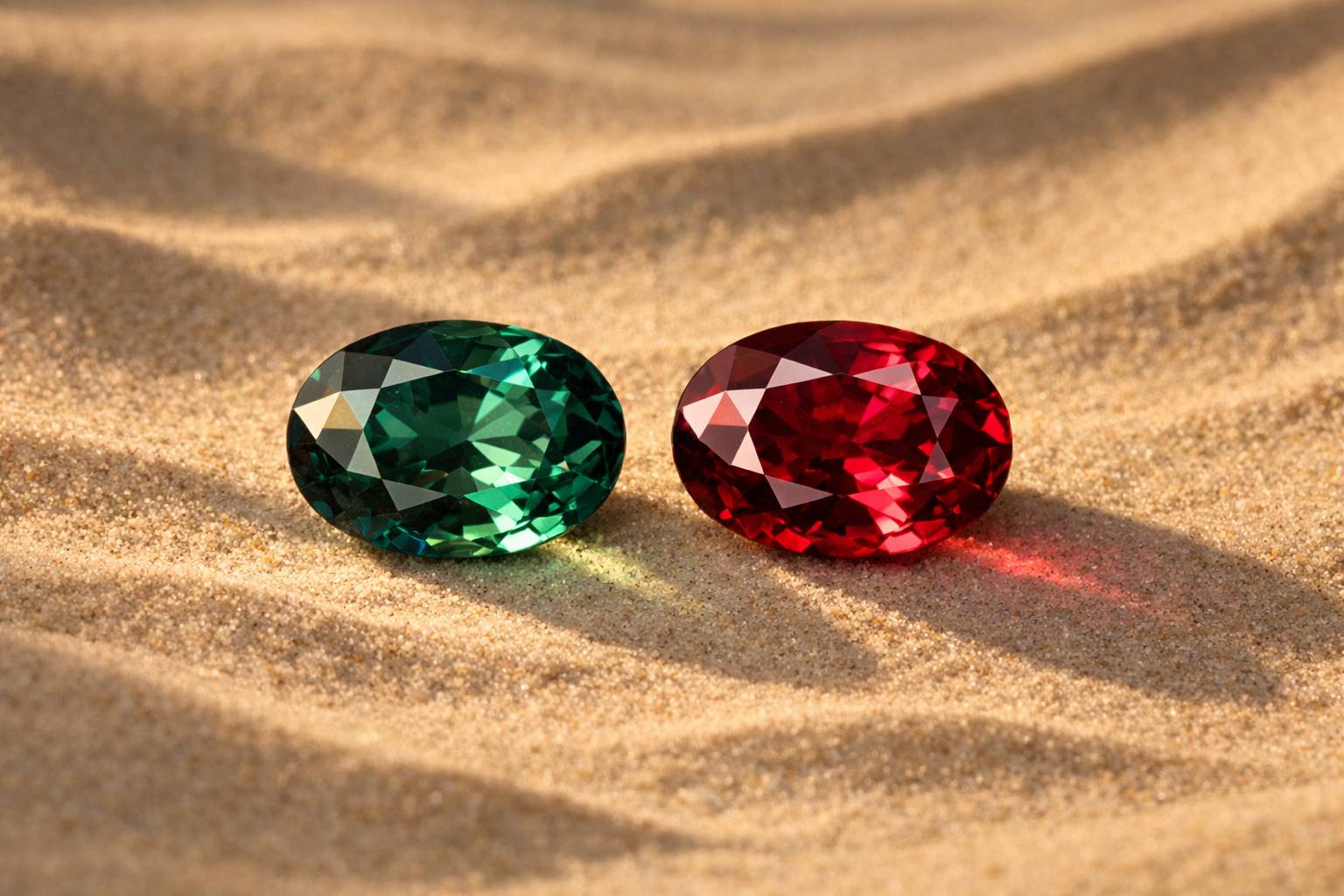
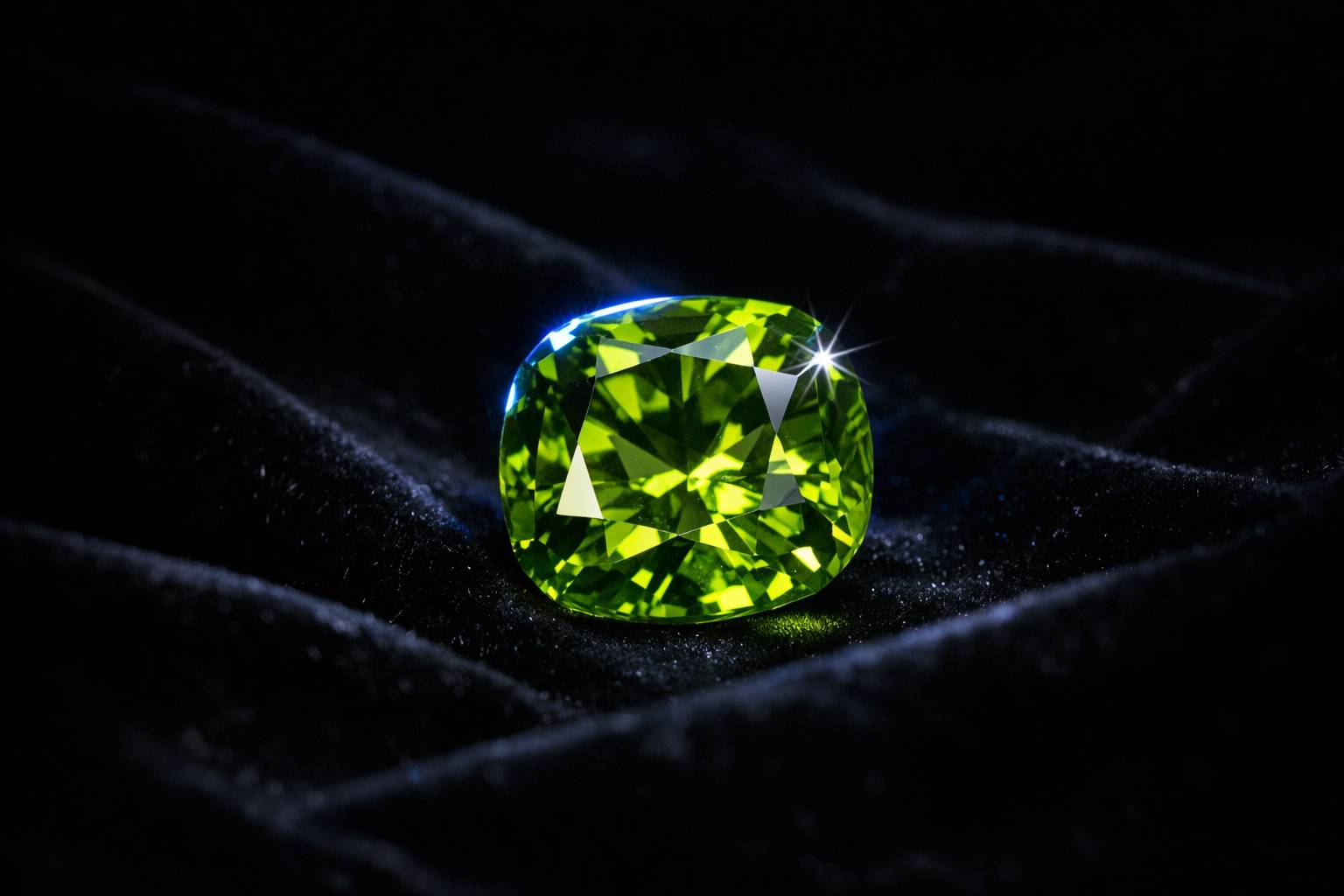
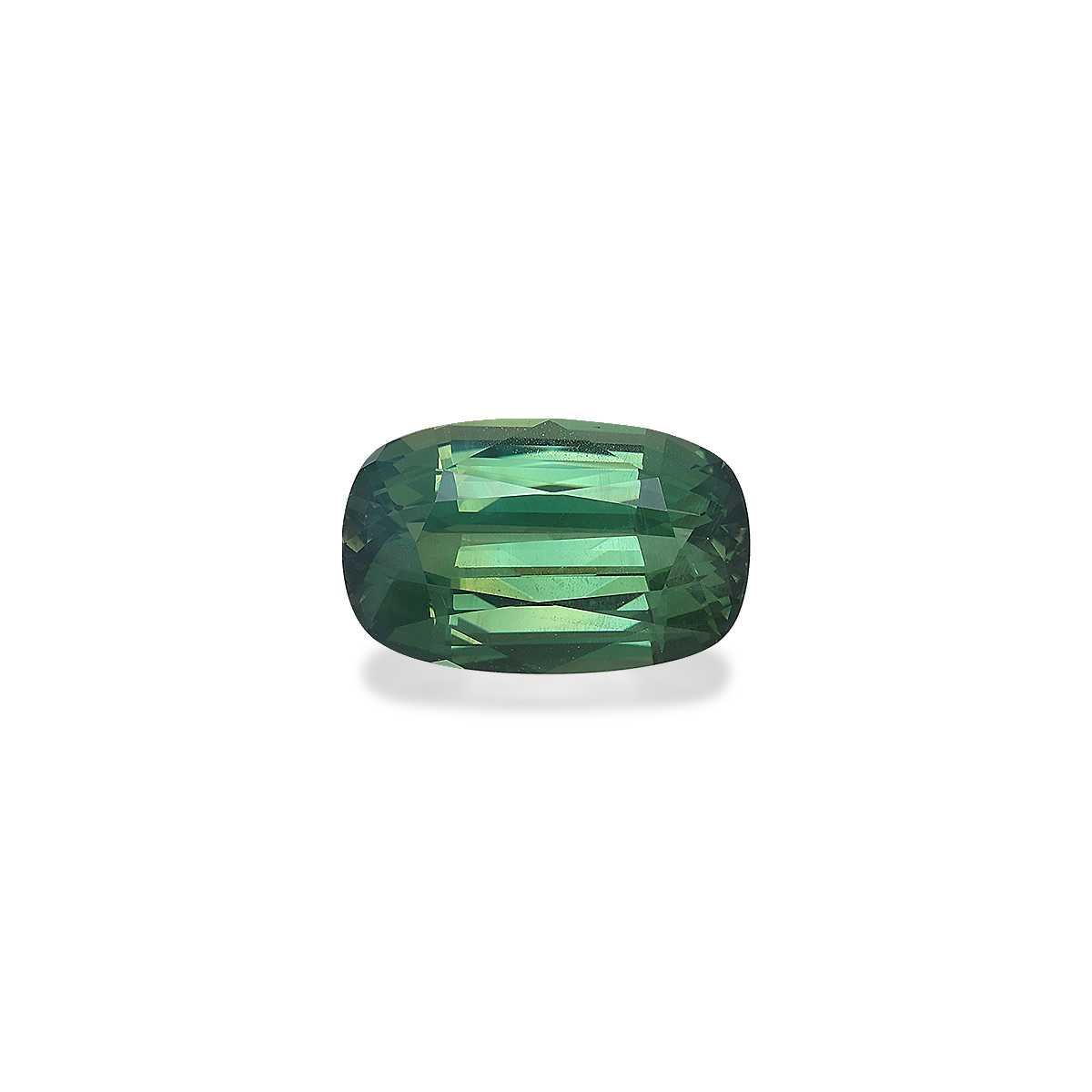
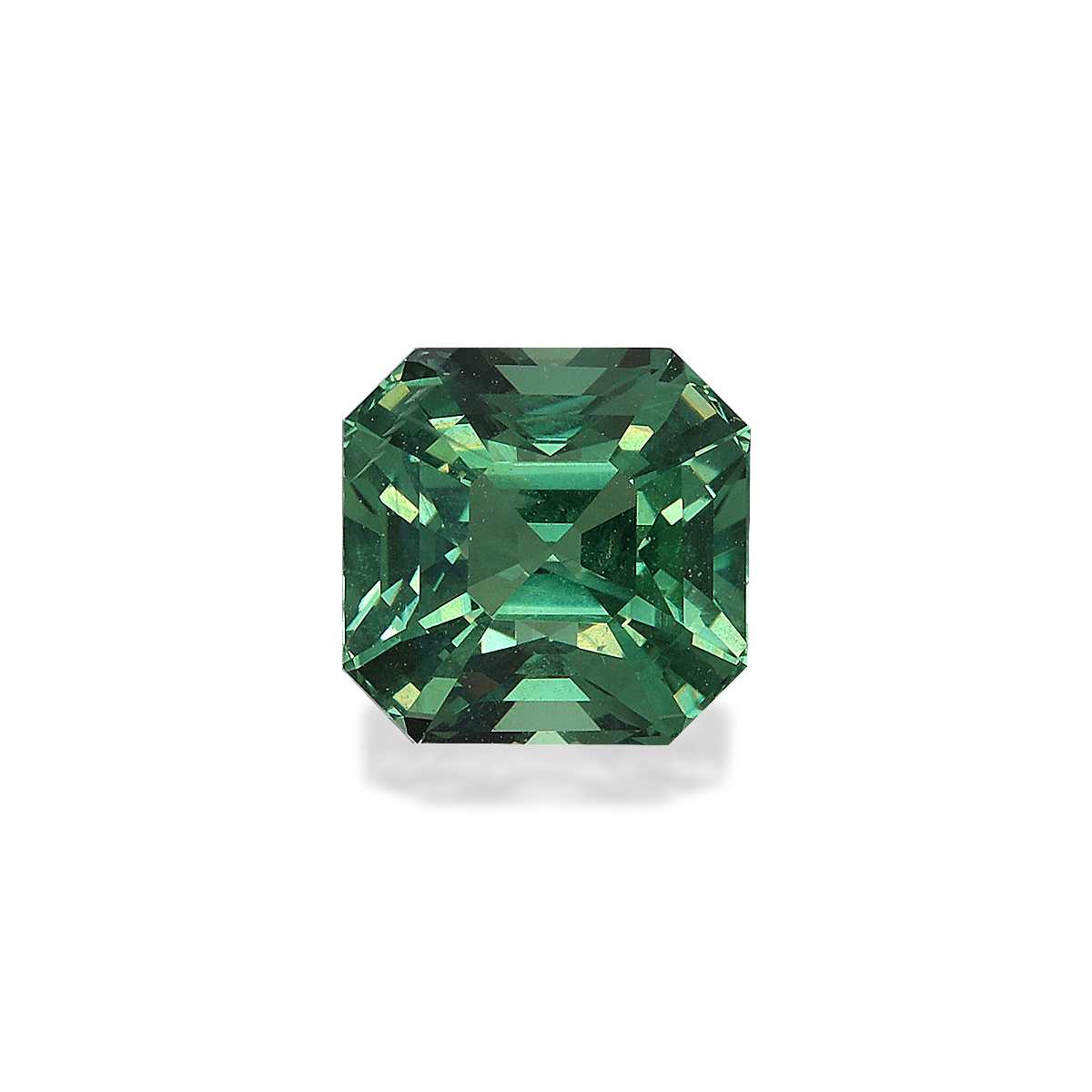
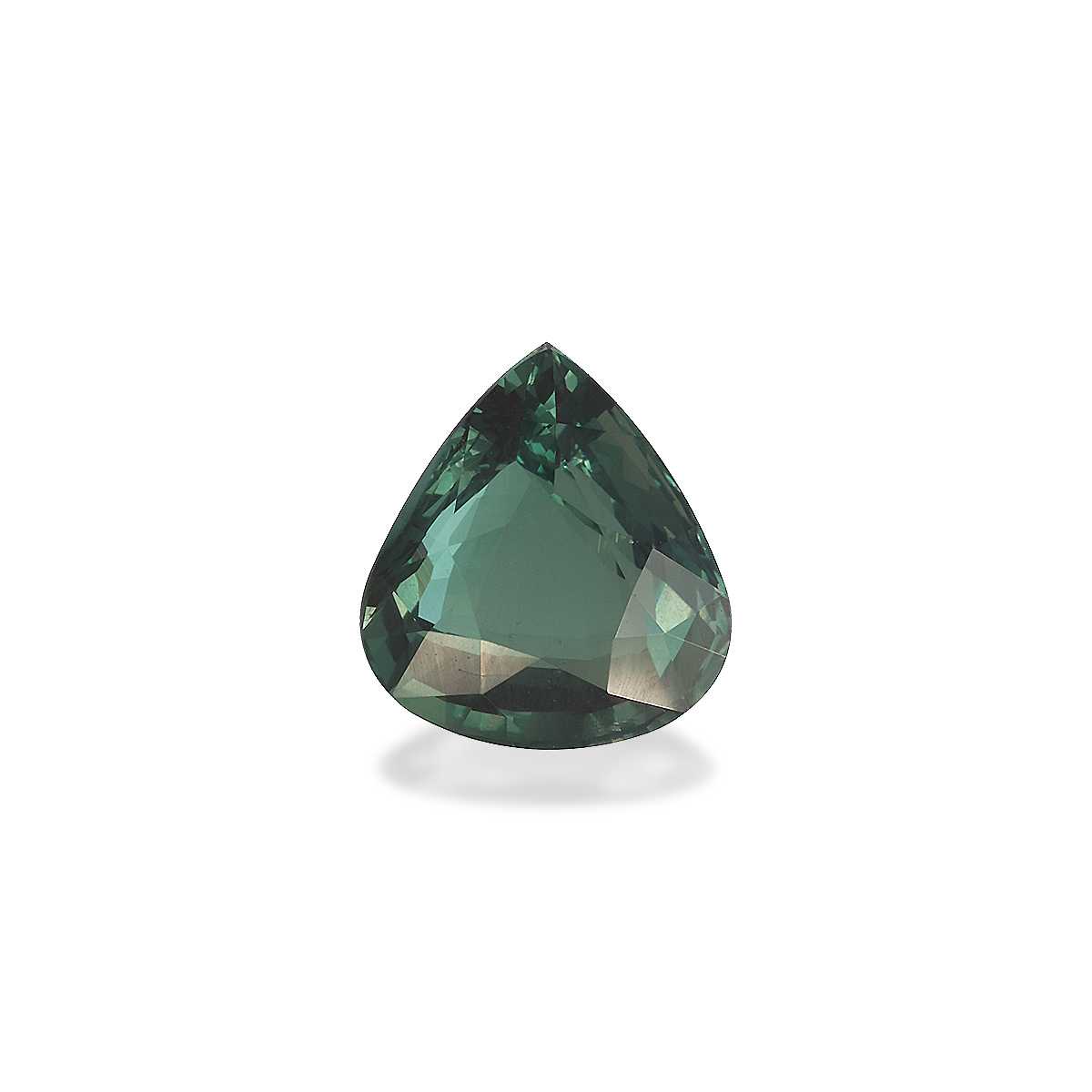
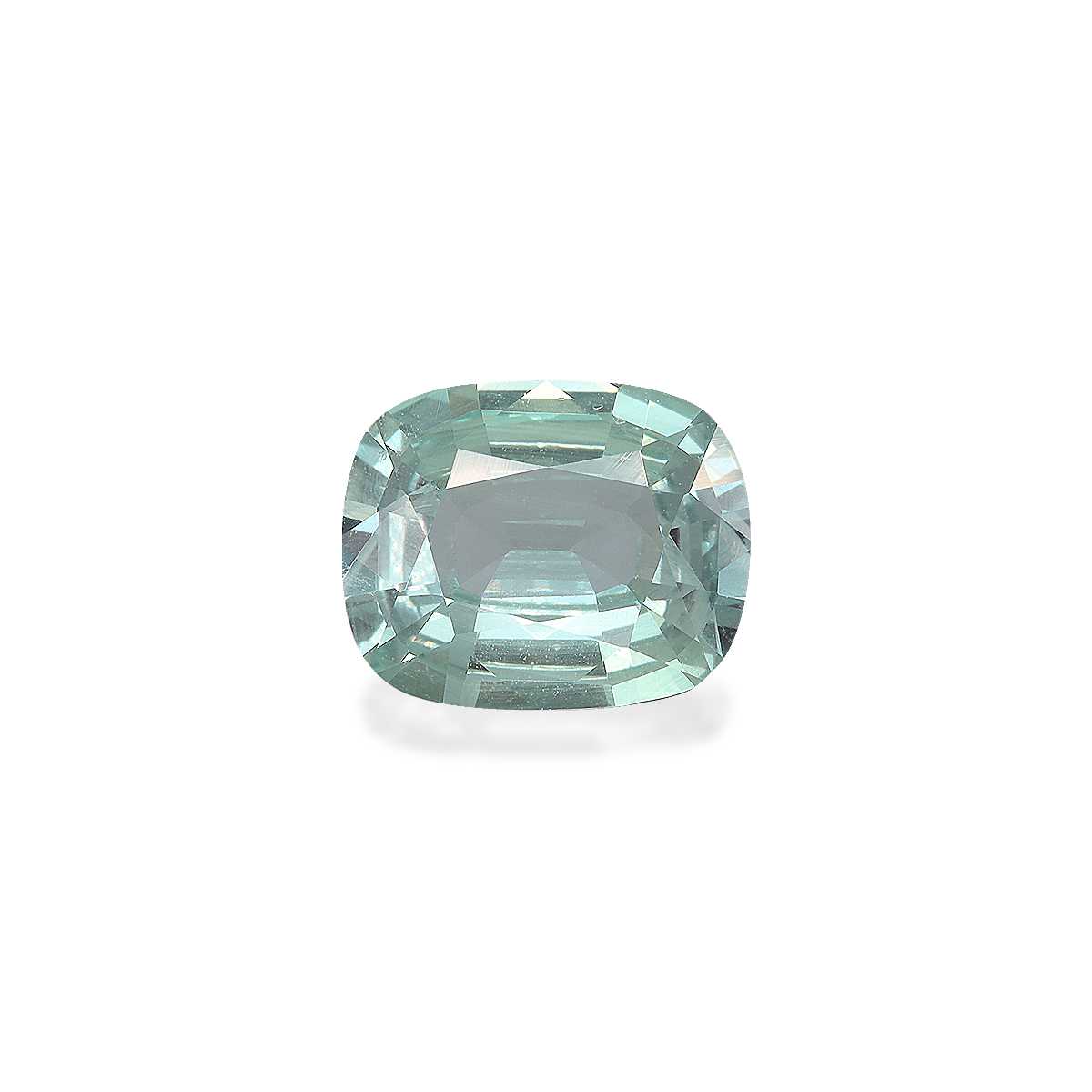
The most defining characteristic of alexandrite is its color change phenomenon. Under natural light, it appears green or bluish-green, while incandescent light reveals a captivating red or purplish hue. The color intensity can vary significantly and is influenced by the gemstone's origin. Alexandrite from places like India and Madagascar often displays vibrant color changes, while stones from Sri Lanka may exhibit more subtle variations.
Evaluating the Cut of Alexandrite
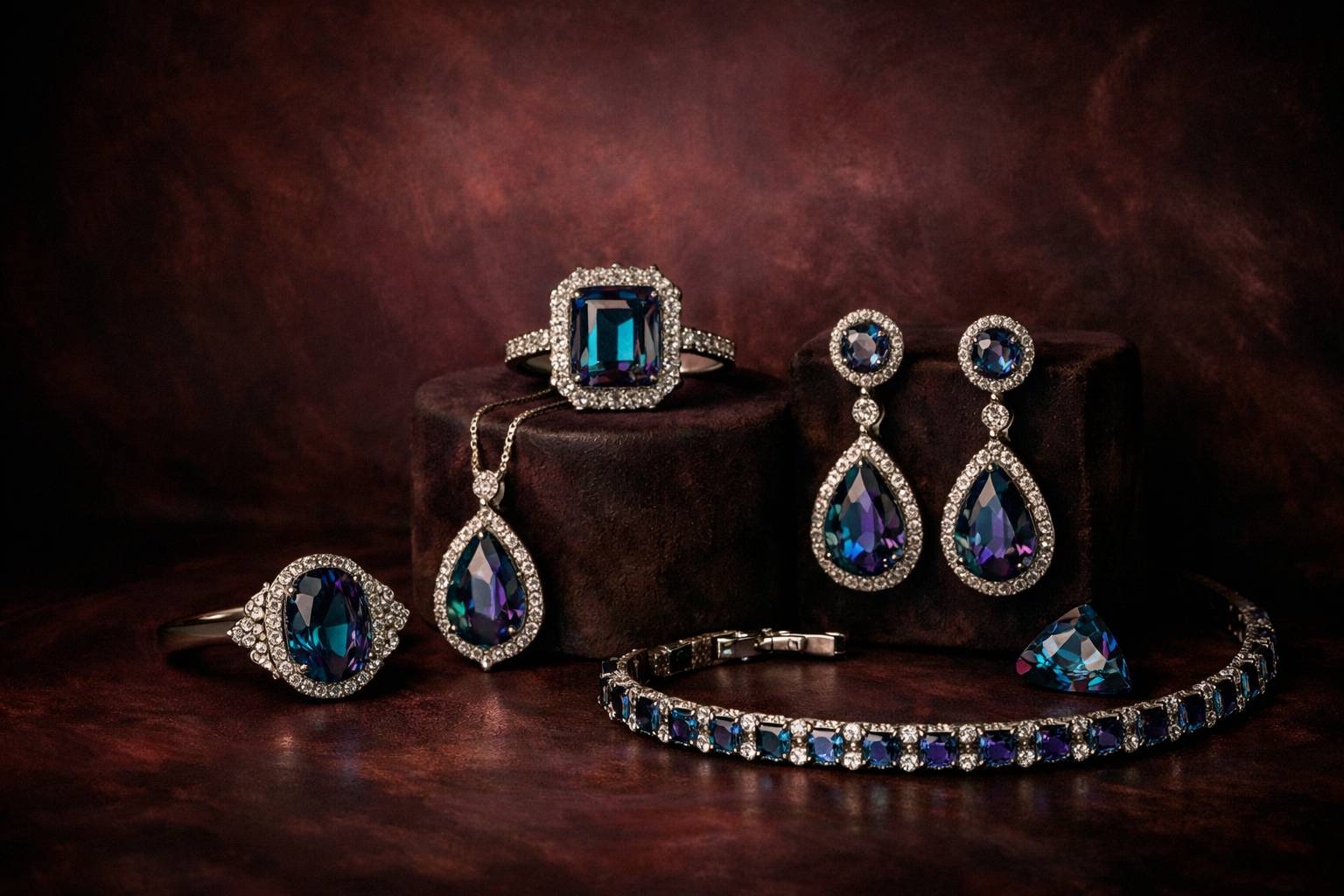
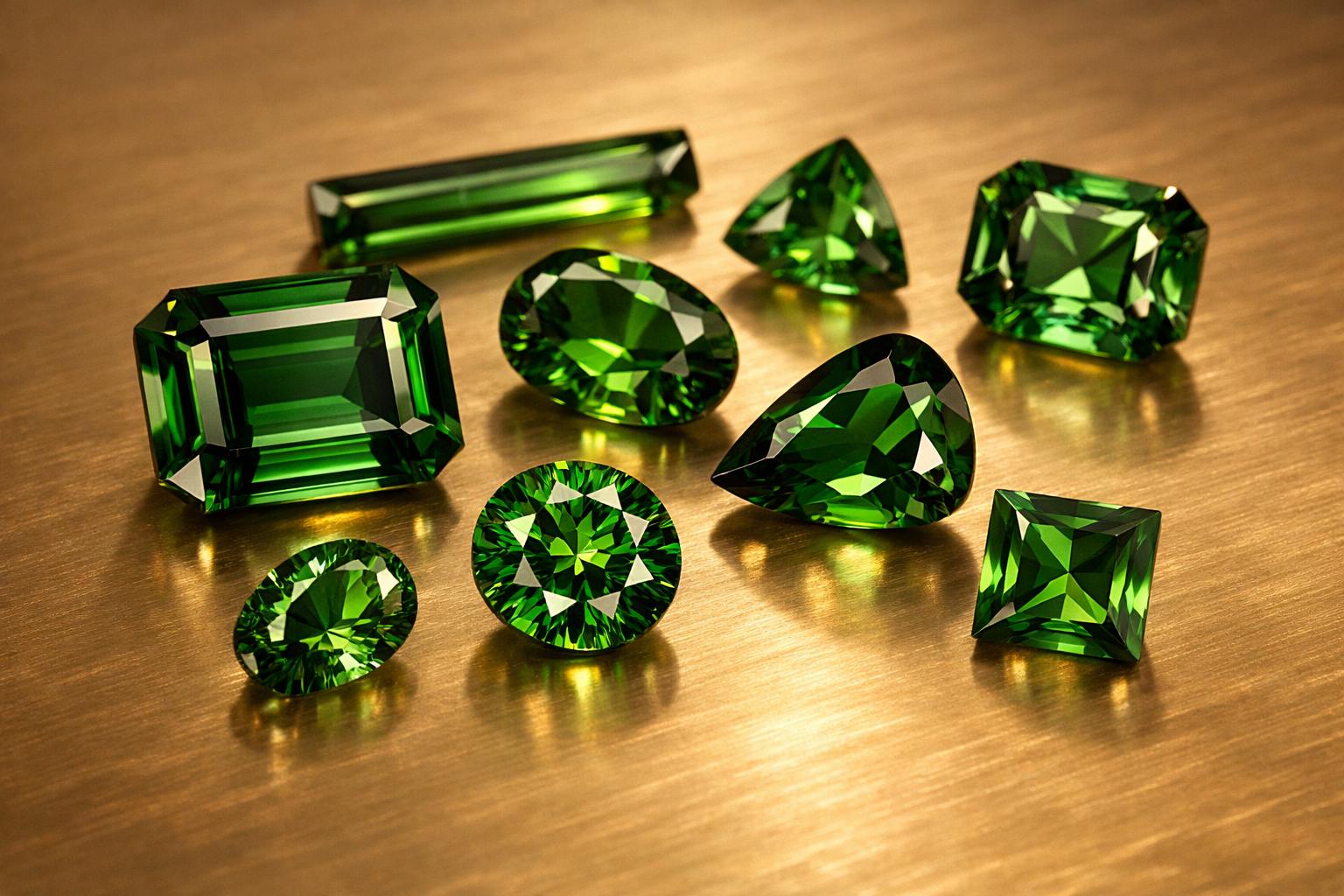
The cut of an alexandrite significantly affects its overall appearance and brilliance. A well-cut stone will allow light to pass through optimally, enhancing its color change effect. Consider the following common cuts:
- Round: Popular for its brilliance, this cut maximizes the stone's sparkle.
- Oval: An elegant choice that can enhance the color change.
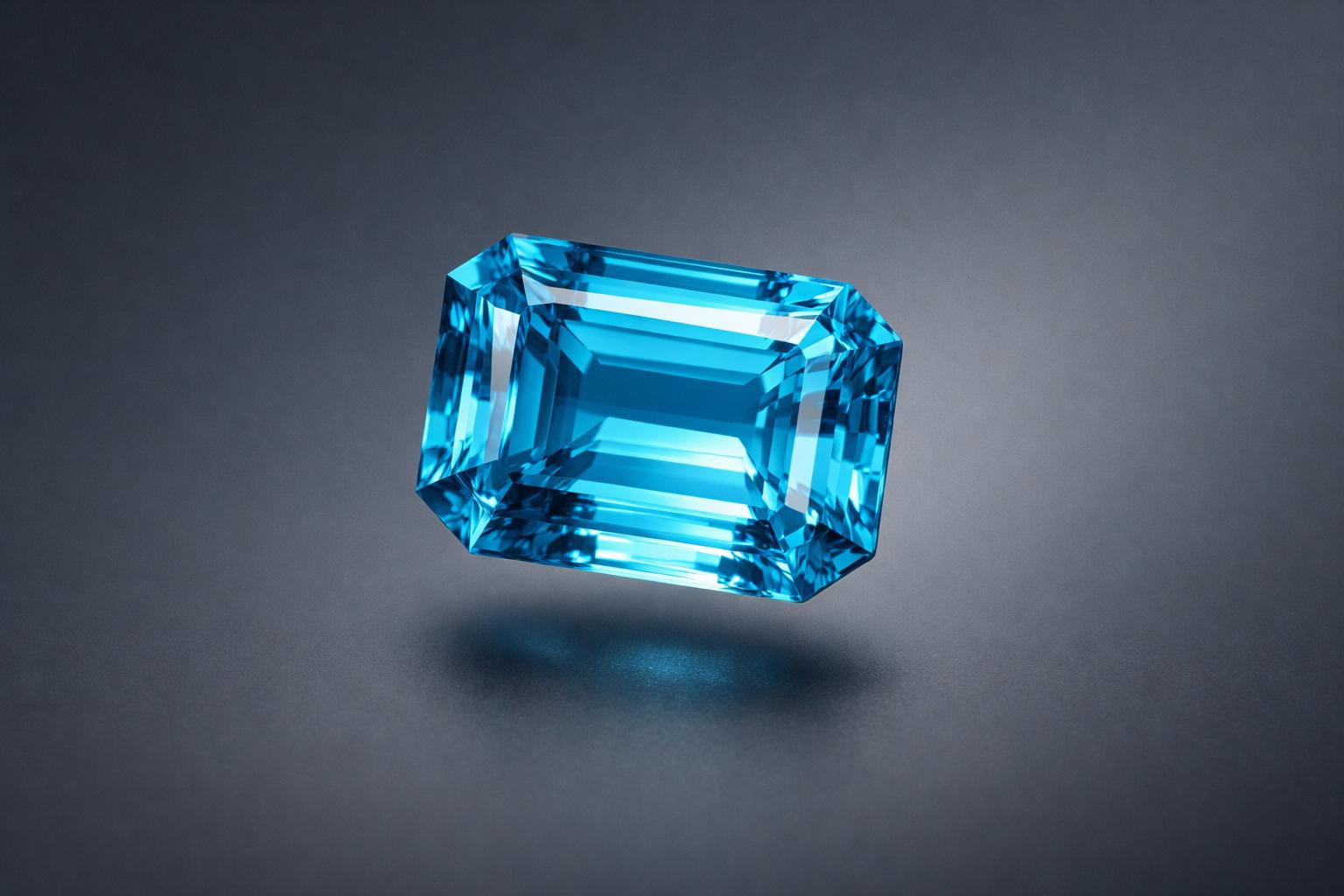
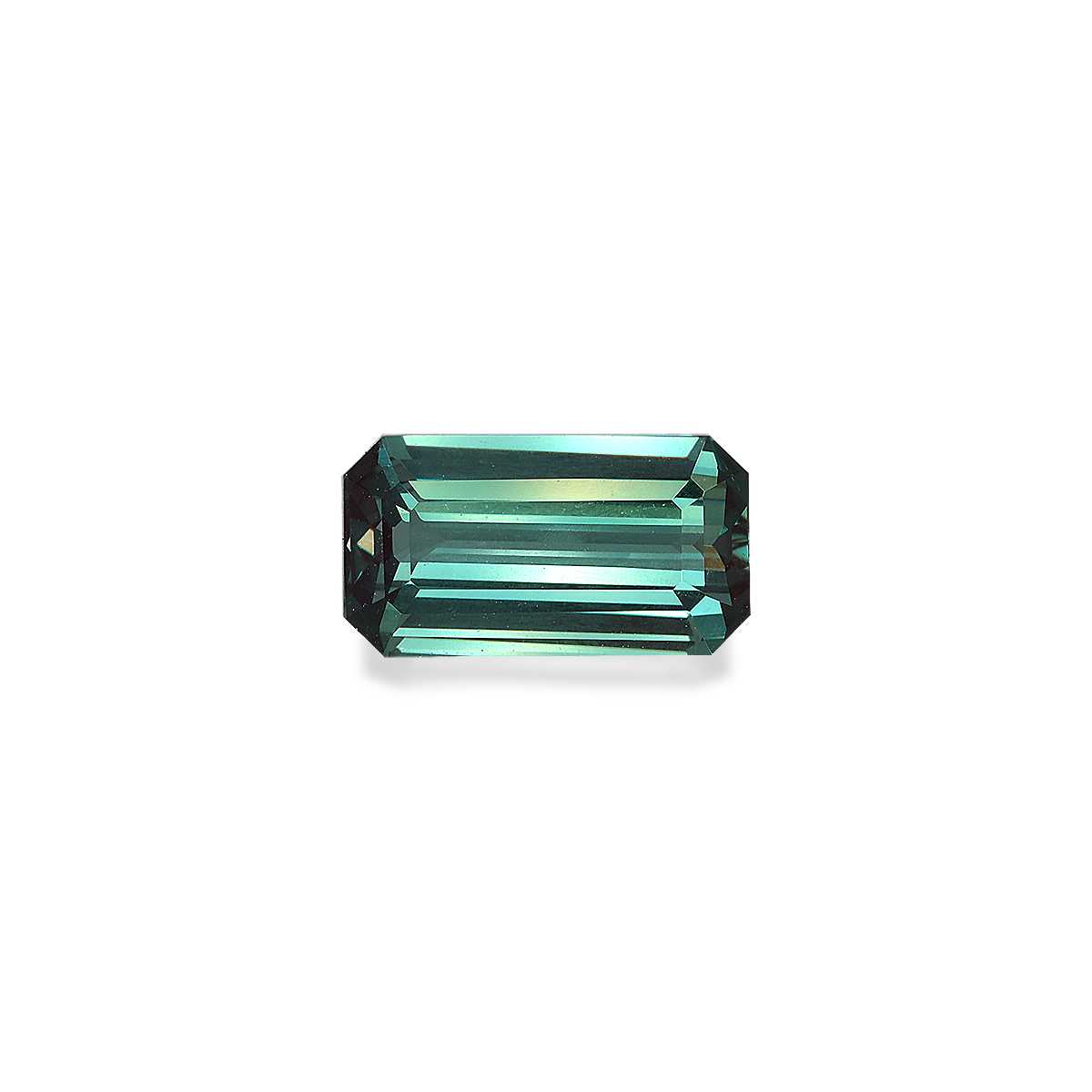
- Emerald: Known for its step-cut facets, it can showcase the stone's depth.
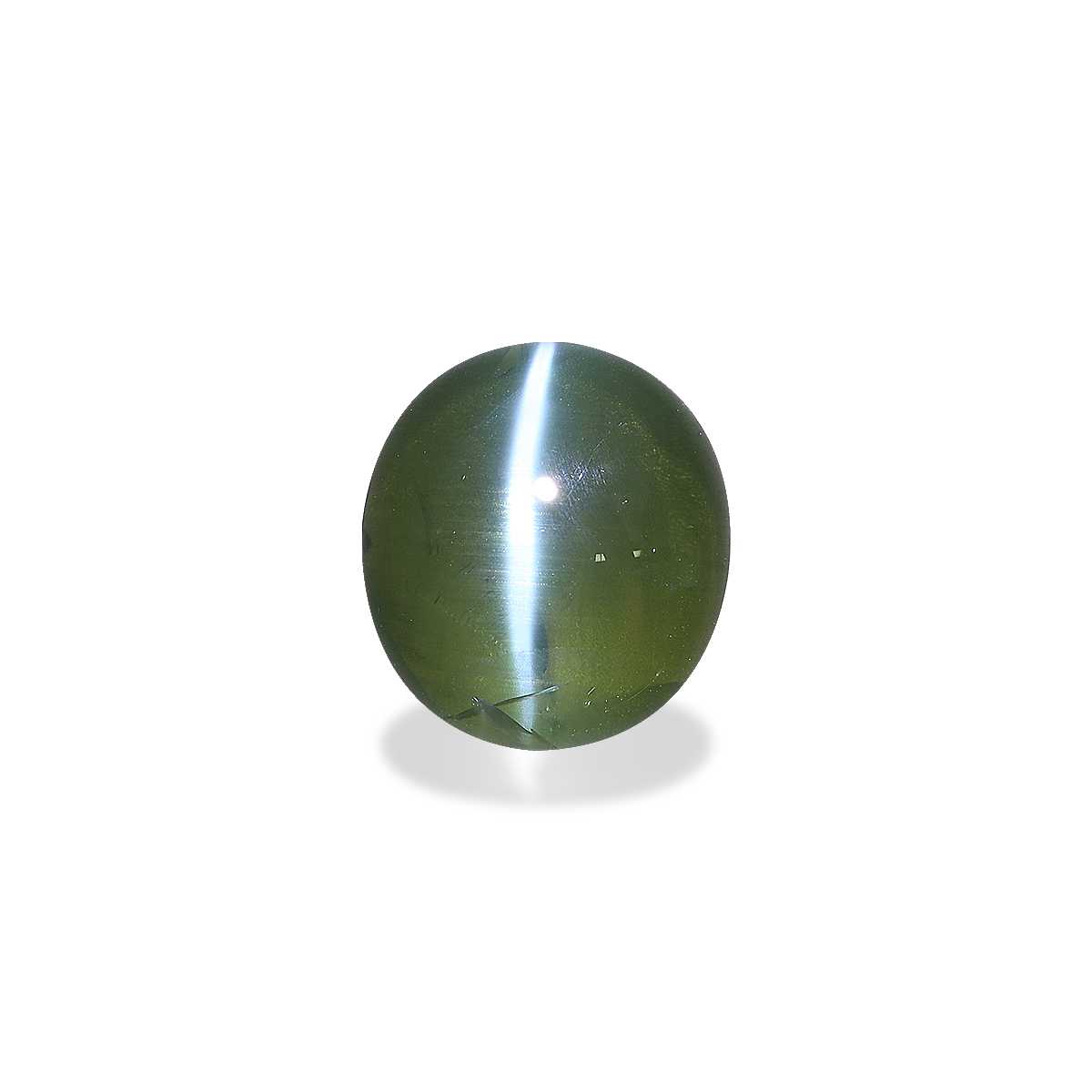
- Cabochon: Smooth and rounded, often used for displaying the cat's eye effect.
Clarity: What to Look For
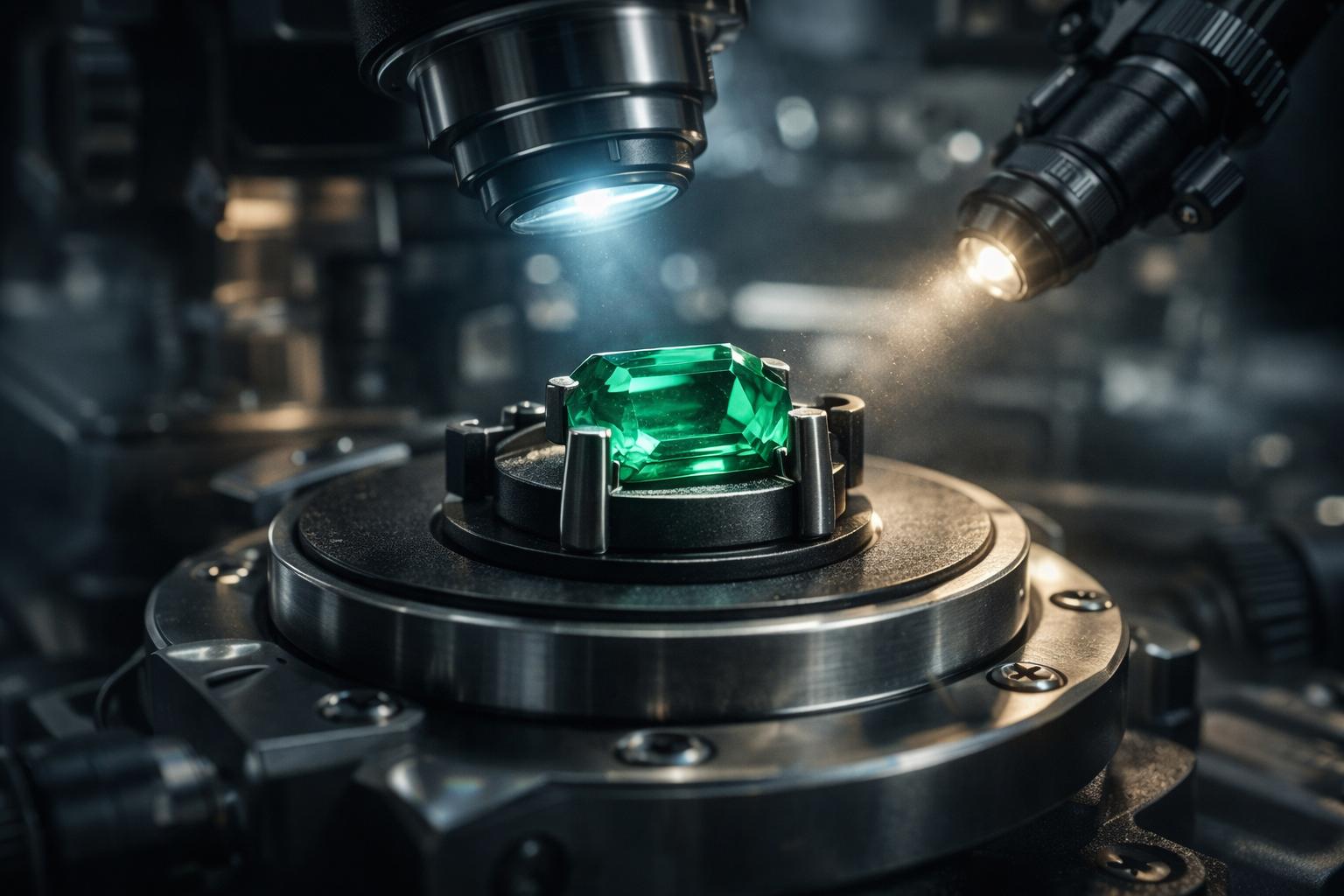
Clarity is a critical factor in determining the value of an alexandrite. The clarity scale ranges from included (I) to internally flawless (IF). Most high-quality alexandrites fall within the VVS (Very Very Slightly Included) to SI-1 (Slightly Included) range. When purchasing, examine the stone for inclusions, as these can affect its brilliance and color change.
Types of Clarity Ratings
- VVS: Almost flawless; inclusions are difficult to detect.
- VS: Very slight inclusions; minor and not visible without magnification.
- SI-1: Slight inclusions visible to the naked eye, but do not detract significantly from beauty.
More from Alexandrite
Treatment and Its Implications
Most alexandrites on the market are unheated, meaning they retain their natural beauty without enhancement. When choosing a stone, it's vital to inquire about any treatments it may have undergone. Unheated stones are often more valuable and sought after. Additionally, some alexandrites may be treated to enhance their color or clarity, which can impact their worth and authenticity.
Certification: Ensuring Quality and Authenticity
When investing in alexandrite, obtaining a certificate from a reputable gemological laboratory is essential. Such certifications provide assurance of the gemstone's quality, authenticity, and treatment history. Look for certifications from recognized institutions, as these can add value and trust to your purchase. For more information on quality factors, you can refer to the Alexandrite's dramatic color change.
Conclusion
Choosing alexandrite is a refined art that combines an understanding of its unique properties with personal aesthetic preferences. By considering factors such as color, cut, clarity, treatment, and certification, one can make an informed decision that reflects both beauty and value. Whether sourced from the vibrant mines of India, Madagascar, or the serene landscapes of Sri Lanka, an alexandrite is not merely a gem, but a timeless treasure. For tips on selecting the right gemstone, check out our article on choose the right gemstone. Additionally, if you're interested in learning more about the quality of rubies, you can read our guide on How to Choose a Quality Ruby.
You may also like
More reading from our journal.