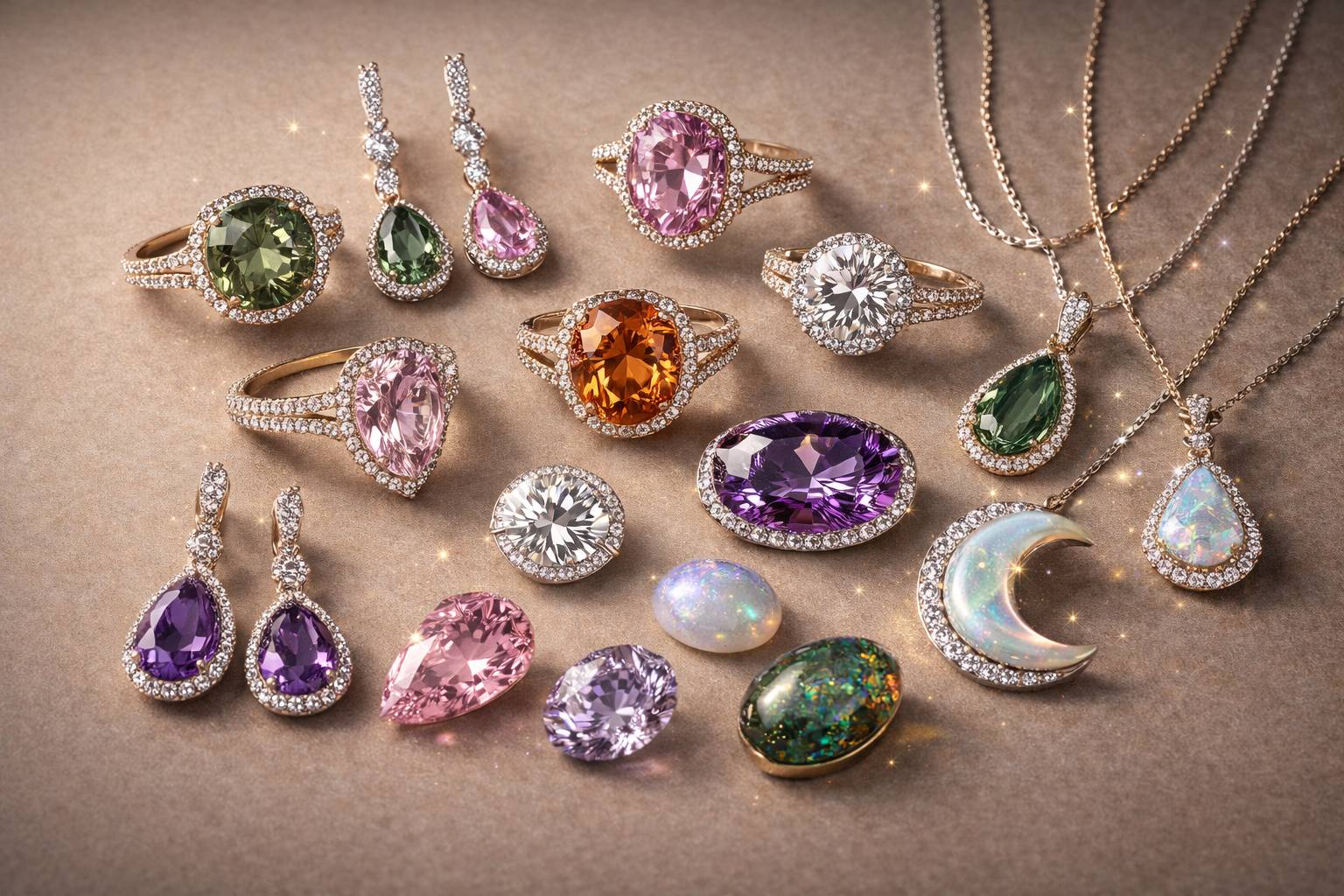
A Guide to Choosing the Right Gemstone
Choosing the right gemstone involves understanding its properties, meanings, and how they align with your personal goals. Consider factors such as the stone's energy, emotional resonance, and physical attributes to ensure it complements your journey of transformation.
Understanding Gemstone Properties
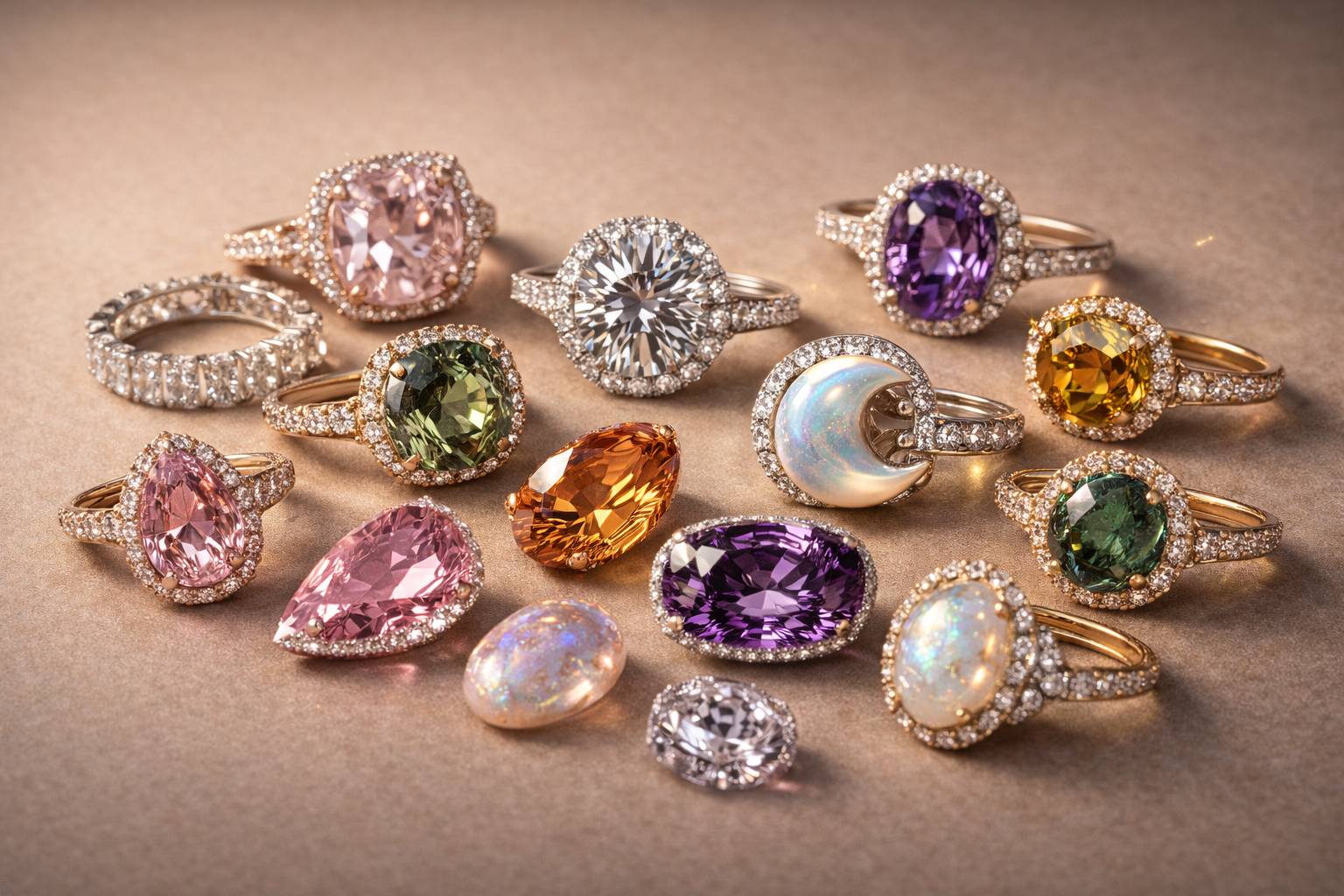
Each gemstone possesses unique properties influenced by its composition and structure. For instance, quartz has a Mohs hardness of 7, making it durable for everyday wear, while softer stones like talc are more suitable for decorative purposes.
Emotional and Spiritual Significance

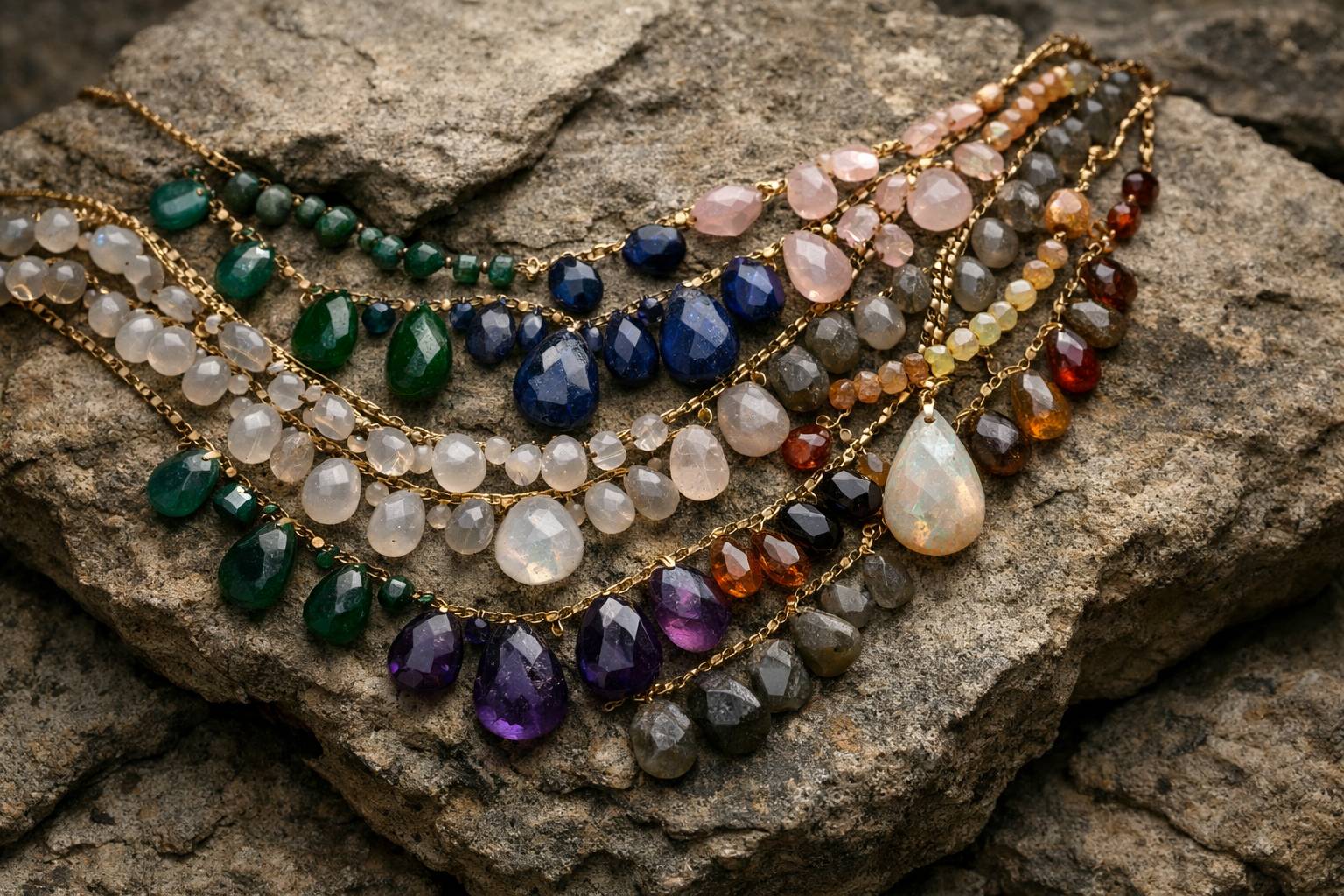
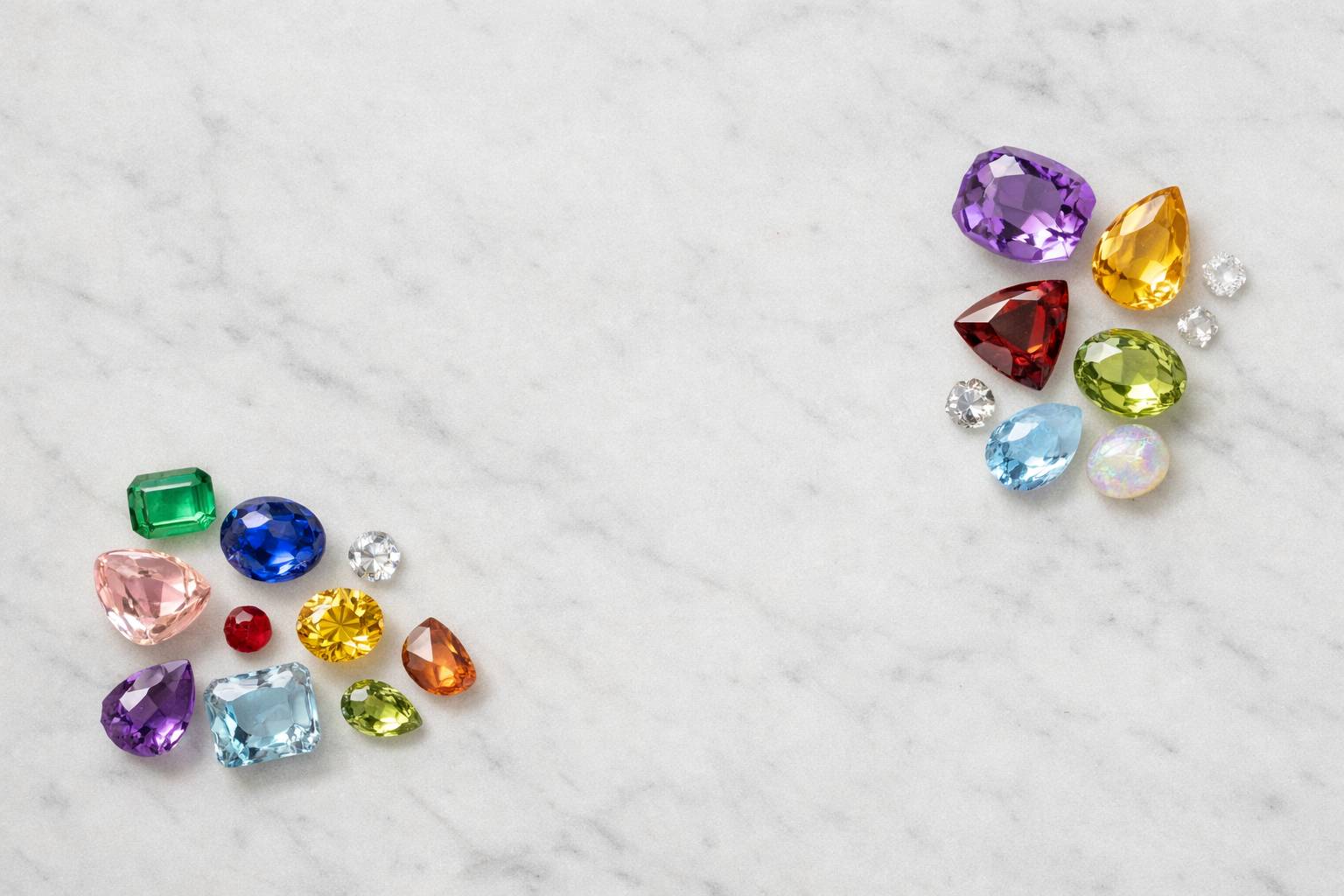
Many gemstones are believed to carry emotional and spiritual meanings. Amethyst, often associated with peace and clarity, can aid meditation, while citrine is linked to abundance and personal power. Understanding these associations can guide your selection process.
Physical Attributes
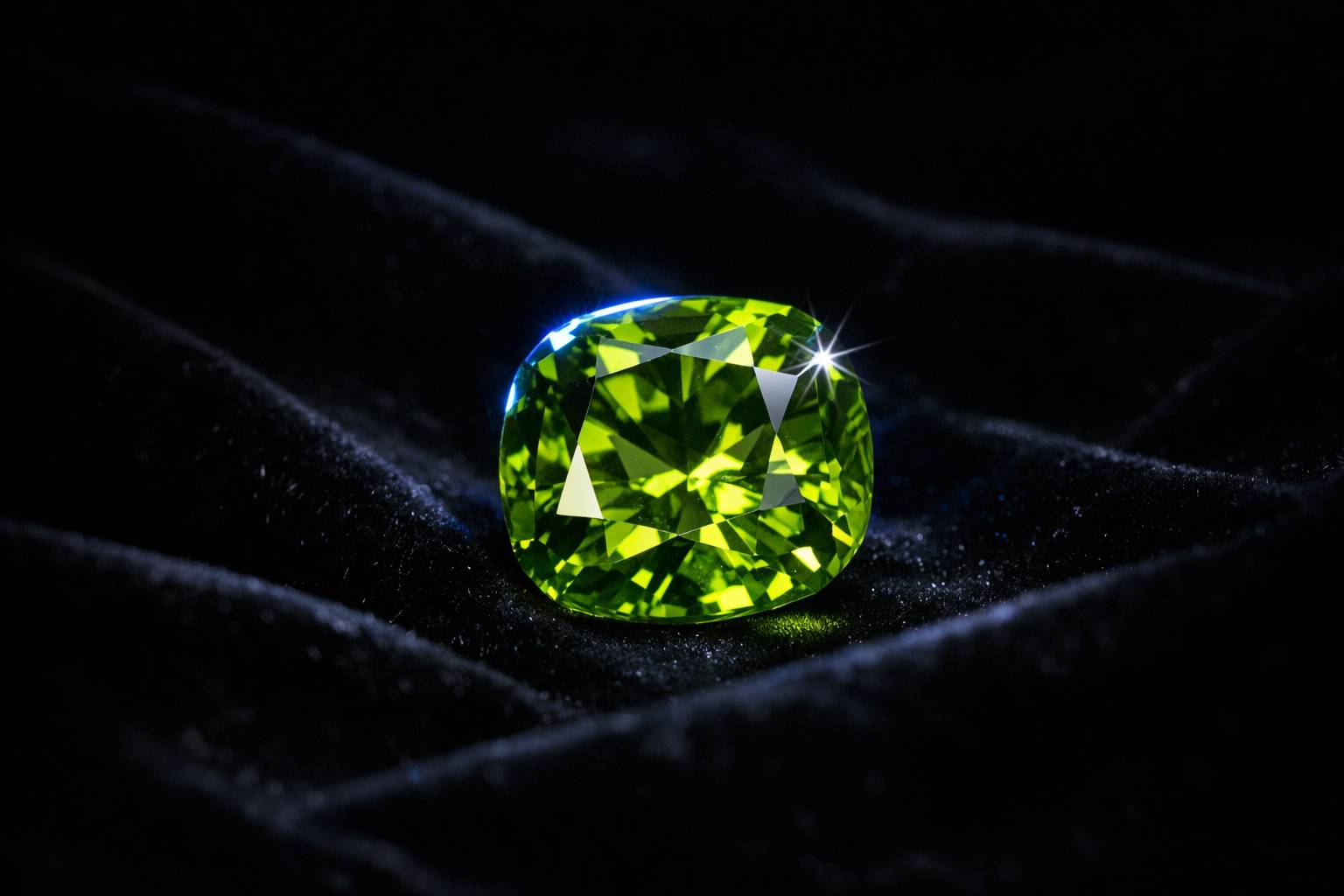
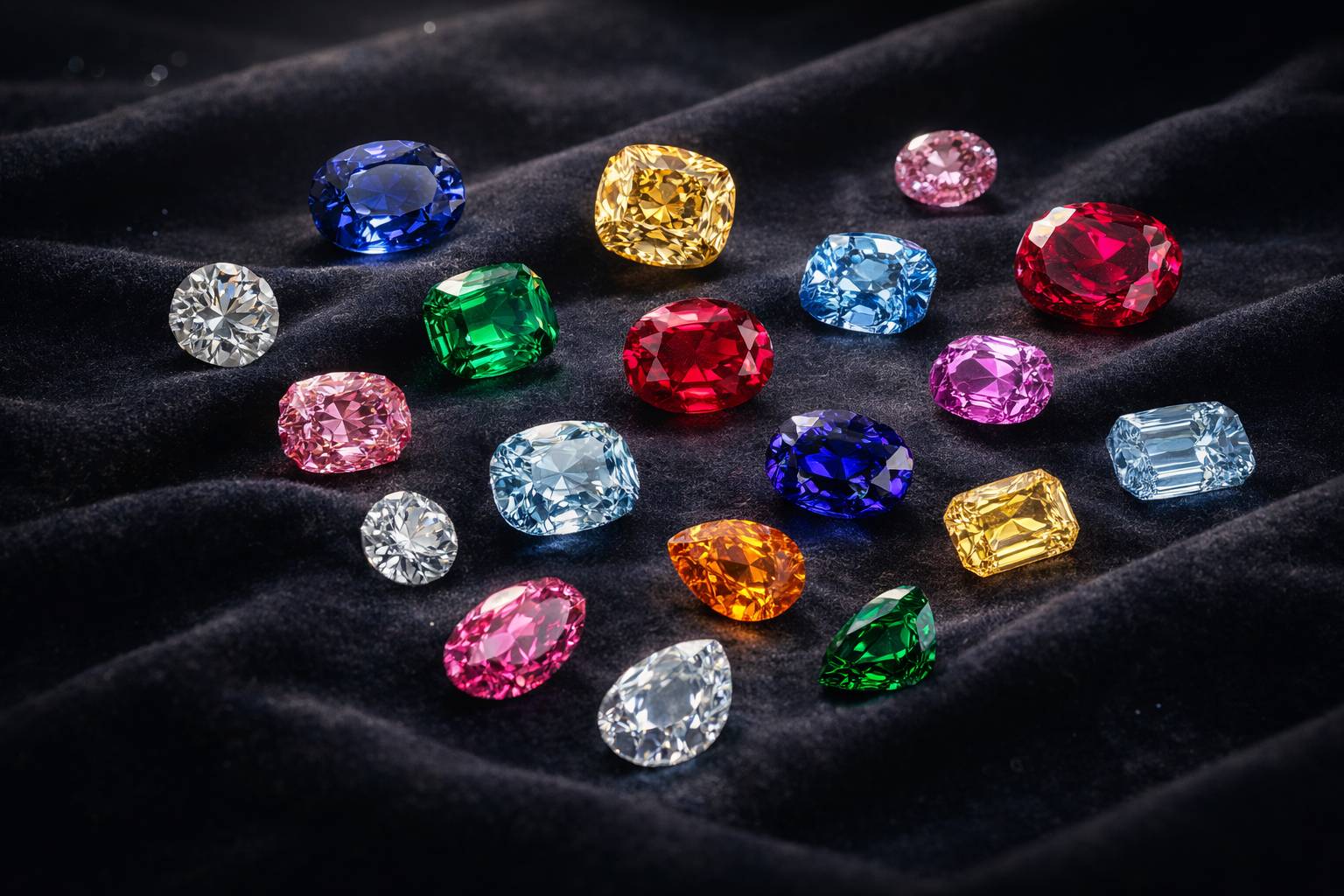
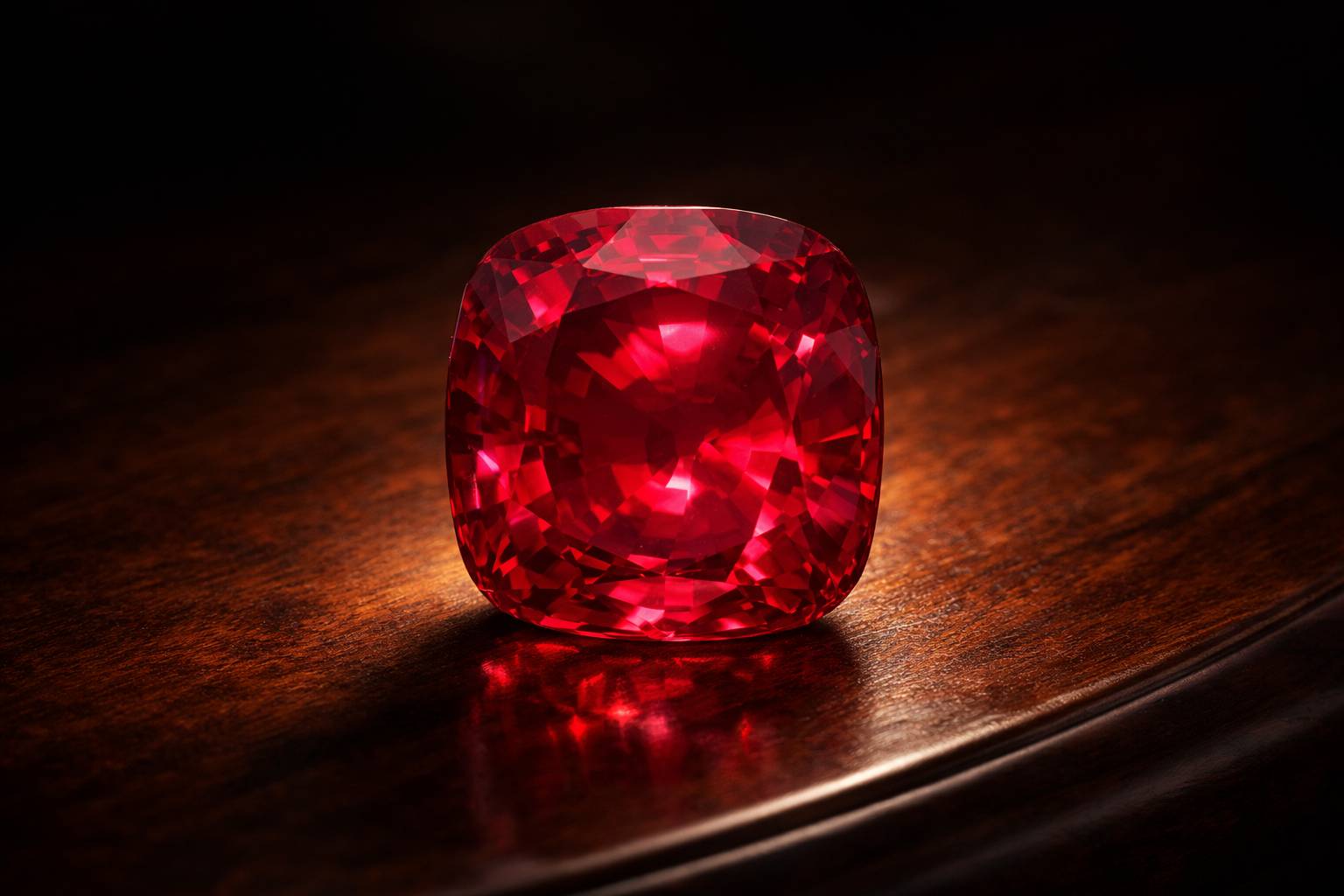
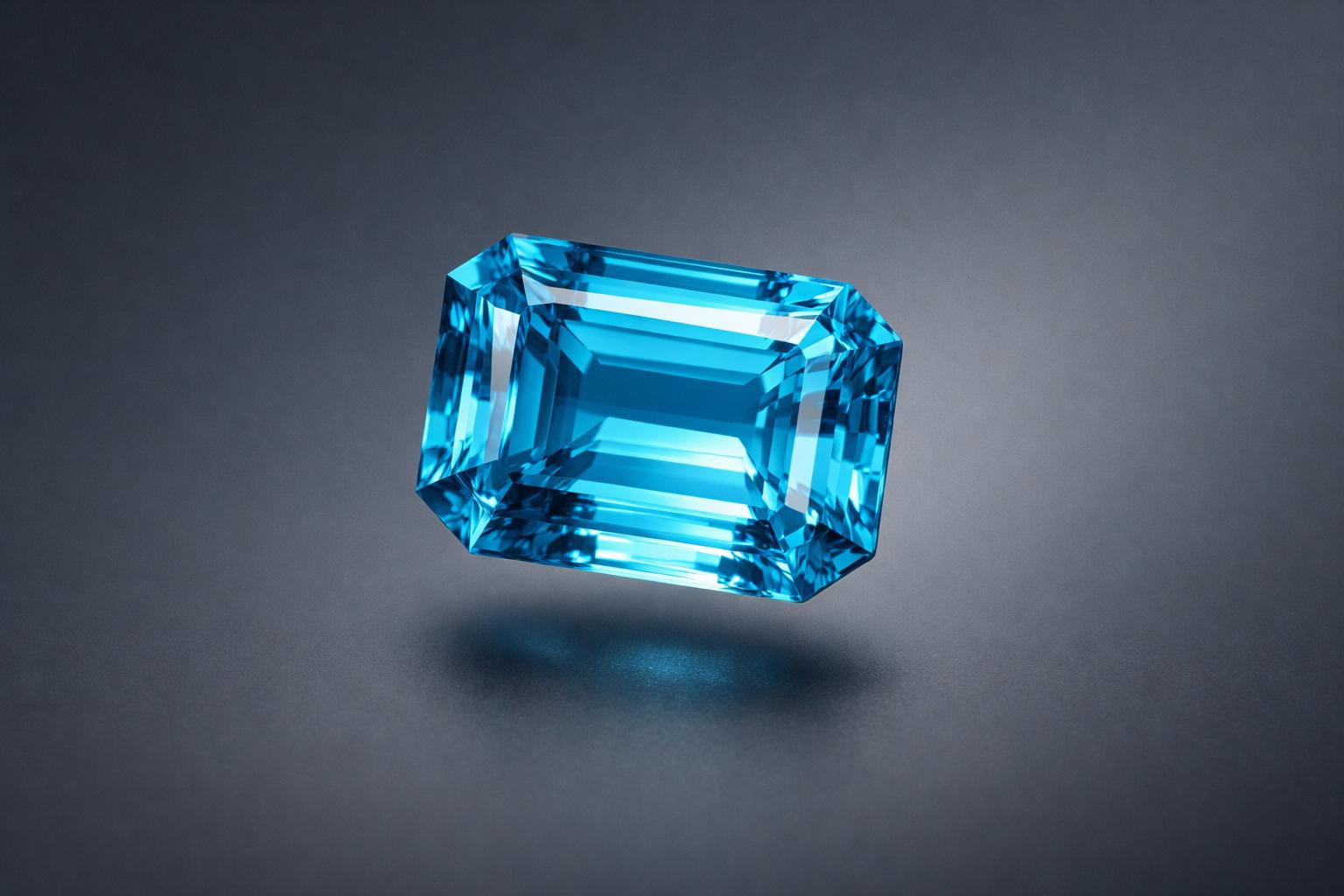
The color, clarity, and size of a gemstone can greatly influence its energy and your connection to it. For instance, a 10mm blue topaz may evoke feelings of calmness and tranquility, while a 5-carat ruby can symbolize love and passion. Assessing these attributes will help you choose a stone that resonates with your intentions.
Durability for Everyday Wear
Consider the gemstone's durability when choosing one for daily use. Stones with a Mohs hardness of 7 or higher, such as sapphire and garnet, are suitable for rings and bracelets. Softer stones may require more careful handling and protection.
Setting and Style Considerations
The way a gemstone is set can impact both its durability and aesthetic appeal. Protective settings, such as bezel mounts, can shield softer stones from damage. Additionally, selecting a style that speaks to you personally can enhance your connection to the gemstone.
Price and Value Factors
The price of gemstones varies widely based on factors such as rarity and quality. For instance, high-quality emeralds can range from $500 to $3,000 per carat, while more common stones like amethyst may be found for $20 to $50 per carat. Understanding these factors can help you make an informed decision.
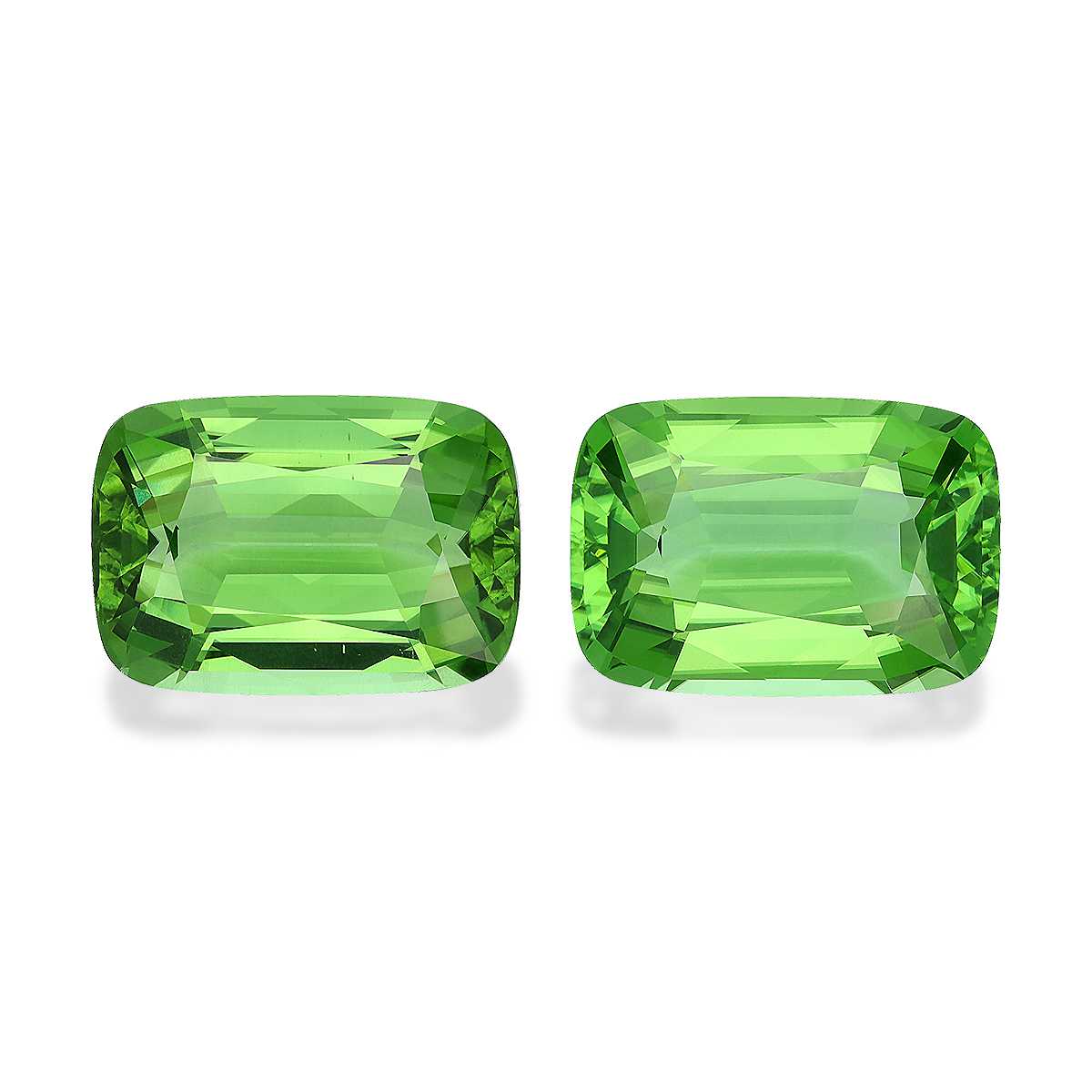
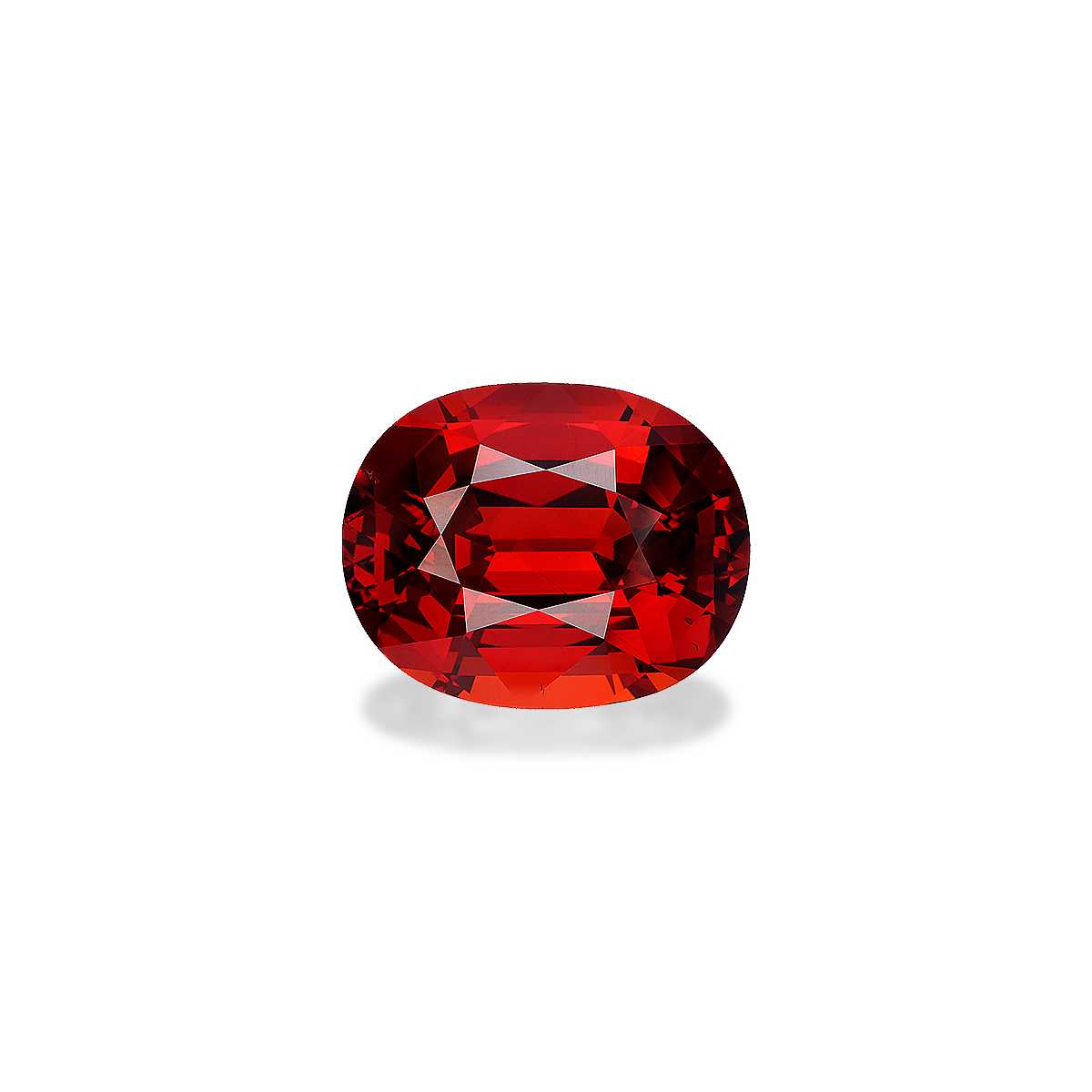
Explore our gemstones
Frequently asked questions
What factors should I consider when choosing a gemstone?+
Consider the gemstone's properties, emotional meaning, durability, and how it aligns with your personal intentions.
How can I ensure a gemstone is durable for everyday wear?+
Select gemstones with a Mohs hardness of 7 or higher for durability, such as sapphire or garnet, and consider protective settings.
What is the significance of different gemstone colors?+
Different colors often correlate with specific meanings; for example, blue stones like lapis lazuli represent calmness, while red stones like garnet symbolize passion.
How do I choose a setting for my gemstone?+
Choose a setting that enhances the stone's beauty and provides protection, such as a bezel setting for softer stones.
What is a good price range for gemstones?+
Prices vary widely; for example, high-quality emeralds can range from $500 to $3,000 per carat, while amethyst can be $20 to $50 per carat.
You may also like
More reading from our journal.