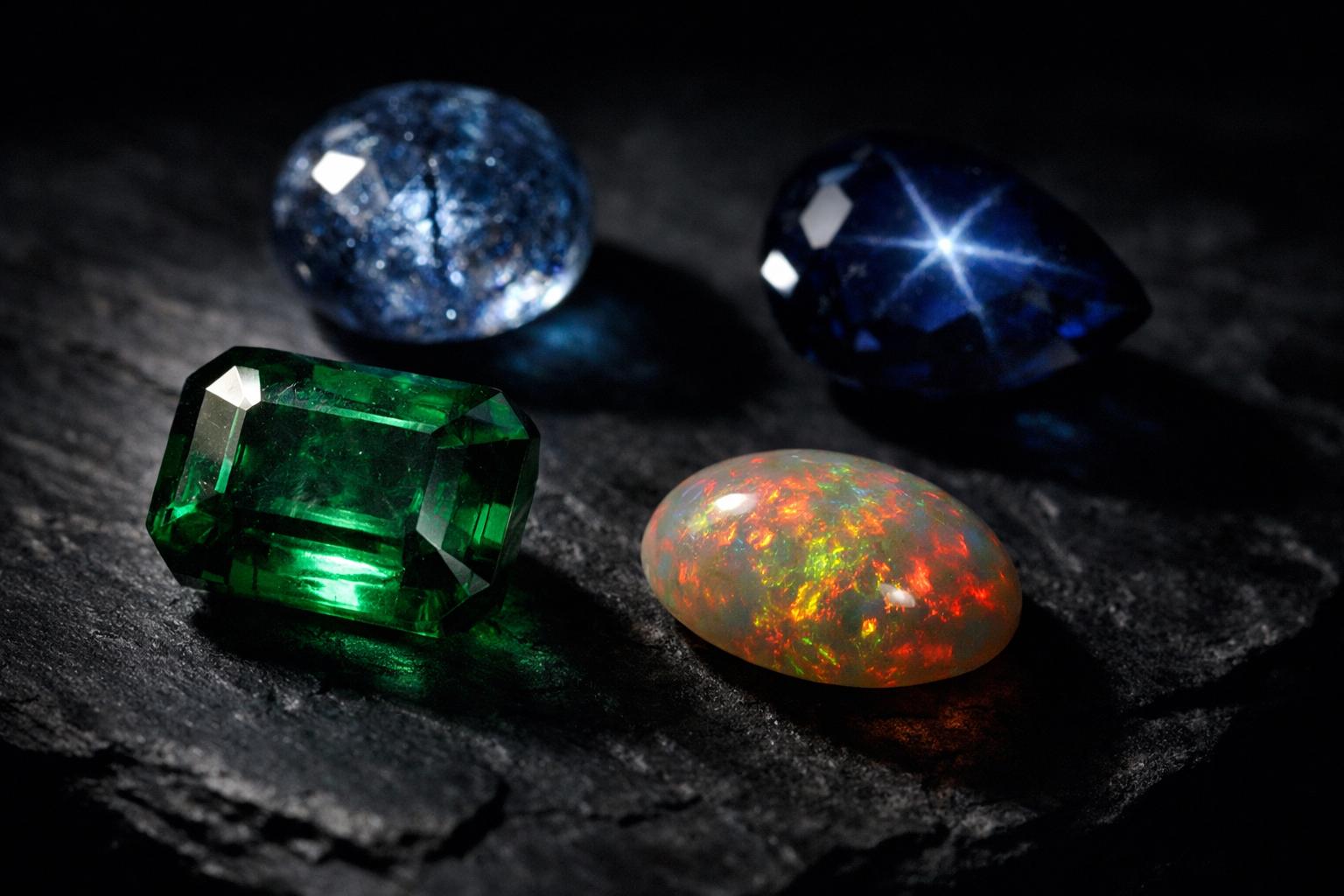
Understanding Gemstone Treatments: What You Need to Know
Gemstone treatments significantly affect both the appearance and value of stones. Common enhancements include heat treatment, oiling, and dyeing, each altering the gem's properties to improve its marketability. Understanding these can help buyers make informed decisions regarding authenticity and pricing.
Types of Gemstone Treatments
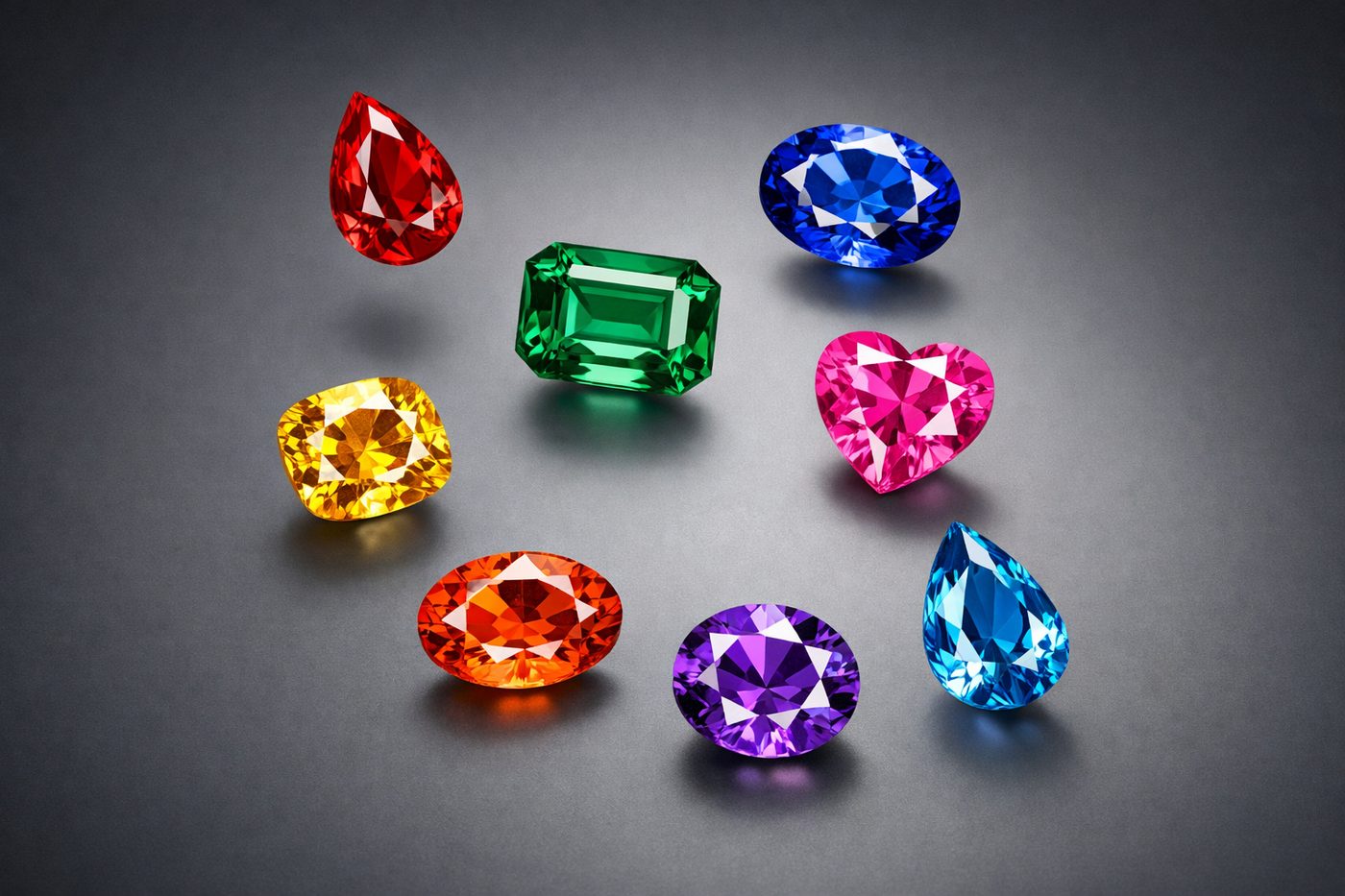
There are several common treatments applied to gemstones, each aimed at enhancing their visual appeal. Heat treatment, for instance, is frequently used on sapphires and rubies. This process can improve color and clarity, increasing the stone's value by approximately 30% compared to untreated stones.
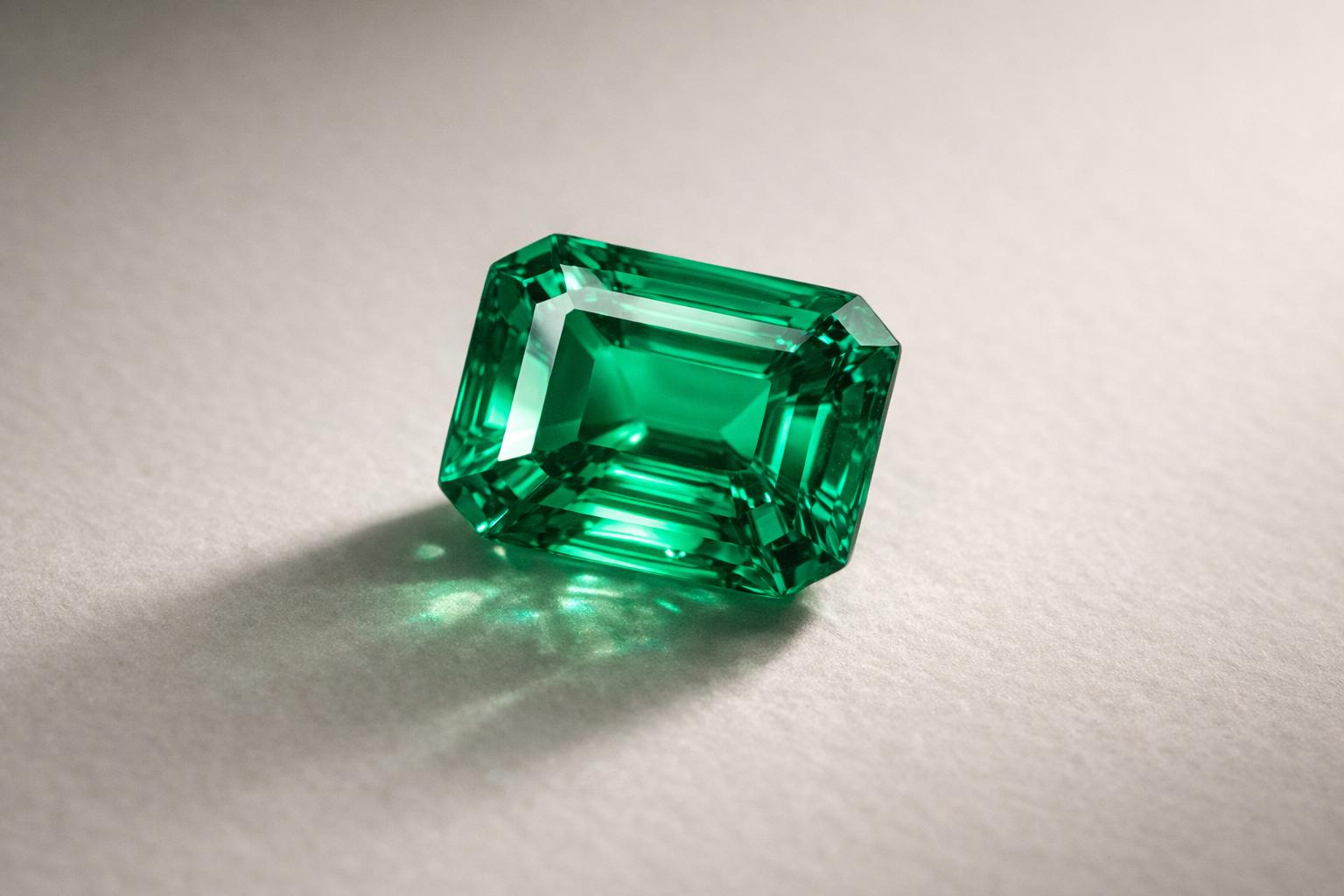
Another prevalent treatment is oiling, primarily used for emeralds. Oiling can enhance clarity by filling surface cracks and cavities, which can raise the price per carat by about 15% to 40%. Dyeing is also a common practice, particularly with lower-quality stones, to enhance color and make them more marketable.
Impact on Value and Pricing
Understanding how treatments affect value is crucial for serious buyers. For instance, untreated gemstones typically command a premium. A natural untreated sapphire may be valued at $2,000 to $10,000 per carat, whereas a treated equivalent might range from $500 to $3,000 per carat.
Additionally, the Mohs hardness scale ranks gemstones based on their scratch resistance. Treatments can sometimes affect durability, which may influence long-term value. For example, a treated emerald may have a hardness of 7.5, while untreated stones maintain their natural hardness, potentially affecting desirability.
Explore our gemstones
Identifying Treated vs. Untreated Gemstones
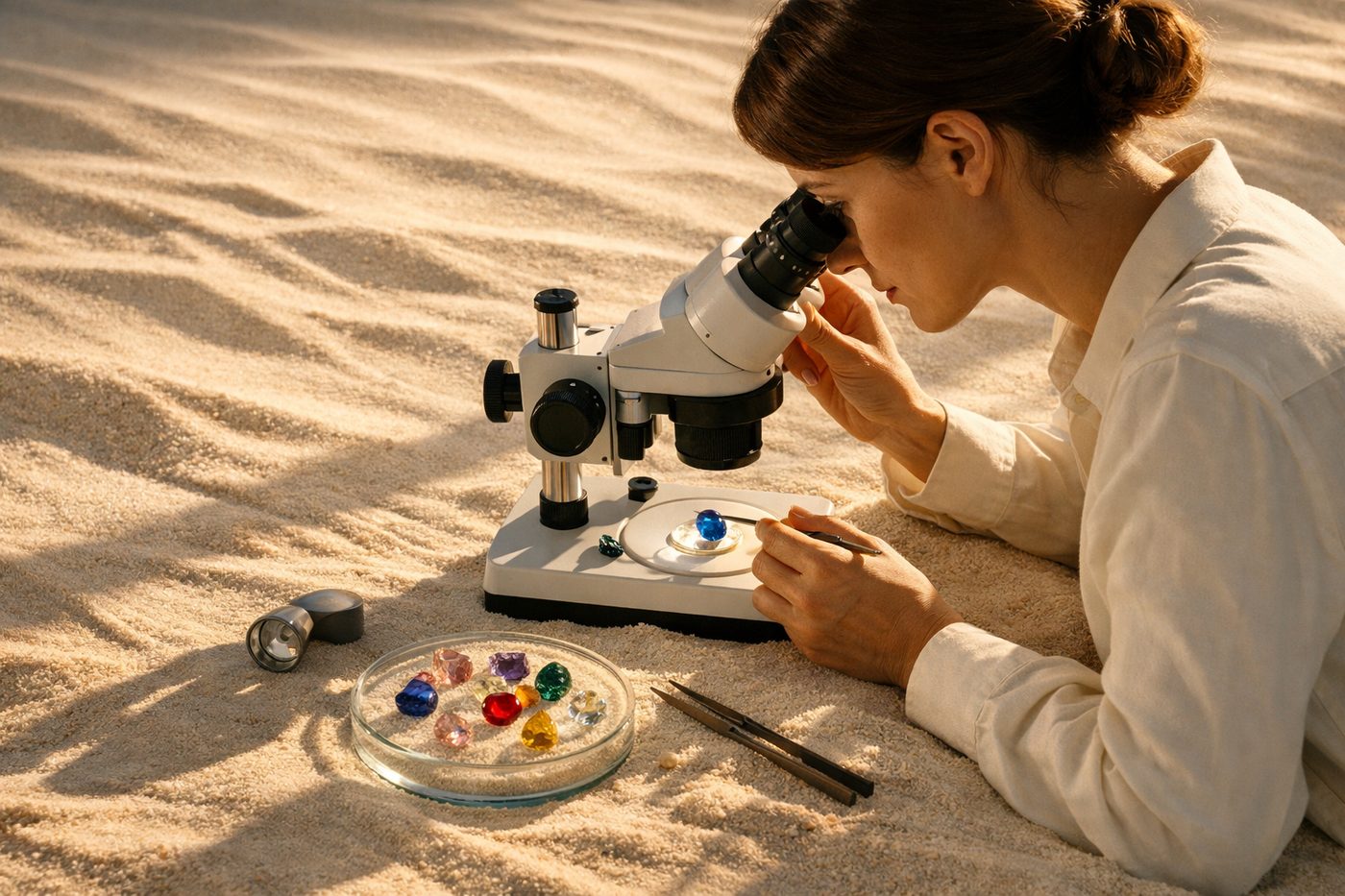
Buyers must be vigilant in identifying treated stones. Certification from a reputable gemological laboratory can provide assurance regarding the treatment status. Notable laboratories include the Gemological Institute of America (GIA) and the American Gem Society (AGS). These certifications often indicate the specific treatments applied, which can be crucial for valuation.
In some cases, the refractive index (RI) can help in distinguishing treated stones. For instance, the RI of untreated sapphire typically ranges from 1.76 to 1.77, while treated stones may exhibit different characteristics due to enhancements.
Market Trends and Consumer Awareness
The demand for untreated gemstones is increasing as consumers become more educated about gemstone treatments. According to market studies, approximately 60% of buyers prefer untreated stones, reflecting a growing awareness of authenticity. This trend is also supported by social media platforms, where information about gemstone quality circulates widely.
As buyers become more discerning, the market for treated gemstones may see fluctuations in value. Understanding the nuances of gemstone treatments can help buyers make informed investments, ensuring they select stones that align with their values.
Conclusion on Gemstone Treatments
Familiarity with gemstone treatments can greatly enhance a buyer's purchasing experience. By understanding the types of treatments, their impact on value, and how to identify treated versus untreated stones, buyers can navigate the market with confidence.
Frequently asked questions
What are common types of gemstone treatments?+
Common treatments include heat treatment, oiling, and dyeing. Each is designed to enhance the stone's appearance and can significantly affect its value.
How do treatments impact a gemstone's value?+
Treatments can increase a gemstone's value by improving color and clarity, but untreated stones often command a higher price. For instance, untreated sapphires can be valued much higher than treated ones.
How can I identify if a gemstone has been treated?+
Certification from reputable gemological labs, such as GIA, can confirm treatment status. Additionally, visual inspections and refractive index measurements can help in identification.
Are treated gemstones less valuable?+
Generally, treated gemstones are less valuable than their untreated counterparts. The market trend shows a preference for untreated stones, reflecting a desire for authenticity.
What is the Mohs hardness of treated gemstones?+
The Mohs hardness of treated gemstones can vary depending on the treatment. For example, treated emeralds may have a hardness of 7.5, while untreated gems maintain their natural hardness.
You may also like
More reading from our journal.