Machine Learning in Emerald Grading Practices
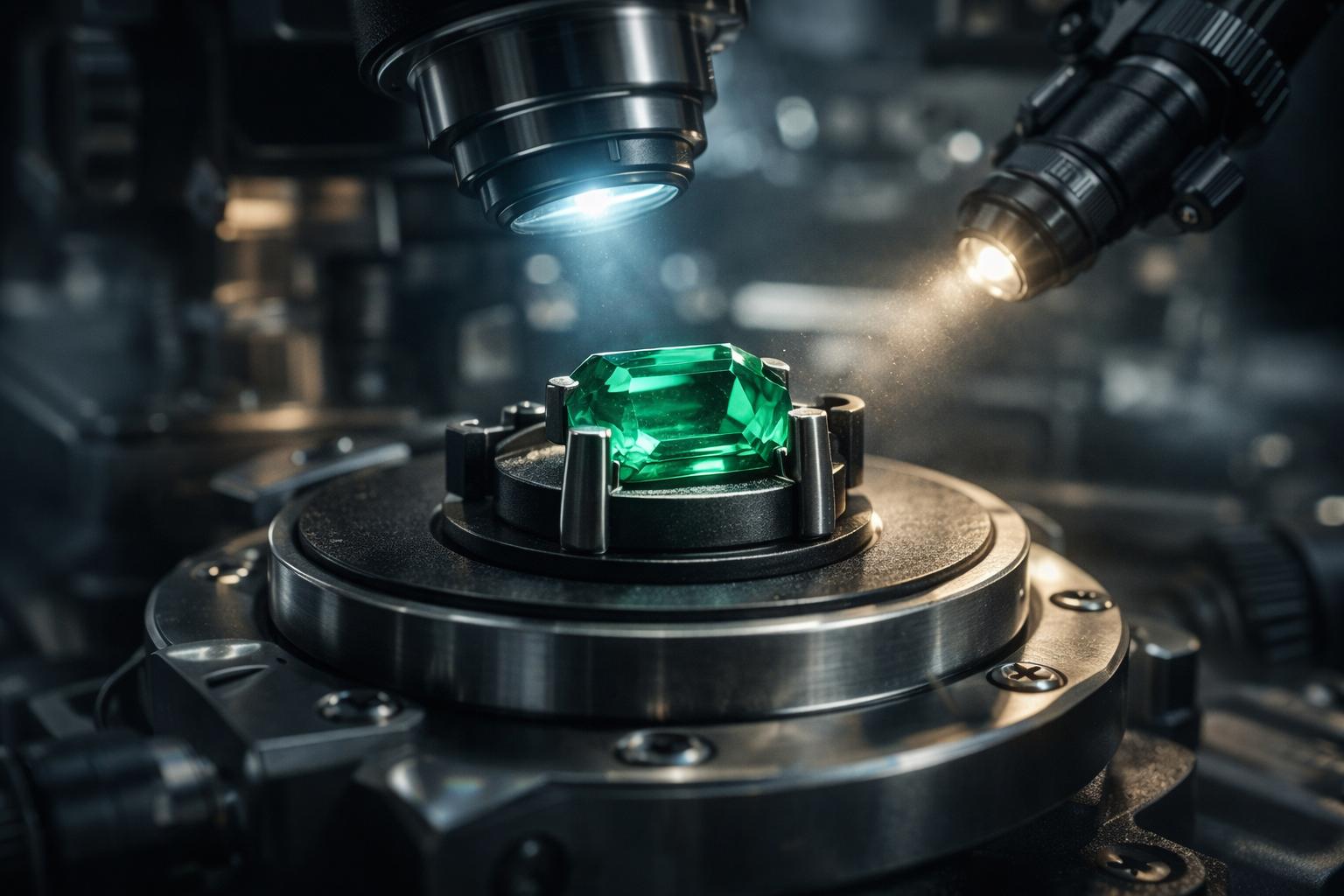
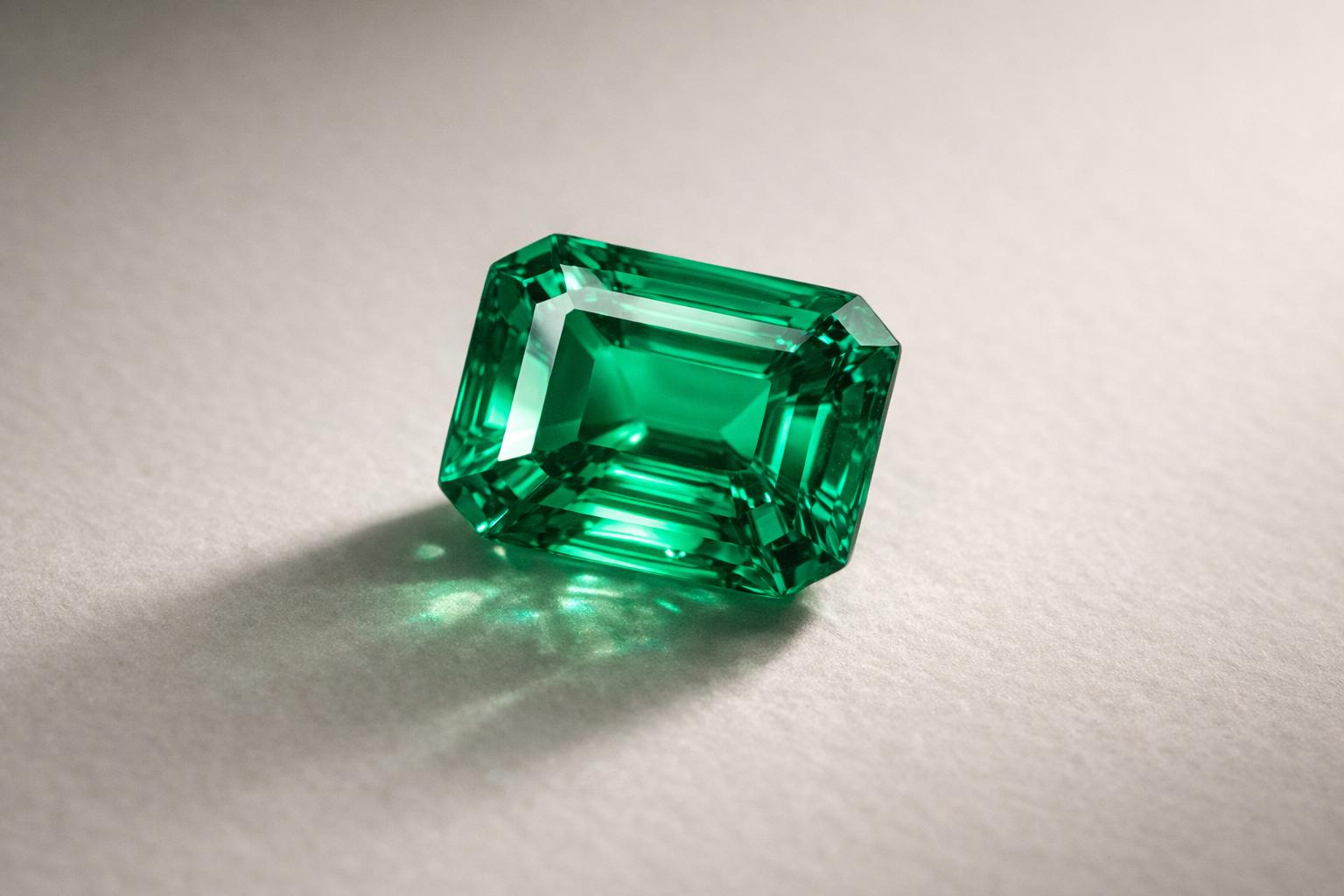
The intersection of technology and gemology has opened new avenues for enhancing the precision and reliability of gemstone grading. Among the various advancements, machine learning is emerging as a key player in transforming the way emeralds are assessed. This innovative approach is not only redefining grading practices but also ensuring that the beauty and value of these precious gemstones are accurately represented.
Understanding Machine Learning in Gemology
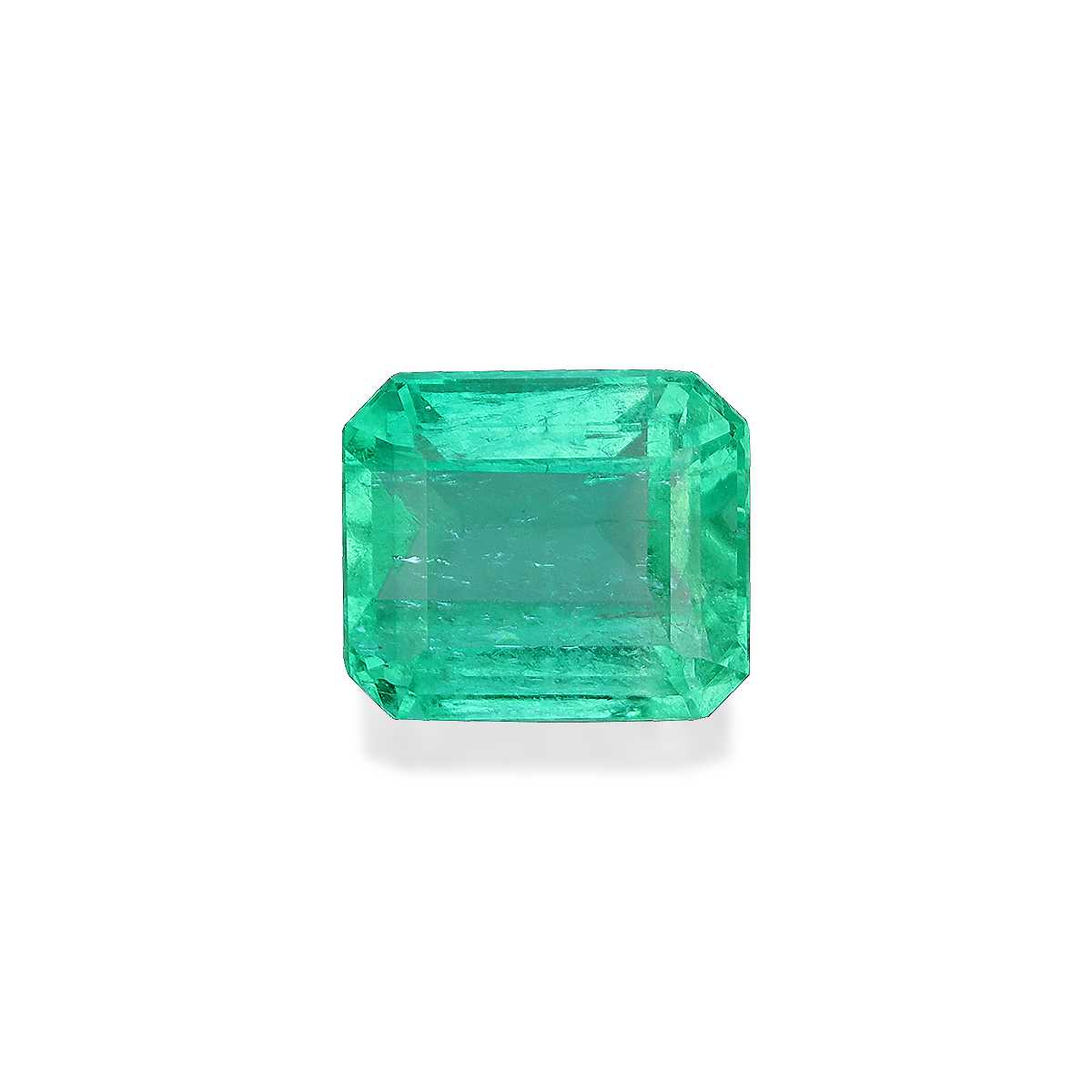
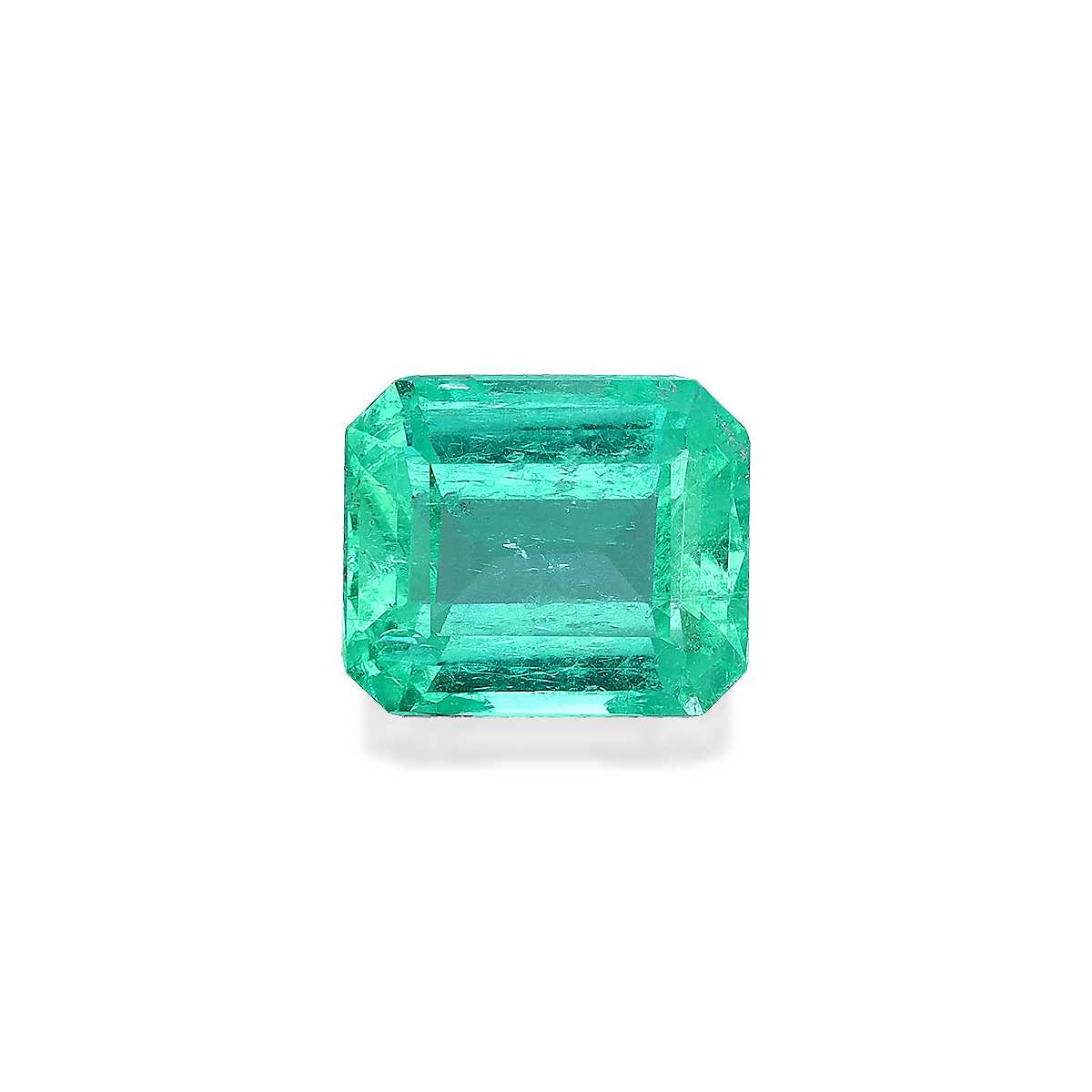
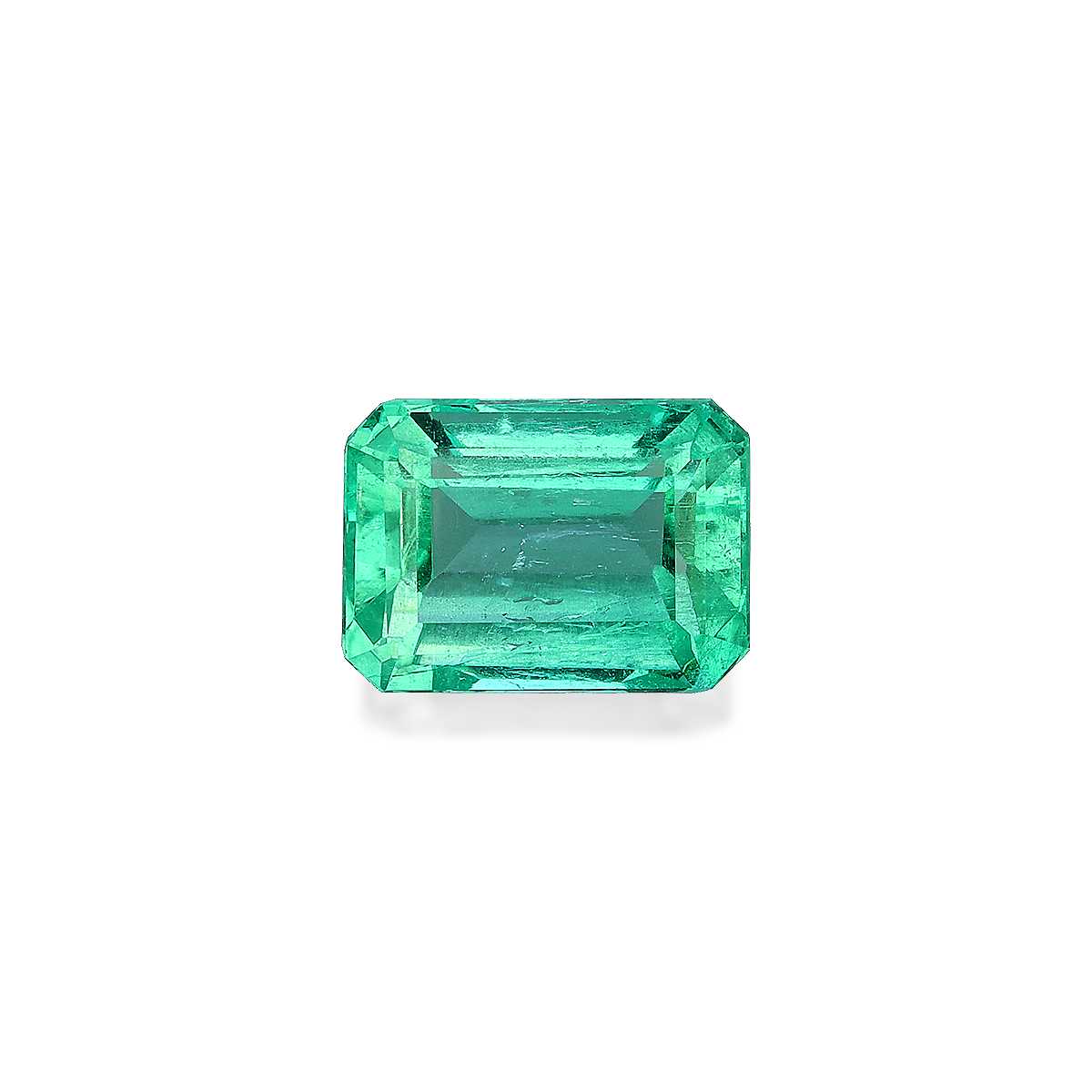
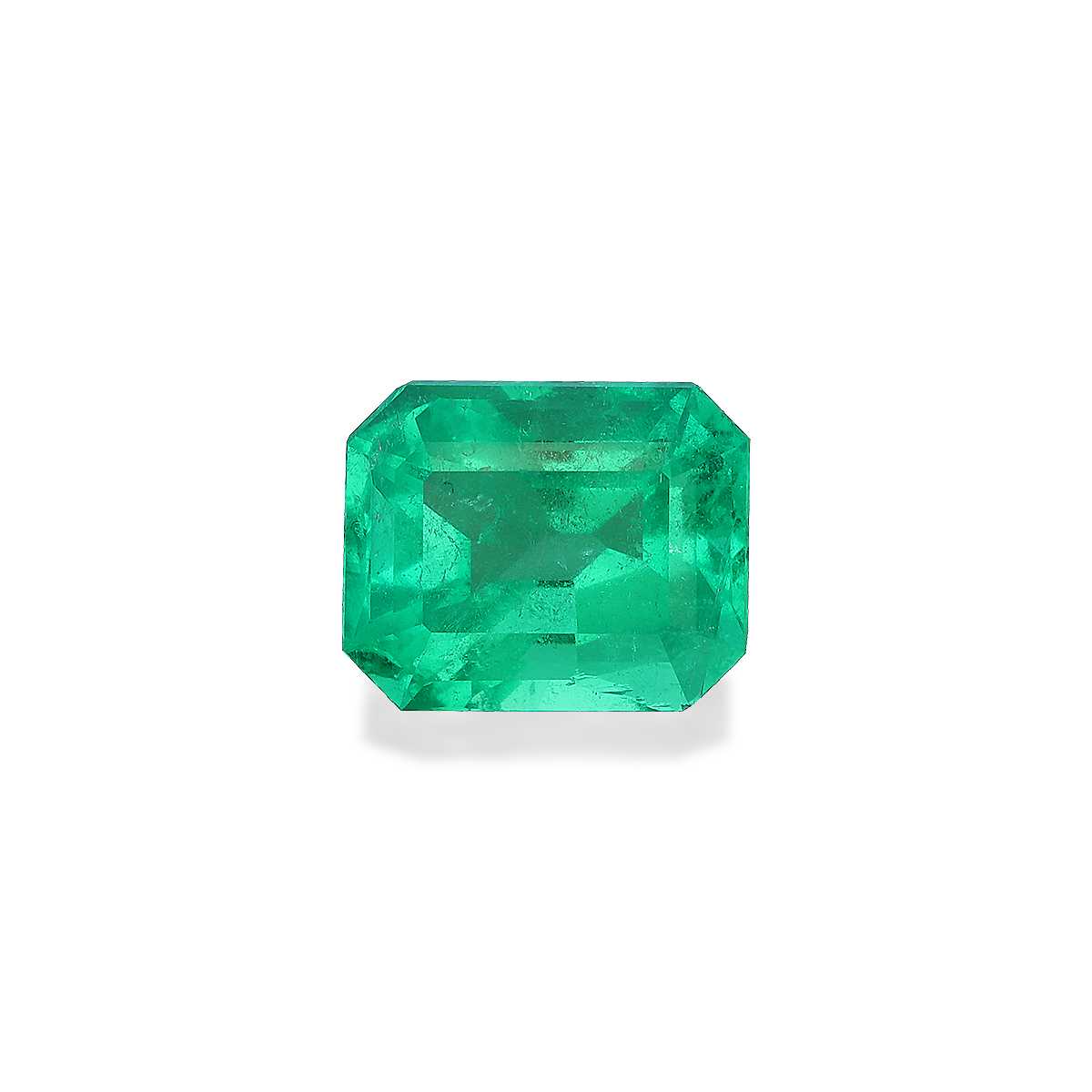
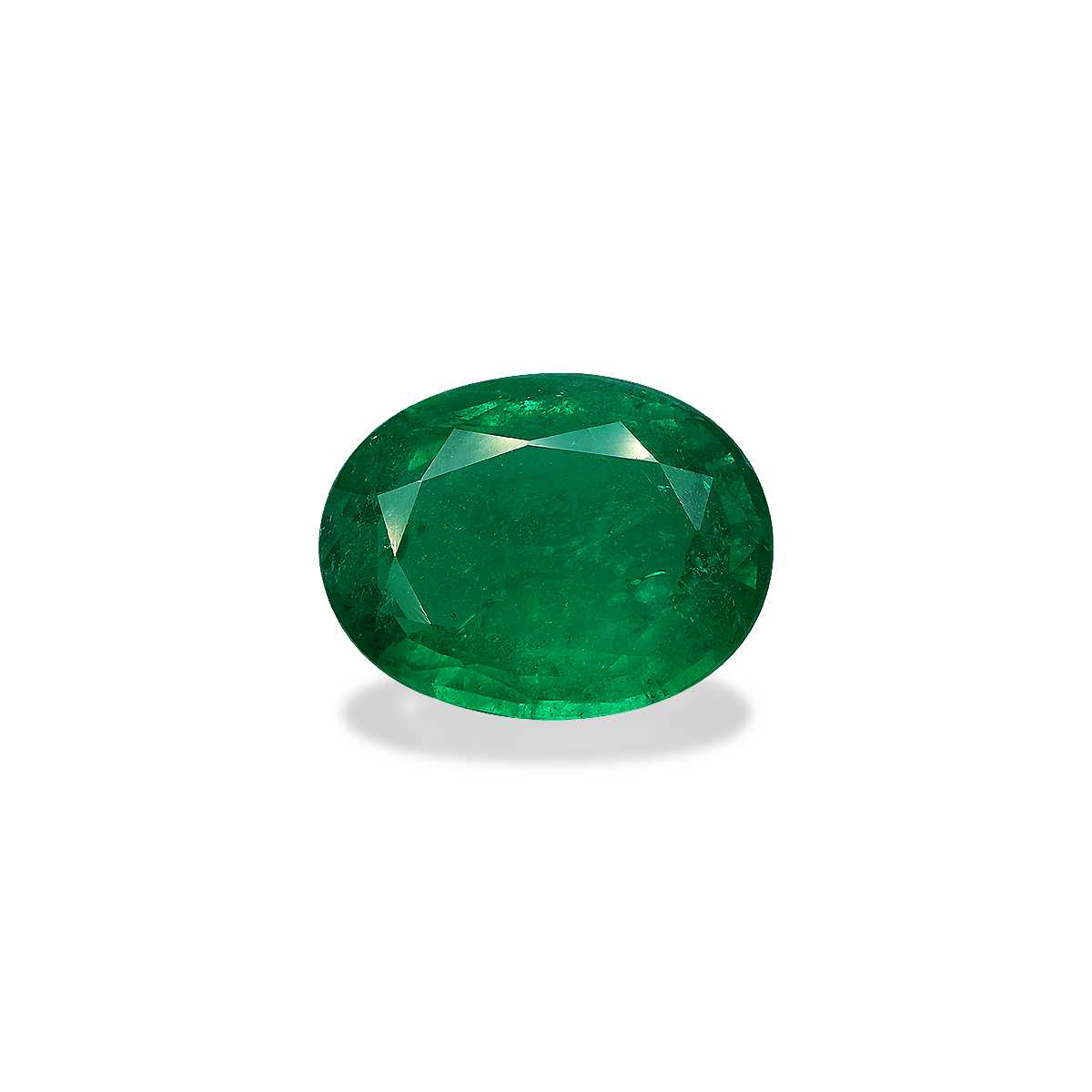
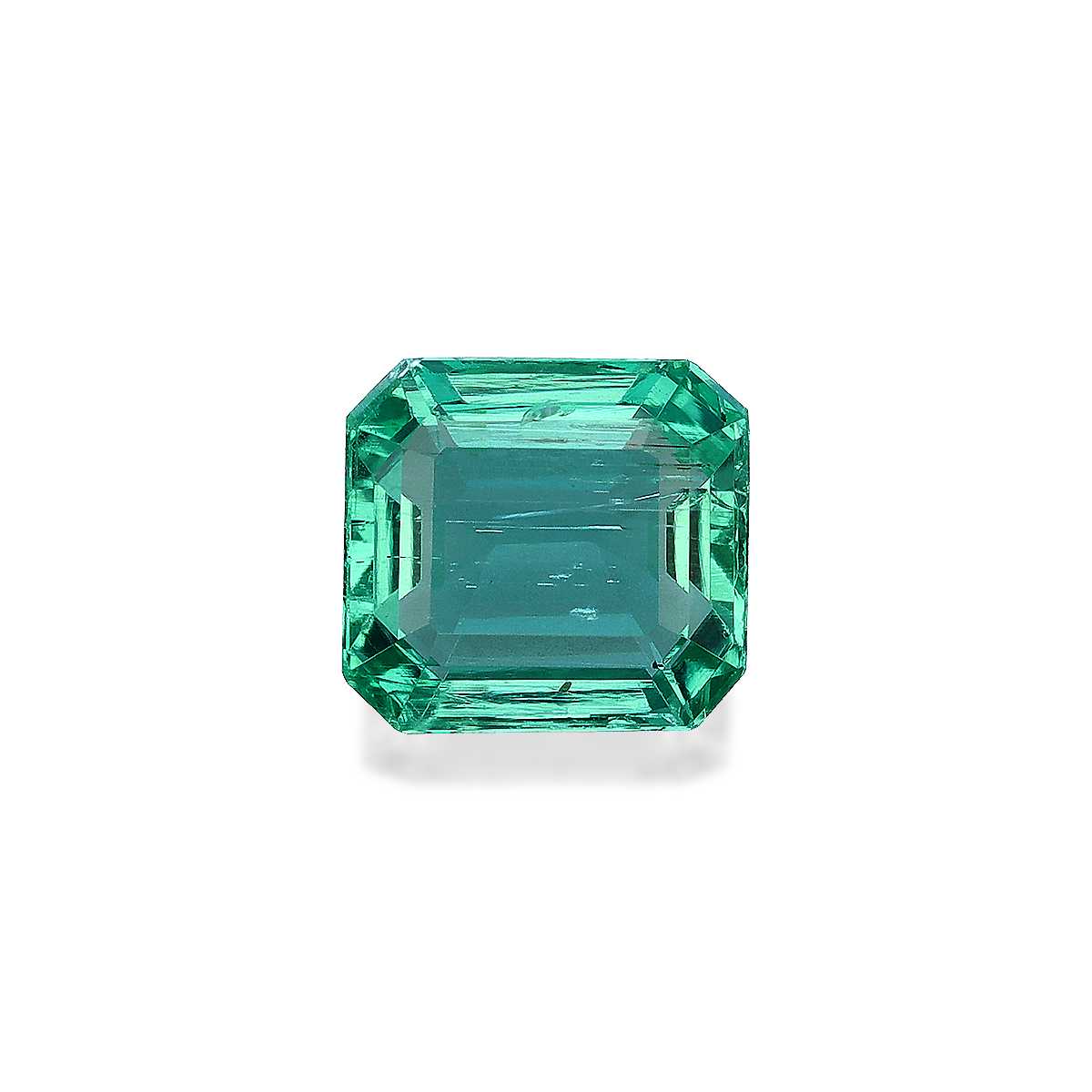
Machine learning, a subset of artificial intelligence, enables systems to learn from data and improve their predictive capabilities over time. In gemology, machine learning algorithms can analyze vast amounts of information related to emerald characteristics, such as color, clarity, cut, and treatment history. By training on these datasets, the algorithms can more accurately classify and grade emeralds, leading to greater consistency in evaluations. For a deeper understanding of emeralds, you can refer to the emerald gemstone description.
The Importance of Accurate Grading
Emerald grading has always posed challenges due to the gemstone's unique characteristics. Factors such as inclusions, color zoning, and treatment methods significantly influence an emerald's value. As a result, human grading can sometimes be subjective, leading to variations in assessments. Integrating machine learning into the grading process aims to mitigate these discrepancies and establish a more objective framework.
Enhancing Color Assessment
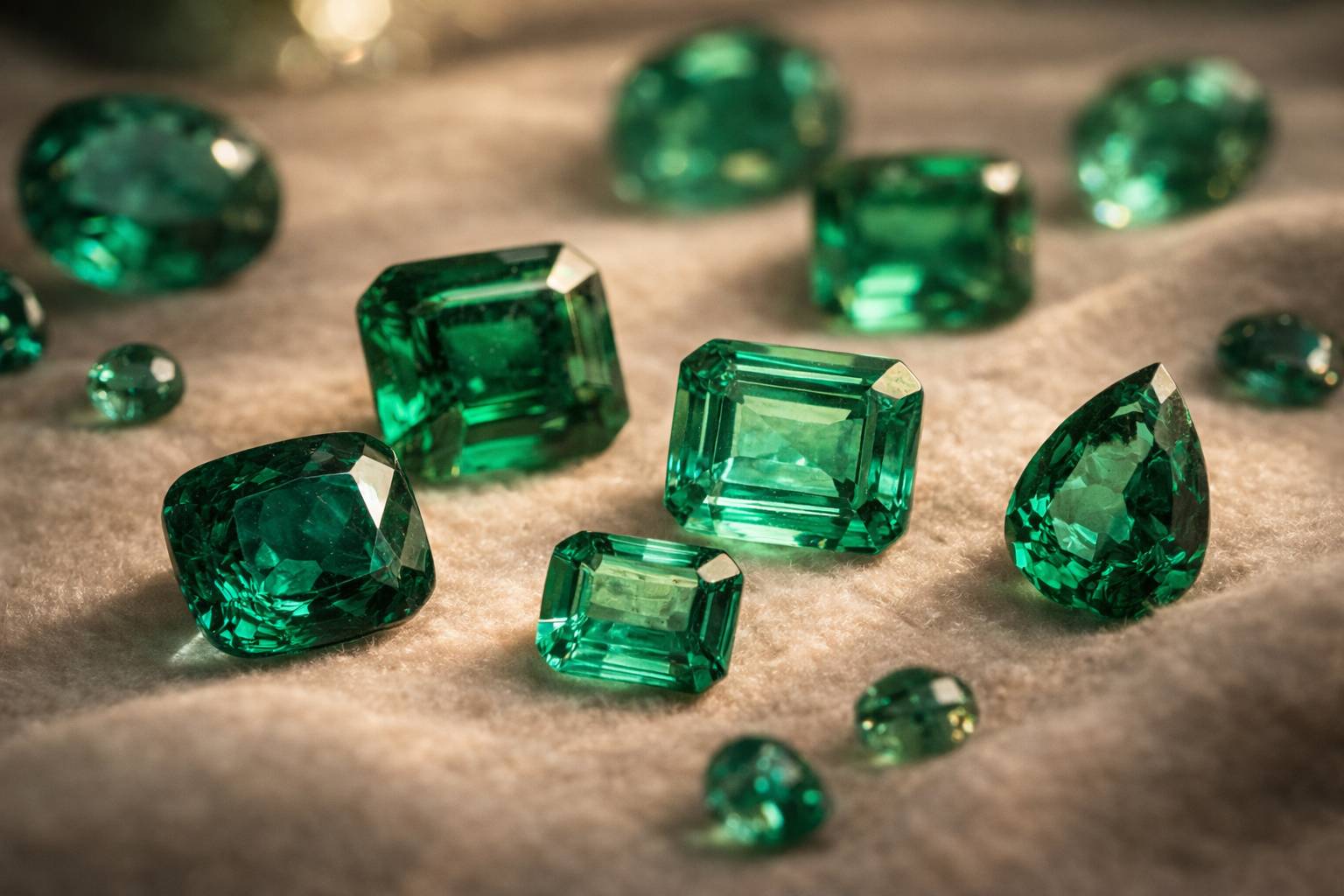
One of the most critical aspects of emerald grading is color evaluation. Machine learning algorithms can analyze color data with remarkable precision, identifying subtle variations that human graders might overlook. By leveraging extensive databases of emerald color palettes, these systems can categorize emeralds based on specific shades, such as vivid green or bluish-green. This capability not only streamlines the grading process but also provides a standard reference for gemologists.
Color Classification Models
- RGB Analysis: Algorithms can assess the red, green, and blue components of color to determine the most accurate classification.
- Colorimetric Measurements: Systems can utilize precise colorimetric data to create a comprehensive profile of the emerald's hue.
- Machine Learning Insights: Continuous learning enables the model to adapt to new color trends and grading standards.
More from Emerald

Improving Clarity Evaluation
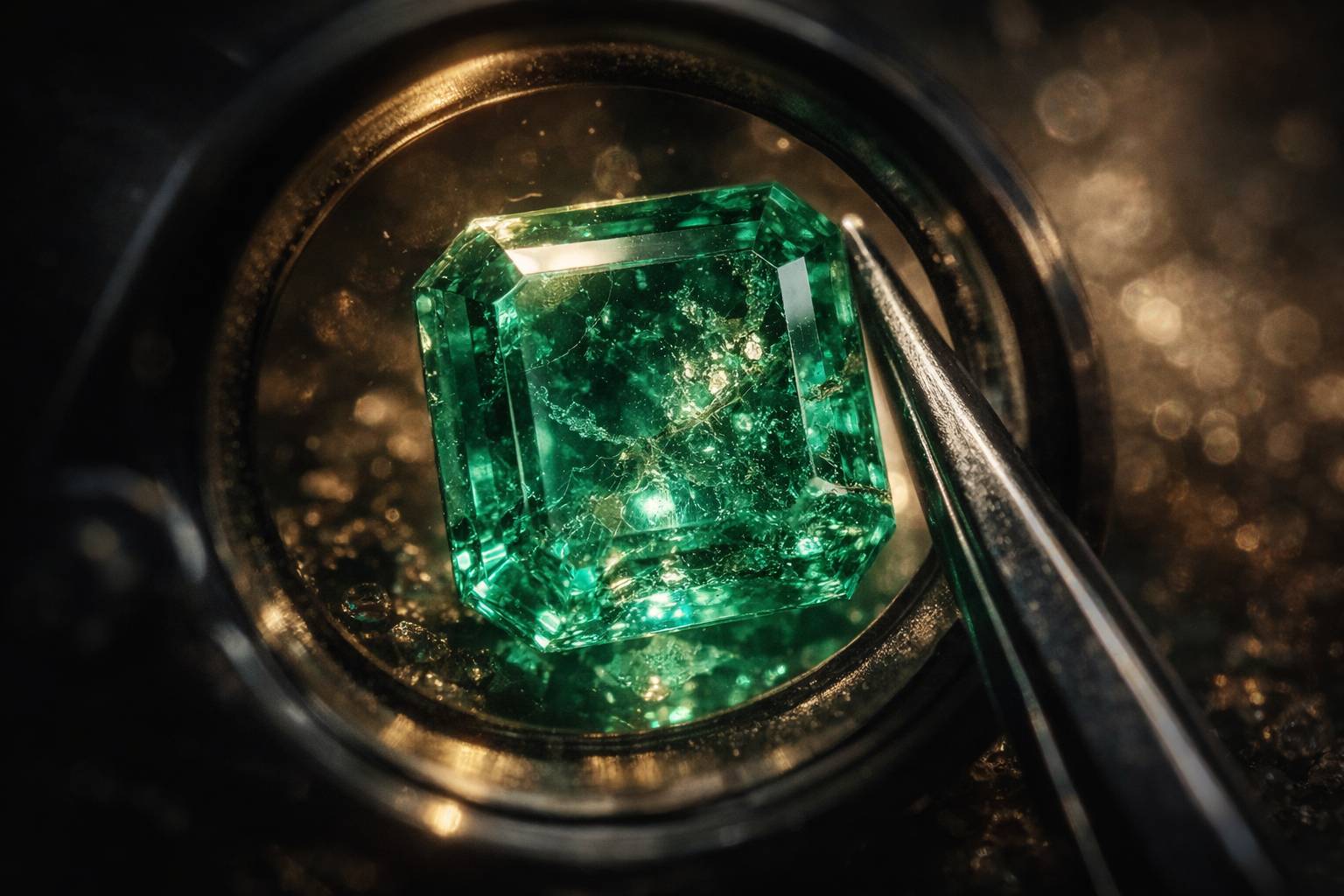
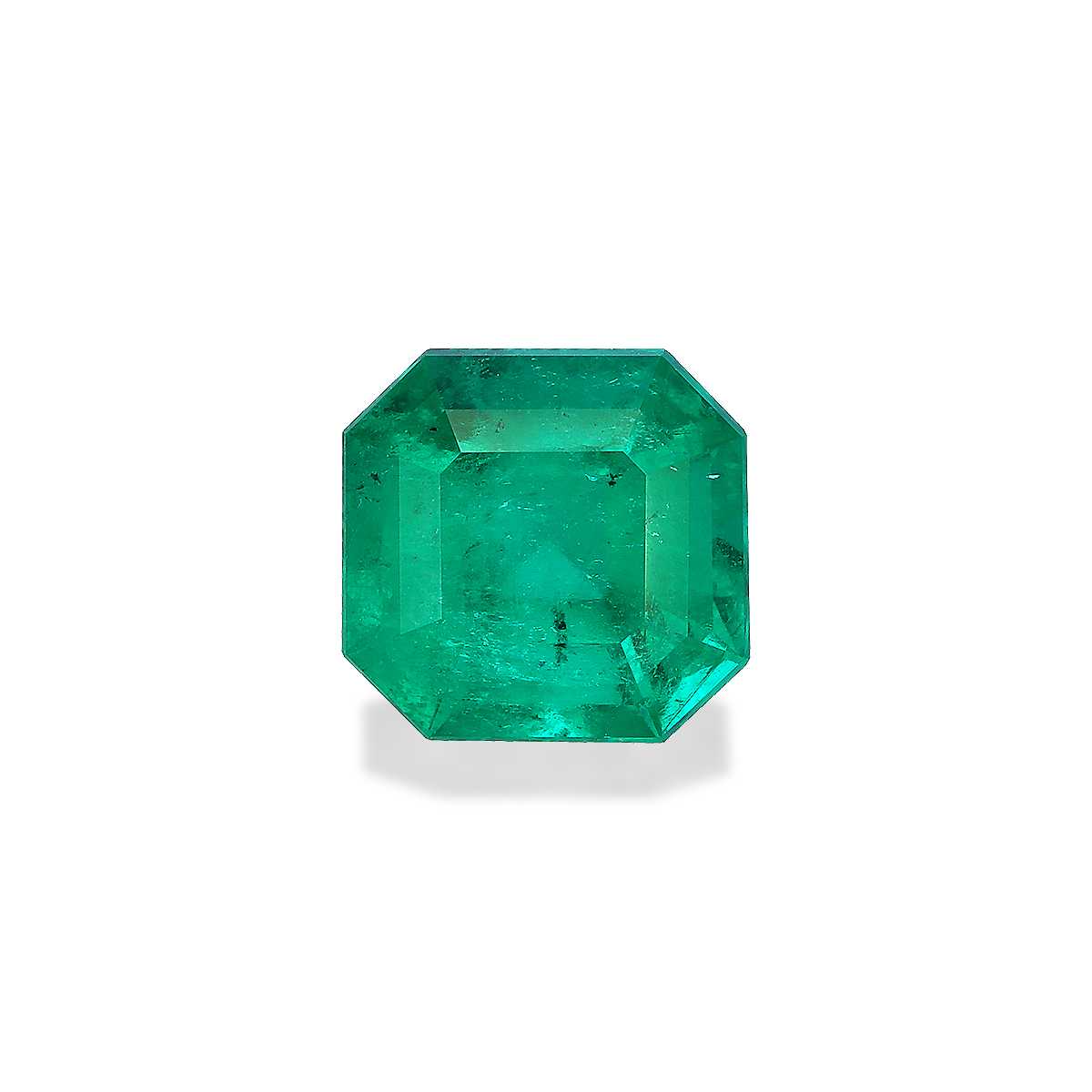
Clarity is another vital factor in emerald grading, as inclusions can significantly impact a stone's value. Traditional grading methods often rely on the grader's experience and judgment. However, machine learning tools can analyze images of emeralds, detecting and categorizing inclusions with high accuracy. This approach not only enhances clarity assessments but also provides a transparent grading process.
Image Analysis Techniques
- High-Resolution Imaging: Advanced imaging techniques capture detailed views of emeralds, serving as the basis for machine learning analysis.
- Inclusion Detection Algorithms: These algorithms can identify and classify various types of inclusions, offering a comprehensive clarity assessment.
- Consistency in Evaluation: The use of machine learning ensures that clarity assessments are consistent across different grading sessions.
Integrating Treatment History into Grading
Emerald treatment is a significant aspect of gemstone grading, as it can affect the value and desirability of the stone. Machine learning systems can incorporate treatment history into their grading models, analyzing the effects of treatments such as oiling or resin filling on an emerald's appearance. By understanding these influences, gemologists can provide a more nuanced grading report that reflects the true nature of the stone.
Future Prospects of Machine Learning in Gemology
The integration of machine learning into emerald grading practices is still in its early stages, but the potential for growth is immense. As technology continues to evolve, we can anticipate more sophisticated algorithms capable of handling complex grading scenarios. Furthermore, collaborations between gemological institutions and technology firms will likely enhance the development of machine learning tools tailored specifically for gemology.
As the industry embraces these advancements, it is essential for gemologists and collectors alike to stay informed about the implications of machine learning on grading practices. Understanding the technology behind these assessments can foster trust in the evaluations and ensure that emeralds are appreciated for their true value. For more insights, you can explore our article on gemstone appraisal or learn about the differences between Zambian emerald vs Colombian emerald. Additionally, for those interested in the grading process, the study on machine learning applied to emerald gemstone grading provides a comprehensive framework proposal and dataset.
You may also like
More reading from our journal.