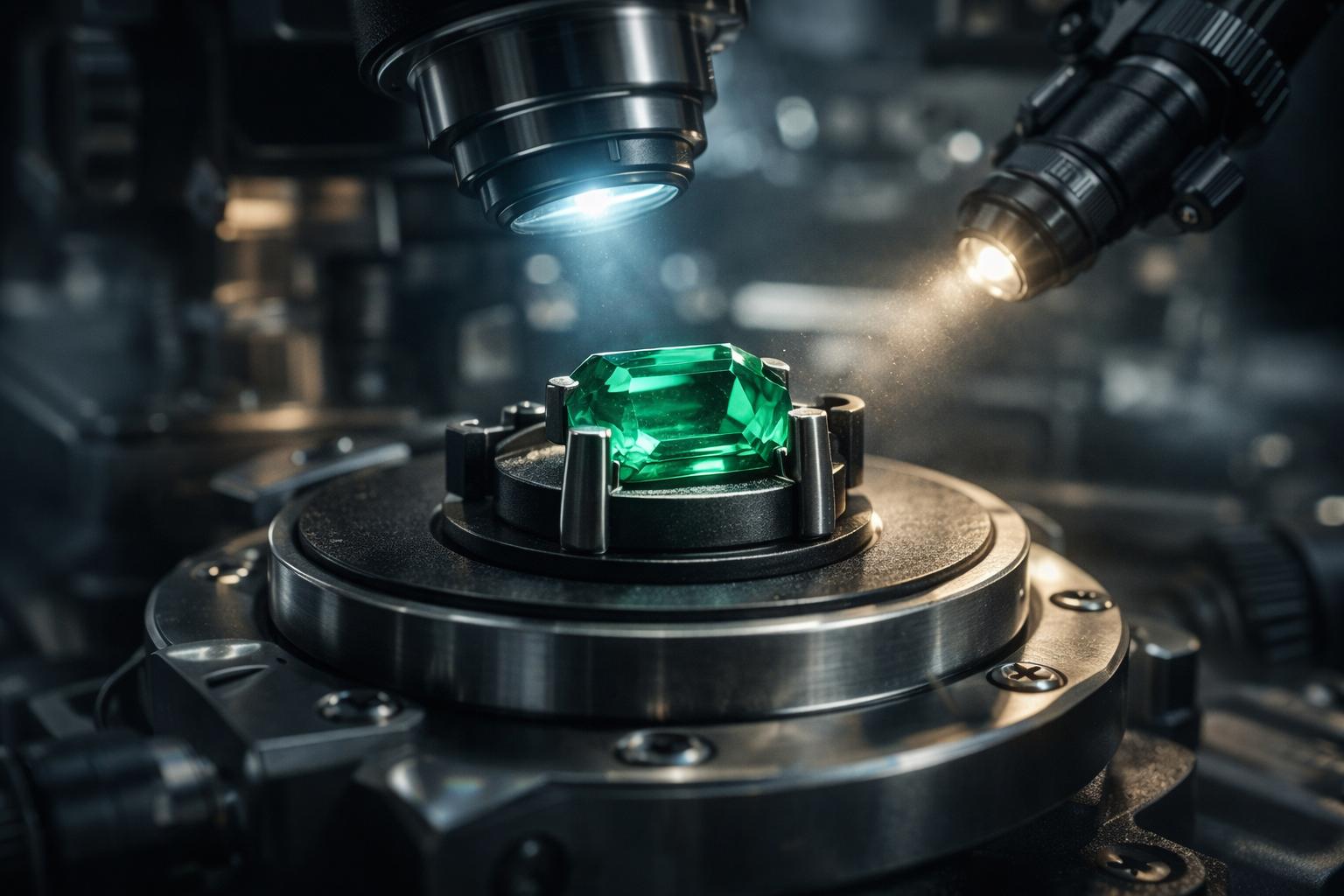
Machine Learning in Gemstone Grading
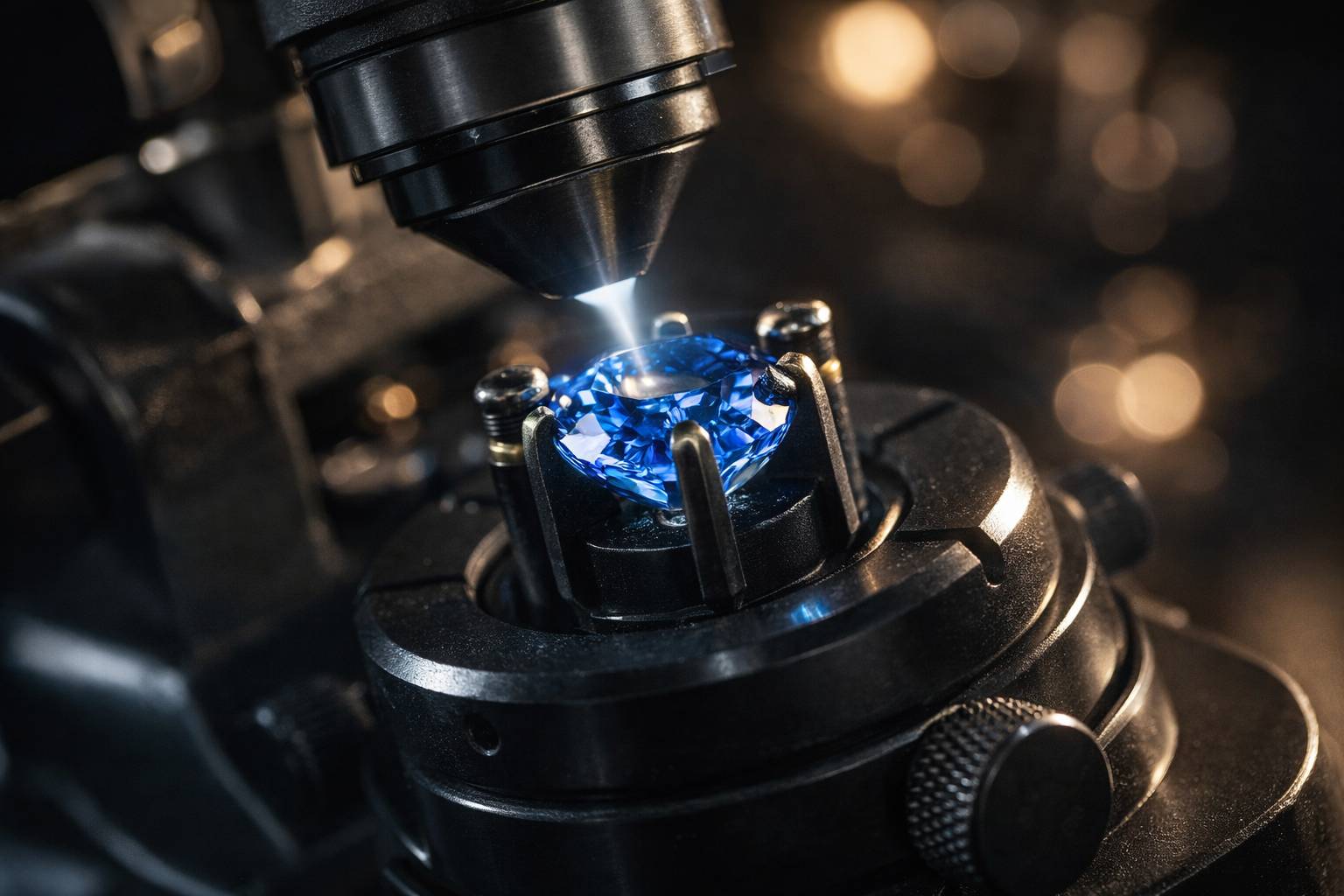
In the world of refined gemstone jewelry, the quest for precision and authenticity is paramount. As technology continues to evolve, the integration of innovative methodologies such as machine learning gemstone grading emerges as a transformative force. This advanced approach not only streamlines the grading process but also enhances the reliability of evaluations, particularly for coveted stones like emeralds.
Understanding Machine Learning in the Context of Gemstone Grading
Machine learning, a subset of artificial intelligence, involves the use of algorithms that allow computers to learn from and make predictions based on data. In gemstone grading, these algorithms can analyze various parameters such as color, clarity, cut, and carat weight, producing evaluations that are consistent and unbiased.
The Role of Machine Learning in Emerald Evaluation

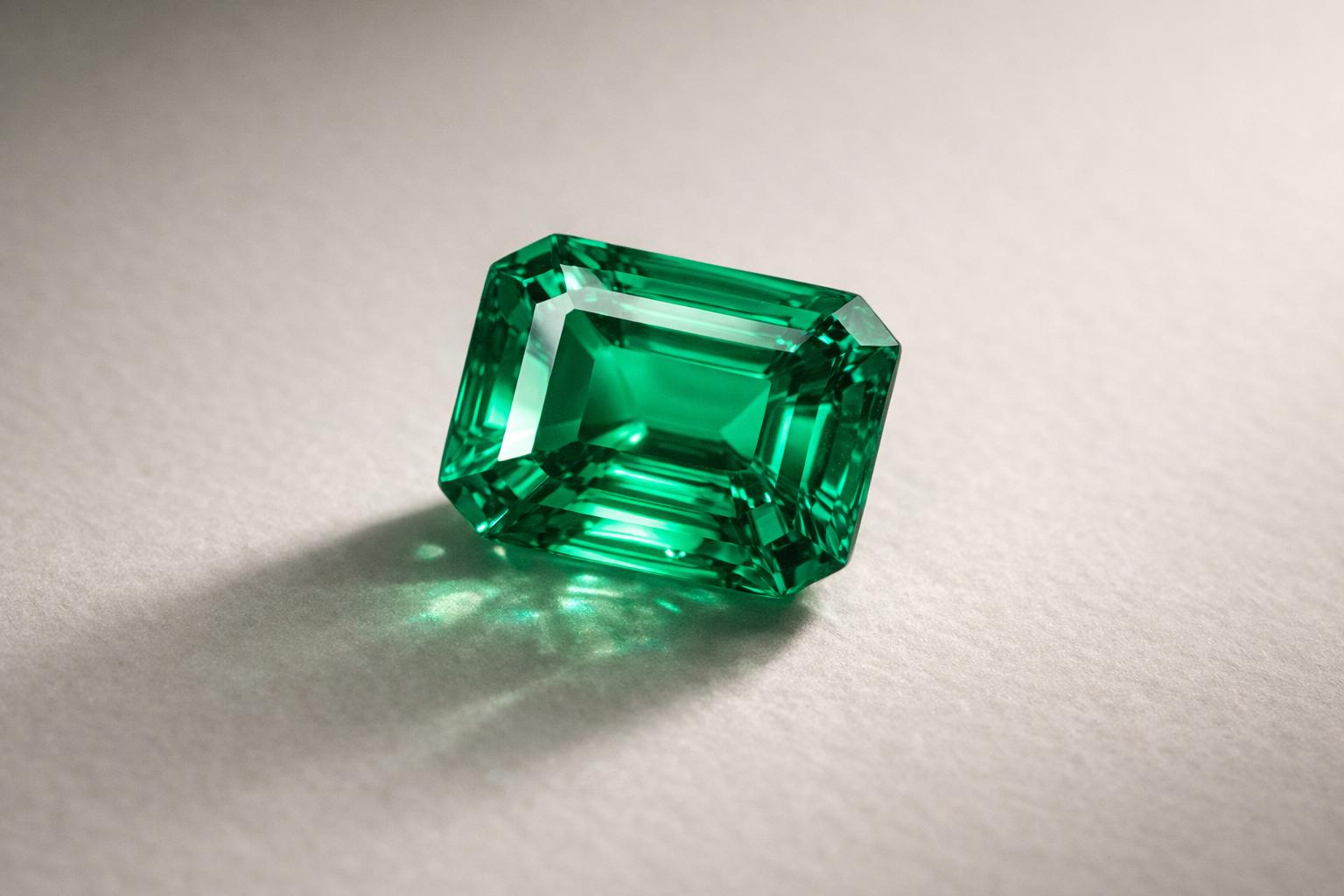
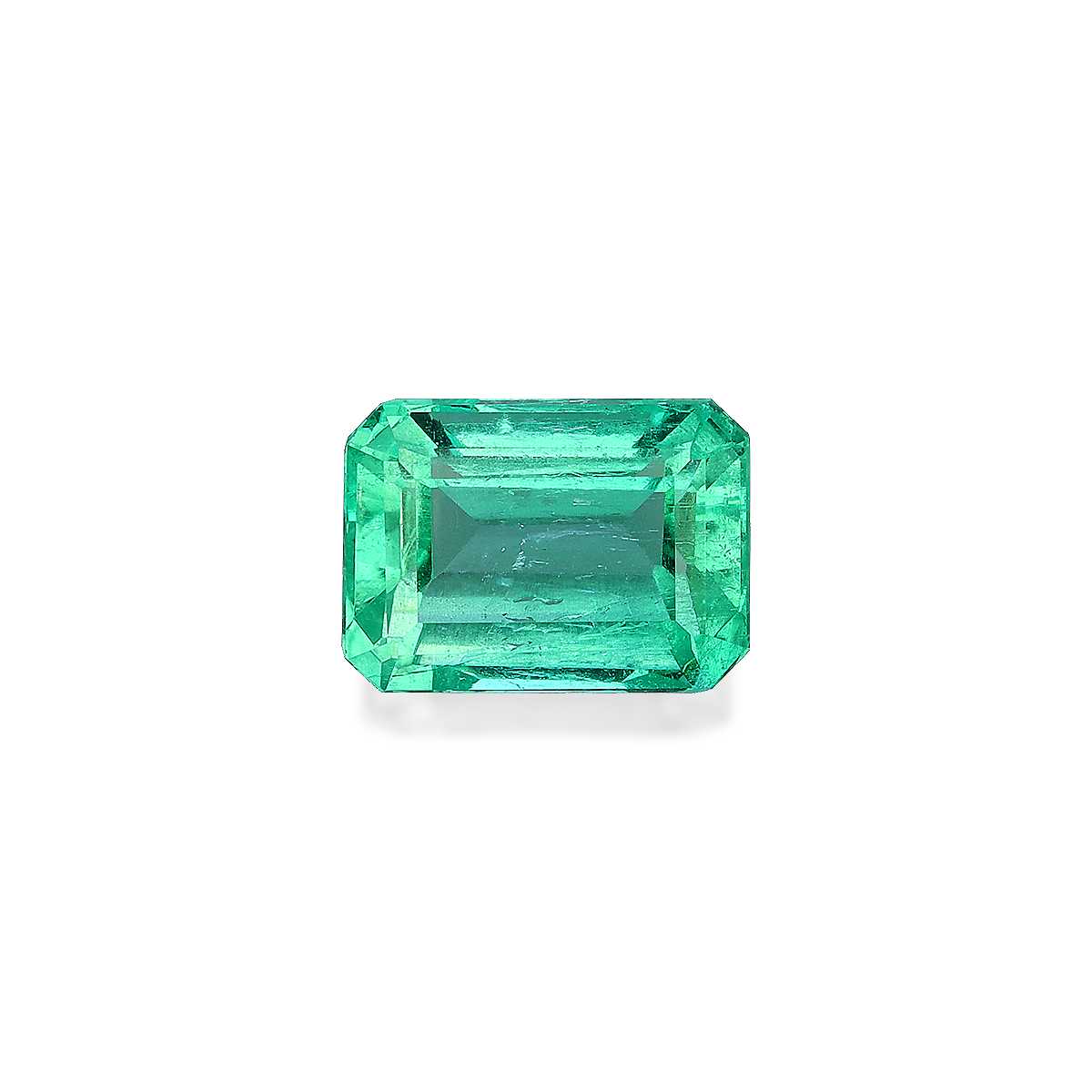
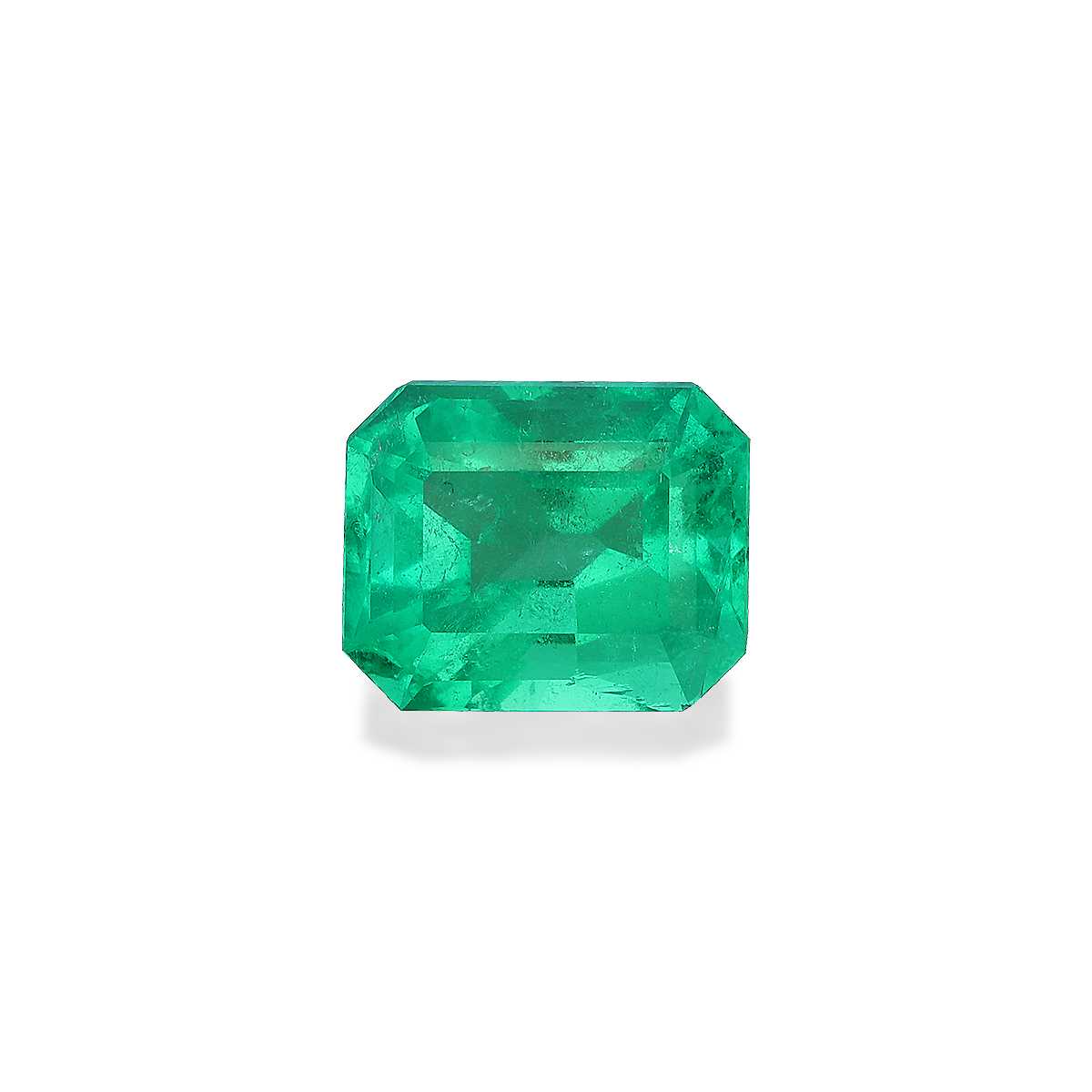
Emeralds, cherished for their vibrant green hues and rarity, have traditionally been assessed through expert knowledge and subjective judgment. The introduction of machine learning into emerald evaluation offers a new layer of objectivity. By training algorithms on thousands of emerald images and grading reports, machines can recognize patterns and characteristics indicative of quality.
Data Input and Algorithm Training
Data input is critical in the machine learning process. For emeralds, this includes high-resolution images and detailed reports from gemological laboratories. Various factors such as inclusions, color zoning, and treatment history are taken into account. By compiling extensive datasets, the algorithms become adept at differentiating between high-quality and lower-quality stones.
Benefits of Machine Learning in Gemstone Grading

- Consistency: Unlike human graders, machines do not tire or become biased over time, ensuring that evaluations remain consistent.
- Efficiency: Machine learning can process vast amounts of data far quicker than manual grading, allowing for expedited evaluations.
- Enhanced Accuracy: The algorithms can identify subtle characteristics that may escape even the most experienced gemologists.
More from Emerald



Challenges and Considerations
While the advantages are significant, the implementation of machine learning in gemstone grading is not without its challenges. One key concern is the reliance on the quality of the data used for training. Inaccurate or biased data can lead to flawed algorithm outputs. Furthermore, the role of human expertise remains irreplaceable; machines should complement, not replace, the nuanced understanding of seasoned gemologists.
Future Prospects of Machine Learning in Gemstone Grading
The future of machine learning in gemstone grading, particularly for emeralds and other gemstones, is promising. As technology progresses, we may see advancements such as real-time grading applications, where jewelers and gemologists can receive instant evaluations on-site. Additionally, the potential for integration with blockchain technology could enhance traceability and authenticity verification, further solidifying consumer trust.
Conclusion
The integration of machine learning gemstone grading into the gemstone evaluation process marks a significant step forward for the industry. By marrying advanced technology with traditional expertise, we can look forward to a future where gemstone grading is more precise, reliable, and accessible, all while preserving the artistry and beauty that defines fine jewelry. For further insights, consider exploring GIA's gemological research. Additionally, you can read more about machine learning emerald grading to understand its specific applications in emerald evaluation.
You may also like
More reading from our journal.