AI Gemstone Grading: A New Era in Precision
The integration of artificial intelligence (AI) into various fields has opened new avenues for improvement, and the gemstone industry is no exception. AI gemstone grading is transforming traditional practices, allowing for enhanced accuracy and consistency in the evaluation of gemstones. This evolution not only benefits gemologists but also impacts consumers seeking to understand the true value of their jewelry.
Understanding AI in Gemstone Grading

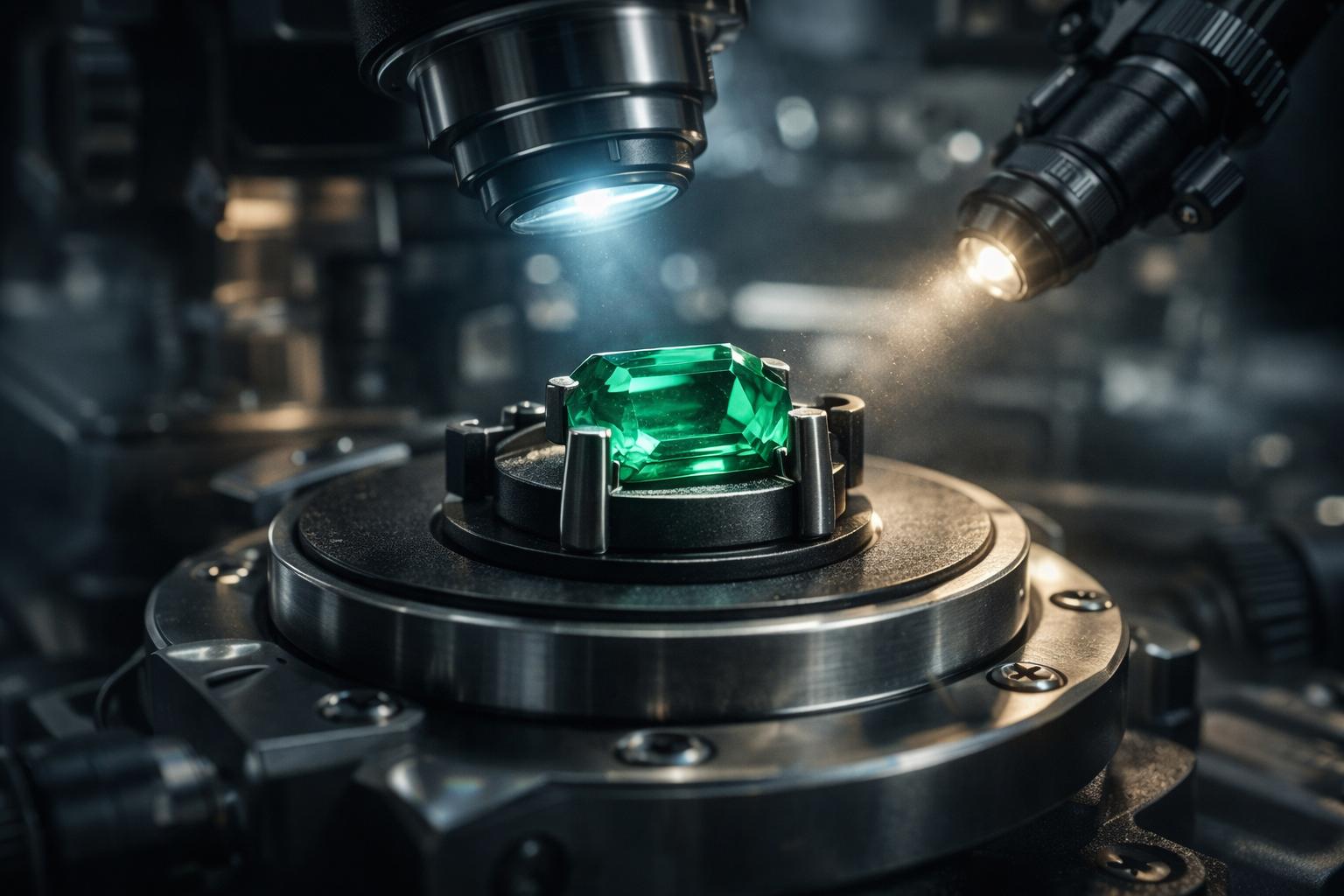
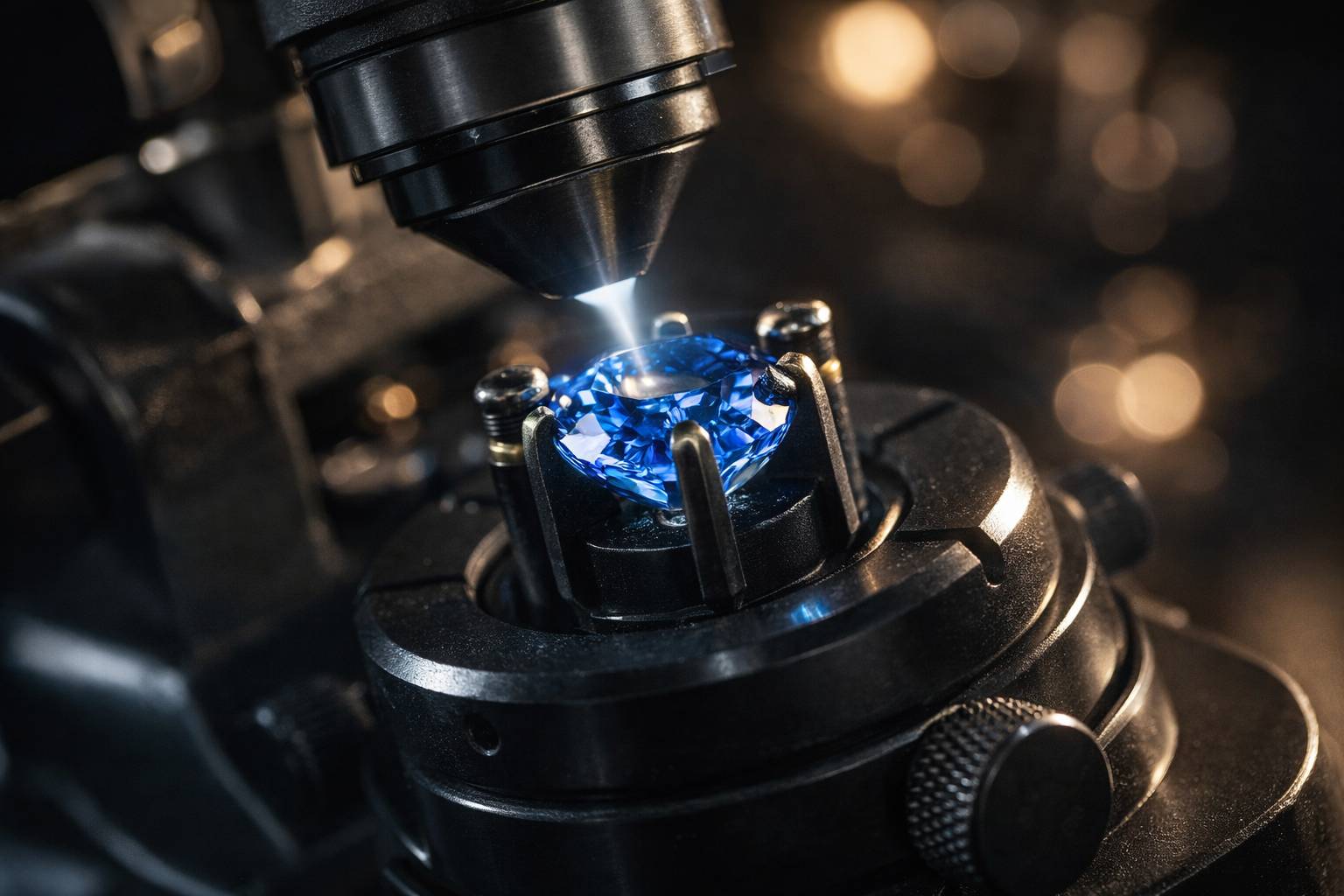
AI gemstone grading utilizes advanced algorithms and machine learning techniques to assess gemstones' characteristics, such as color, clarity, cut, and carat weight. These technologies analyze extensive datasets comprising images and grading reports, enabling machines to learn from historical grading decisions.
Benefits of AI Gemstone Grading
The advantages of adopting AI in gemstone grading are manifold:
- Increased Accuracy: AI systems can significantly reduce human error by providing consistent evaluations based on data-driven insights.
- Efficiency: Automated grading processes can expedite evaluations, allowing for quicker turnarounds in gemstone certifications.
- Cost-Effectiveness: By minimizing labor-intensive grading tasks, AI technology can lower operational costs for gemological laboratories.
Explore our gemstones







AI vs. Traditional Grading Methods
Traditional grading methods often rely on the subjective judgment of gemologists, which can vary from one expert to another. In contrast, AI gemstone grading employs a standardized approach, ensuring uniformity in assessments. This shift is particularly vital in an industry where trust and transparency are paramount.
Training AI Systems
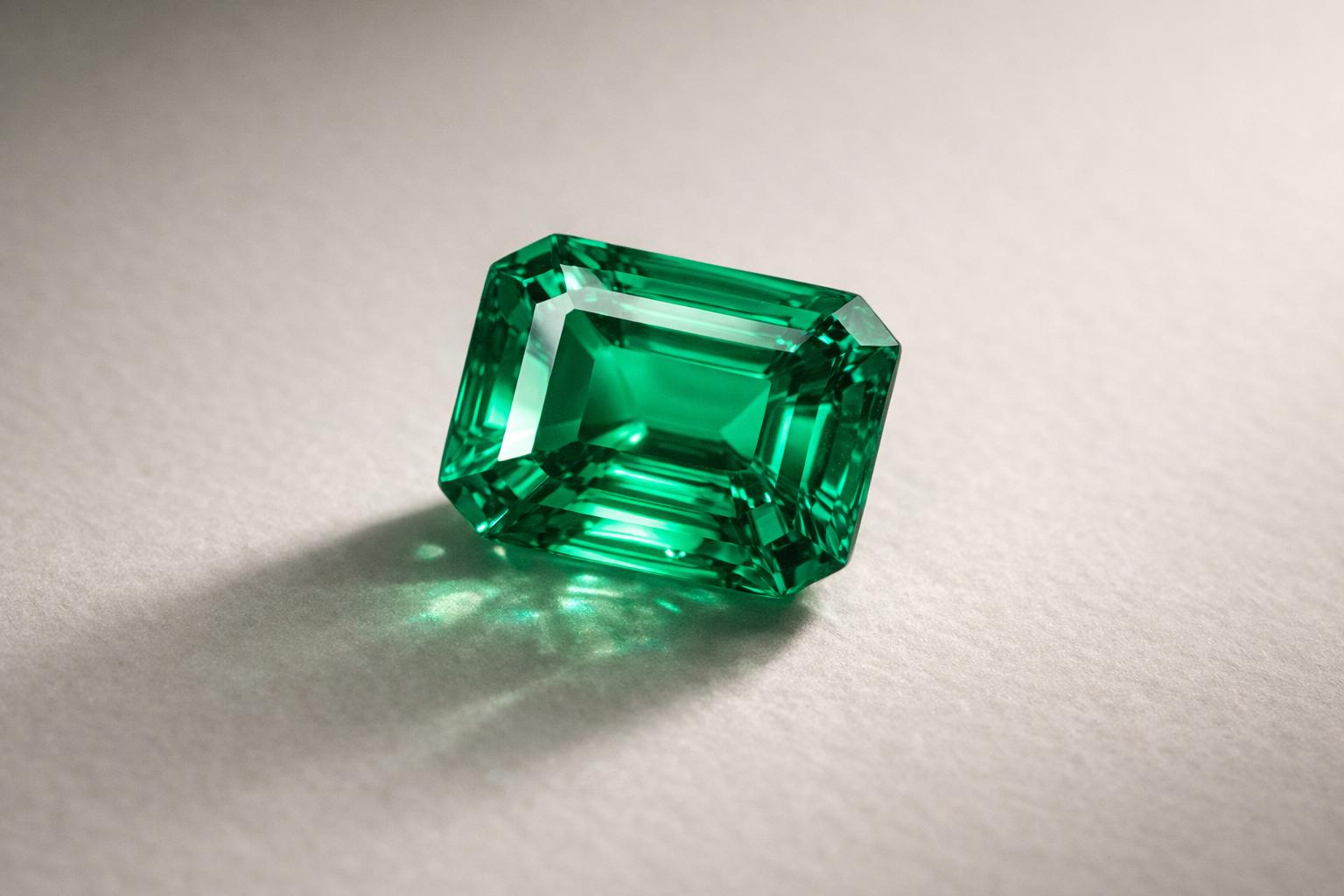
To achieve reliable outcomes, AI systems undergo rigorous training with a diverse range of gemstones, including blue sapphires, emeralds, and diamonds. This training involves analyzing thousands of images and corresponding grading reports, enabling the system to identify patterns and make precise evaluations.
Challenges in Implementing AI
While the benefits of AI gemstone grading are clear, there are challenges to its adoption:
- Data Quality: The accuracy of AI assessments heavily relies on the quality and comprehensiveness of the training data.
- Cost of Technology: Initial investment in AI technology and infrastructure can be significant, posing a barrier for smaller gemological labs.
The Future of AI in Gemology

As AI technology continues to advance, its role in gemstone grading is expected to grow. Innovations such as enhanced imaging techniques and improved algorithms will further refine the grading process. This evolution will not only provide gemologists with powerful tools but also empower consumers with greater confidence in their purchases.
Conclusion
The application of AI in gemstone grading marks a significant shift towards precision and reliability in the industry. As we embrace these advancements, the marriage of technology and tradition will undoubtedly enhance our understanding and appreciation of these precious stones. For more insights on gemstones, check out our article on choosing the right gemstone or explore the vintage gemstone rings that highlight the beauty of these natural wonders. Additionally, you can learn about the technological advancements in grading through this external study.
You may also like
More reading from our journal.