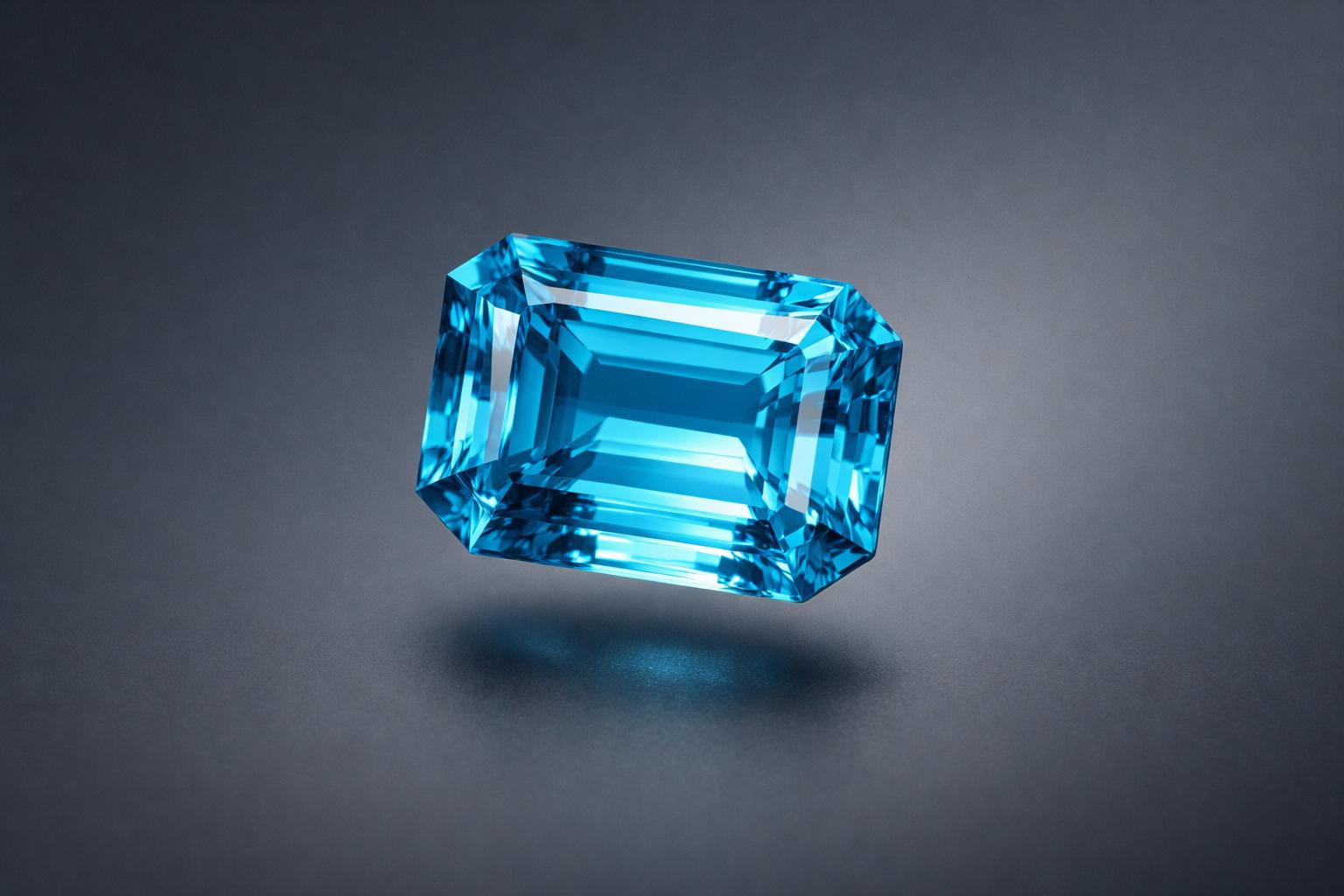
Understanding Blue Tourmaline Value
Blue tourmaline, renowned for its vibrant hues and unique properties, captivates gemstone enthusiasts and collectors alike. Understanding the various quality factors that contribute to its value is essential for anyone looking to invest in this exquisite stone. The blue tourmaline value guide will clarify these determinants, enabling informed decisions when purchasing this captivating gemstone.
Color: The Heart of Blue Tourmaline
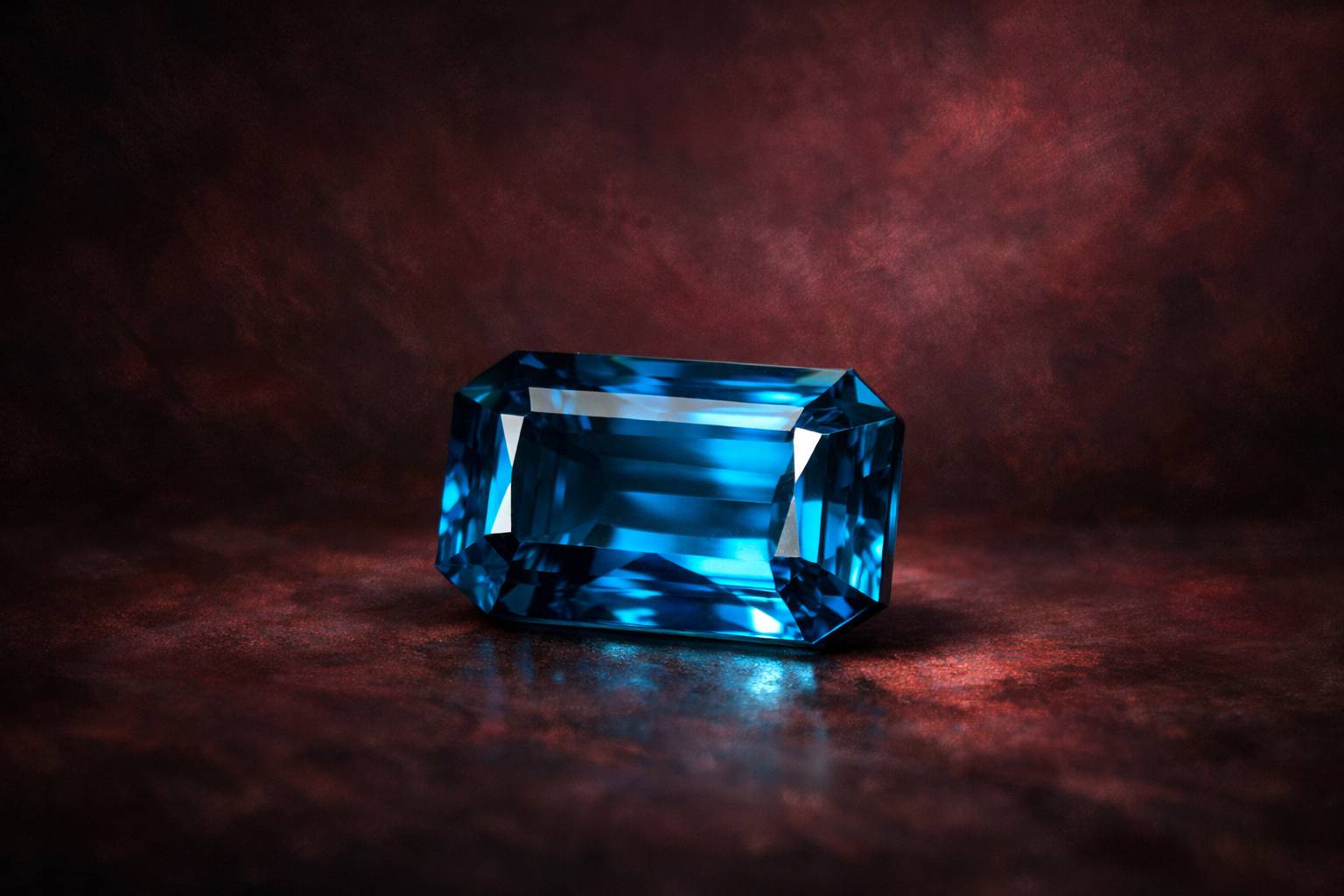
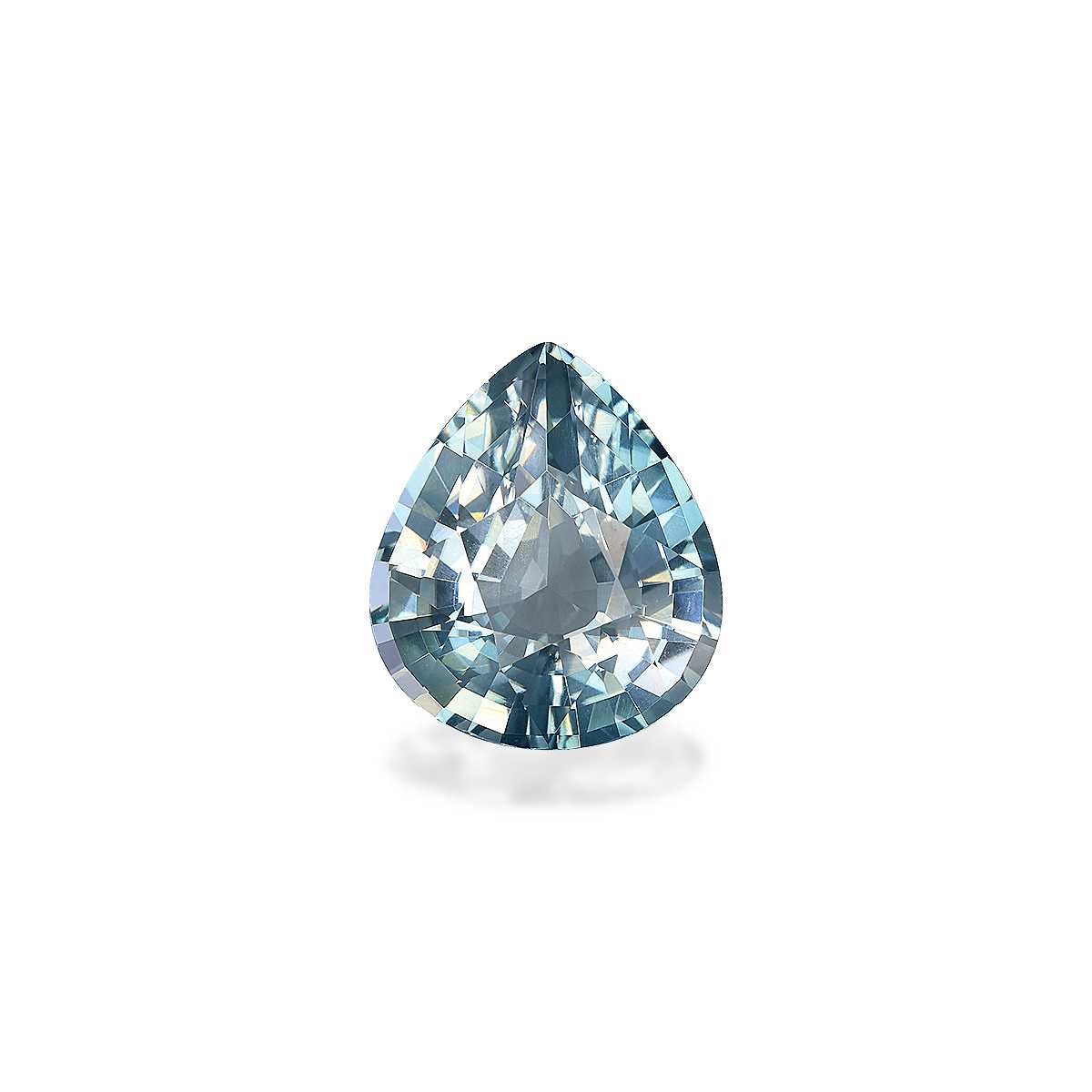
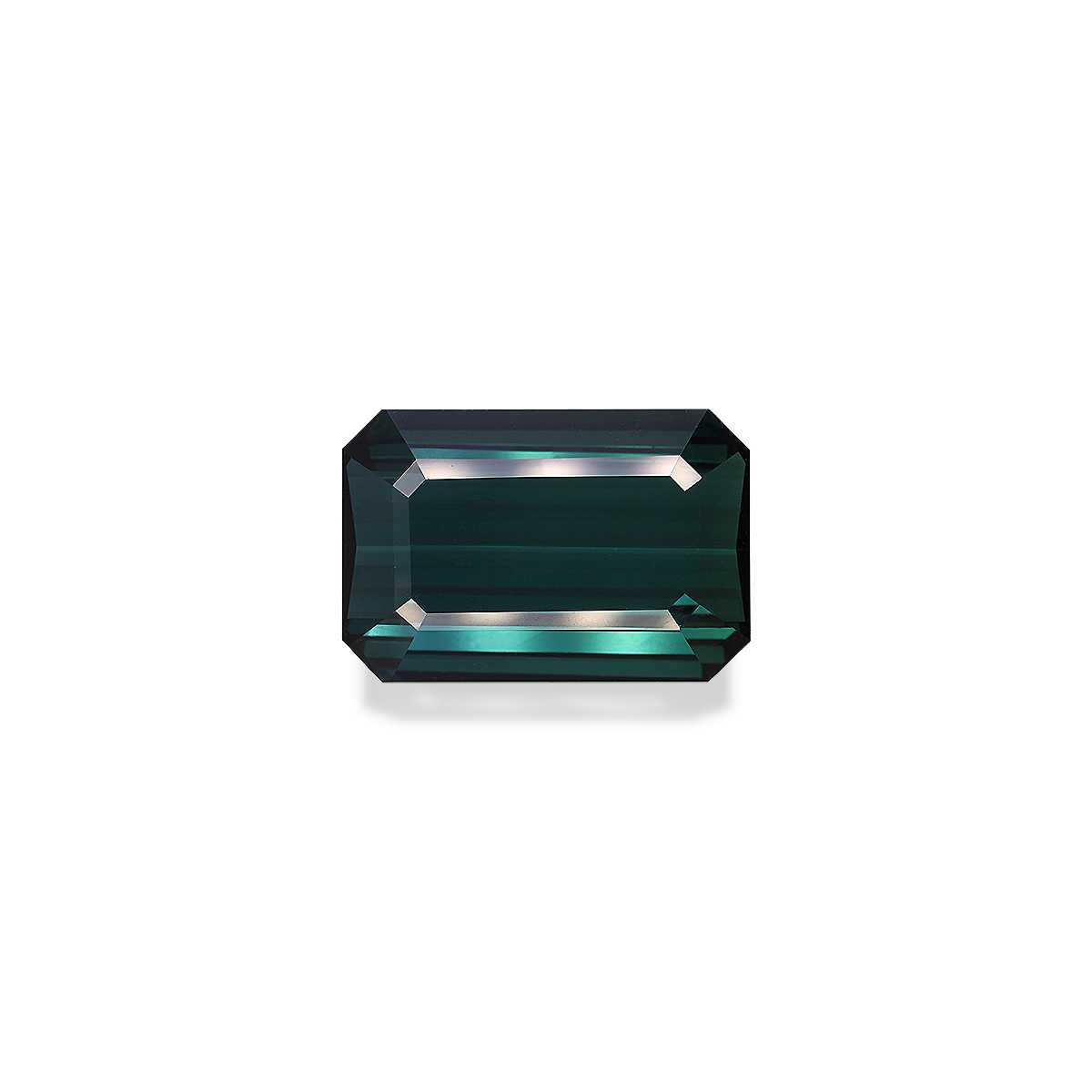
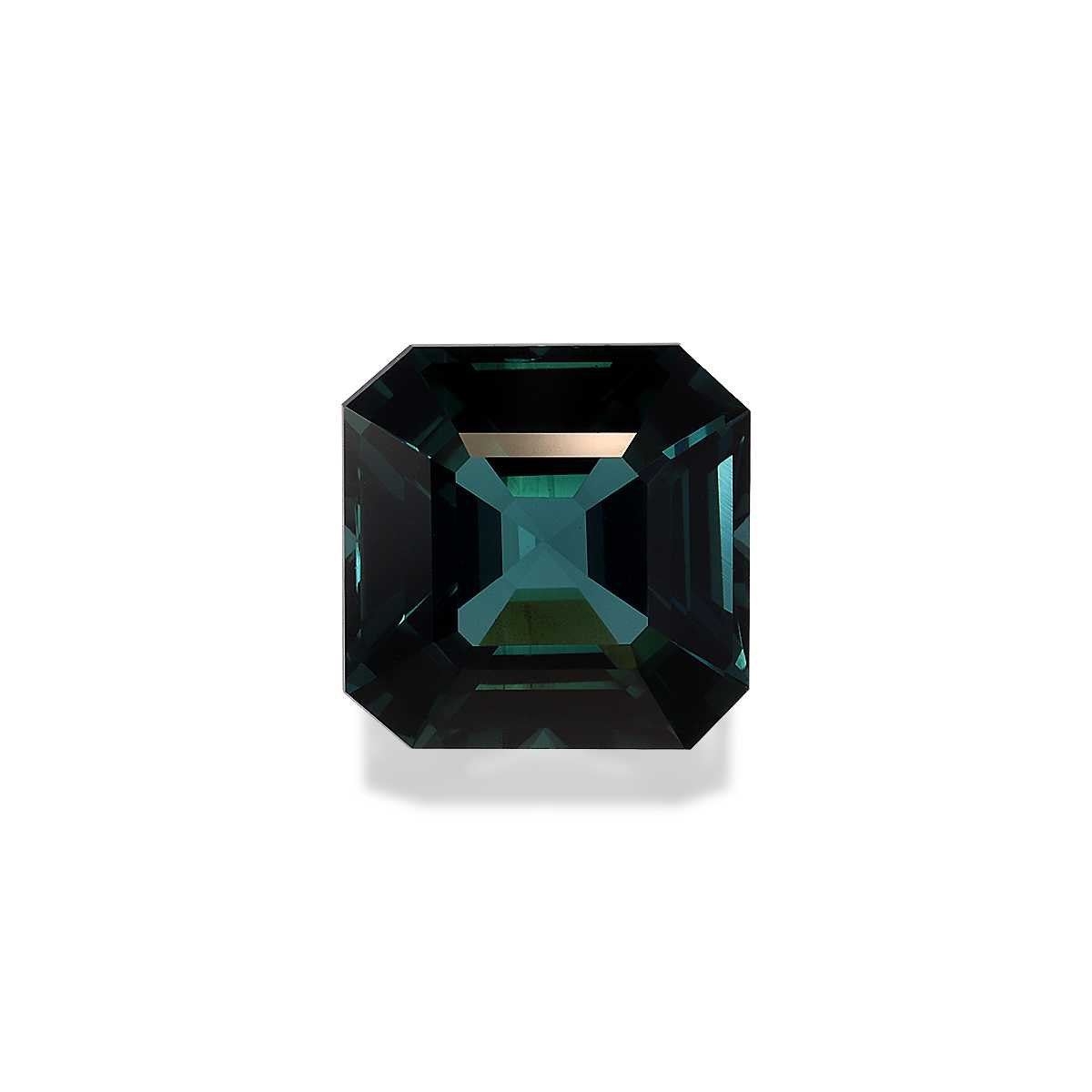
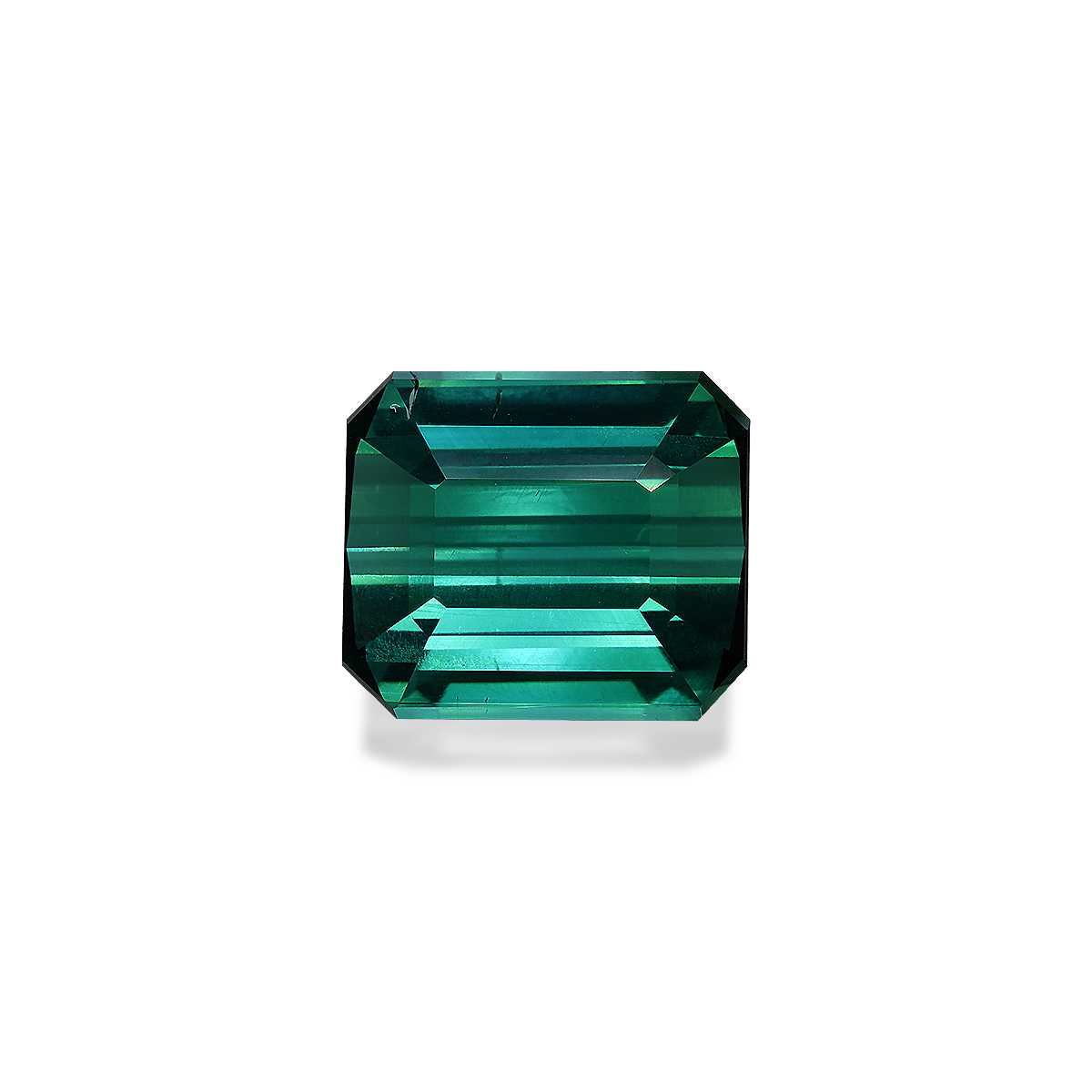
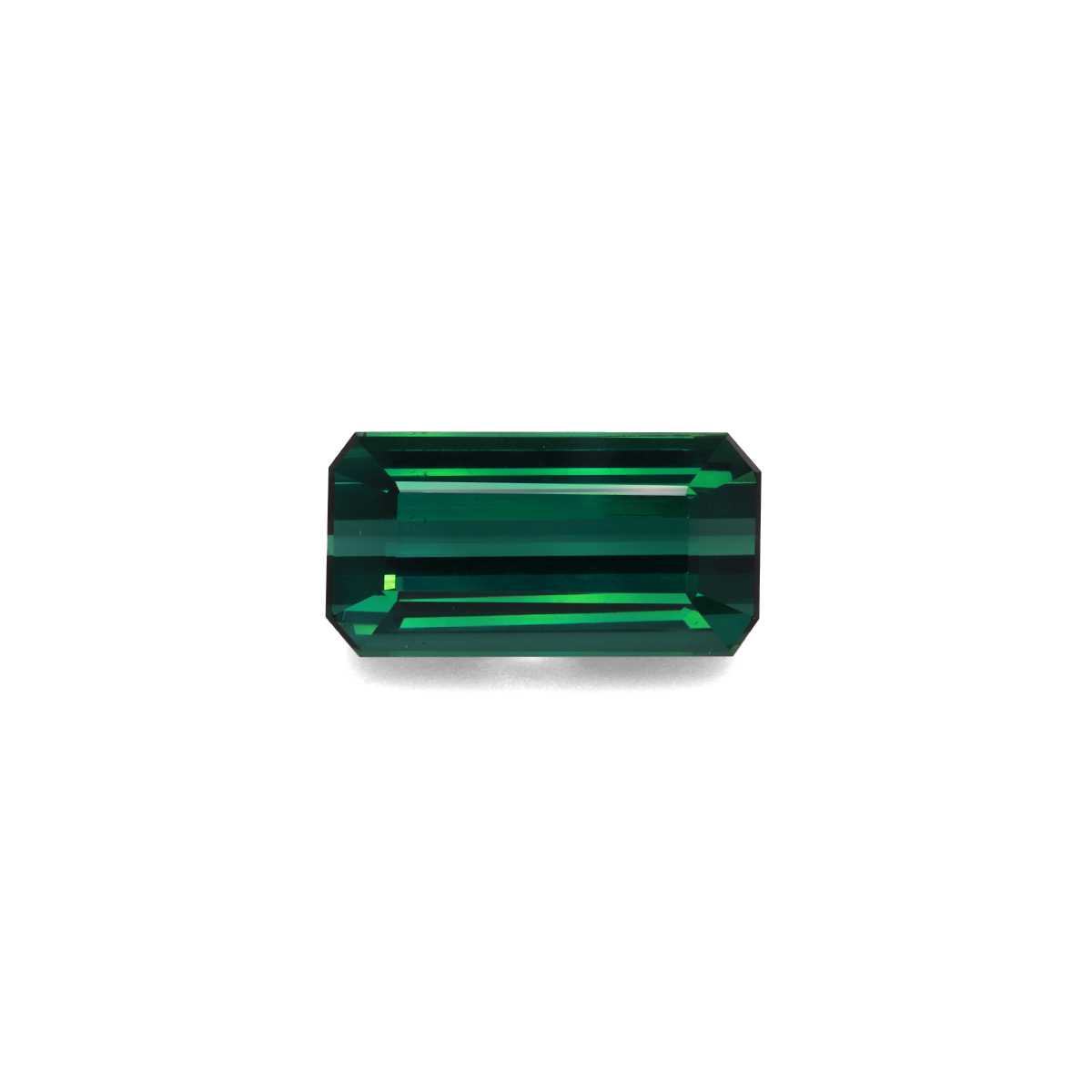
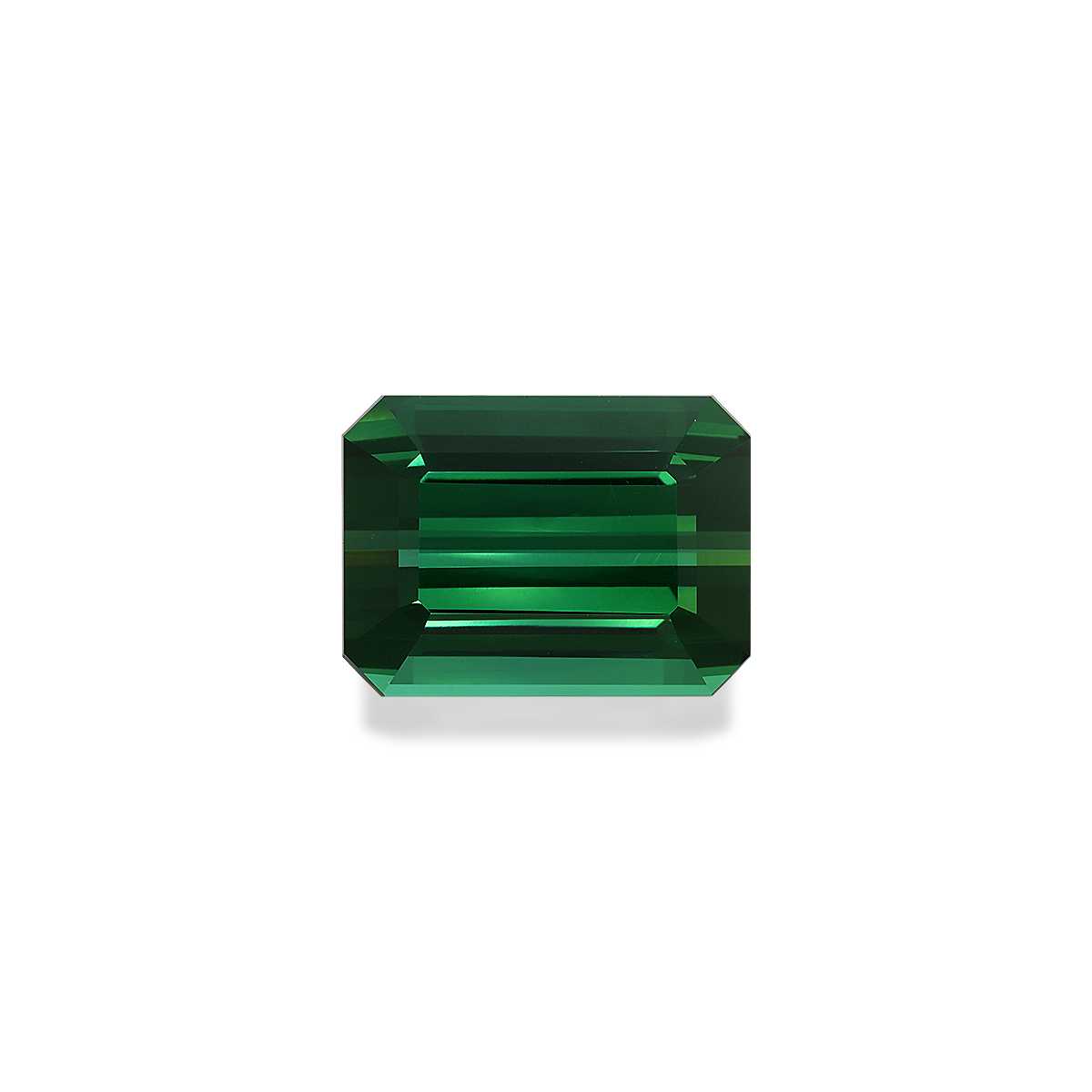
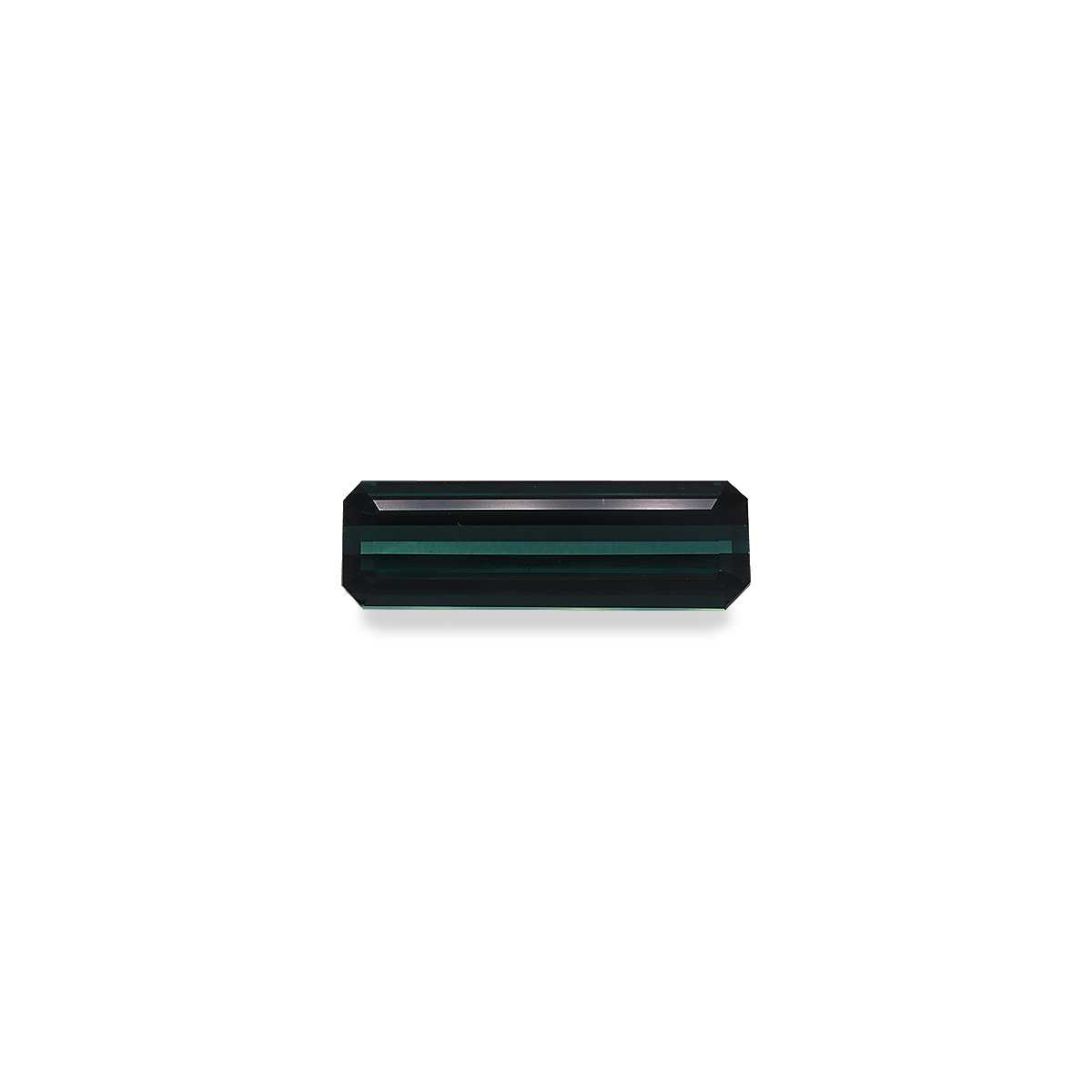
The color of blue tourmaline is arguably its most significant value determinant. The most sought-after shades are intense, vivid blues, often referred to as indicolite. Variations in color can arise based on the geographical origin of the stone, with notable sources including Mozambique, Nigeria, and the Congo.
Within the spectrum of blue, the presence of green or gray undertones can diminish value. Therefore, a pure, deep blue tourmaline will generally command a higher price. Additionally, the saturation and evenness of the color throughout the stone also play a vital role in assessing its overall worth.
Clarity: Assessing the Jewel's Purity
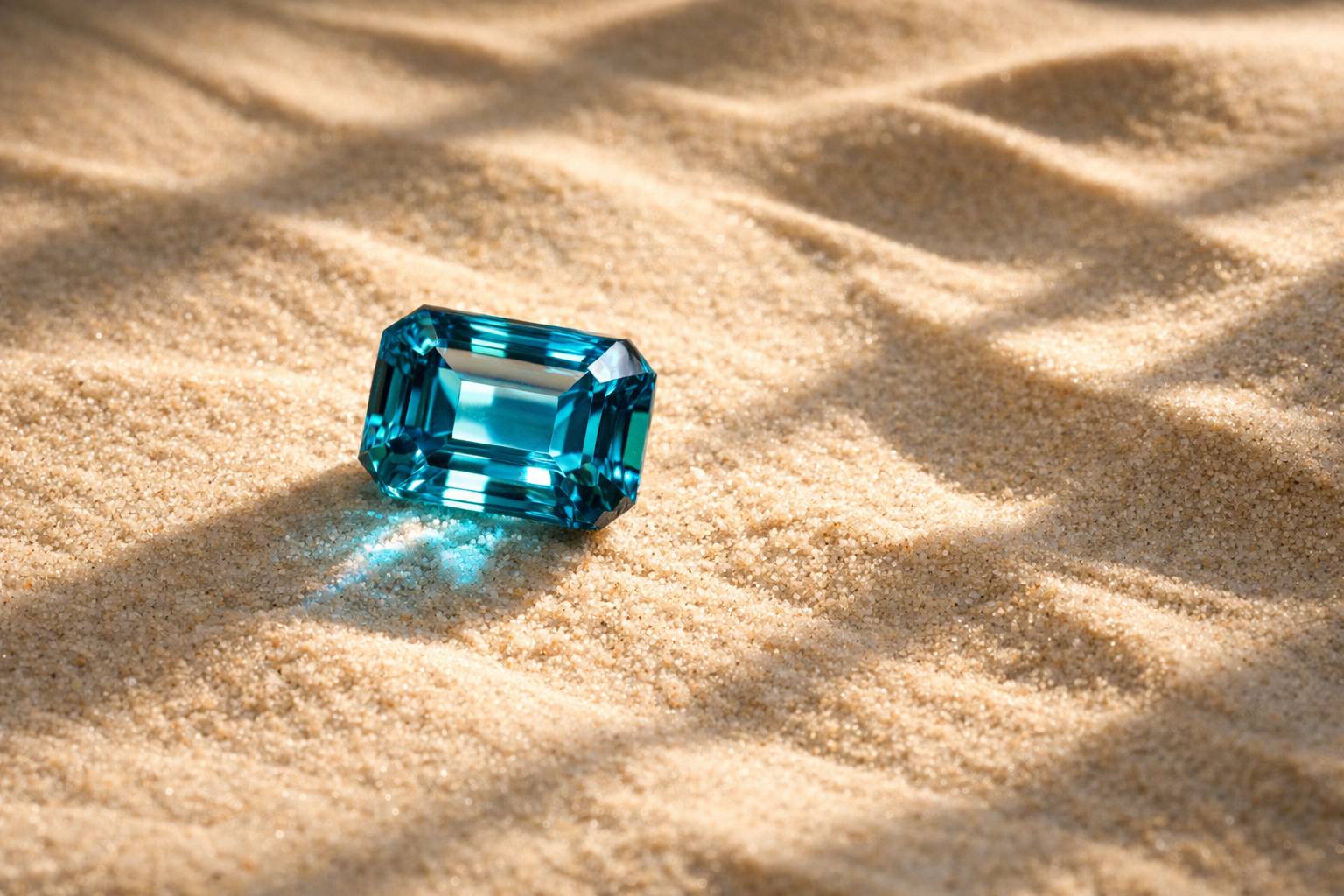
Clarity refers to the presence of inclusions or blemishes within the gemstone. Blue tourmalines can exhibit a range of clarity grades, from internally flawless (IF) to very very slight inclusions (VVS), very slight inclusions (VS), and even those with visible inclusions classified as SI-2.
Stones with higher clarity tend to be more desirable and, consequently, more valuable. A flawless or nearly flawless blue tourmaline will not only enhance the aesthetic appeal but also significantly impact its market price.
Cut: Enhancing the Gemstone’s Brilliance
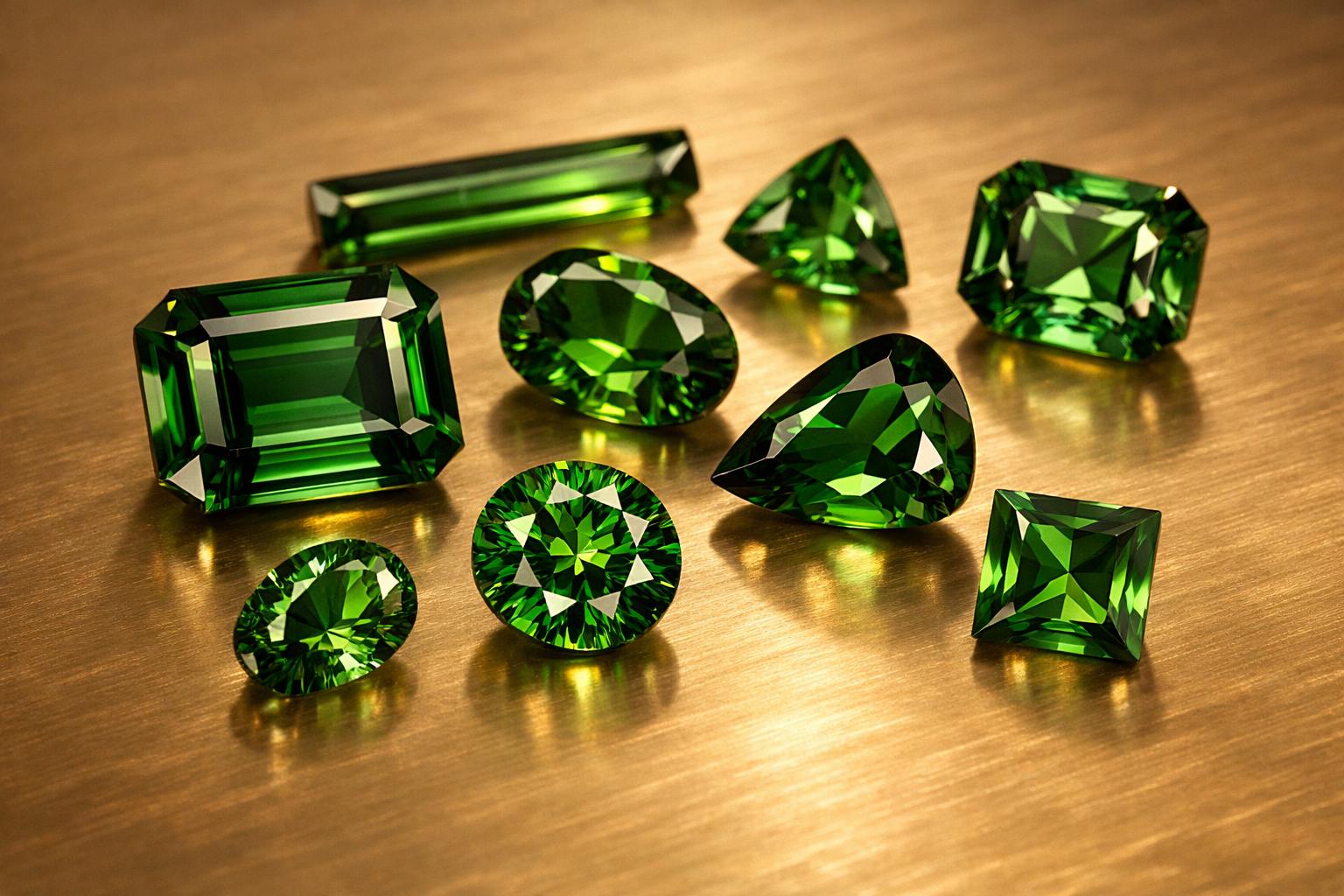
The cut of a blue tourmaline influences how well it reflects light and showcases its color. A well-executed cut can make even a lower-quality stone appear more vibrant. Common cuts for blue tourmaline include oval, cushion, and round, each offering different visual characteristics.
Expert craftsmanship in the cutting process enhances the stone's brilliance, clarity, and color depth, thereby increasing its overall value. A poorly cut blue tourmaline, regardless of color or clarity, may not present its full potential, leading to a lower price point.
More from Blue Tourmaline
Origin: The Source Matters
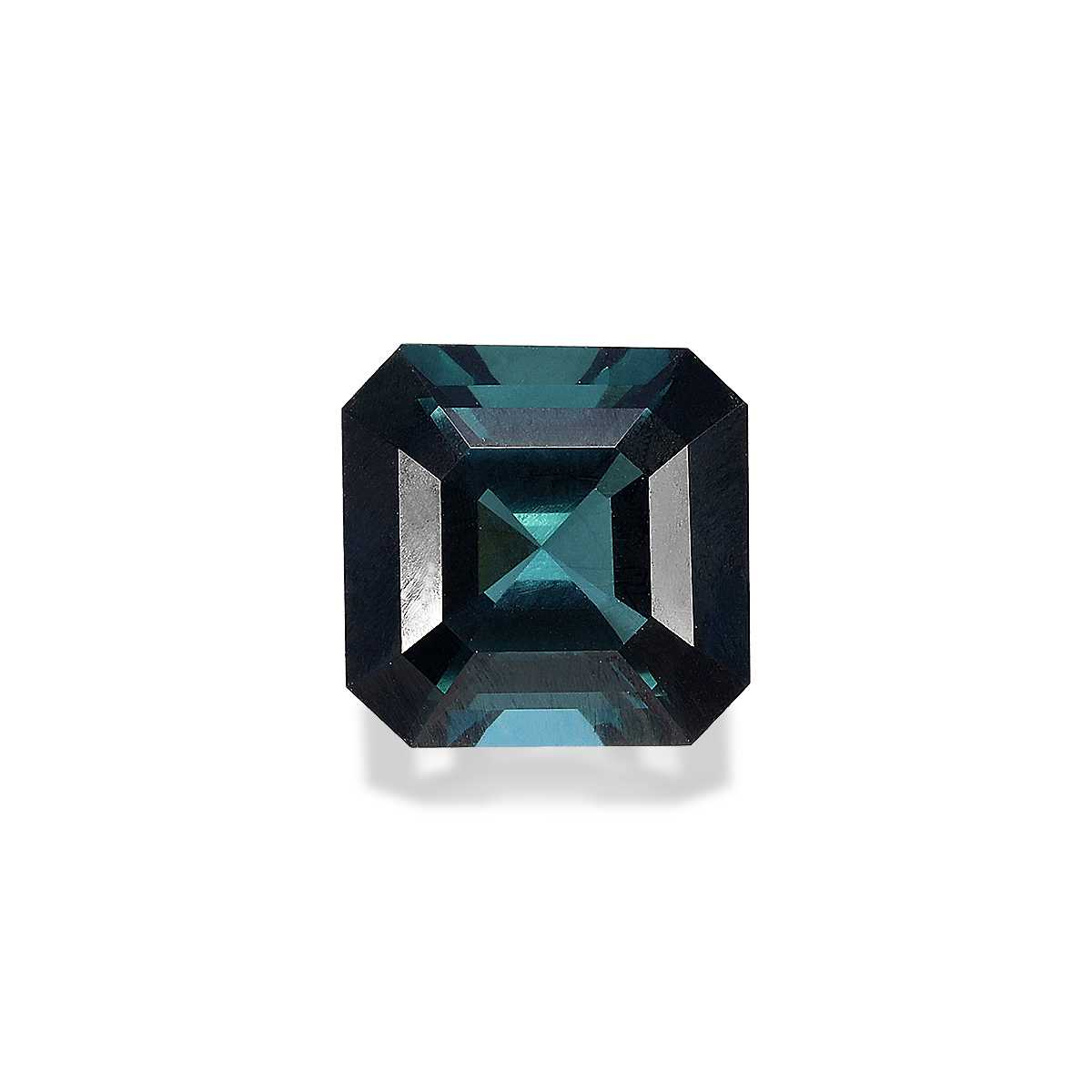
The geographical origin of blue tourmaline can significantly affect its market value. For instance, stones from Mozambique are highly valued for their rich color and clarity, while those from Nigeria may present unique shades and characteristics that appeal to specific collectors. The rarity of certain origins can also elevate value; for example, blue tourmalines from specific mines in Africa may be considered more desirable due to their limited availability.
In addition to the source, the mining practices and ethical considerations surrounding the extraction of these gemstones can also play a role in determining their value. Sustainable and responsible sourcing often appeals to conscious consumers, further influencing market dynamics.
Treatments: The Influence of Enhancement
Understanding whether a blue tourmaline has been treated is crucial for assessing its value. Natural, unheated stones are typically more valuable than those that have undergone treatments, such as heating, which aims to enhance color and clarity.
While heated blue tourmalines can still be beautiful and desirable, they may not hold the same market value as their unheated counterparts. Buyers seeking authenticity and natural beauty often prefer untreated stones, which can command a premium price.
Market Trends: The Evolving Landscape of Blue Tourmaline
The gemstone market is dynamic, with trends influencing the value of blue tourmaline. As tastes shift and new sources are discovered, the demand for specific qualities can fluctuate. Staying informed about current market trends and preferences can aid collectors and investors in making astute decisions regarding their purchases.
Overall, the combination of color, clarity, cut, origin, and treatment are integral to understanding the value of blue tourmaline. By appreciating these factors, you can navigate the gemstone market with confidence and make informed choices. For more insights, check out our chrome tourmaline value guide and learn about the Tourmaline Buying Guide for additional information on this fascinating gemstone.
You may also like
More reading from our journal.