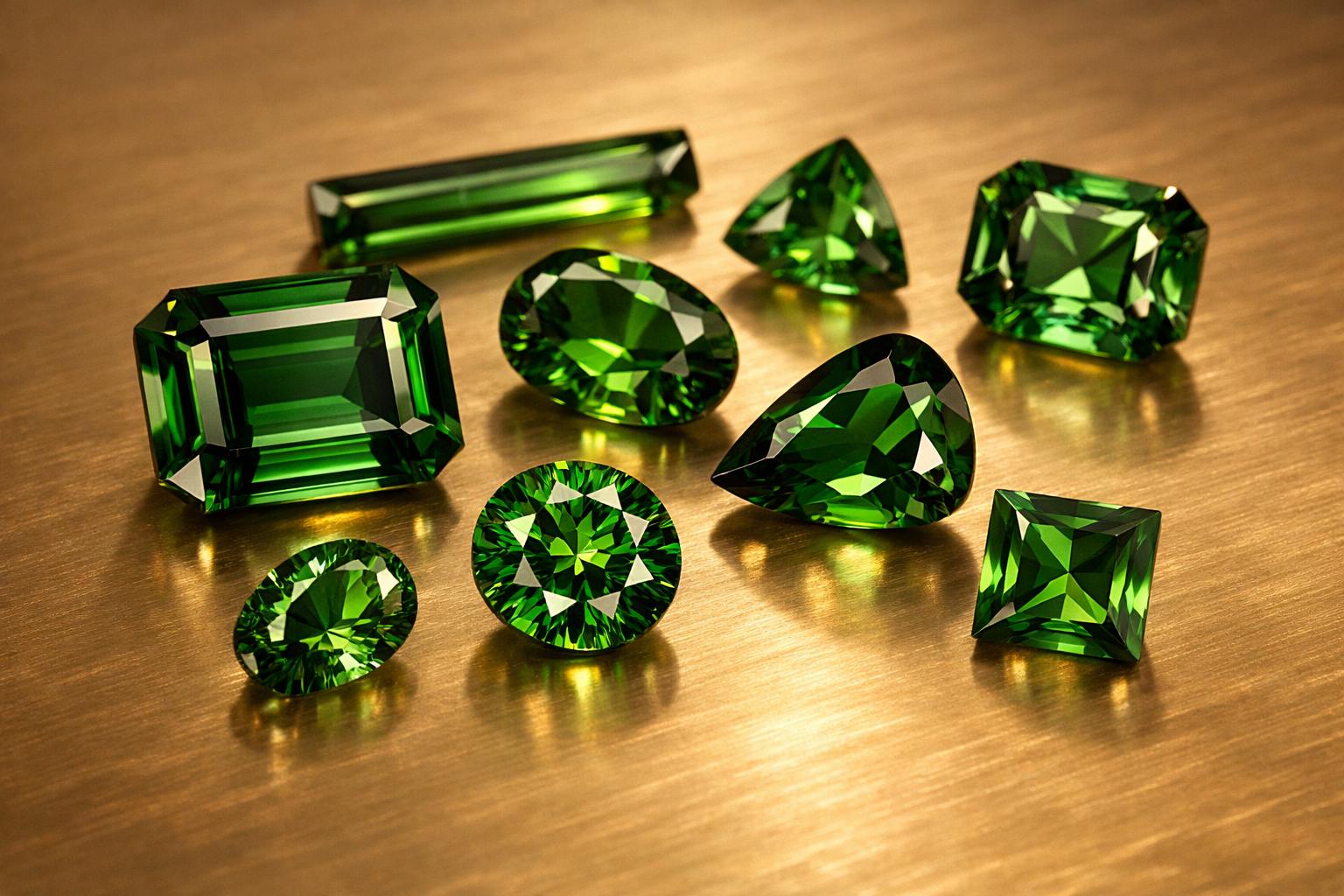
Green Tourmaline Buying Guide: Essential Insights
Green tourmaline is an exquisite gemstone, renowned for its vibrant hues and captivating presence in fine jewelry. As you navigate your journey of acquiring this remarkable stone, understanding the nuances of its quality, including color, clarity, origin, treatment, and value, is essential. This green tourmaline buying guide aims to provide a refined perspective on these factors, ensuring that your selection is both informed and satisfying.
Understanding Color in Green Tourmaline
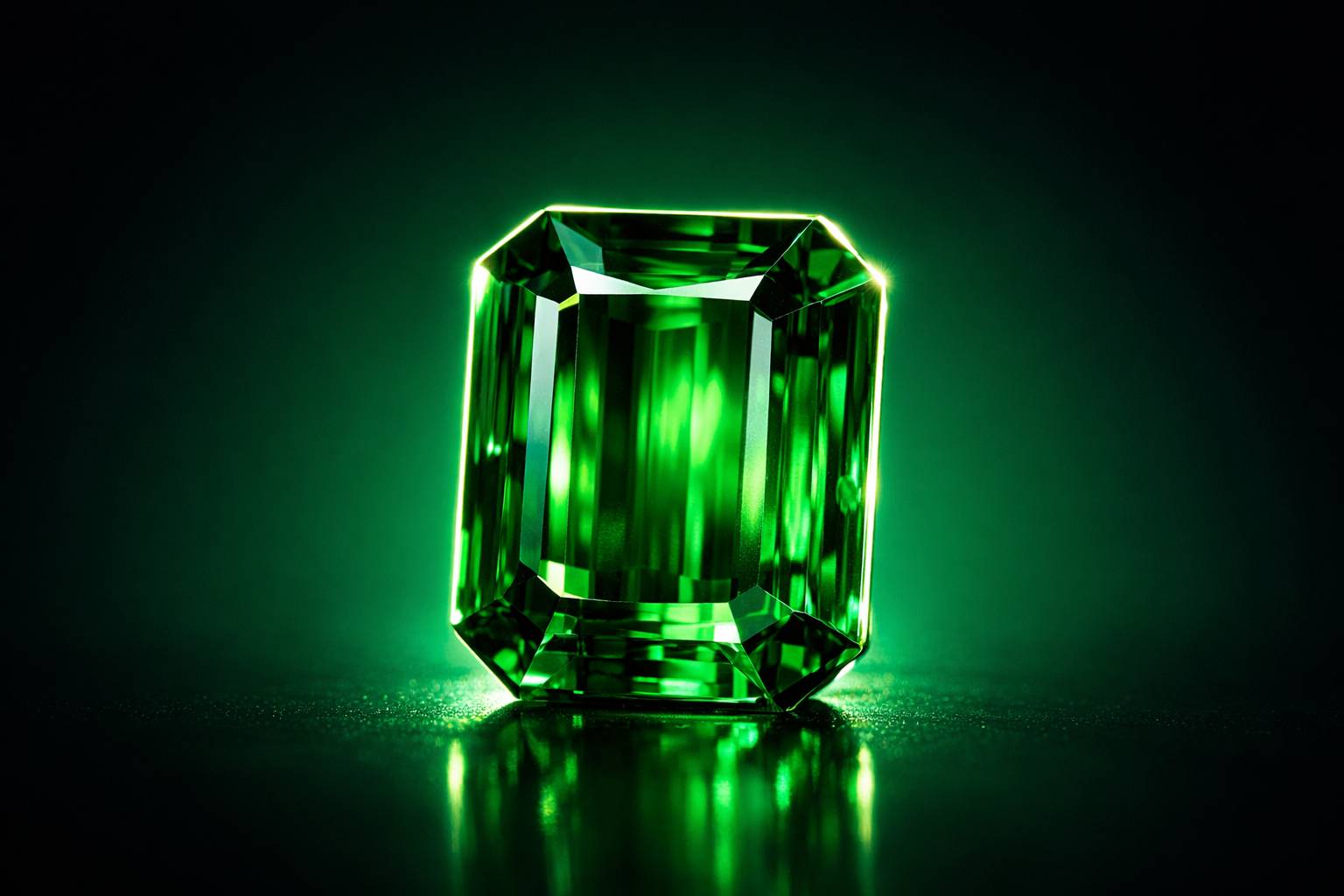
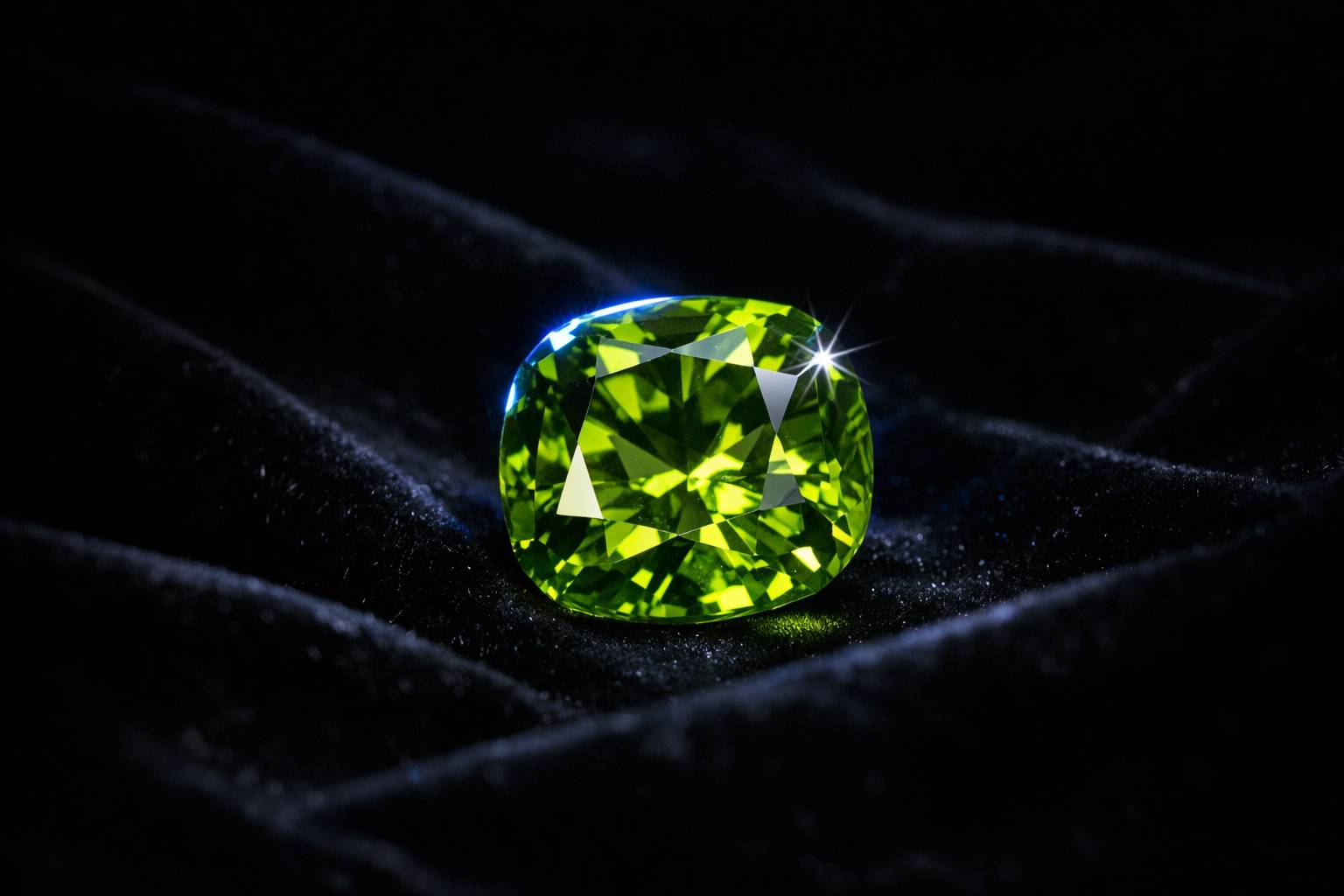
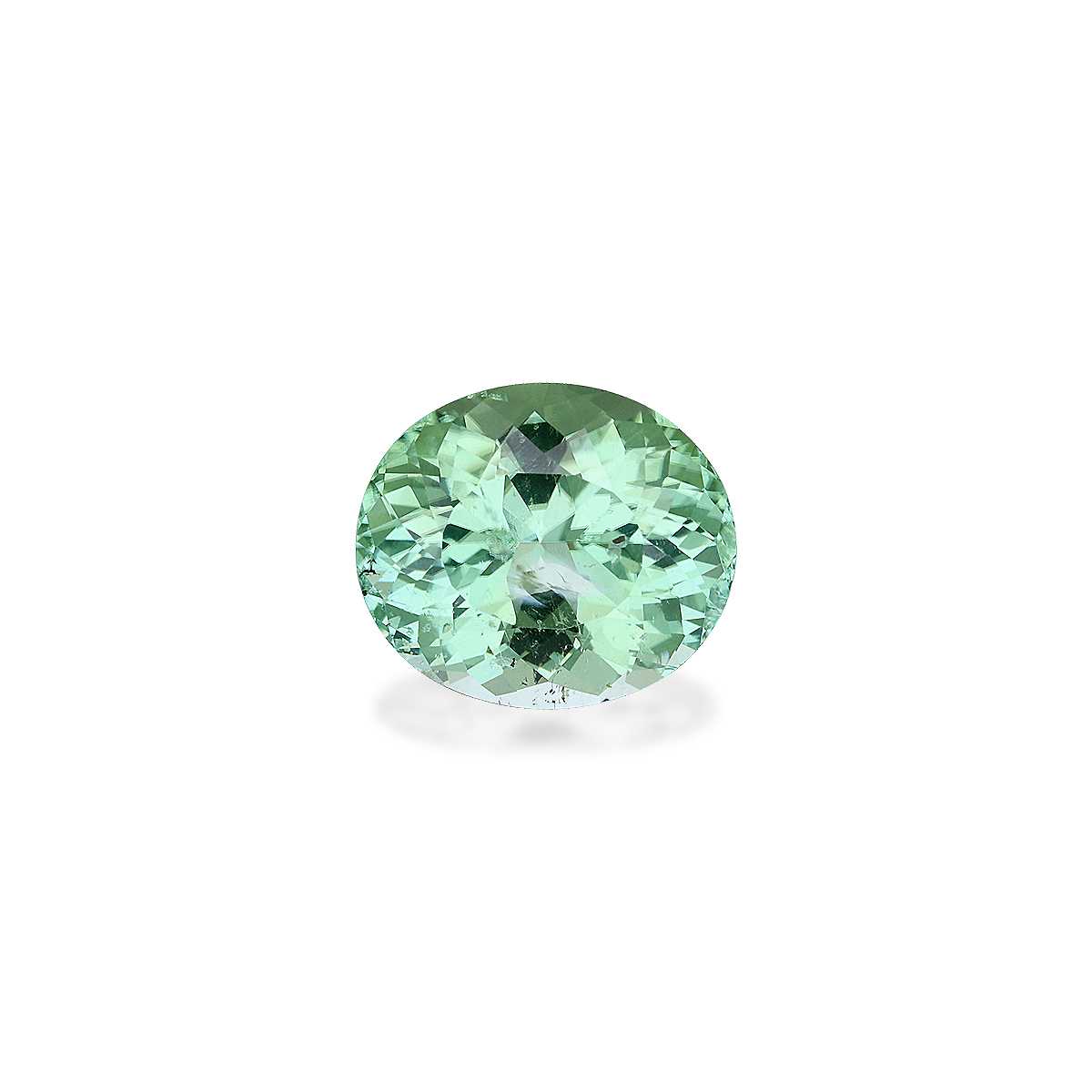
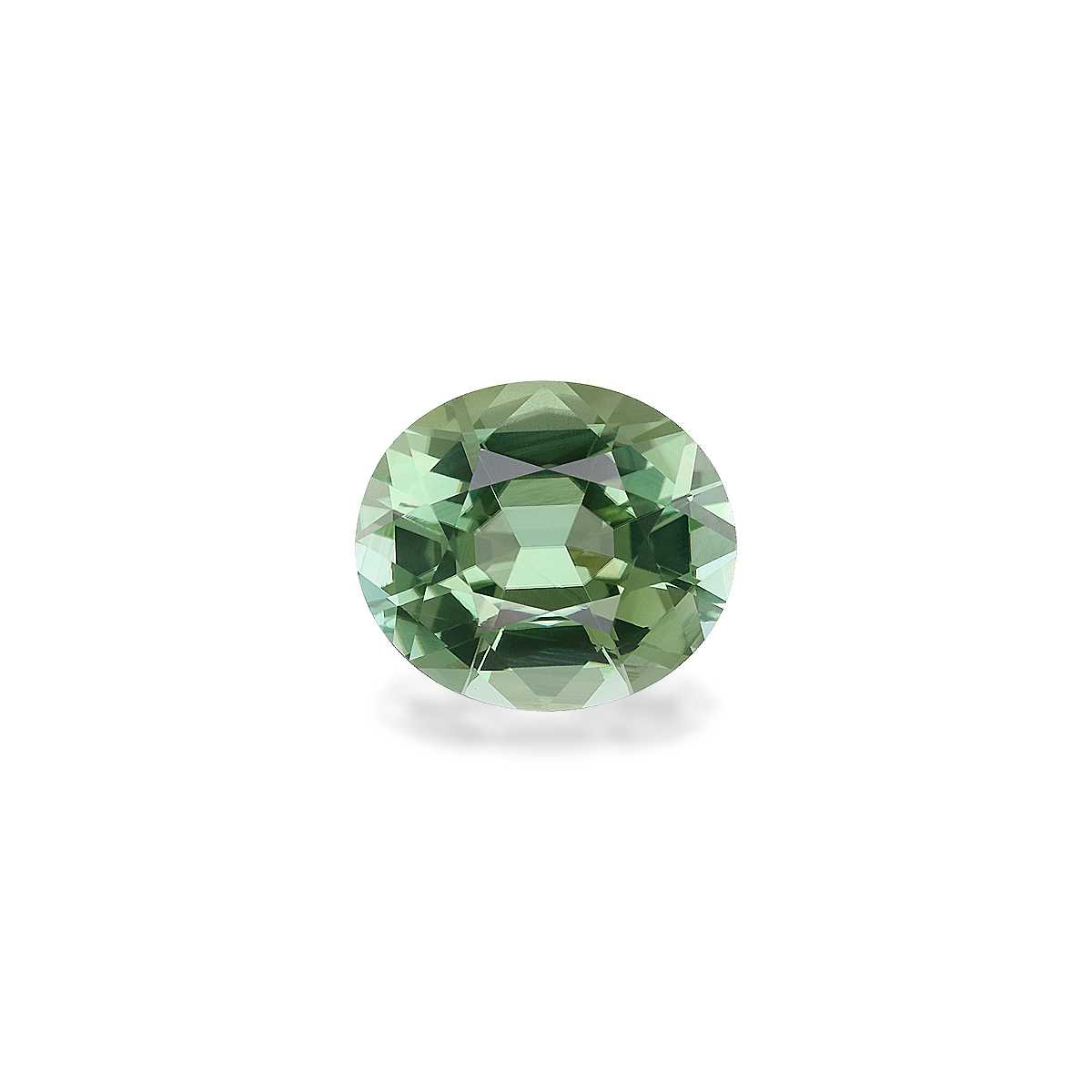
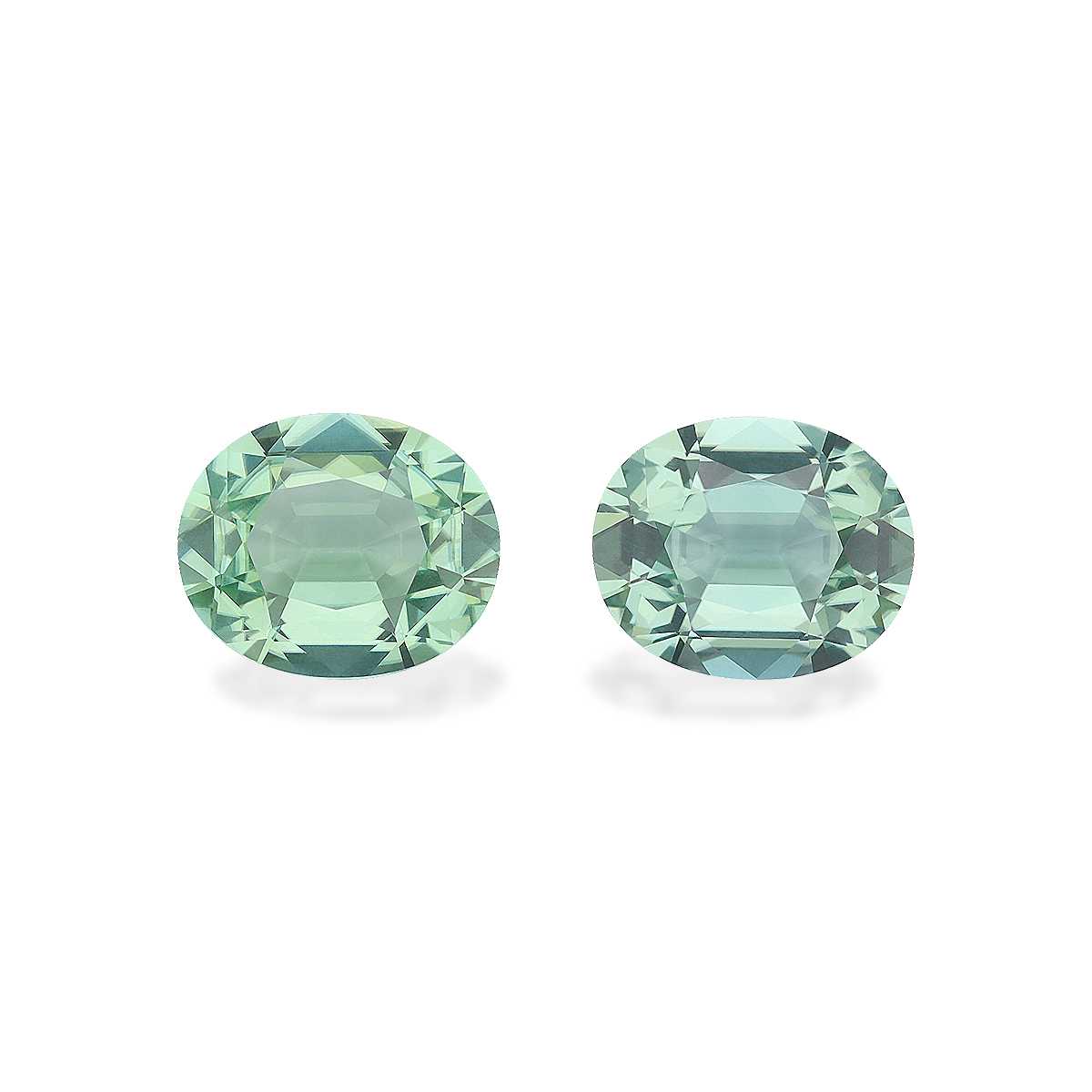
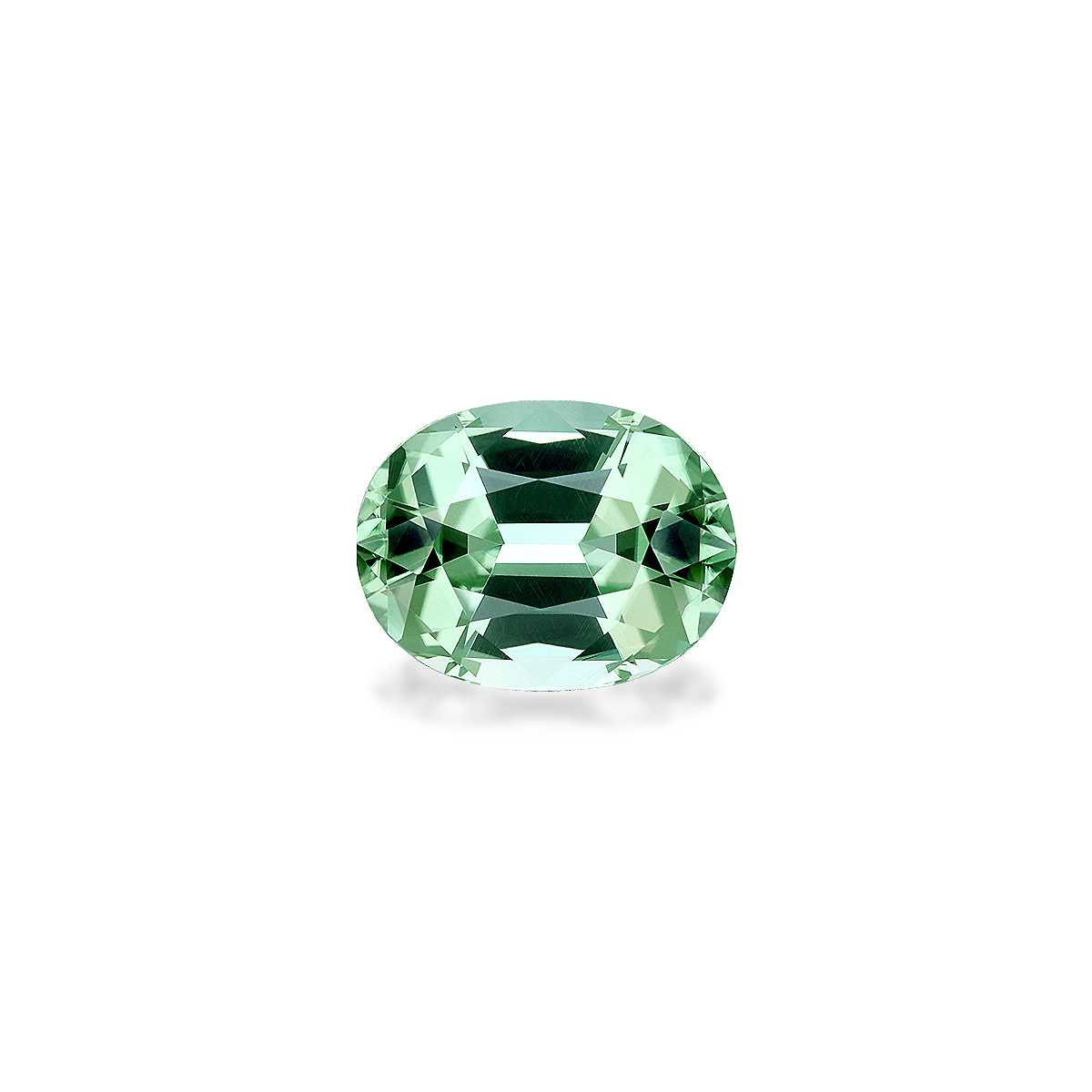
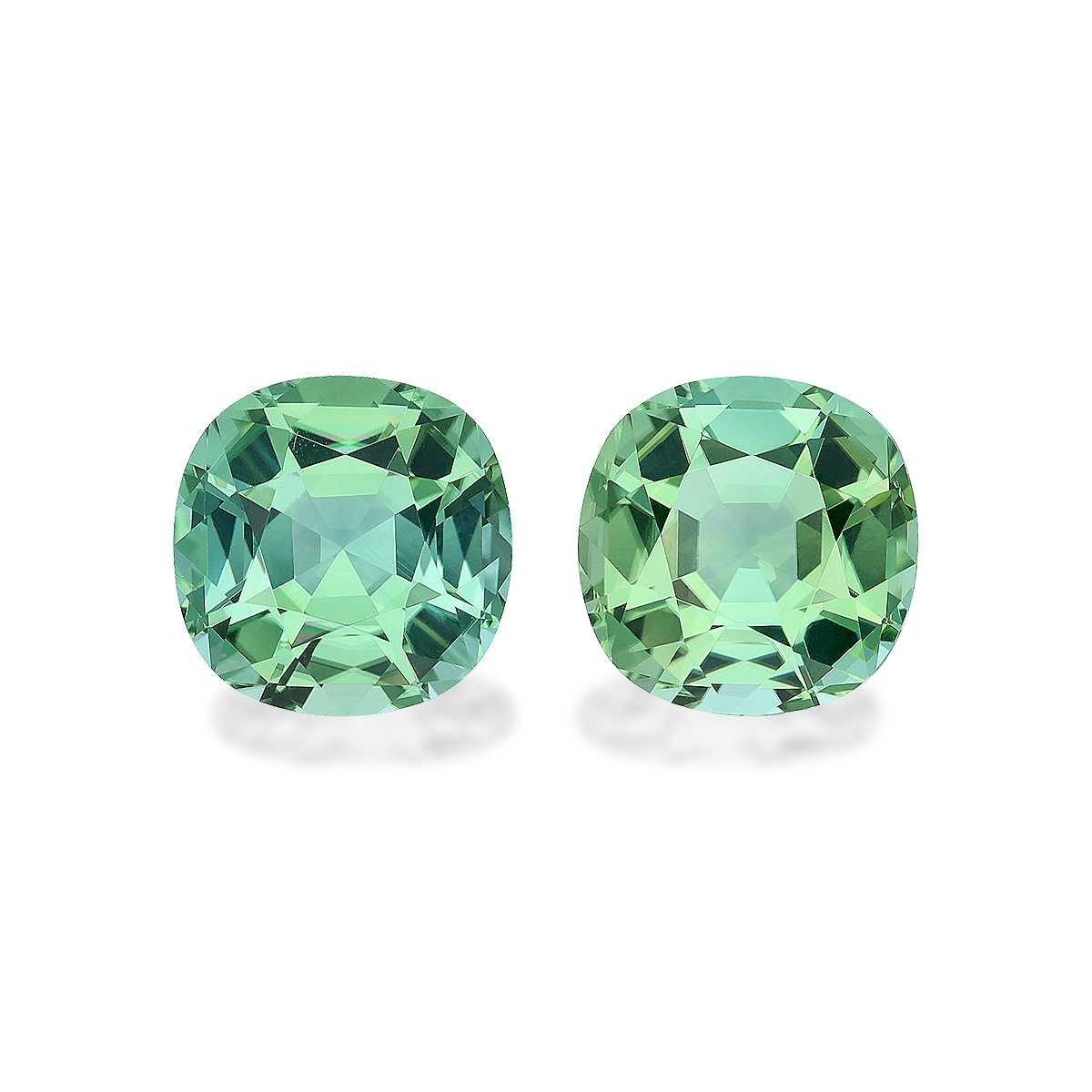
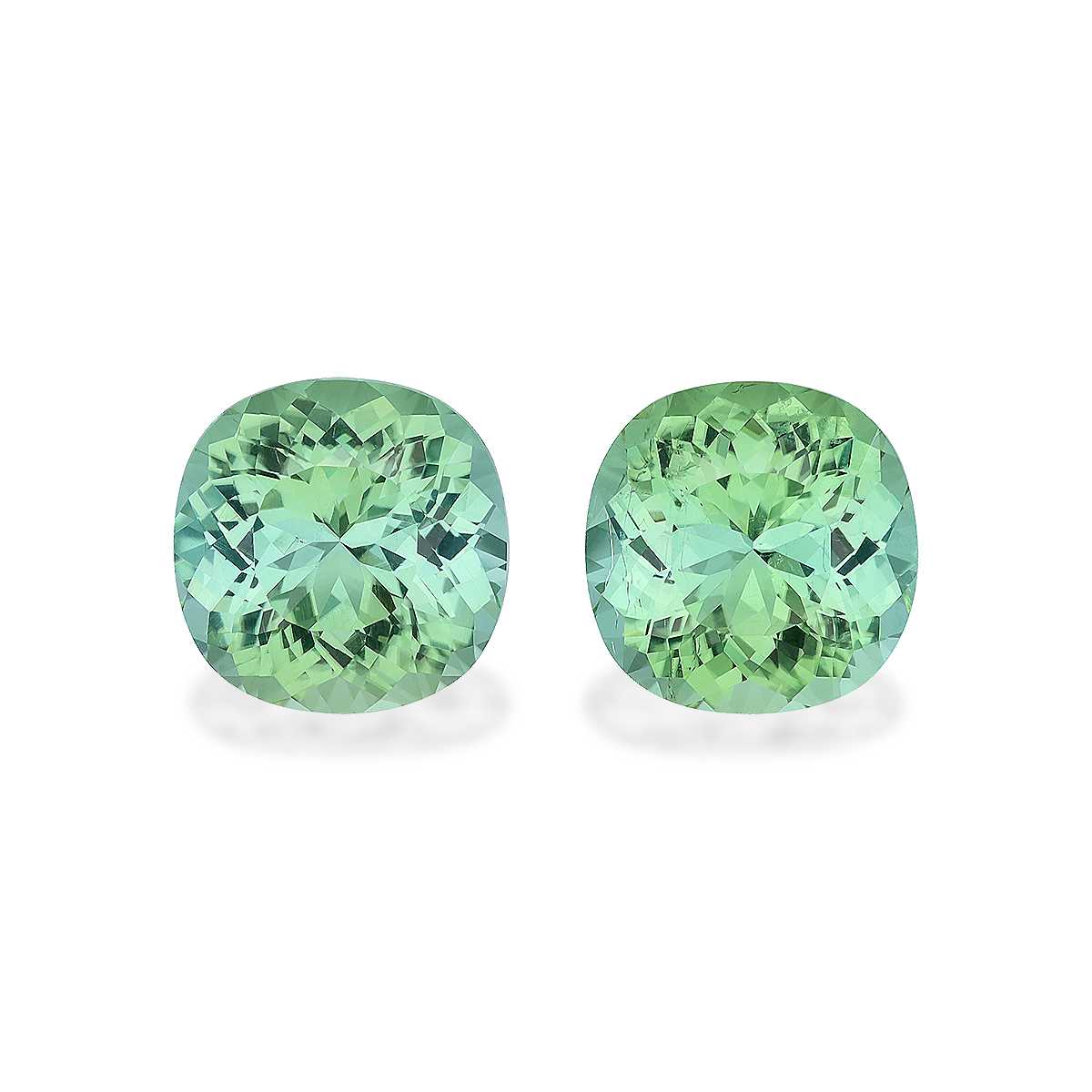
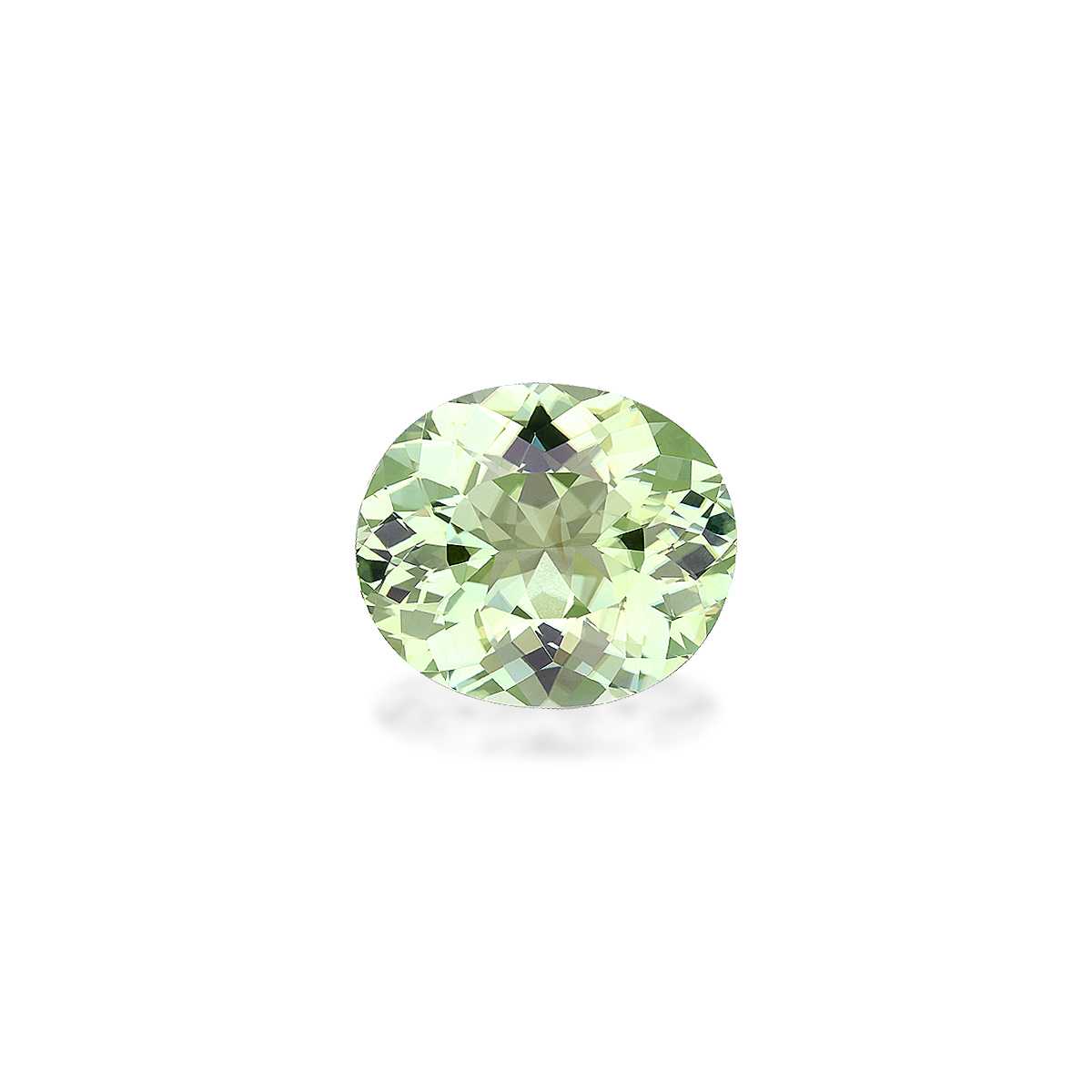
The color of green tourmaline is its most defining characteristic. The most desirable shades range from vivid emerald green to deeper forest tones. When evaluating color, consider the following:
- Hue: The stone should exhibit a pure green hue without noticeable secondary colors.
- Intensity: Vivid colors are often the most sought after, as they capture attention and exhibit depth.
- Distribution: Even color distribution throughout the stone enhances its overall appeal.
Sources such as Mozambique and Nigeria are known for producing particularly vivid green tourmaline, while stones from the Congo offer unique characteristics that may appeal to collectors.
Evaluating Clarity
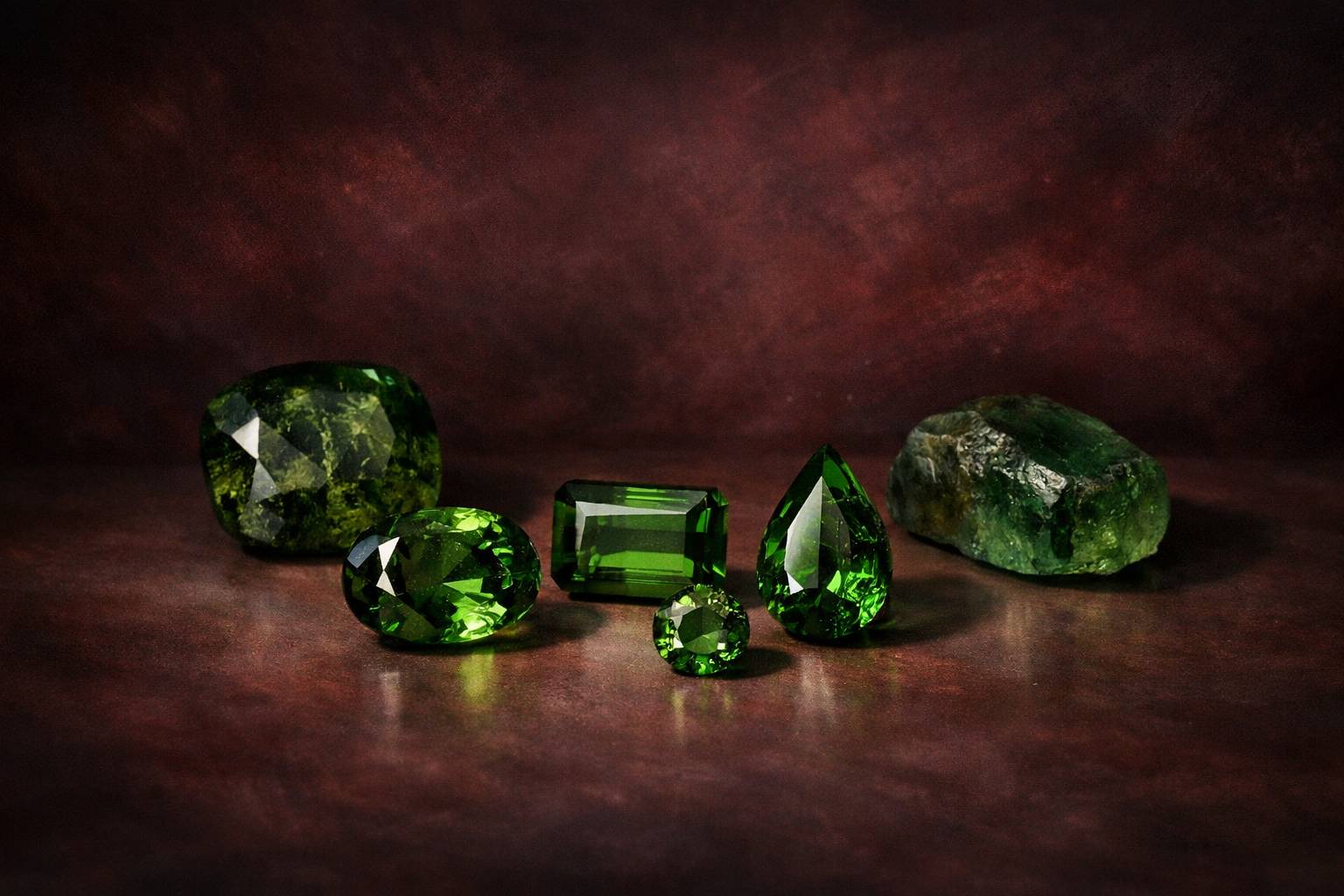
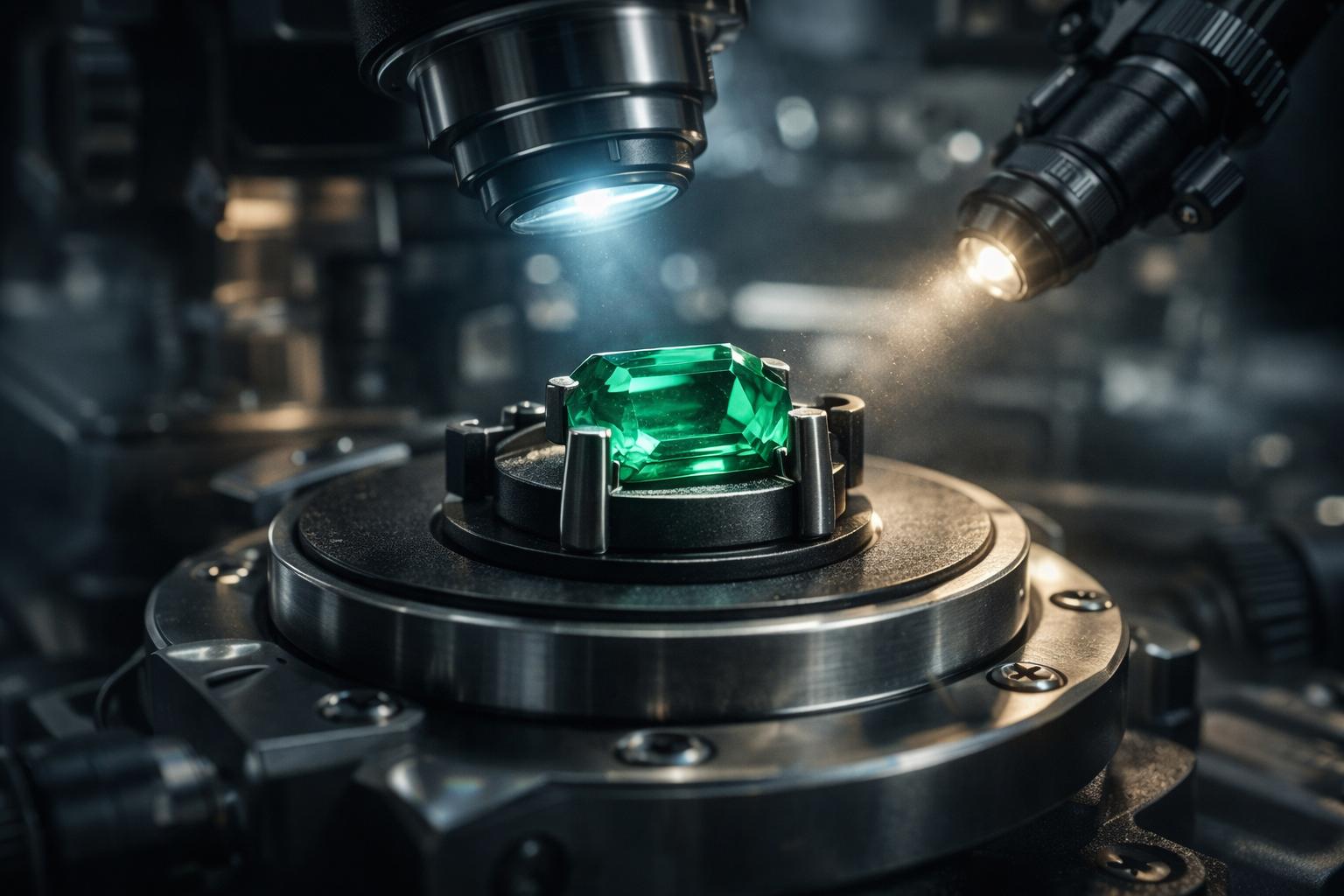
Clarity is another critical factor when selecting green tourmaline. The presence of inclusions can affect both the visual appeal and value of the gemstone. Clarity grades typically fall into the following categories:
- IF (Internally Flawless): No internal inclusions visible under 10x magnification.
- VVS (Very Very Slightly Included): Minor inclusions that are difficult to detect even under magnification.
- VS (Very Slightly Included): Inclusions that are visible under magnification but not to the naked eye.
- SI-1 (Slightly Included): Inclusions visible to the naked eye, but they do not significantly detract from the gem's beauty.
Choosing a green tourmaline with a higher clarity grade not only enhances its beauty but also its value. Seek stones that balance clarity with color for the best overall impact.
More from Green Tourmaline
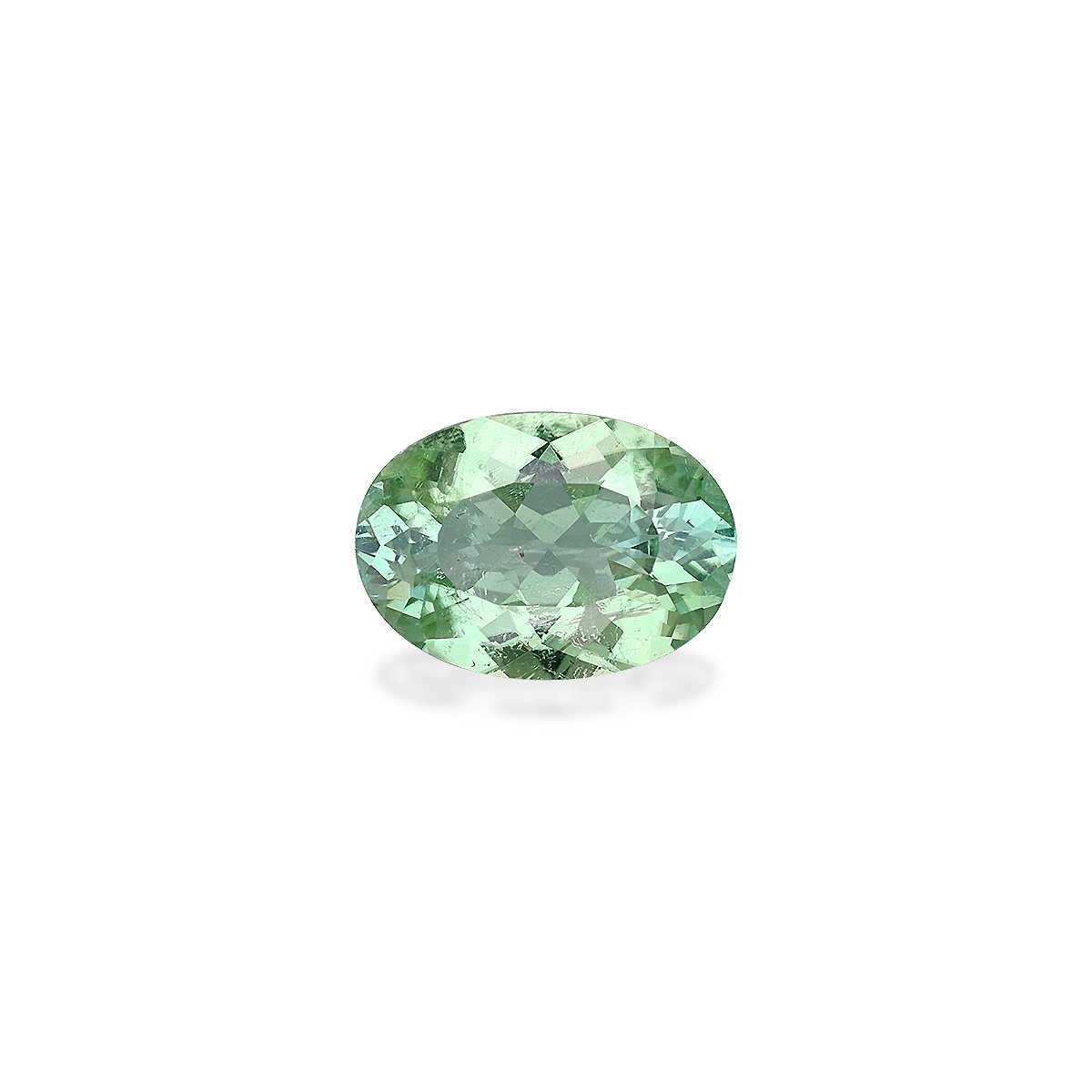
Origin and Its Influence on Value
The origin of a green tourmaline can significantly influence its desirability and market value. Notable sources include:
- Mozambique: Known for vivid, deep green hues.
- Nigeria: Offers a range of green tones, often with excellent clarity.
- Congo: Produces unique characteristics that may appeal to certain preferences.
When assessing a stone's origin, consider how it affects your purchase. For instance, unheated stones often command higher prices due to their natural beauty and rarity. In contrast, heated stones, while still beautiful, may be less costly.
Treatment Considerations
Understanding the treatment history of a green tourmaline is crucial for informed purchasing. Treatments can affect both the appearance and value of the stone. Common treatments include:
- Heated: Many tourmalines undergo heating to enhance color and clarity.
- Unheated: Stones that have not been treated are often more valuable, as they retain their natural state.
When selecting your gemstone, inquire about its treatment history. Unheated green tourmaline, especially when of high quality, tends to be more sought after by collectors and connoisseurs.
Assessing Overall Value
The final step in the green tourmaline buying guide is to assess the overall value of the gemstone. Several factors contribute to this evaluation:
- Color: As previously mentioned, vivid and evenly distributed colors are highly valued.
- Clarity: Higher clarity ratings lead to increased desirability and value.
- Origin: Recognized sources with a reputation for quality can enhance value.
- Treatment status: Untreated stones generally fetch higher prices.
Engaging with a reputable jeweler can provide additional insights into fair pricing based on the factors outlined above. For more information on the various color variations of tourmaline, you can refer to Tourmaline's color variations.
In your pursuit of green tourmaline, consider these essential aspects to make a well-informed and satisfying purchase. Each gemstone is a unique expression of nature's artistry, and understanding its qualities will enhance your appreciation and selection. For further insights, check out our Highlighting The Interesting Aspects of Paraiba Tourmaline Gemstone and explore the blue tourmaline value guide for more on this captivating family of gemstones.
You may also like
More reading from our journal.