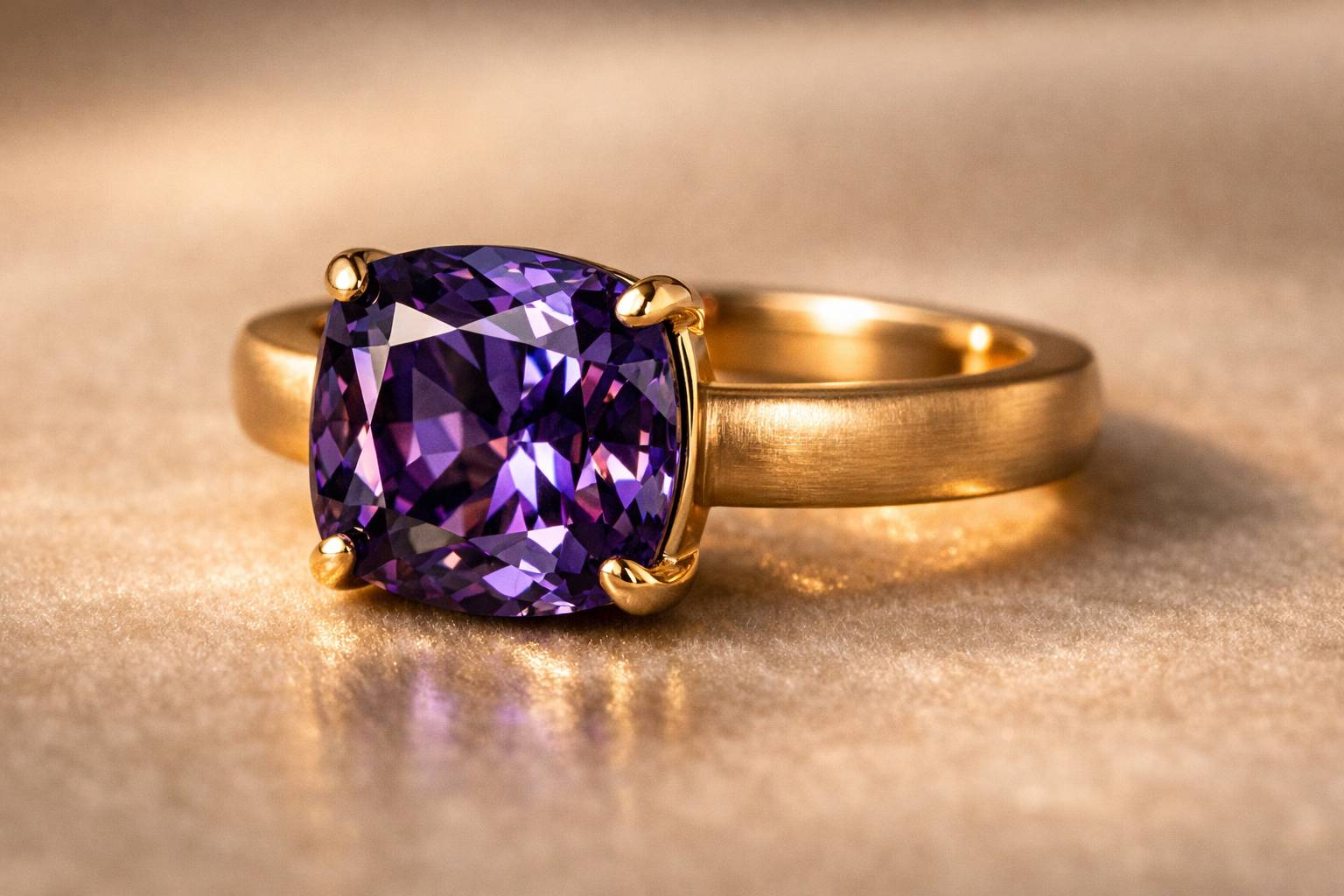
How to Choose Purple Spinel: A Practical Guide
Purple spinel, with its captivating hues and remarkable brilliance, has garnered attention in the world of fine gemstones. Known for its vibrant purple shades, this gemstone offers a unique alternative to traditional choices like amethyst and tanzanite. However, selecting the perfect purple spinel requires careful consideration of various factors, including colour, cut, clarity, treatment, and certification. In this guide, we will explore these essential elements to help you make an informed decision.
Understanding Colour in Purple Spinel
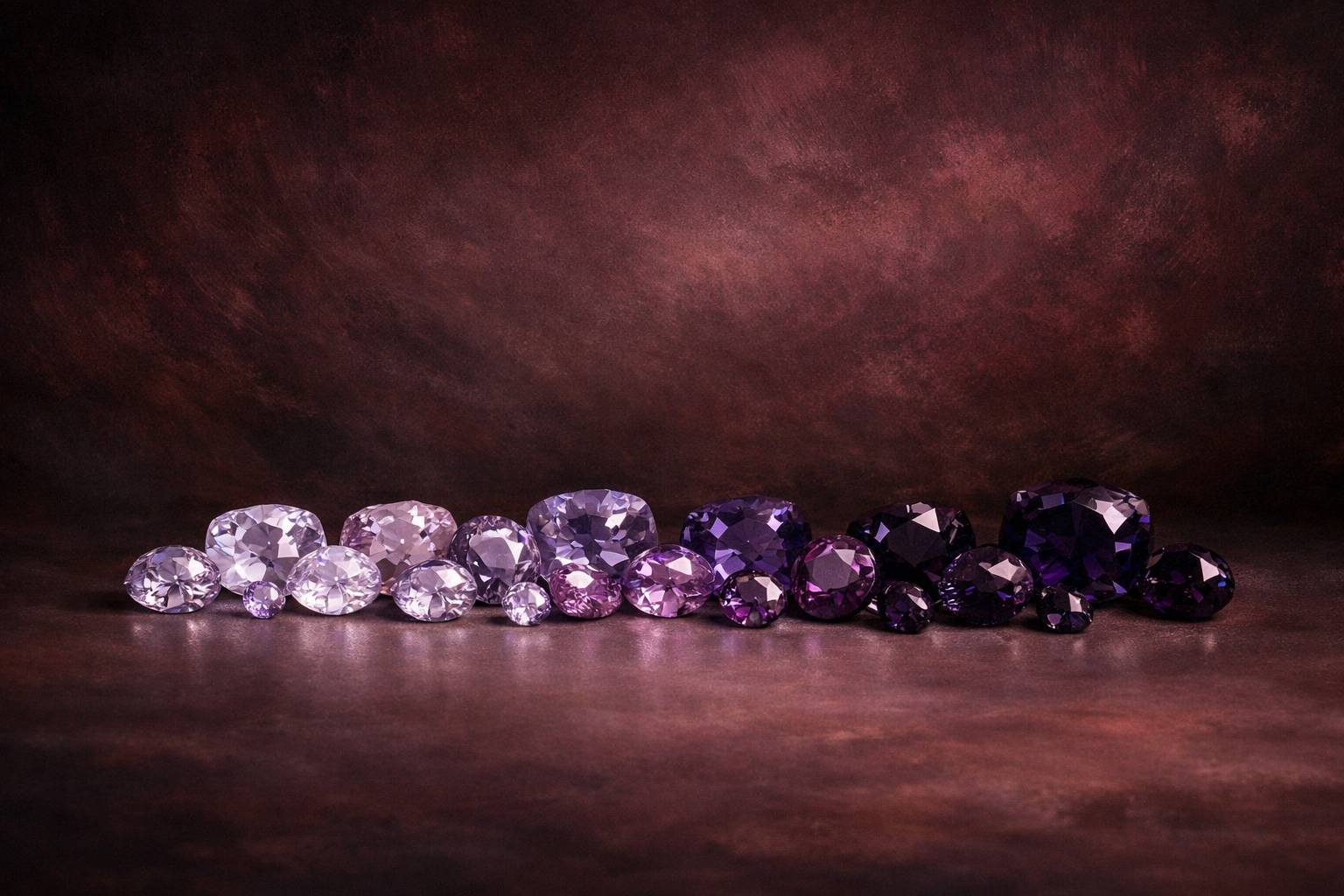
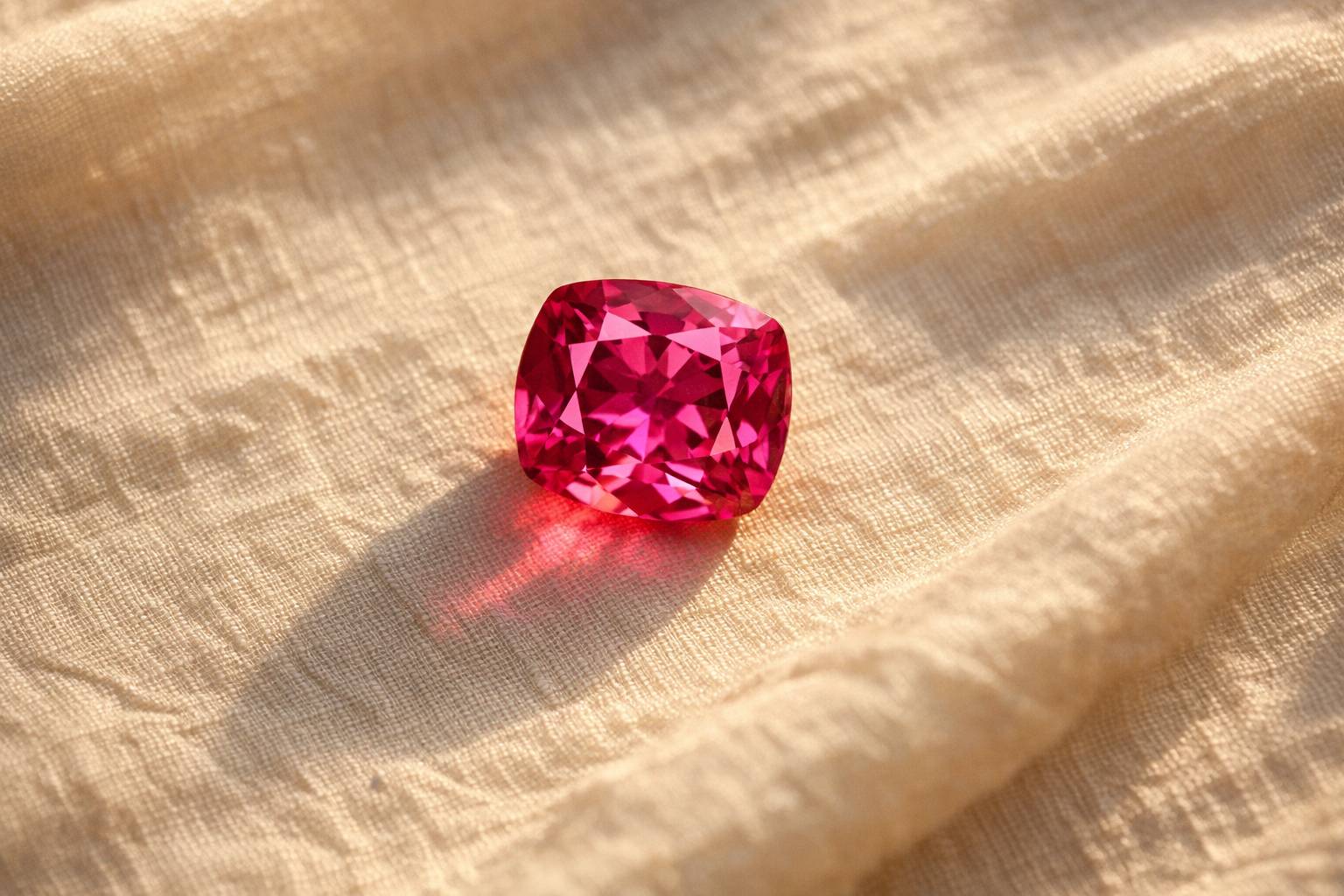
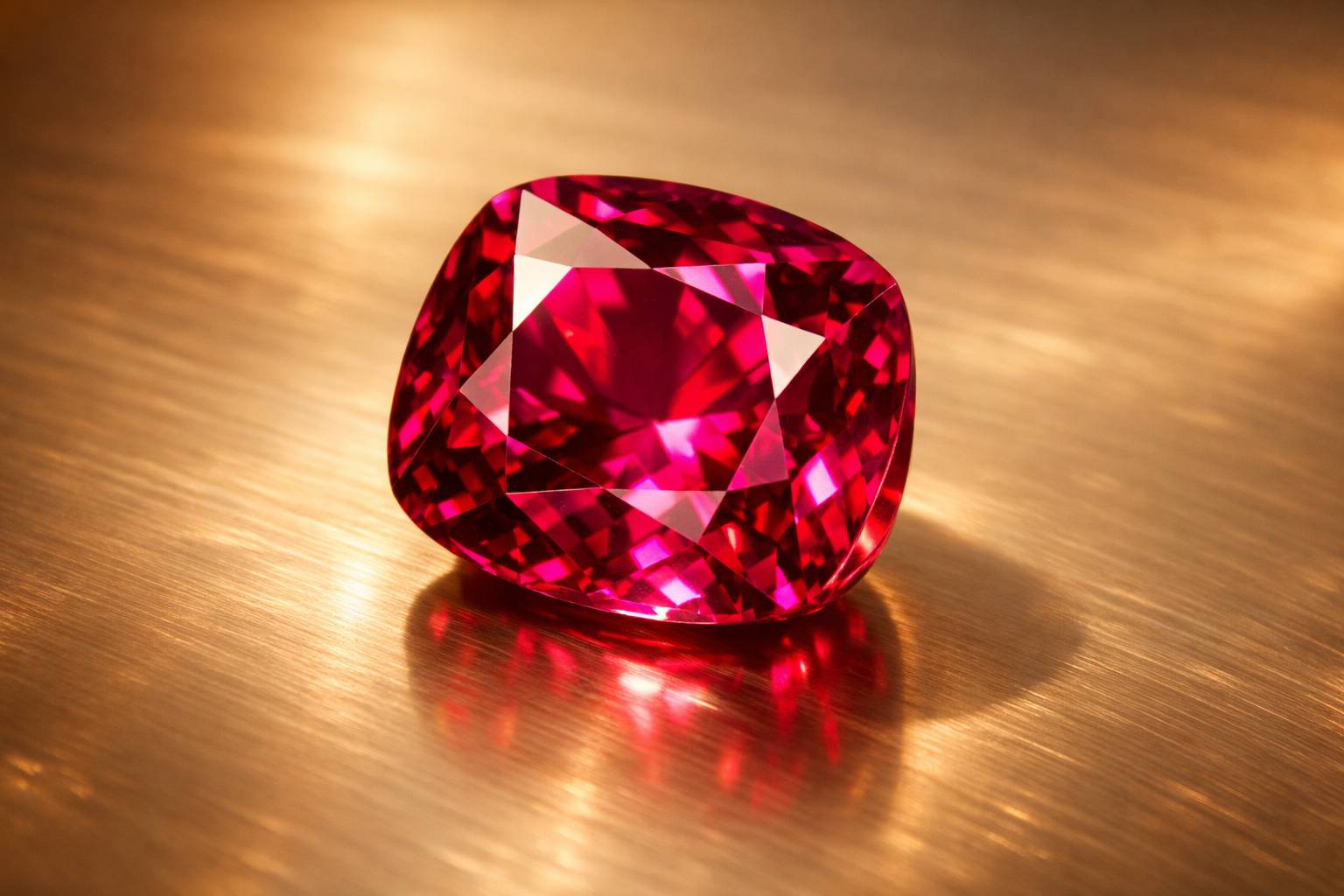
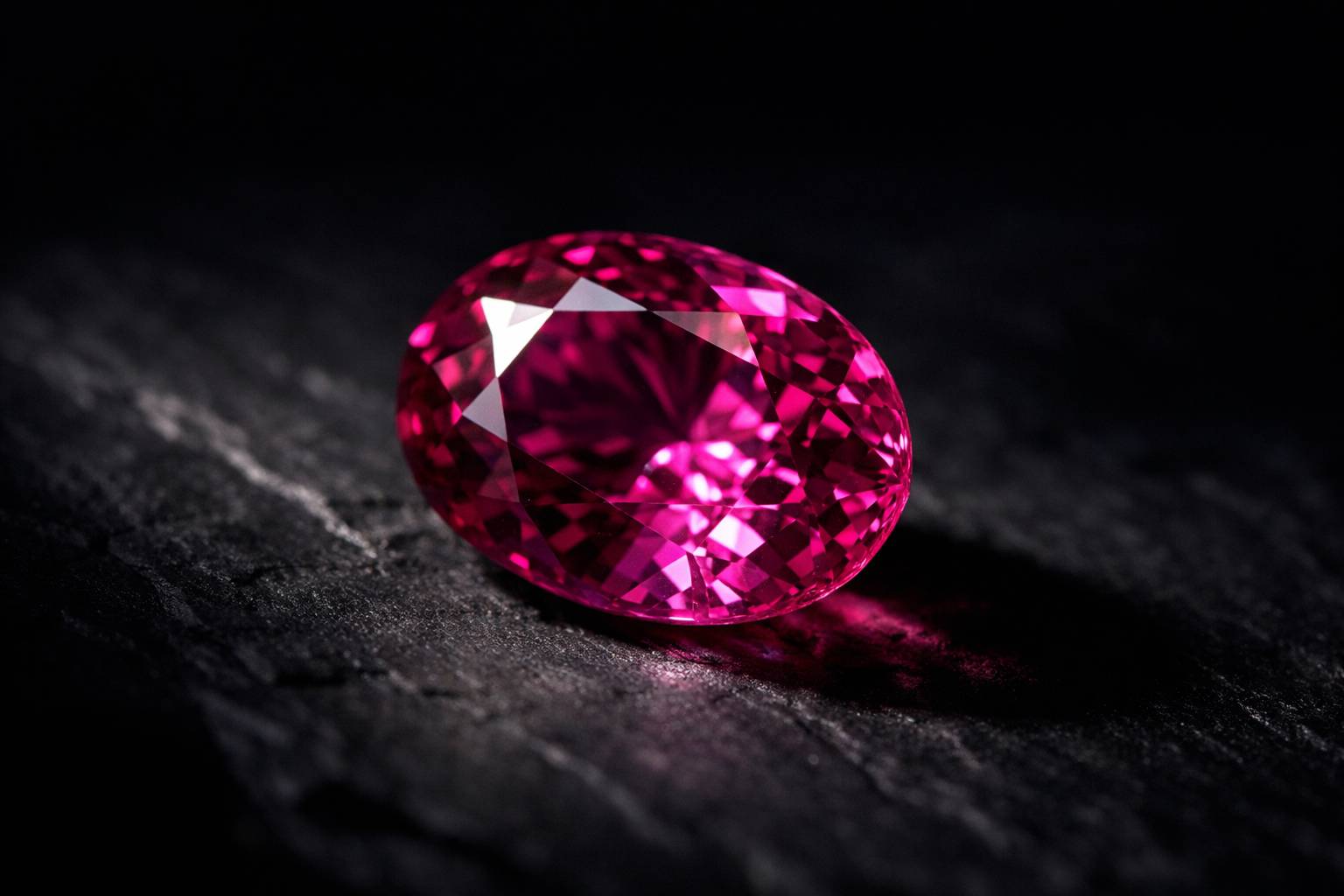
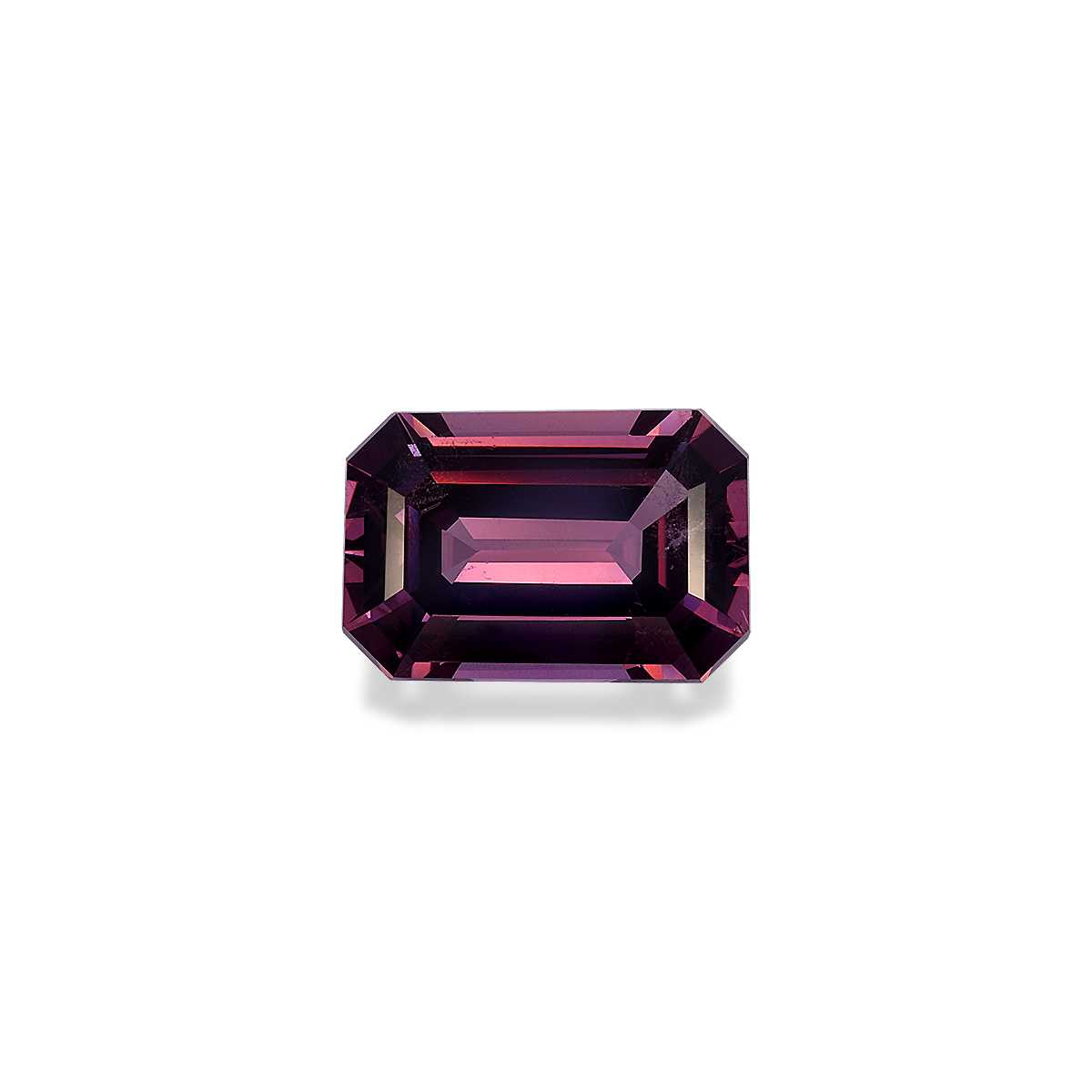
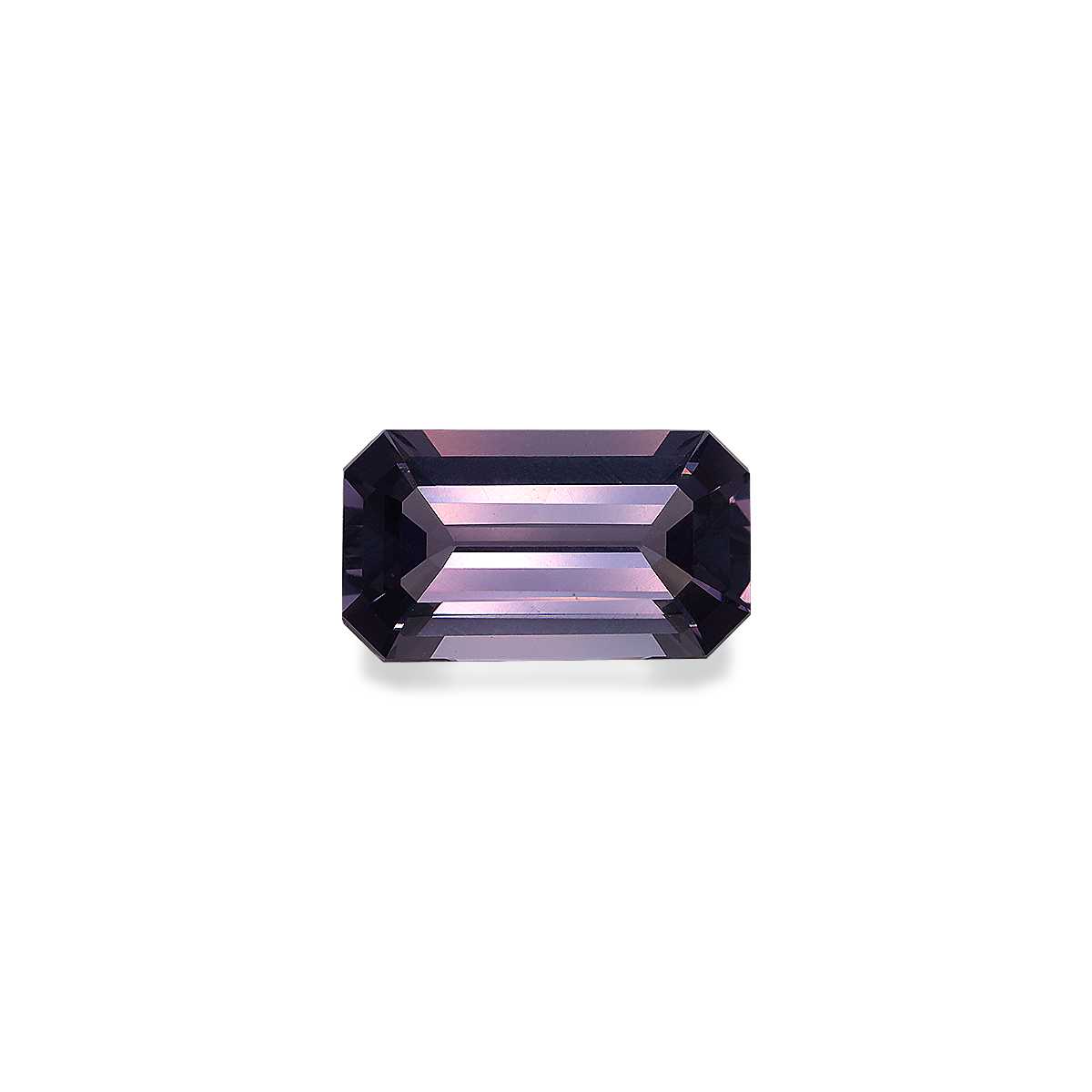
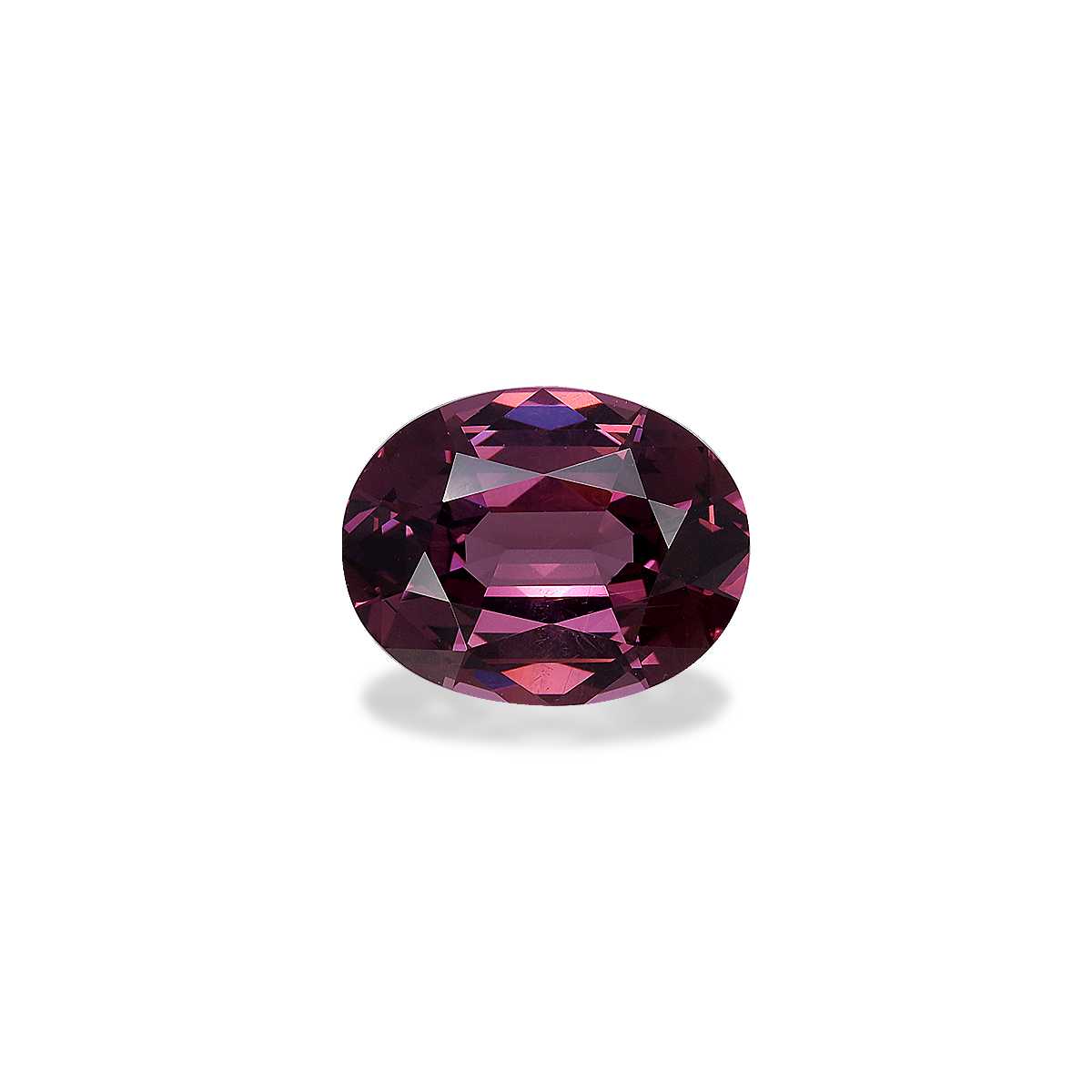
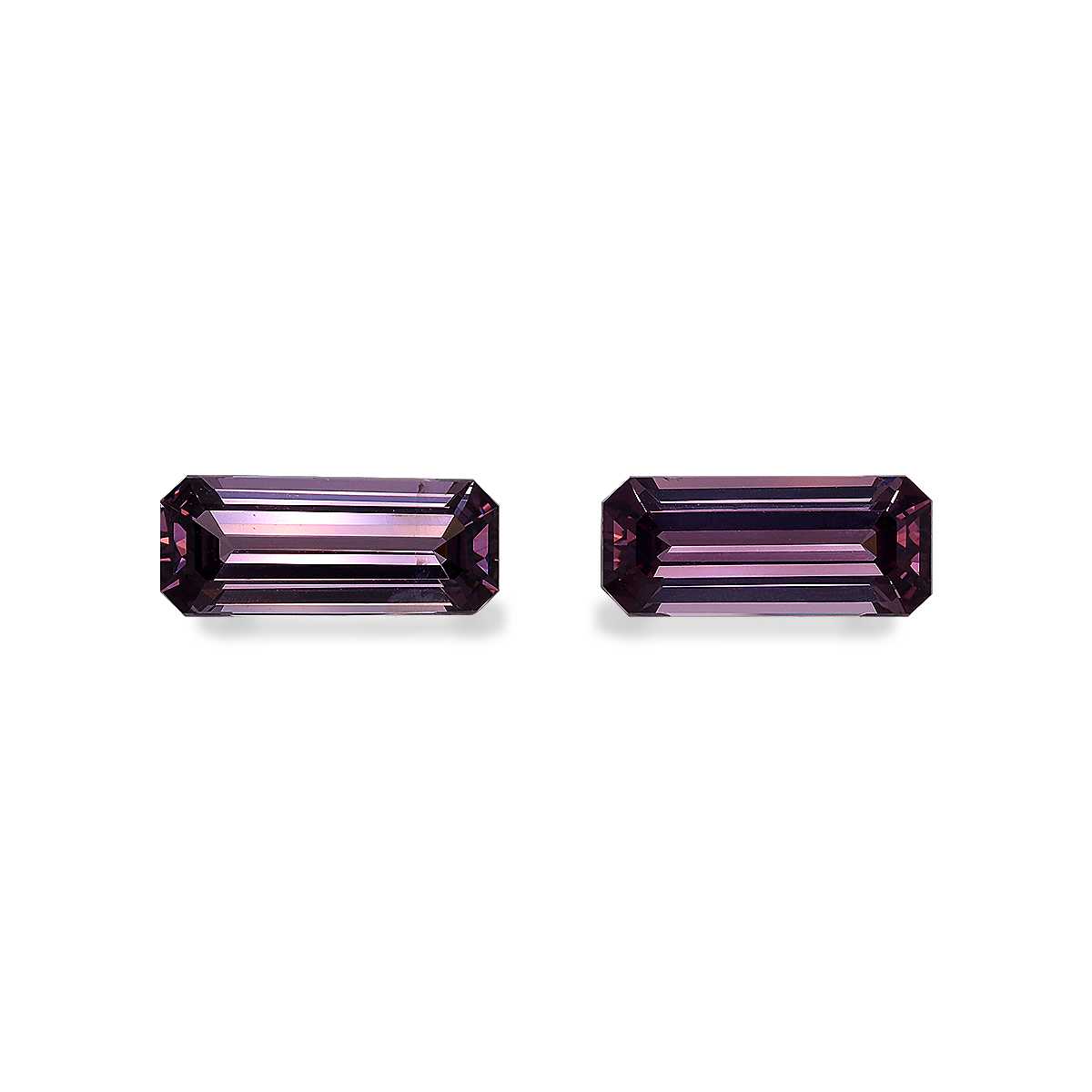
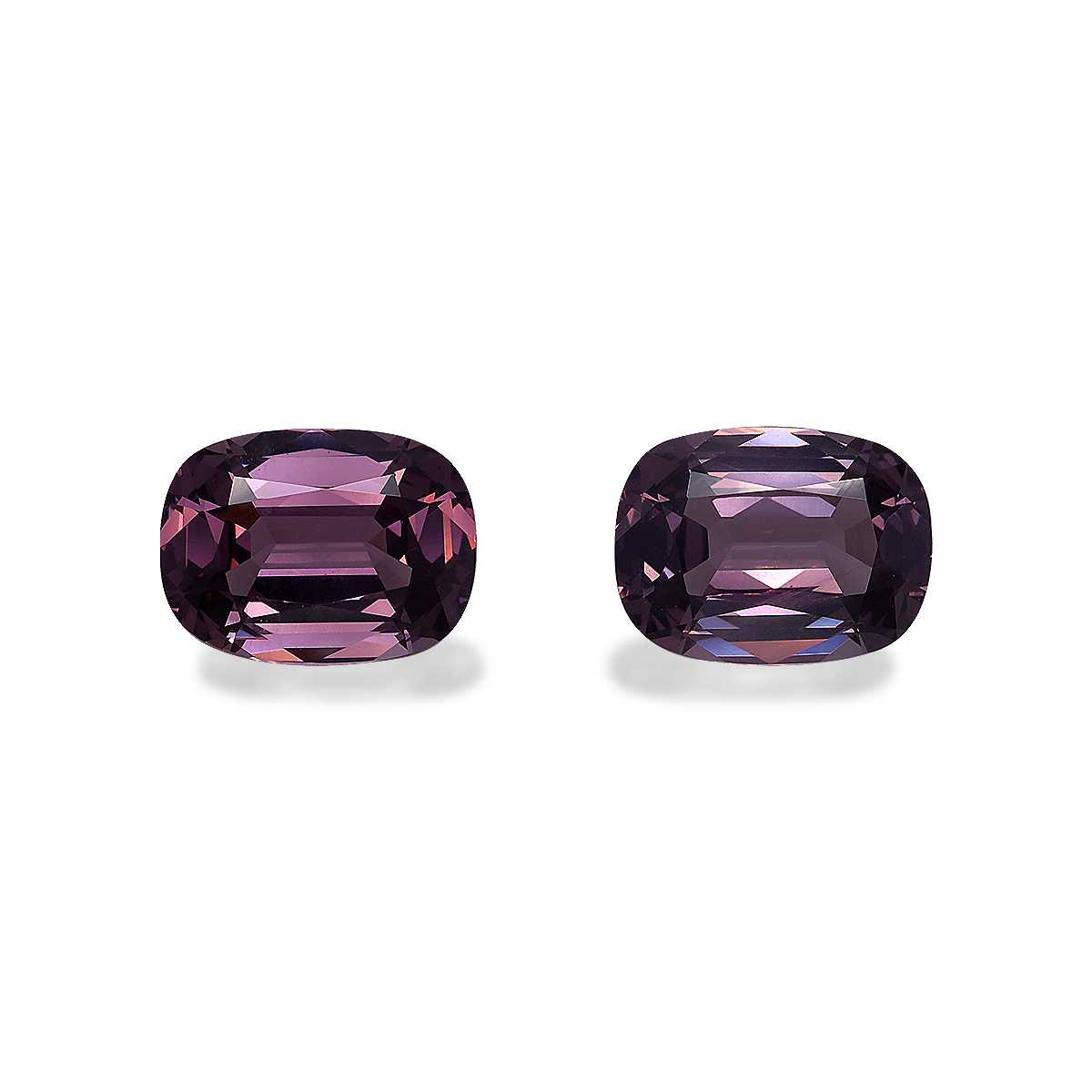
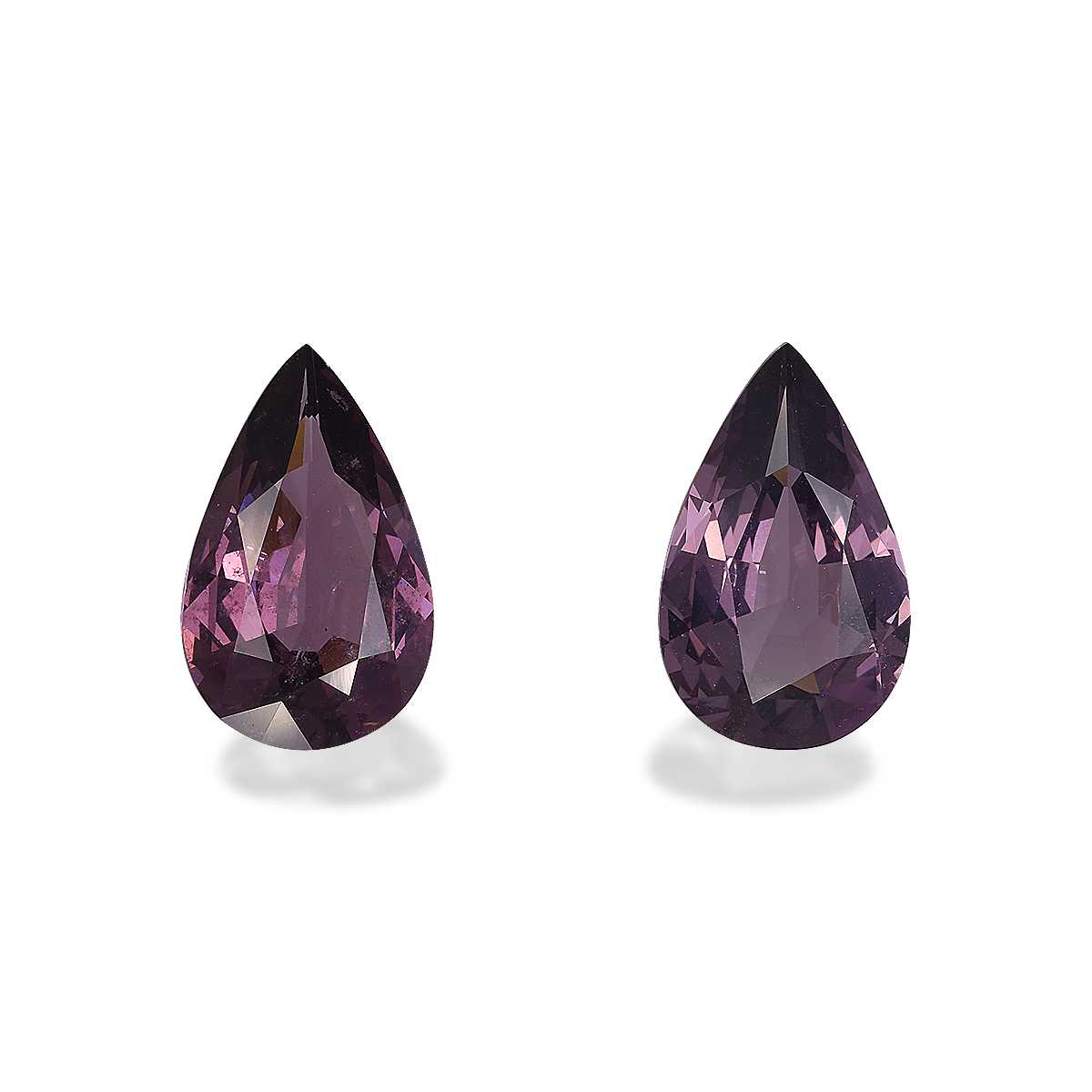
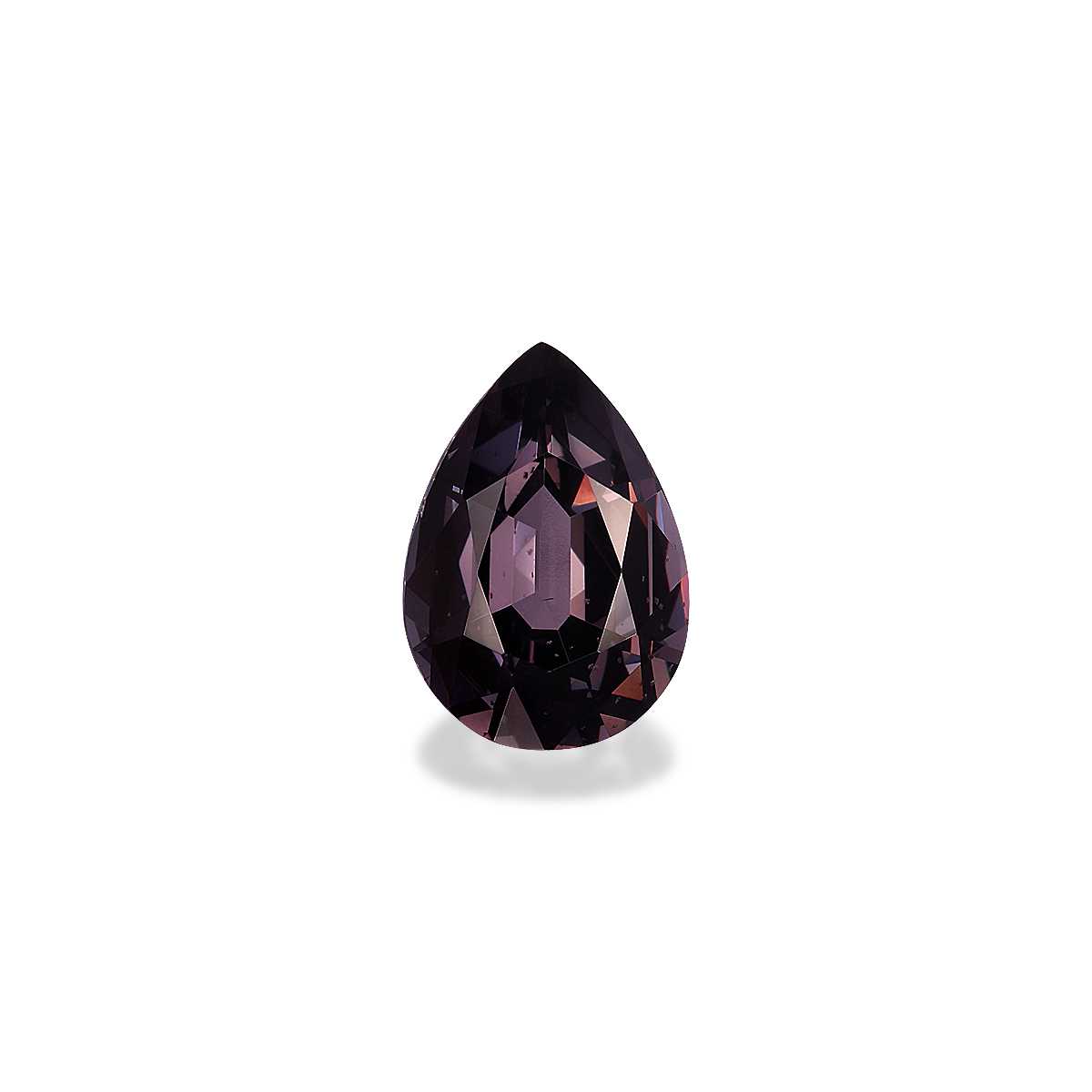
The colour of purple spinel is one of the most critical factors to consider during your selection. Ranging from light lavender to deep violet, the most desirable shades are those that exhibit a rich, vivid purple tone. The origin of the stone can significantly influence its colour; for instance, purple spinel from Burma is often celebrated for its deep, royal hues, while stones from Mozambique may present a more vibrant, lively purple. To learn more about the quality aspects of spinel, refer to the Spinel Quality Factors.
Evaluating the Cut of Purple Spinel
The cut of a purple spinel affects not only its appearance but also its brilliance and overall value. A well-executed cut will enhance the stone's natural beauty, allowing it to reflect light in a captivating manner. Common cuts for purple spinel include round, oval, and cushion shapes, each offering distinct visual appeal. When considering the cut, prioritize stones that are well-proportioned and exhibit optimal symmetry, as these factors contribute to the stone's scintillation.
Assessing Clarity Standards
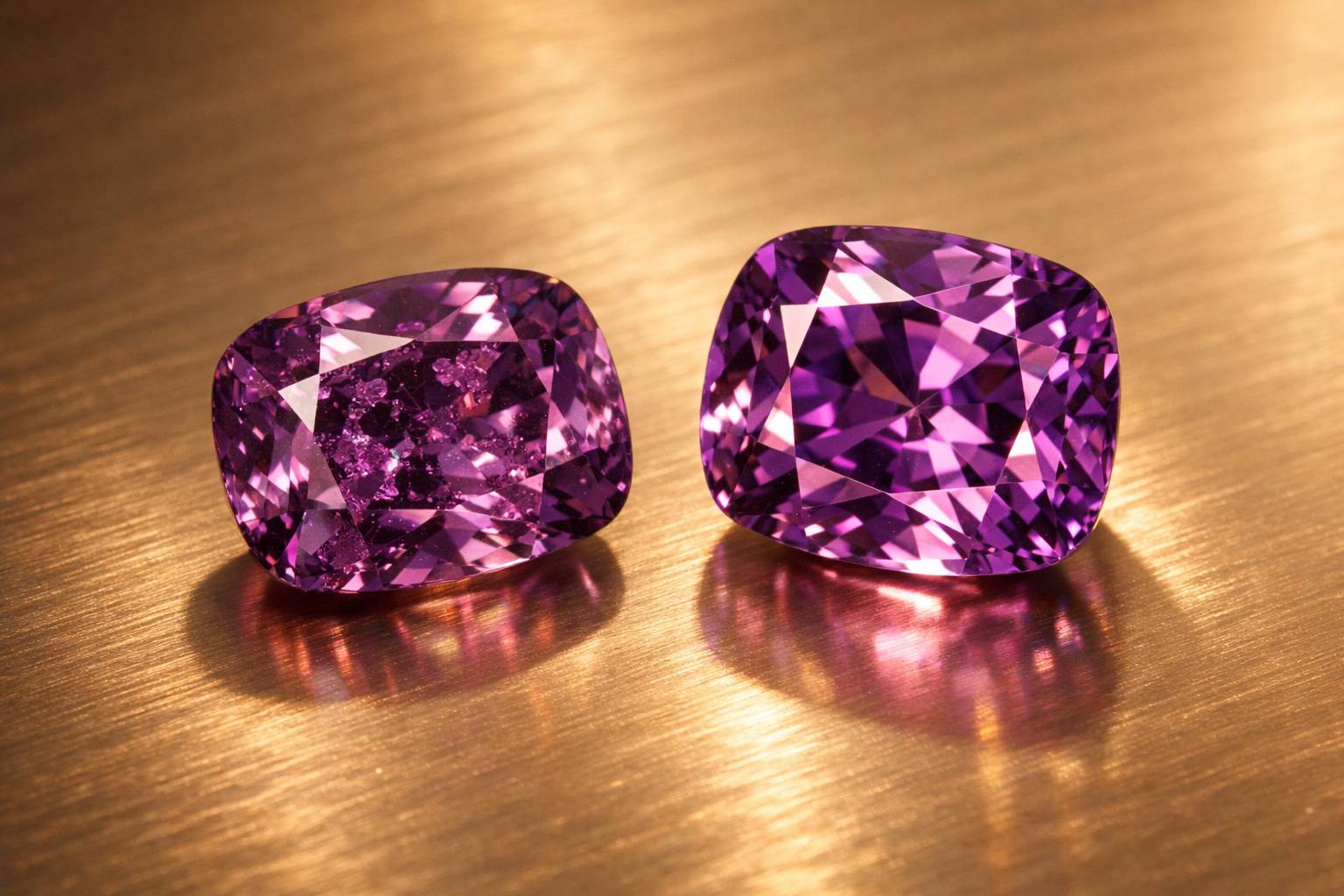
Clarity is another essential aspect when selecting a purple spinel. Gemstones are graded based on their internal characteristics, known as inclusions. The clarity scale ranges from Included (I) to Flawless (IF). For purple spinel, stones graded as VS (Very Slightly Included) or VVS (Very Very Slightly Included) are often the most sought after, as they display minimal inclusions visible only under magnification. In contrast, stones graded as SI (Slightly Included) may still be beautiful but may contain noticeable inclusions to the naked eye.
More from Purple Spinel
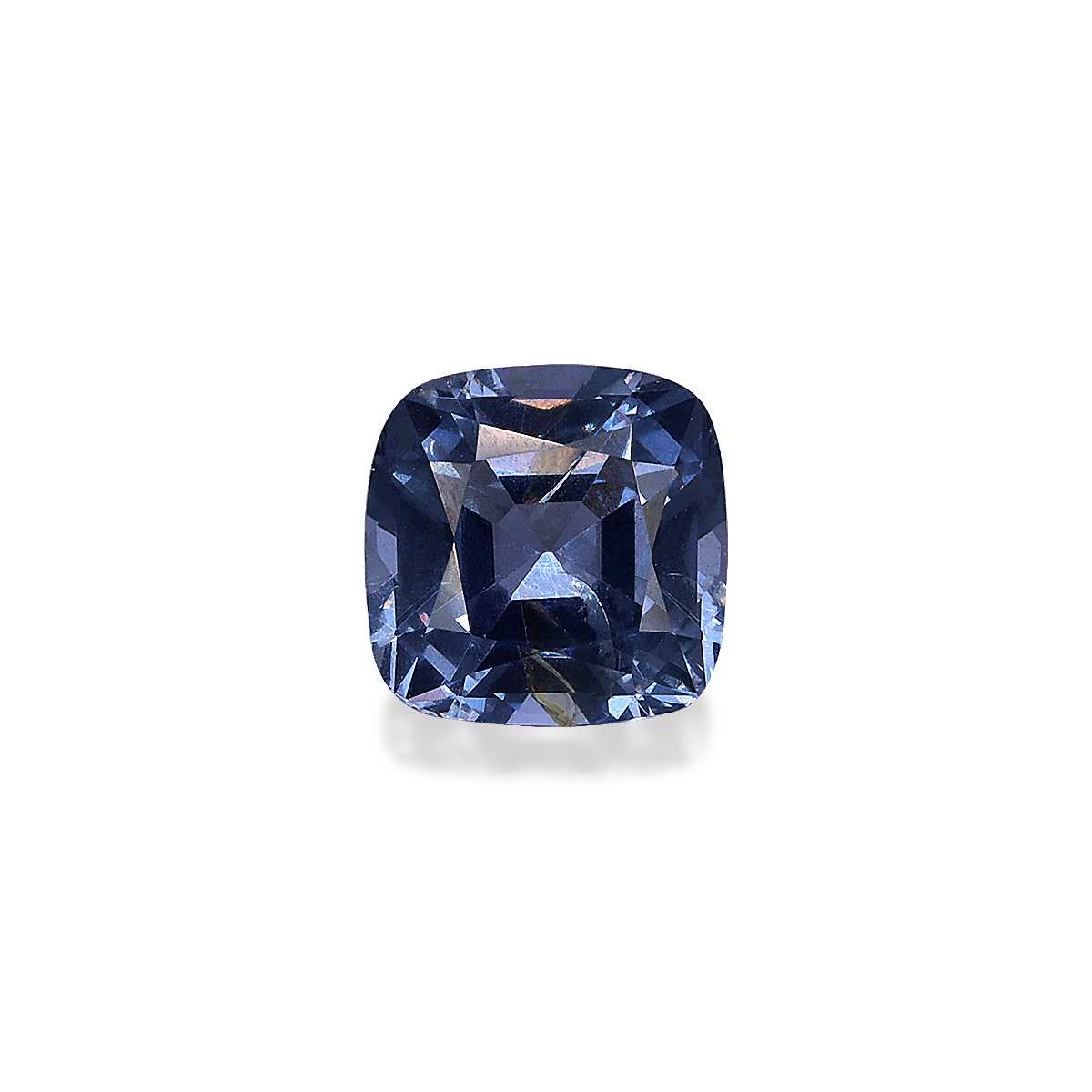
Understanding Treatments and Their Impact
While most natural purple spinels are untreated, some may undergo enhancements to improve their colour or clarity. It is crucial to understand if the stone you are considering has been treated, as this can affect its value. Unheated purple spinel is particularly prized for its natural beauty, making it a more desirable investment. Always inquire about the treatment status of the gemstone and seek reputable certification to verify its authenticity.
The Importance of Certification
Certification provides assurance regarding the quality and authenticity of a purple spinel. Reputable gemological laboratories, such as the Gemological Institute of America (GIA), offer certification services that detail the stone's characteristics, including its colour, cut, clarity, and treatment status. A certified purple spinel not only guarantees the stone's quality but also serves as a valuable asset in any jewelry collection.
Conclusion
Choosing the right purple spinel involves a careful examination of colour, cut, clarity, treatment, and certification. By understanding these elements and selecting stones from reputable sources, such as those from Burma, Mozambique, or Tajikistan, you can ensure that your choice is both exquisite and enduring. The allure of purple spinel lies not just in its striking appearance but also in the story it tells, making it a cherished addition to any fine jewelry collection. For more insights, check out our article on spinel colors to appreciate the full spectrum of this remarkable gemstone. Additionally, if you're interested in learning more about how to choose rhodolite garnet, it could provide further guidance on selecting quality gemstones. To further assist your purchase, consider the Spinel Buyer's Guide for expert advice.
You may also like
More reading from our journal.