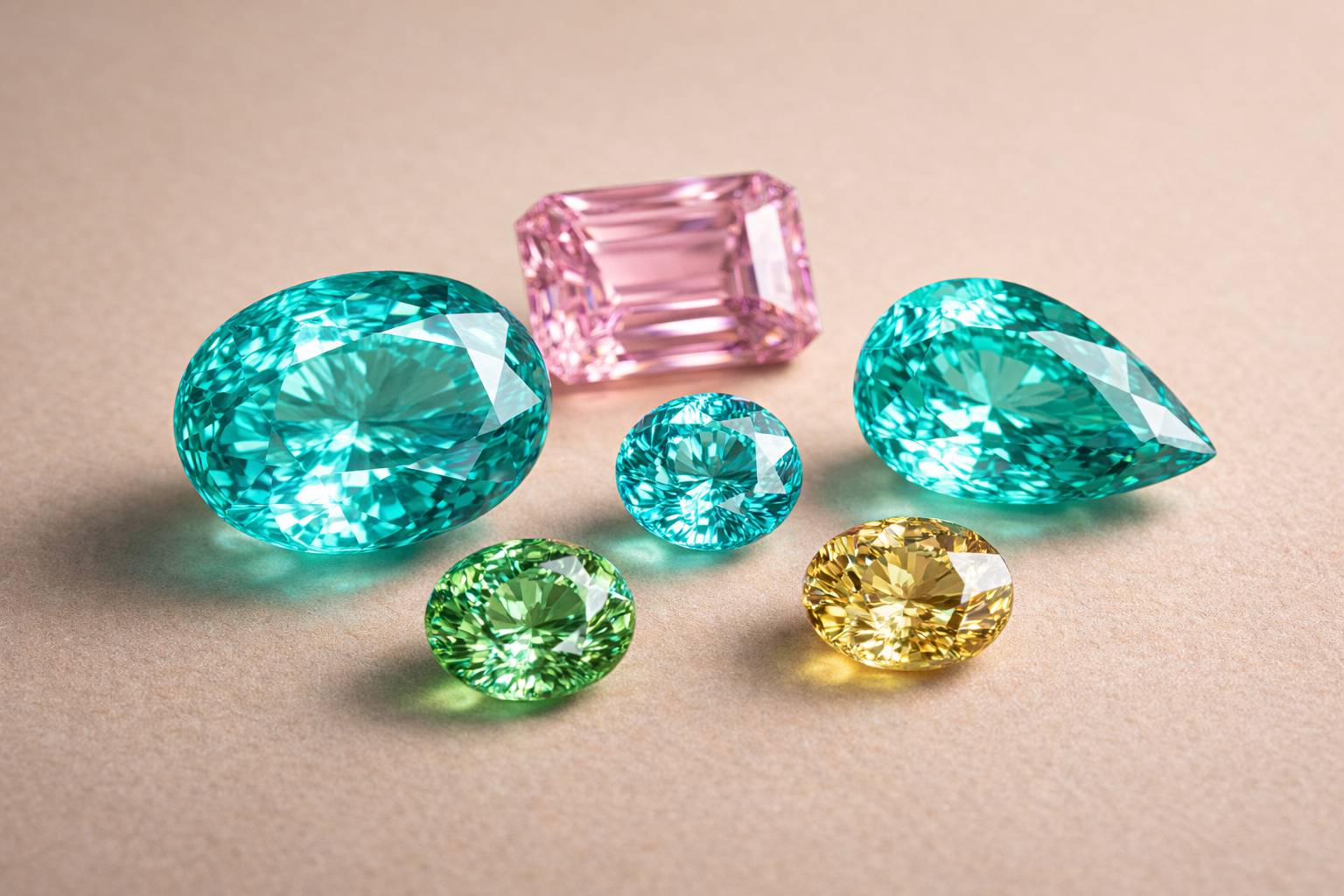
Highlighting The Interesting Aspects of Paraiba Tourmaline Gemstone
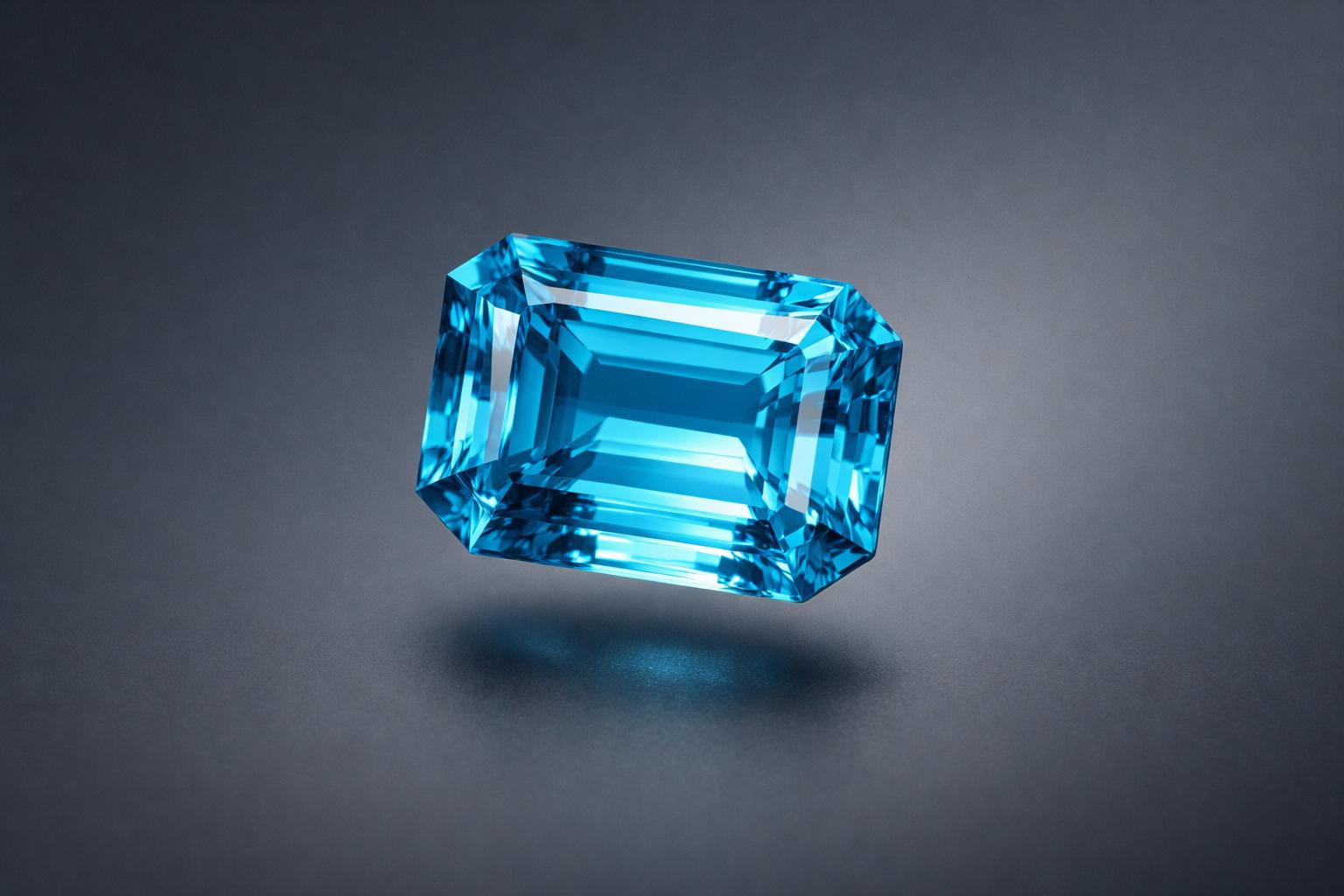
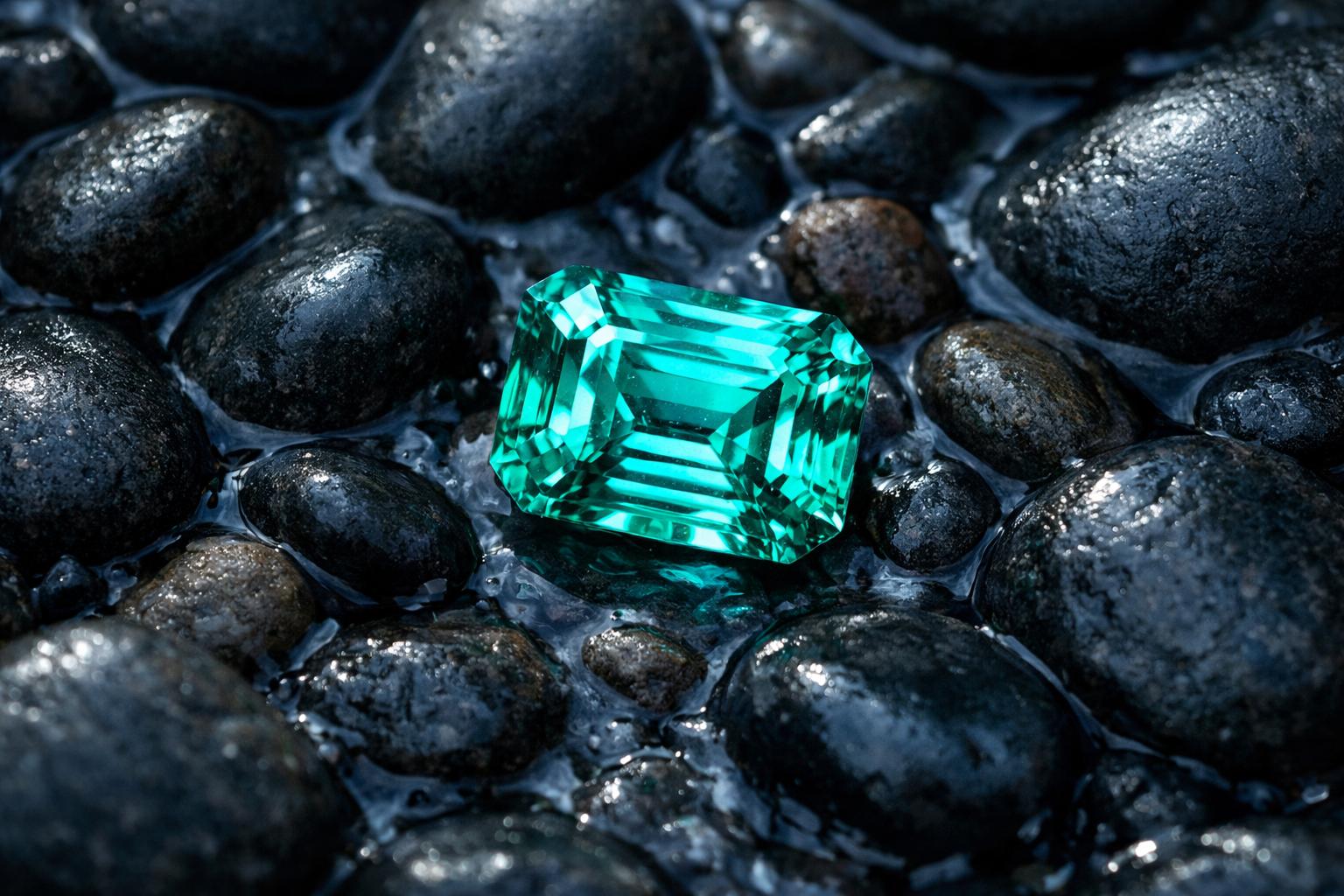
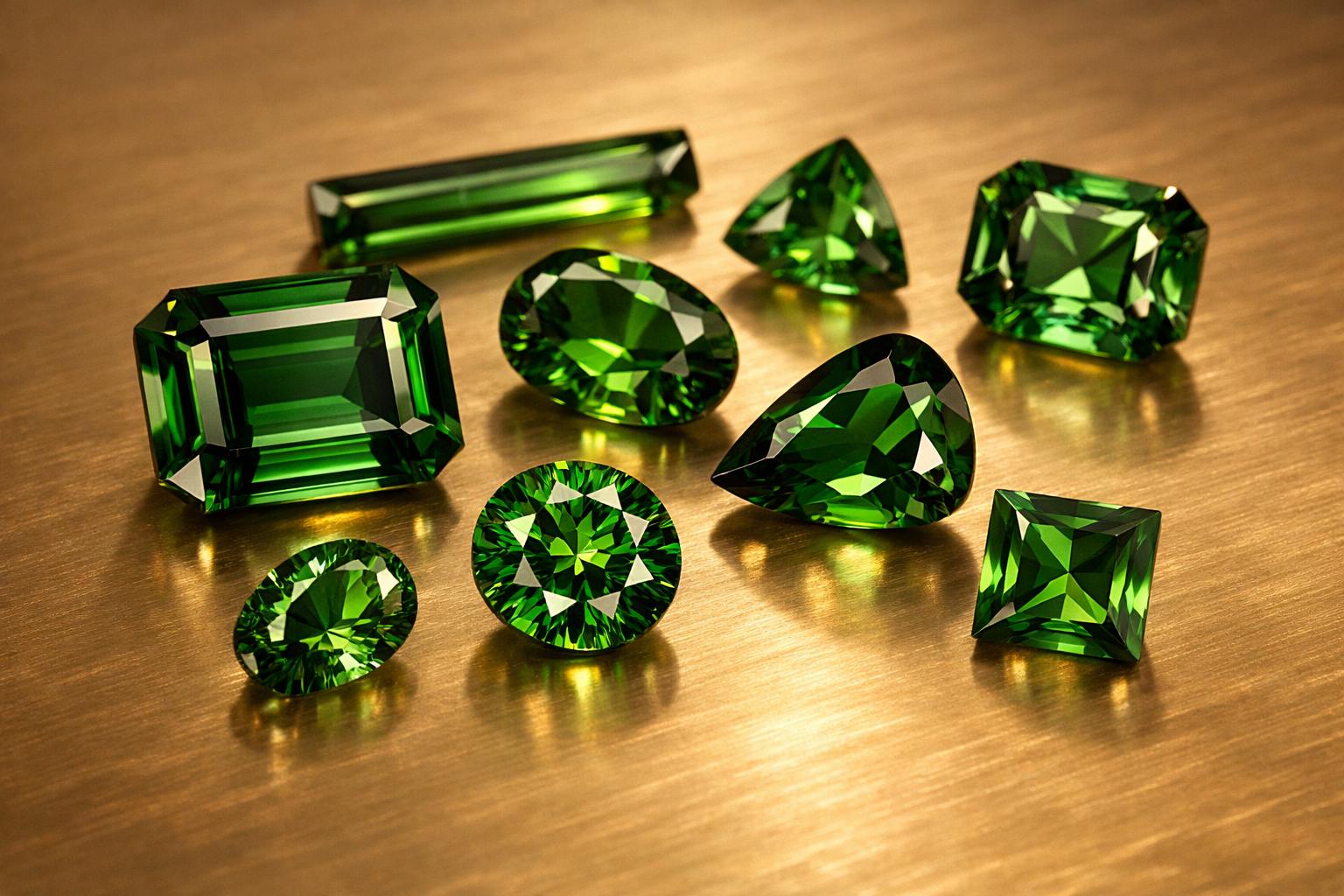
Paraiba tourmaline is a distinctly vibrant gemstone known for its neon and vivid hues, primarily influenced by its origin. The notable sources of Paraiba tourmaline are Brazil, Mozambique, Nigeria, and Tanzania, with each region imparting unique qualities to the stones. Understanding these origins is essential for discerning quality and value.
Notable Sources of Paraiba Tourmaline

The origins of Paraiba tourmaline play a significant role in determining its value and character. Brazil is often considered the most prestigious source, particularly the state of Paraiba, from which the gemstone derives its name. However, significant deposits have also been discovered in Mozambique and Nigeria, as well as in Tanzania, each offering variations in color and clarity.
Impact of Origin on Color and Character
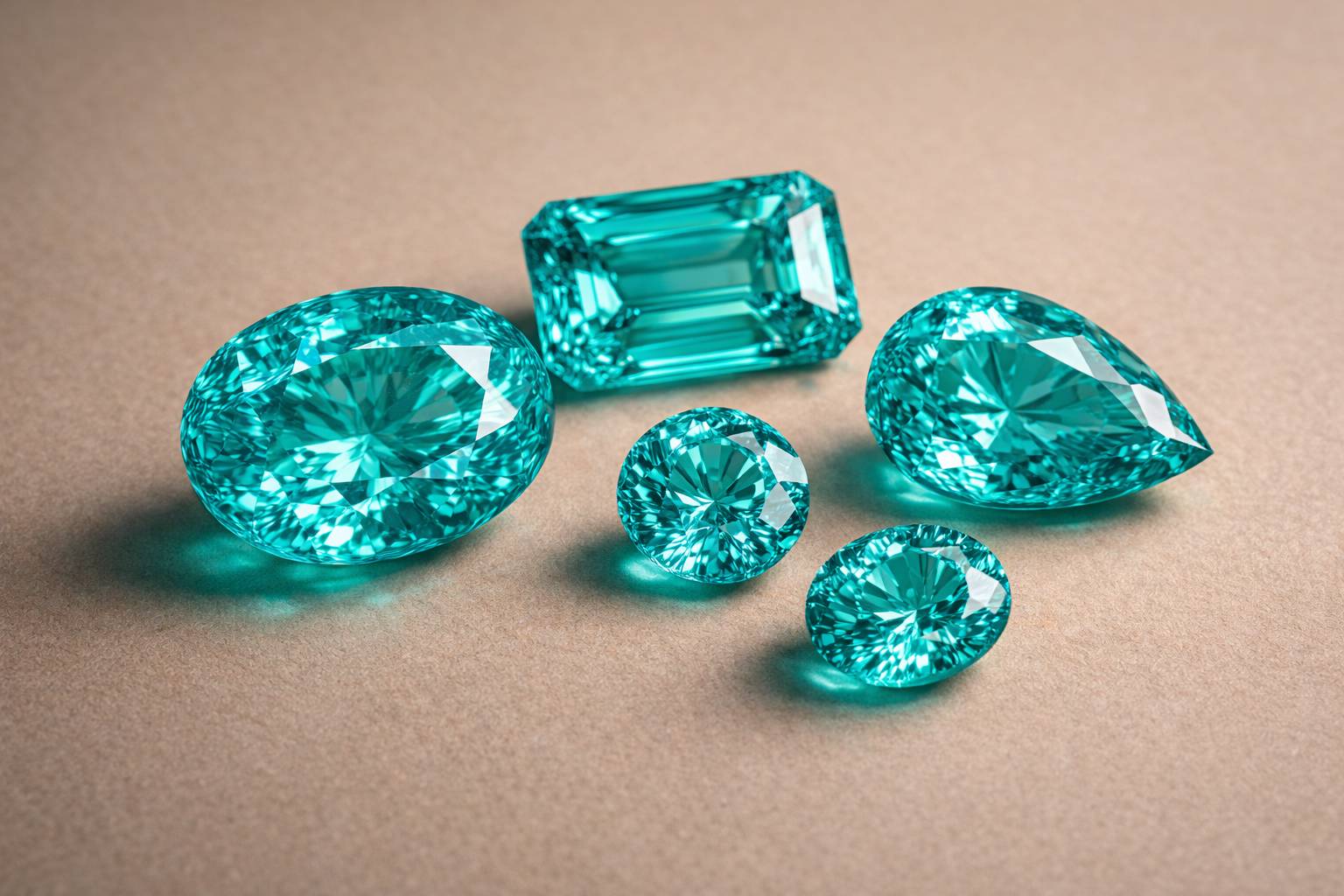
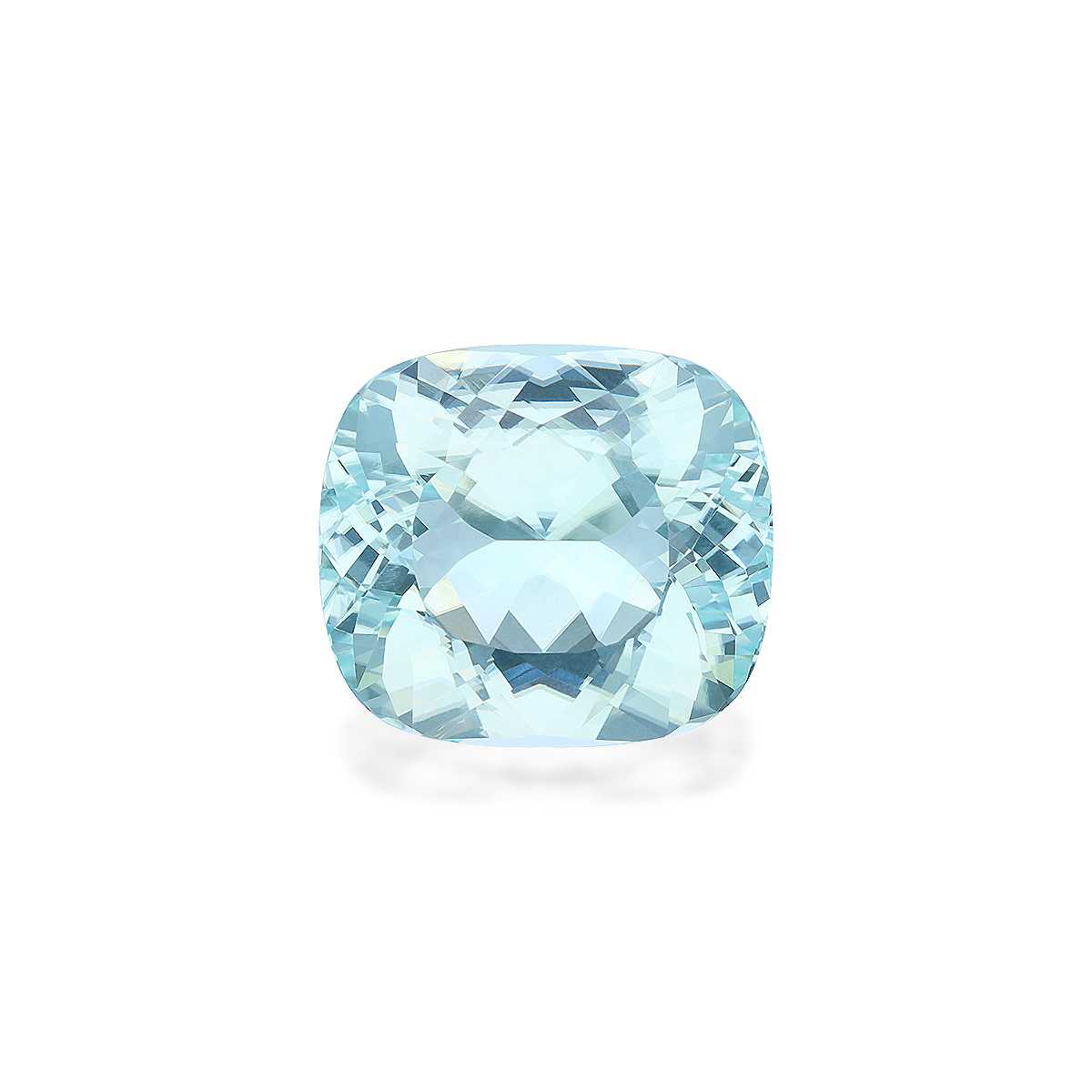
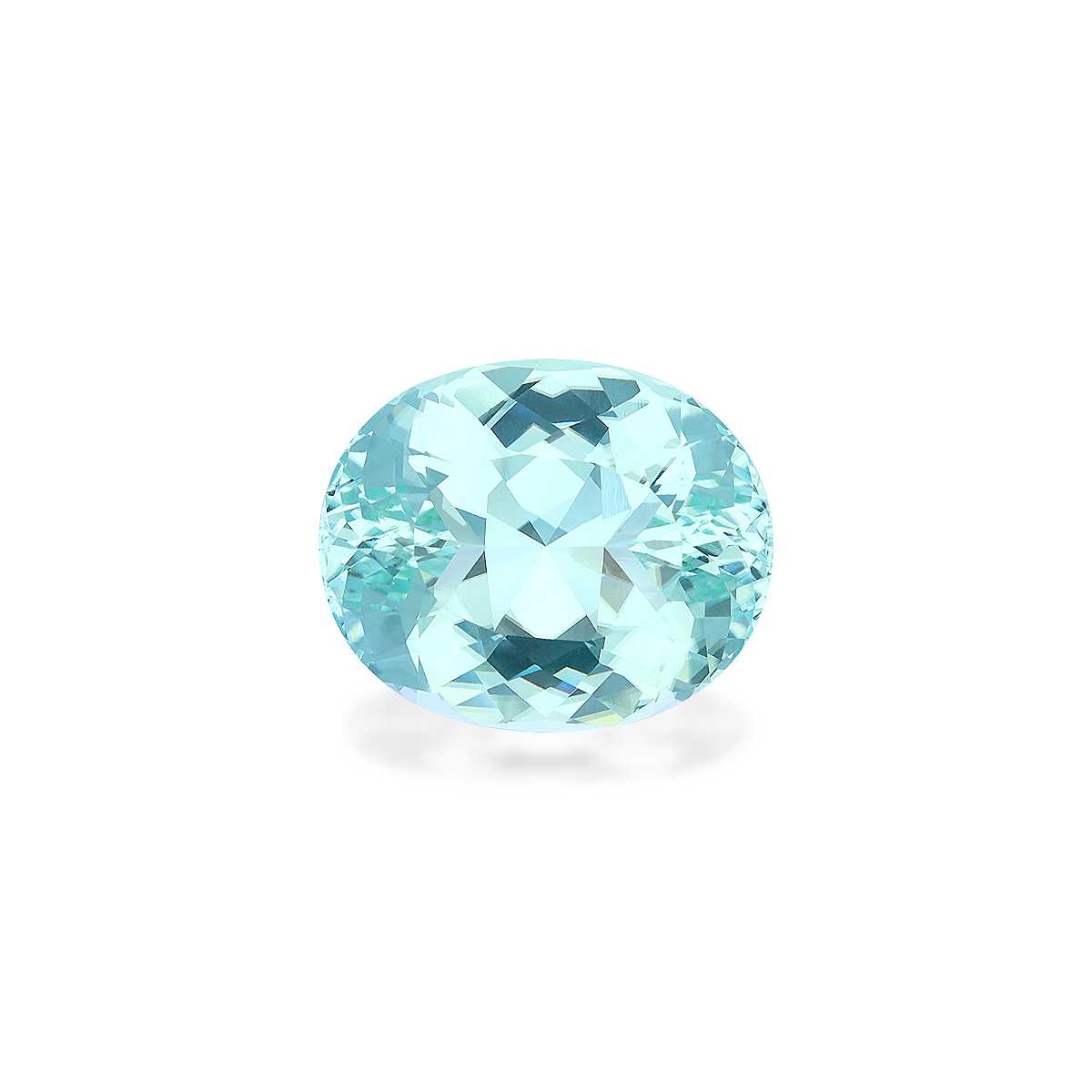
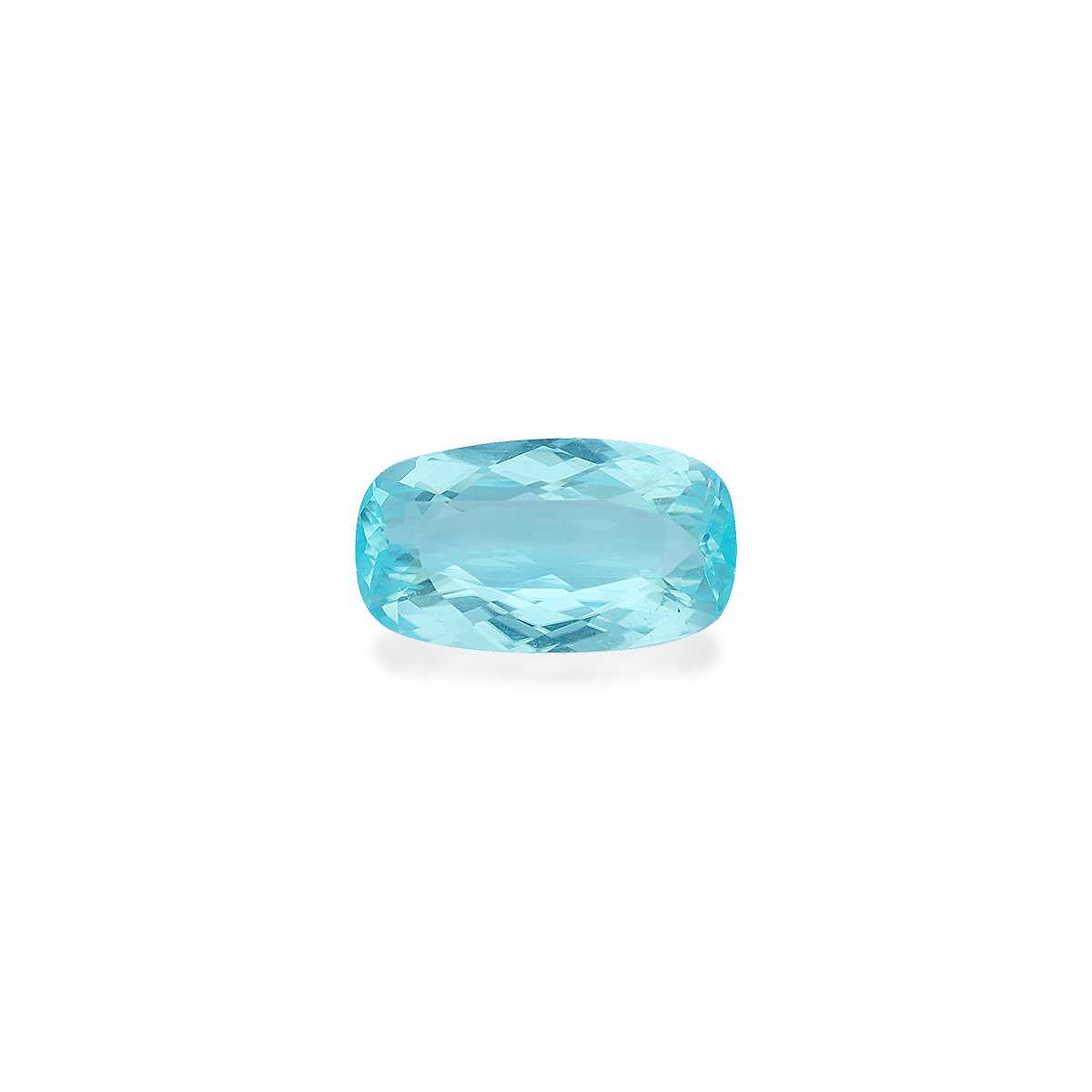
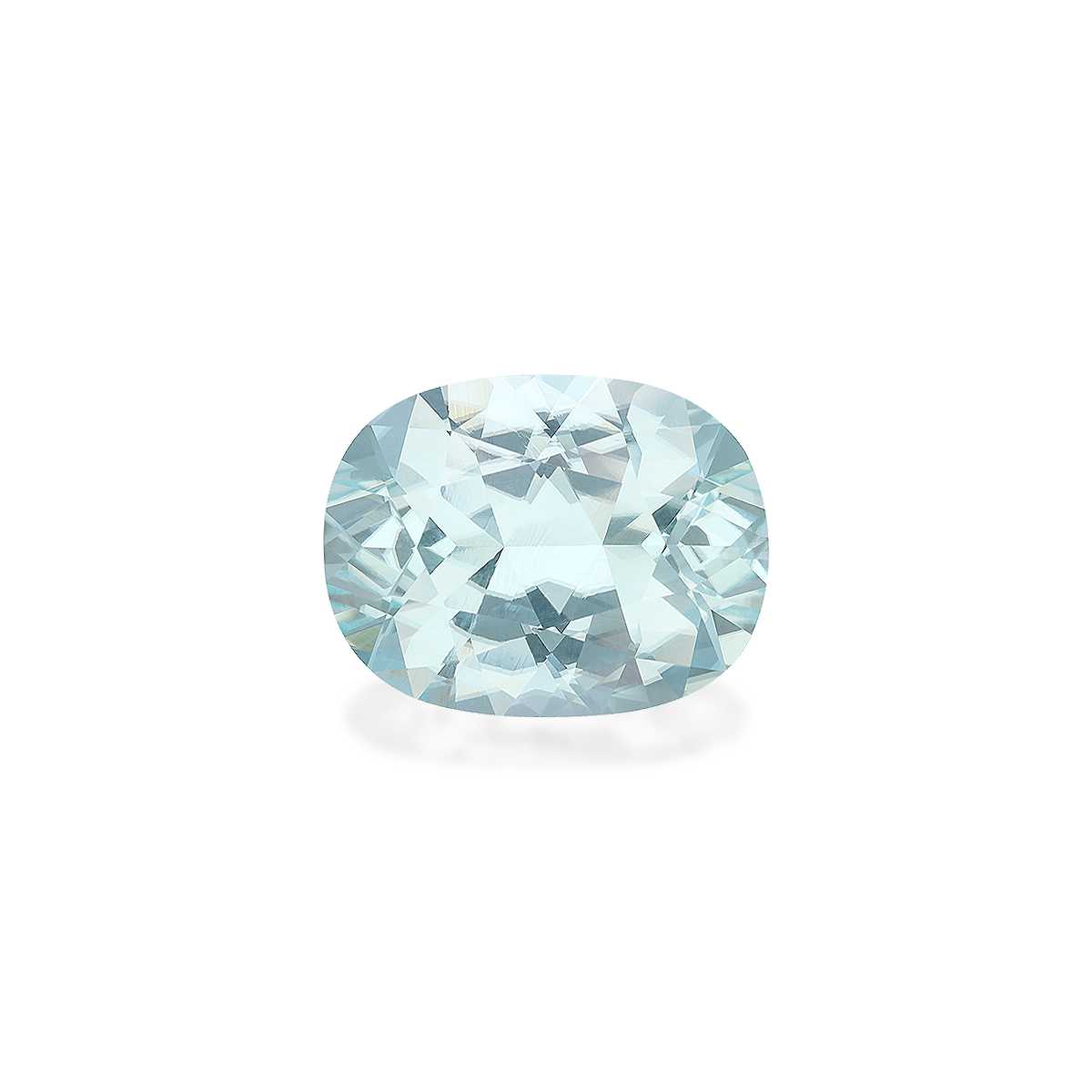
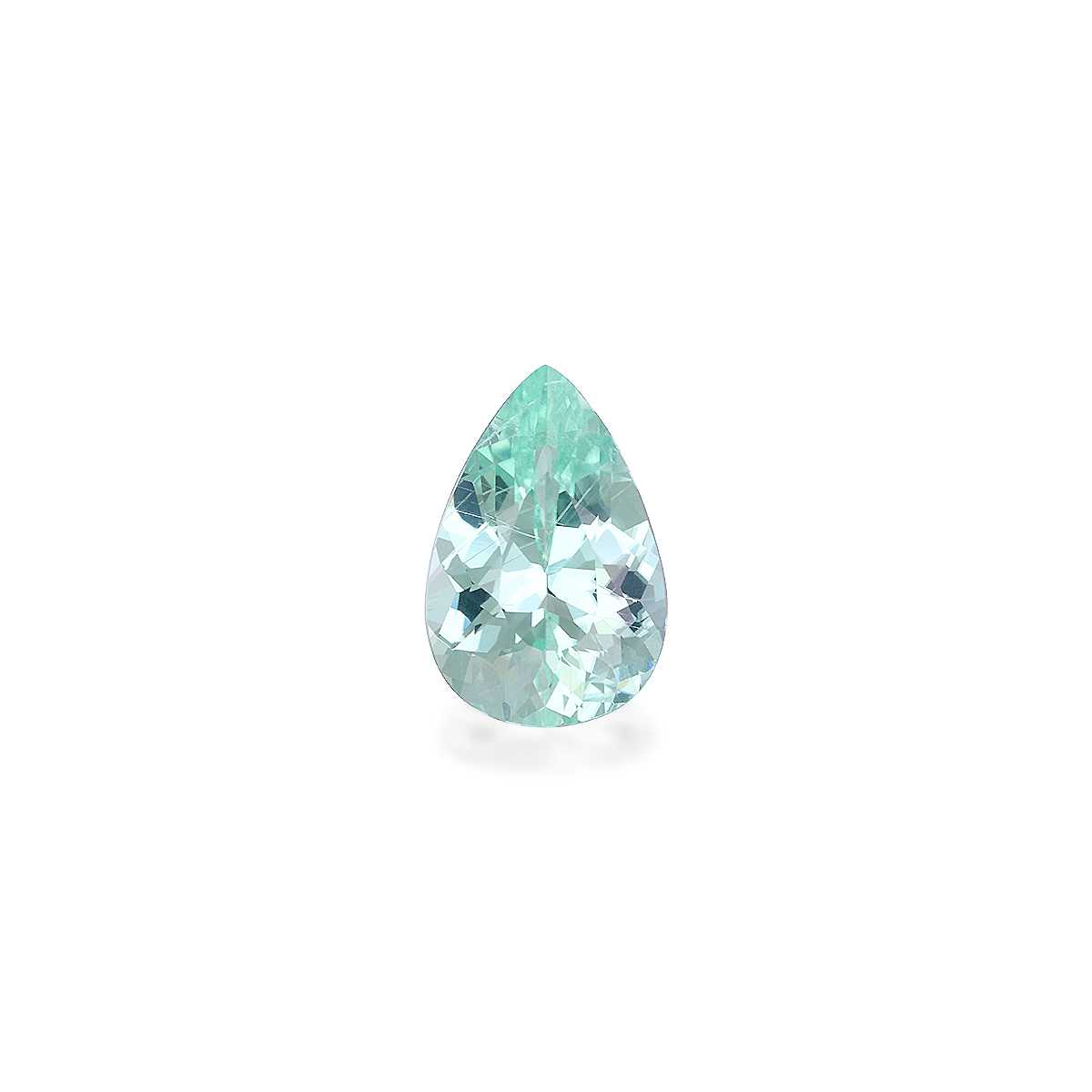
The geographic source of Paraiba tourmaline greatly affects its color. Brazilian stones are renowned for their vibrant neon blues and greens, while African stones often exhibit more subdued shades with hints of violet. The presence of copper and manganese is responsible for these striking colors, with copper being a key contributor to the neon hue.
More from Paraiba Tourmaline
Determining Origin: The Role of Gemmological Analysis
Identifying the origin of Paraiba tourmaline requires specialized gemmological analysis. Advanced techniques, including spectroscopy and chemical analysis, can reveal the presence of trace elements that indicate a stone's source. For example, a high copper content typically denotes Brazilian origin, while distinct mineral inclusions may suggest African sources.
Value Drivers: What to Consider
When evaluating Paraiba tourmaline, several factors influence its value. Color intensity is paramount, with more vibrant hues fetching higher prices. Clarity and size also play important roles, as larger stones with minimal inclusions are rare. The origin can significantly affect market value; stones from Brazil often command higher prices compared to those from Africa.
Buyer Pitfalls: Avoiding Common Mistakes
Serious buyers should be cautious of overpaying for low-quality stones. Not all Paraiba tourmalines are equally valuable, and misconceptions about treatment implications can lead to poor investment decisions. Understanding that common treatments include heating can help buyers make informed purchases, as unheated stones are often perceived as more desirable.
Paraiba Tourmaline price guide (per carat, USD)
Based on 398 paraiba tourmaline in stock, updated August 24, 2026.
Conclusion
Understanding the origins and characteristics of Paraiba tourmaline is essential for serious buyers. By recognizing the impact of provenance on color and value, enthusiasts can make informed decisions when purchasing this vibrant gemstone.
Frequently asked questions
What causes the color in Paraiba tourmaline?+
The vibrant colors of Paraiba tourmaline are primarily caused by the presence of copper and manganese. These elements give the stone its distinctive neon and vivid hues.
How can I determine the origin of my Paraiba tourmaline?+
The origin of Paraiba tourmaline can be determined through gemmological analysis, utilizing techniques such as spectroscopy to identify trace elements that indicate its source.
Why is Brazilian Paraiba tourmaline considered more valuable?+
Brazilian Paraiba tourmaline is often more valuable due to its historical significance and the vibrant neon colors typical of this region, making it highly sought after.
What are the common inclusions found in Paraiba tourmaline?+
Common inclusions in Paraiba tourmaline include liquid inclusions, gas bubbles, and crystals. These inclusions can affect a stone's clarity and overall value.
Are all Paraiba tourmalines treated?+
Not all Paraiba tourmalines are treated; however, common treatments such as heating are accepted in the industry. Buyers should be aware of treatment implications when purchasing.
You may also like
More reading from our journal.