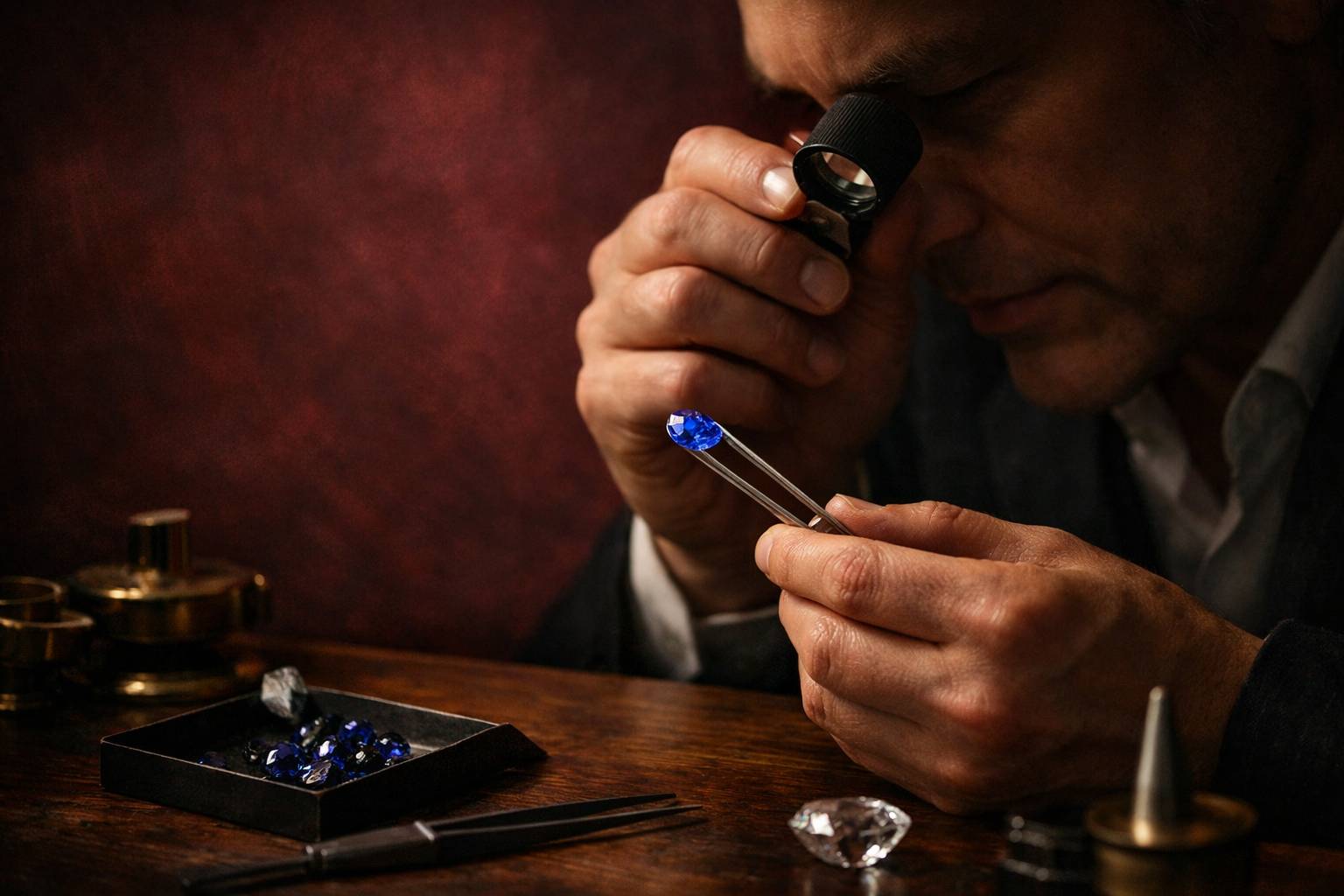
The Art of Gemstone Appraisal
Gemstone appraisal is a refined art that combines expertise, experience, and a deep understanding of the intrinsic qualities of gemstones. The value of a gemstone is not merely a reflection of its appearance; it encompasses a myriad of factors including origin, quality, and market demand. In this exploration of gemstone appraisal, we will delve into the essential components that define a gemstone's worth and authenticity.
Understanding Gemstone Quality
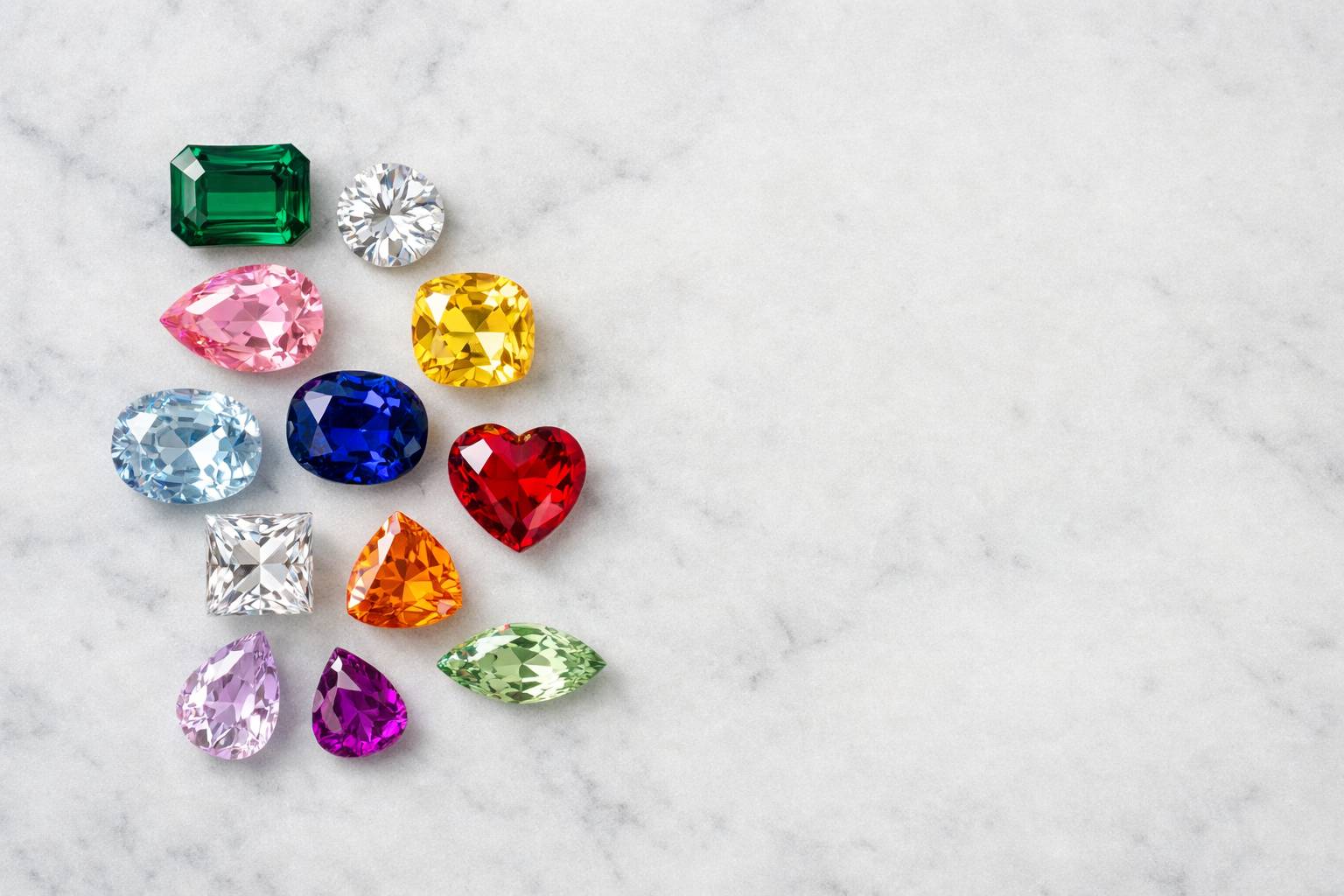
The quality of a gemstone is assessed through several criteria commonly referred to as the Four Cs: Cut, Color, Clarity, and Carat weight. Each of these characteristics plays a significant role in determining the overall value of the gemstone.
Cut
The cut of a gemstone is paramount in influencing its brilliance and sparkle. A well-executed cut enhances the stone's ability to reflect light, thereby elevating its visual appeal. For example, a diamond cut to precise proportions will exhibit exceptional fire and scintillation, significantly increasing its market value.
Color
Color is another critical factor, particularly for colored gemstones. The hue, saturation, and tone of a gemstone can dictate its desirability. For instance, a deep blue sapphire is often more sought after than a lighter shade, making its color grading vital during appraisal.
Clarity
Clarity refers to the presence of inclusions or blemishes within a gemstone. Stones with fewer imperfections are typically valued higher. For example, a flawless emerald is exceedingly rare and commands a premium price compared to one with visible inclusions.
Carat Weight
Carat weight measures the size of a gemstone. While larger stones are generally more valuable, the quality of the Four Cs can greatly influence the value. A small, high-quality gemstone may surpass a larger stone with inferior characteristics in worth.
Origin and Its Impact on Value
The origin of a gemstone significantly affects its appraisal. Certain locations are renowned for producing exceptional quality stones, such as Burmese rubies or Kashmir sapphires. The geographical provenance can enhance a gemstone's desirability and, consequently, its market value. Gemstone origins often carry prestigious trade names, which can indicate higher quality and authenticity.
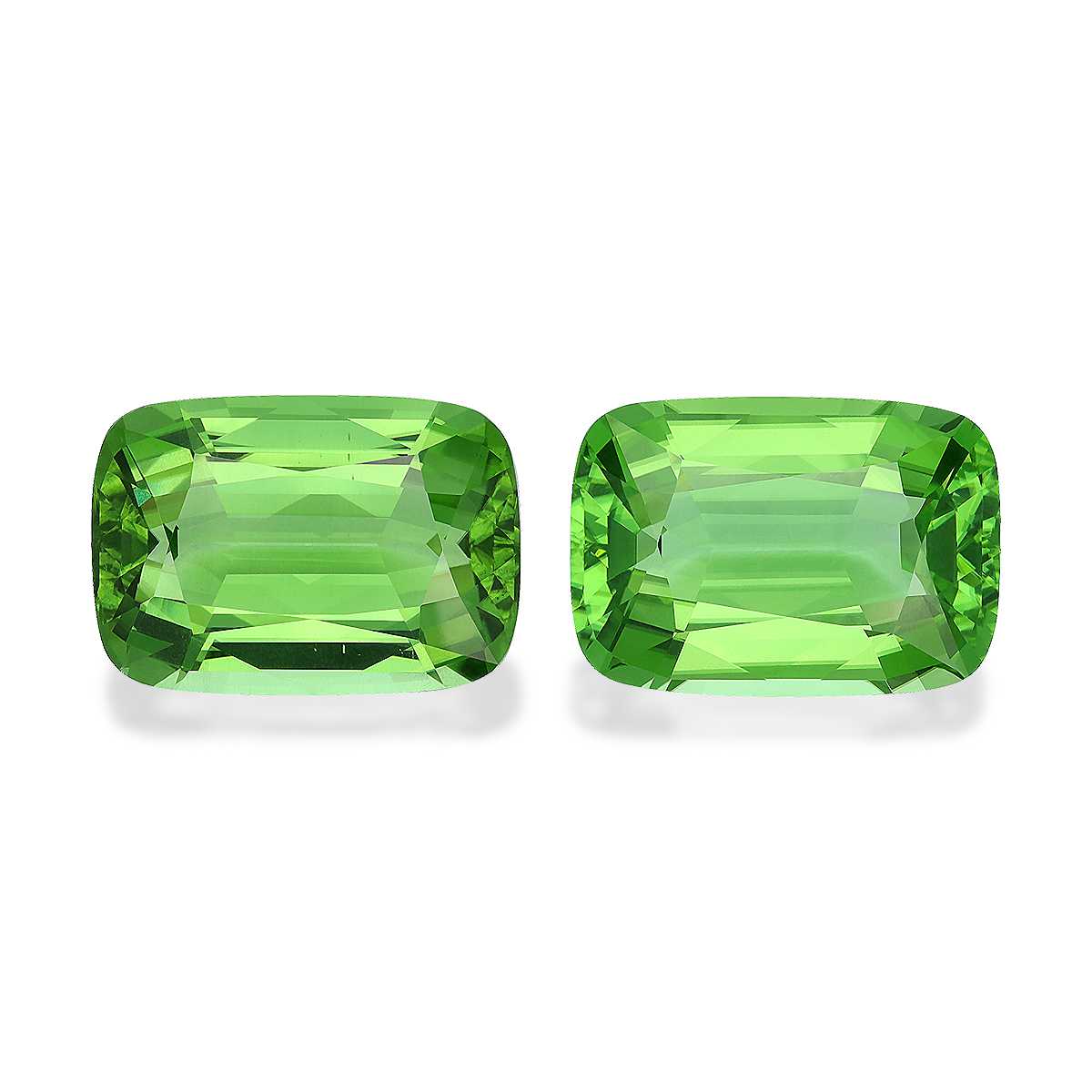
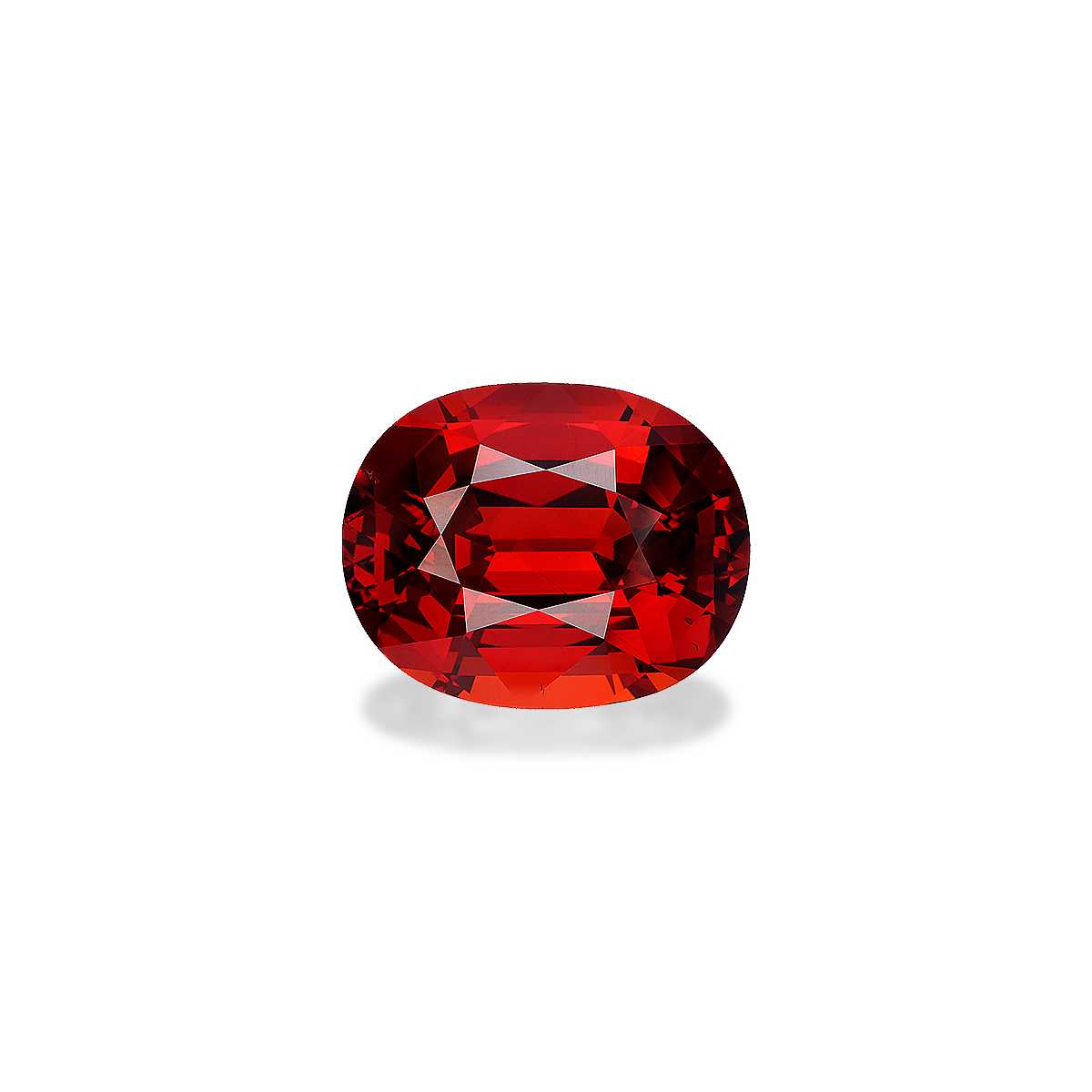
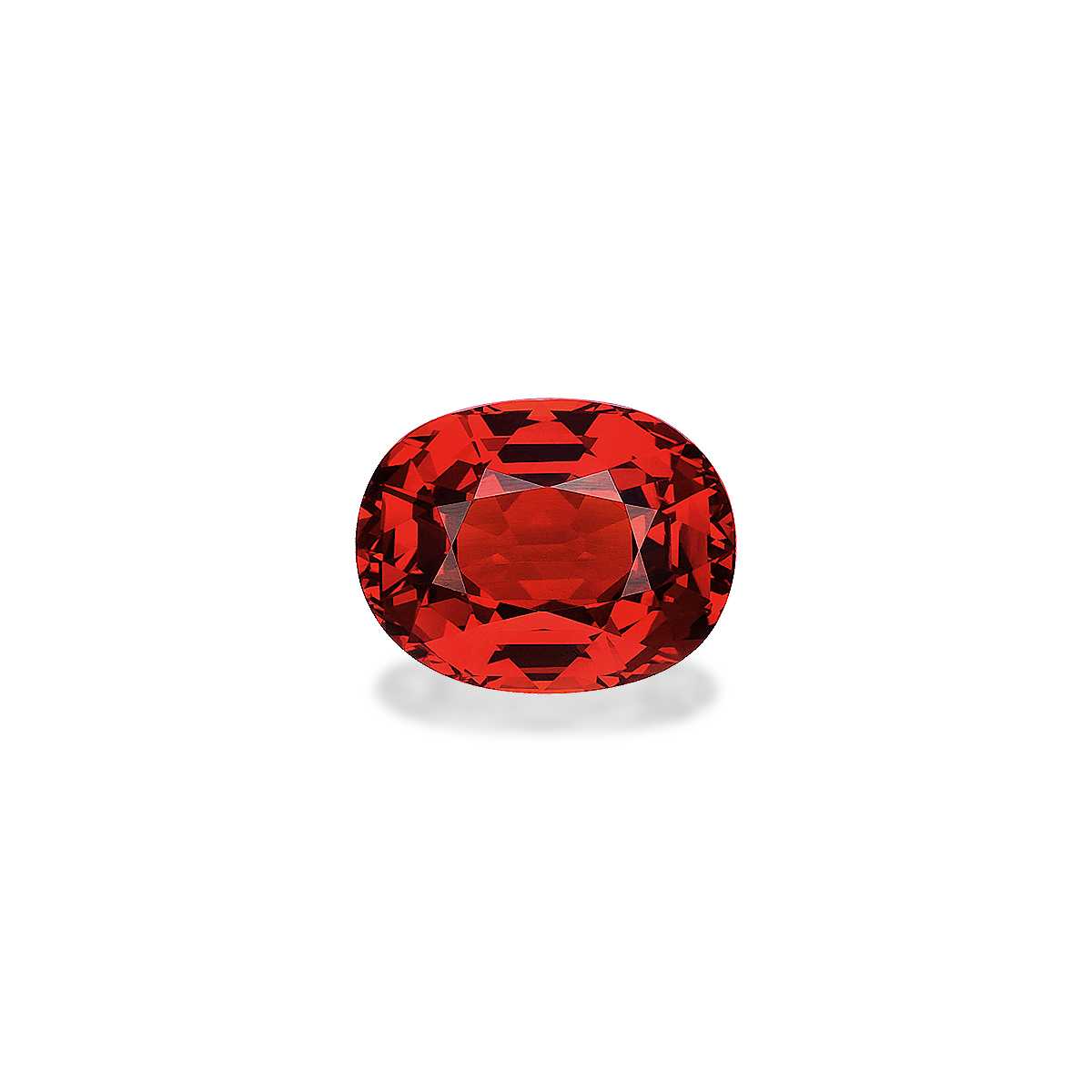
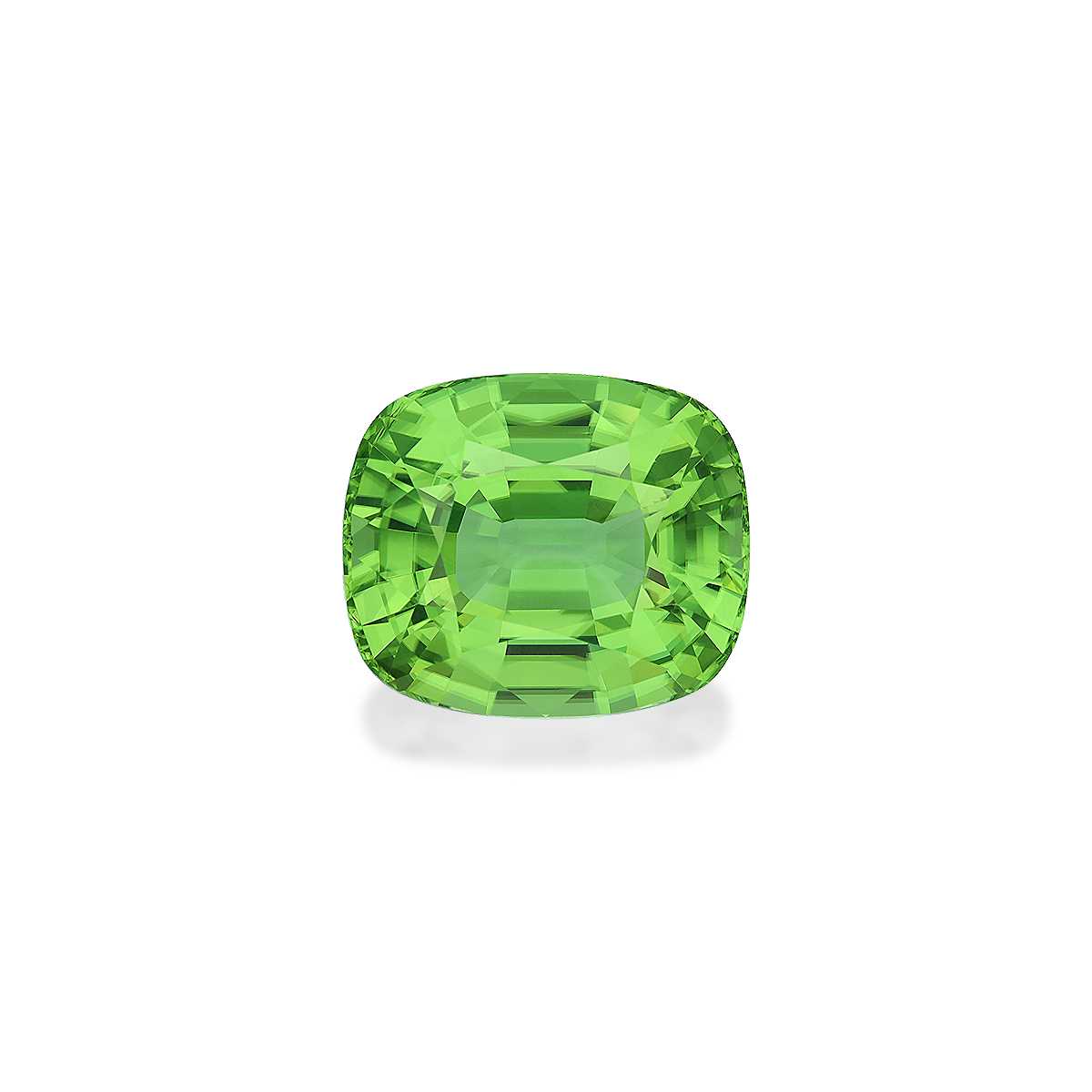
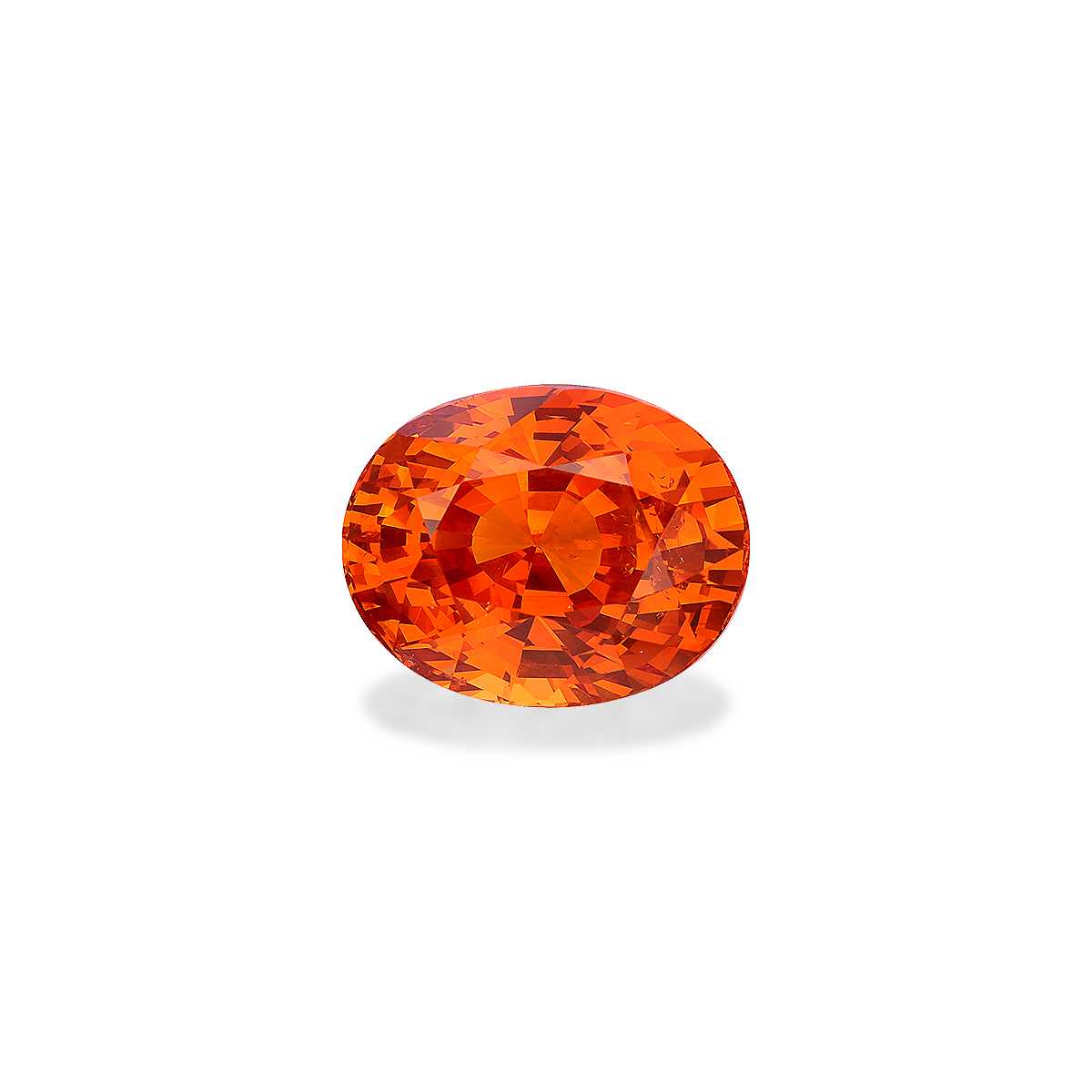
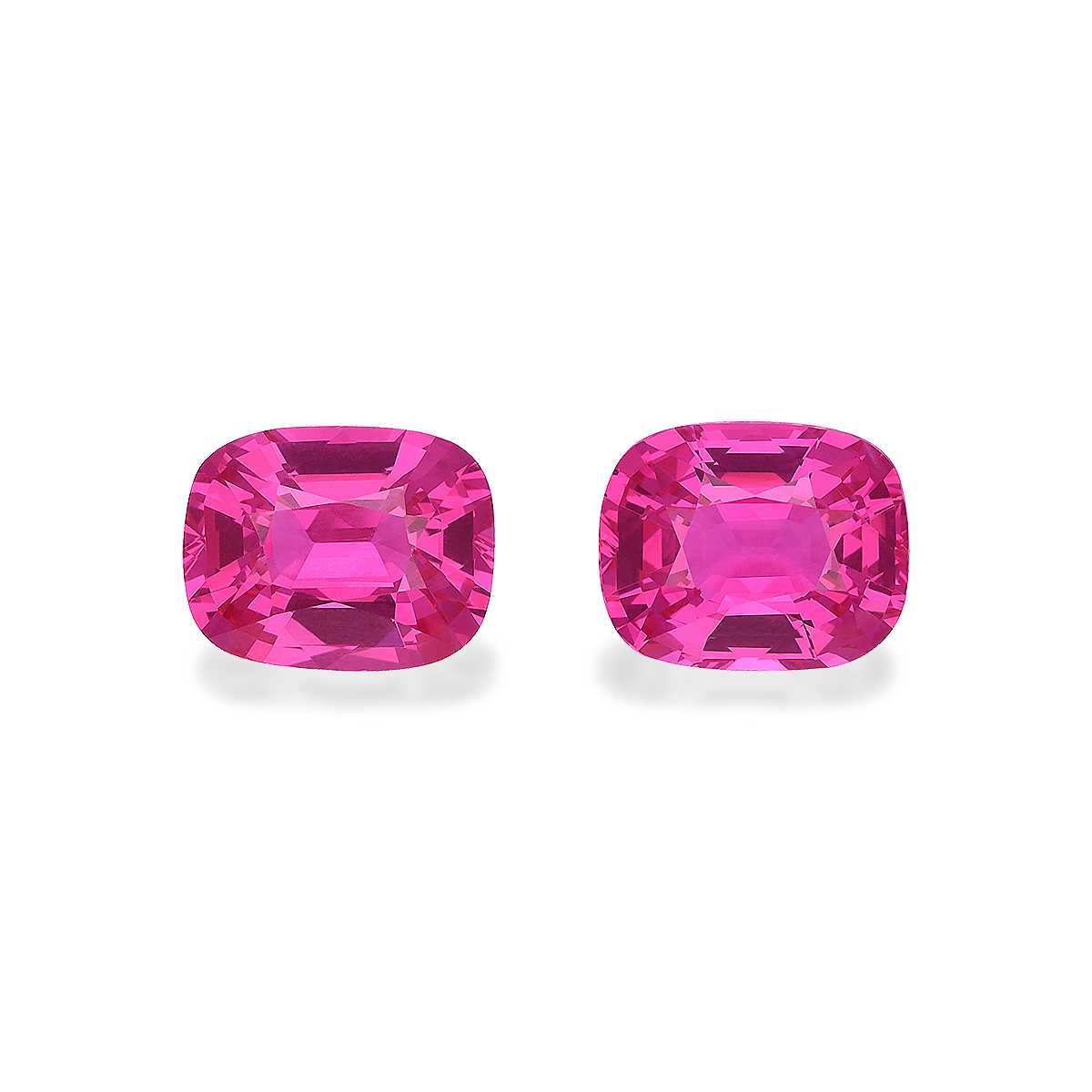
Explore our gemstones
Authenticating Gemstones
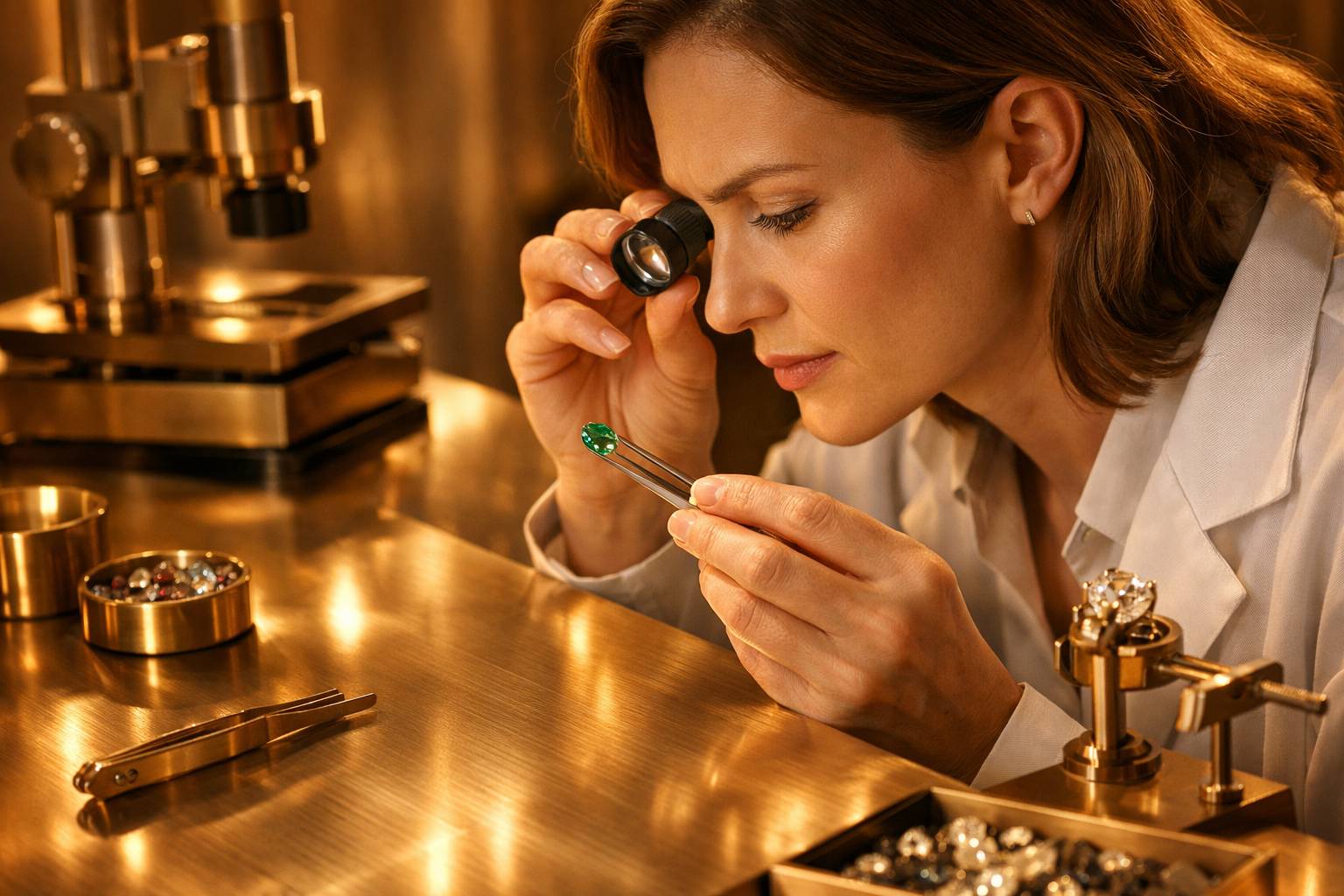
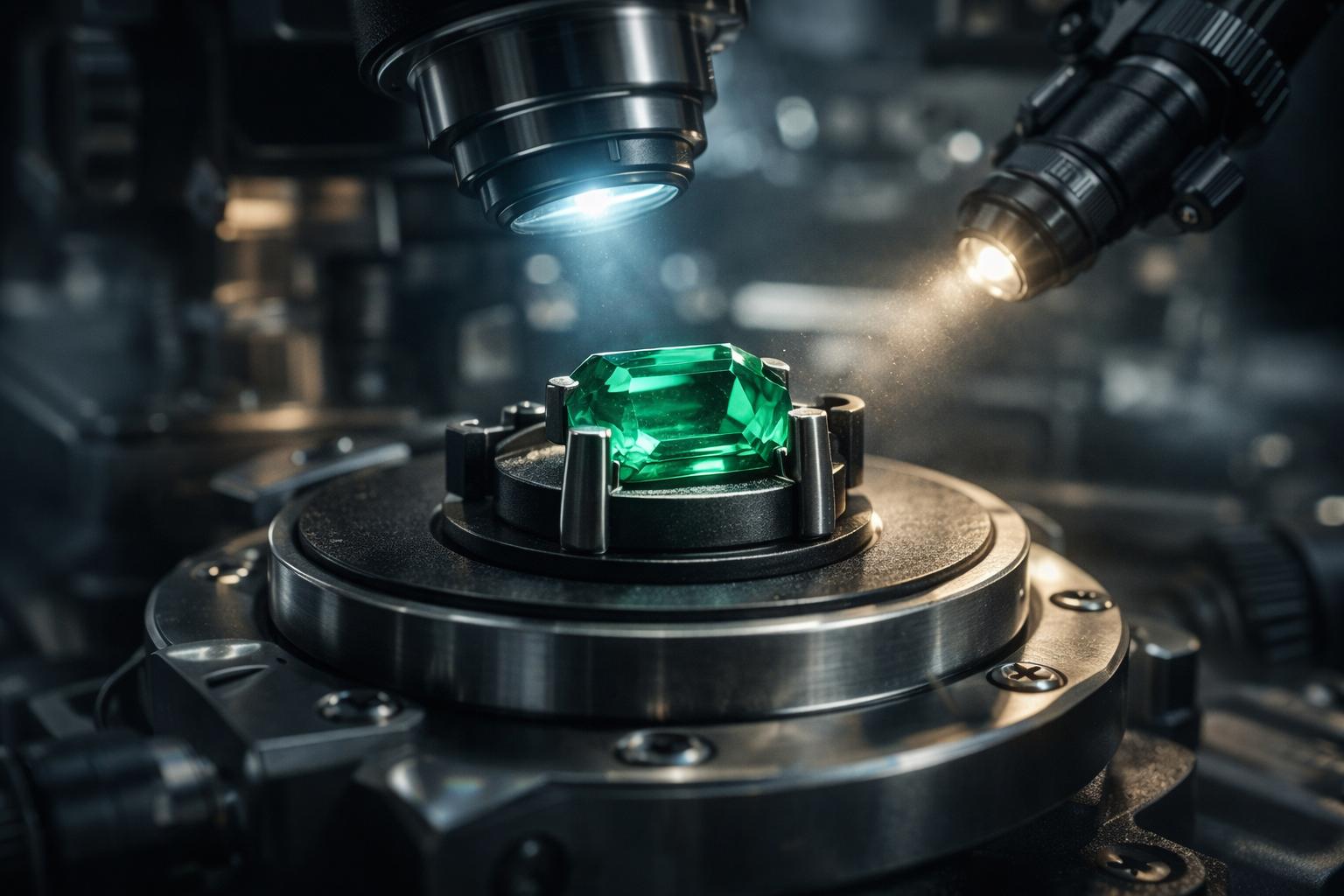
Gemstone authentication is a critical step in the appraisal process. Gemologists utilize specialized tools and techniques to examine and confirm the authenticity of a gemstone. This includes assessing its physical and optical properties, as well as conducting tests to determine its treatment status.
Treatments and Enhancements
Many gemstones undergo treatments to enhance their appearance, such as heat treatment for sapphires or oil treatment for emeralds. While these enhancements can improve a stone's visual appeal, they can also affect its value. An untreated gemstone, particularly in the case of colored stones, is often valued significantly higher than one that has been treated.
The Role of Market Trends
The market demand for specific gemstones fluctuates based on trends in fashion, investment potential, and consumer preferences. For instance, the rise in popularity of vintage and antique jewelry has increased the value of certain gemstones, particularly those that possess historical significance. Staying informed about market trends is essential for both gemologists and collectors alike.
Choosing a Qualified Appraiser
Engaging a qualified gemologist for an appraisal is crucial to ensure an accurate evaluation. Look for professionals who possess recognized certifications and have substantial experience in gemstone assessment. A reputable appraiser will provide a detailed report that outlines the gemstone's characteristics, authenticity, and fair market value. For more information on how to approach gemstone appraisal, you can refer to Wikipedia's overview of gemstones. Additionally, you can explore choosing the right gemstone for someone special to enhance your understanding of gemstone selection.
You may also like
More reading from our journal.