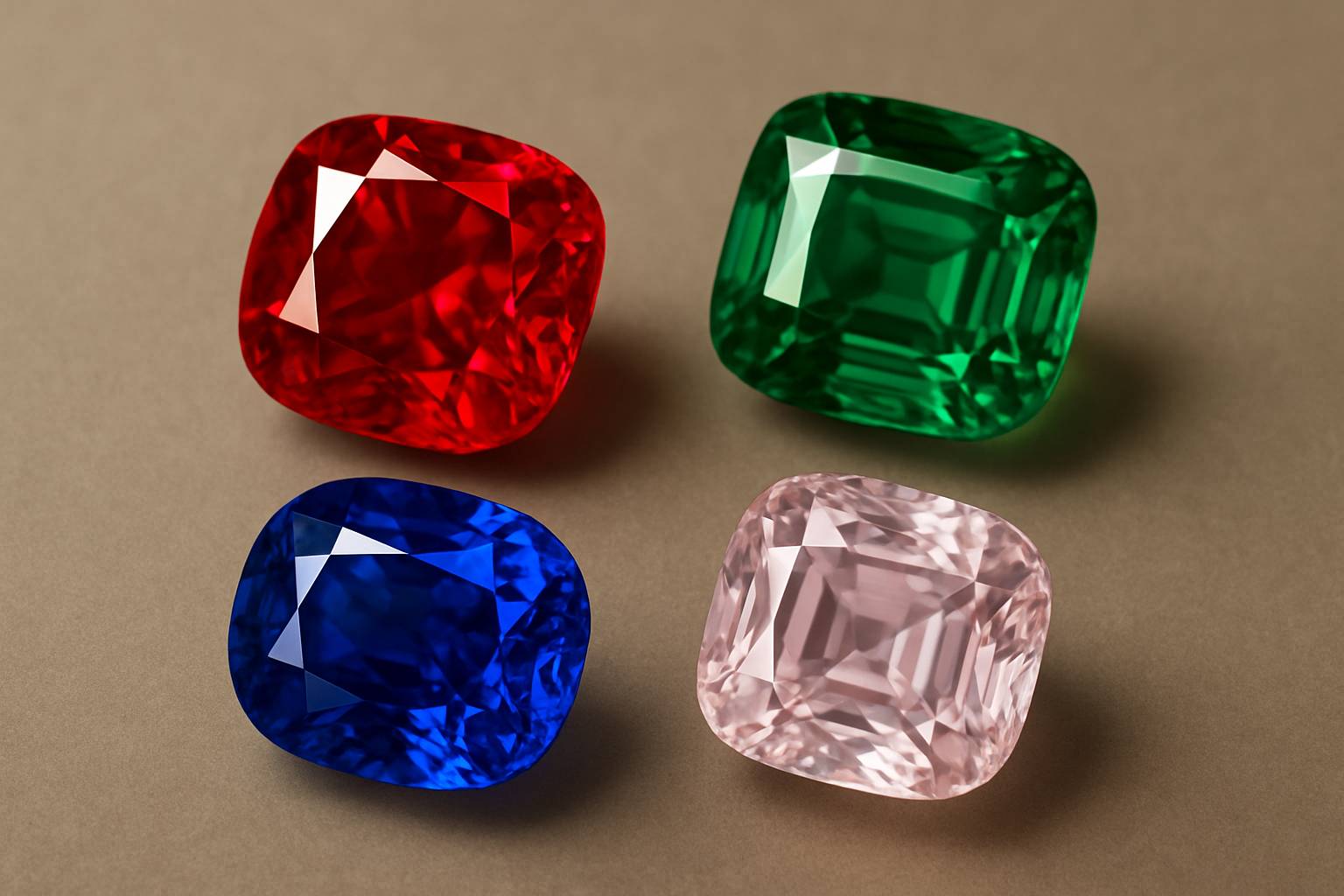
Understanding Gemstone Treatments and Enhancements
In the world of fine jewelry, the allure of gemstones is often accompanied by a complex narrative of treatments and enhancements. Understanding gemstone treatments is essential for discerning collectors and enthusiasts alike. These processes not only reveal the stones' raw beauty but also enhance their market value, durability, and overall appeal.
What Are Gemstone Treatments?
Gemstone treatments refer to various processes applied to enhance the appearance and durability of natural stones. While some treatments are widely accepted and considered standard, others may be controversial or even misleading if not disclosed. It is critical for buyers to be informed about these enhancements to make educated purchasing decisions.
Common Types of Gemstone Treatments
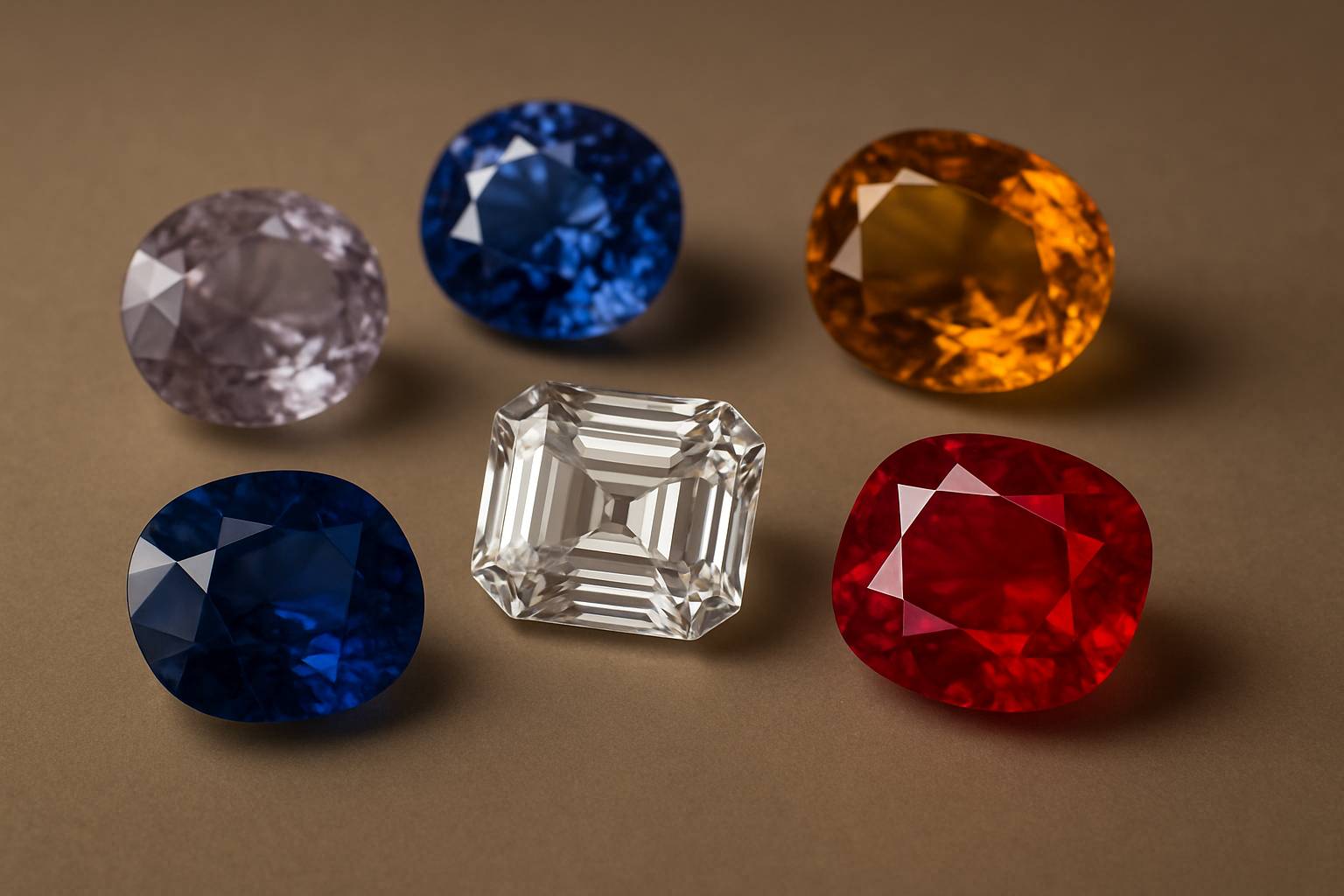
There are several common treatments that gemstone may undergo, each serving a specific purpose:
- Heating: One of the oldest and most widely accepted treatments, heating enhances color and clarity, particularly in sapphires and rubies.
- Oiling: Often used for emeralds, this treatment fills surface fractures with oil to improve transparency and brilliance.
- Dyeing: Some stones, such as agate or jade, may be dyed to achieve vibrant hues that are otherwise rare in nature.
- Laser Drilling: This technique is used to remove inclusions, particularly in diamonds, enhancing their clarity without altering their natural beauty.
Understanding Trade Names and Origins
When discussing gemstone treatments, it is important to recognize the role of trade names and geographical origins. Certain treatments are associated with specific regions; for example, Thai rubies may often be heat-treated, while those from Myanmar are usually untreated. Understanding these nuances can provide deeper insights into the quality and authenticity of a gemstone.
Ethical Considerations in Gemstone Treatments
As the market for gemstones evolves, so do the ethical considerations surrounding treatments. Transparency in disclosing treatments is crucial for maintaining trust between sellers and consumers. Organizations such as the Gemological Institute of America (GIA) provide certification that can help buyers make informed decisions.
Explore our gemstones
Identifying Treated Gemstones
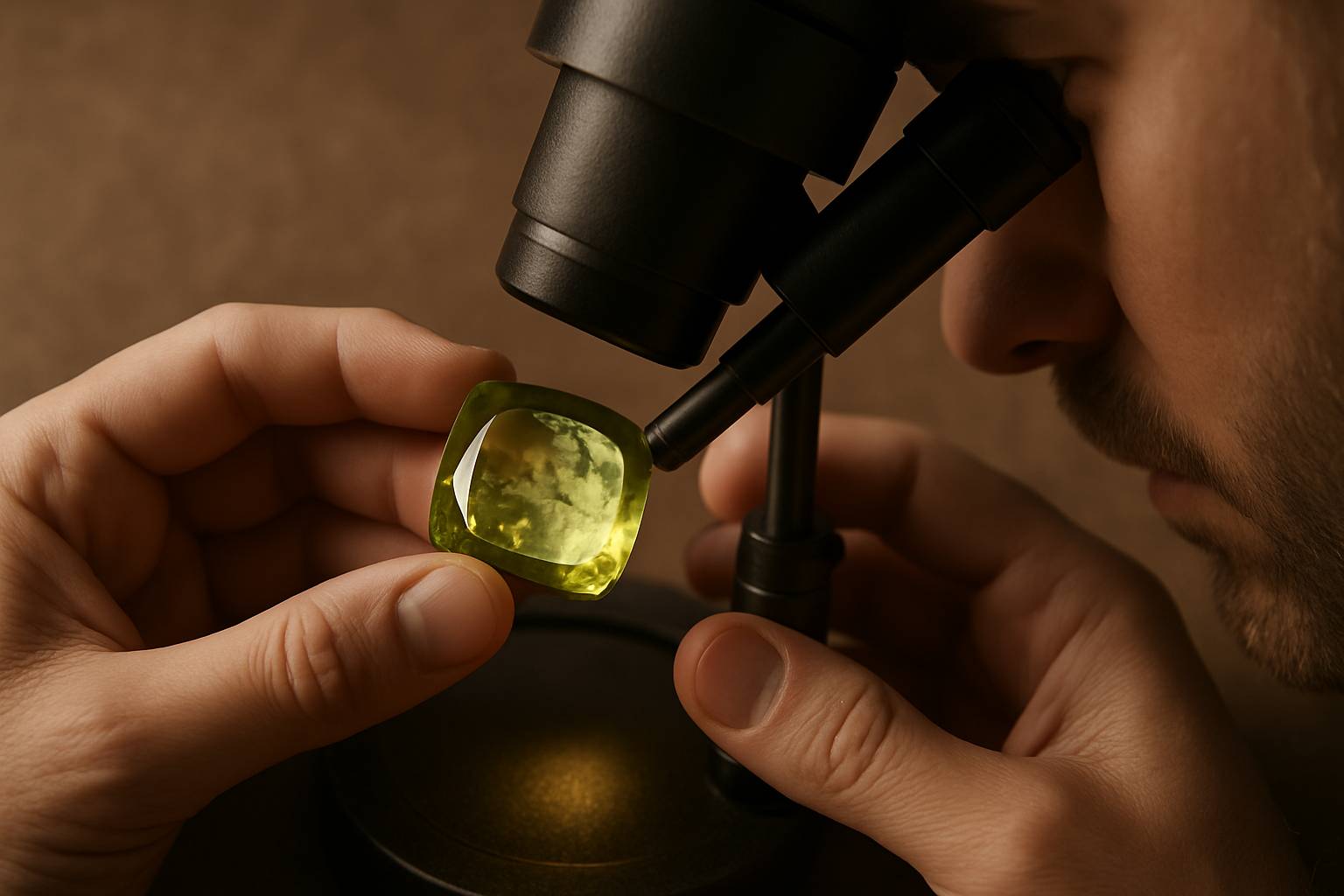
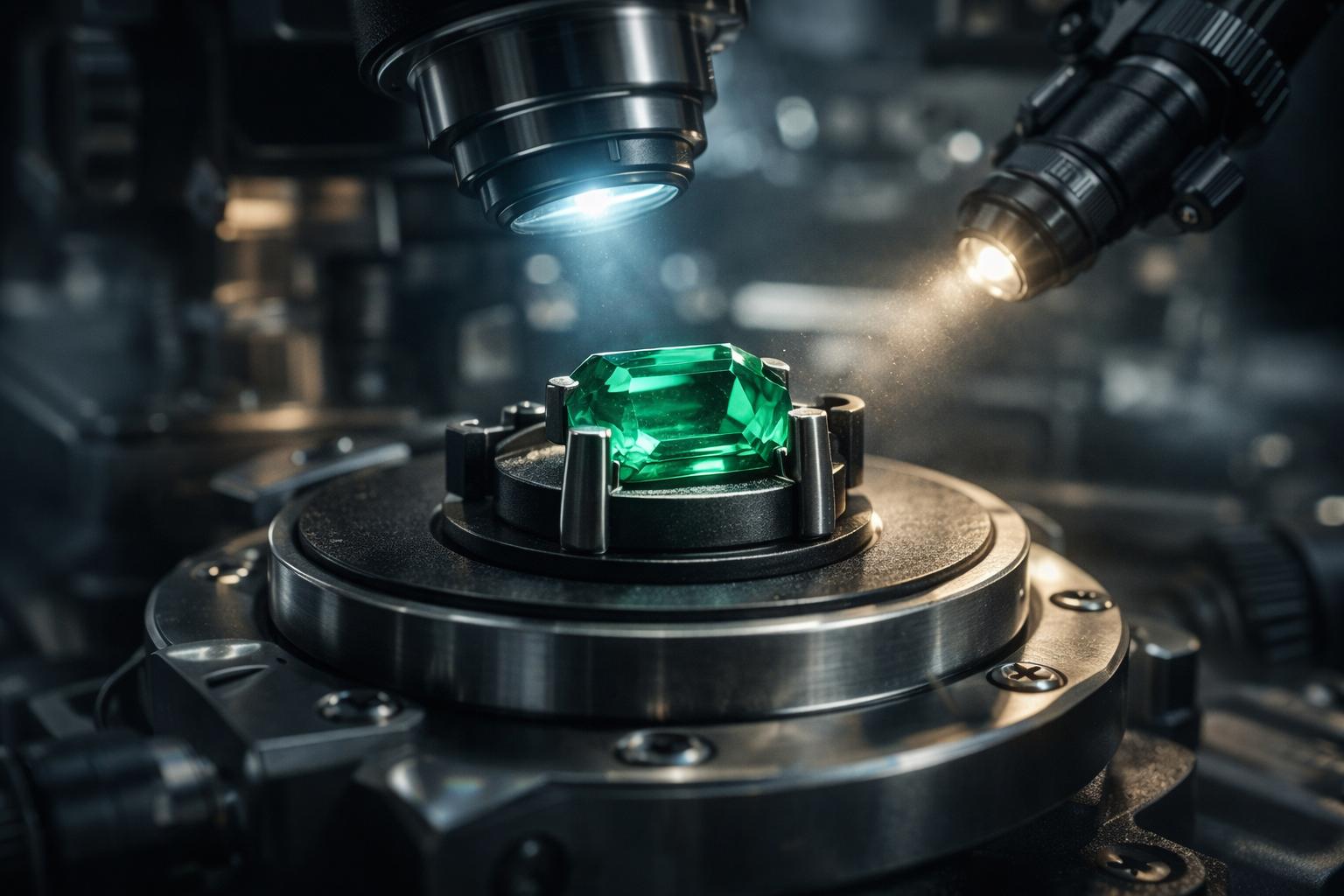
Recognizing whether a gemstone has been treated is not always straightforward. Professional gemological services can provide clarity and certification regarding the treatment status of a stone. However, there are visual cues that knowledgeable collectors may observe:
- Inclusions or fractures that appear filled may indicate oiling.
- Unusual color saturation can suggest dyeing.
- Heating may be inferred through the presence of certain inclusions in sapphires.
The Impact of Treatments on Value
The presence of treatments can significantly affect a gemstone's market value. Untreated stones, particularly those of high quality, often command premium prices. Conversely, treated stones may be valued lower, depending on the nature and extent of the treatment. For collectors, understanding these dynamics is vital for making sound investments.
Conclusion
Awareness of gemstone treatments enriches the appreciation of these exquisite jewels. As a refined gemstone jewelry brand, STARLANKA emphasizes the importance of transparency and education in the gemstone market. By understanding the various treatments and their implications, buyers can make informed choices, ensuring the beauty and value of their jewelry endure over time. For more insights into the world of gemstones, consider reading about choosing the right gemstone or exploring the gemstone engagement rings that can make special moments unforgettable.
You may also like
More reading from our journal.