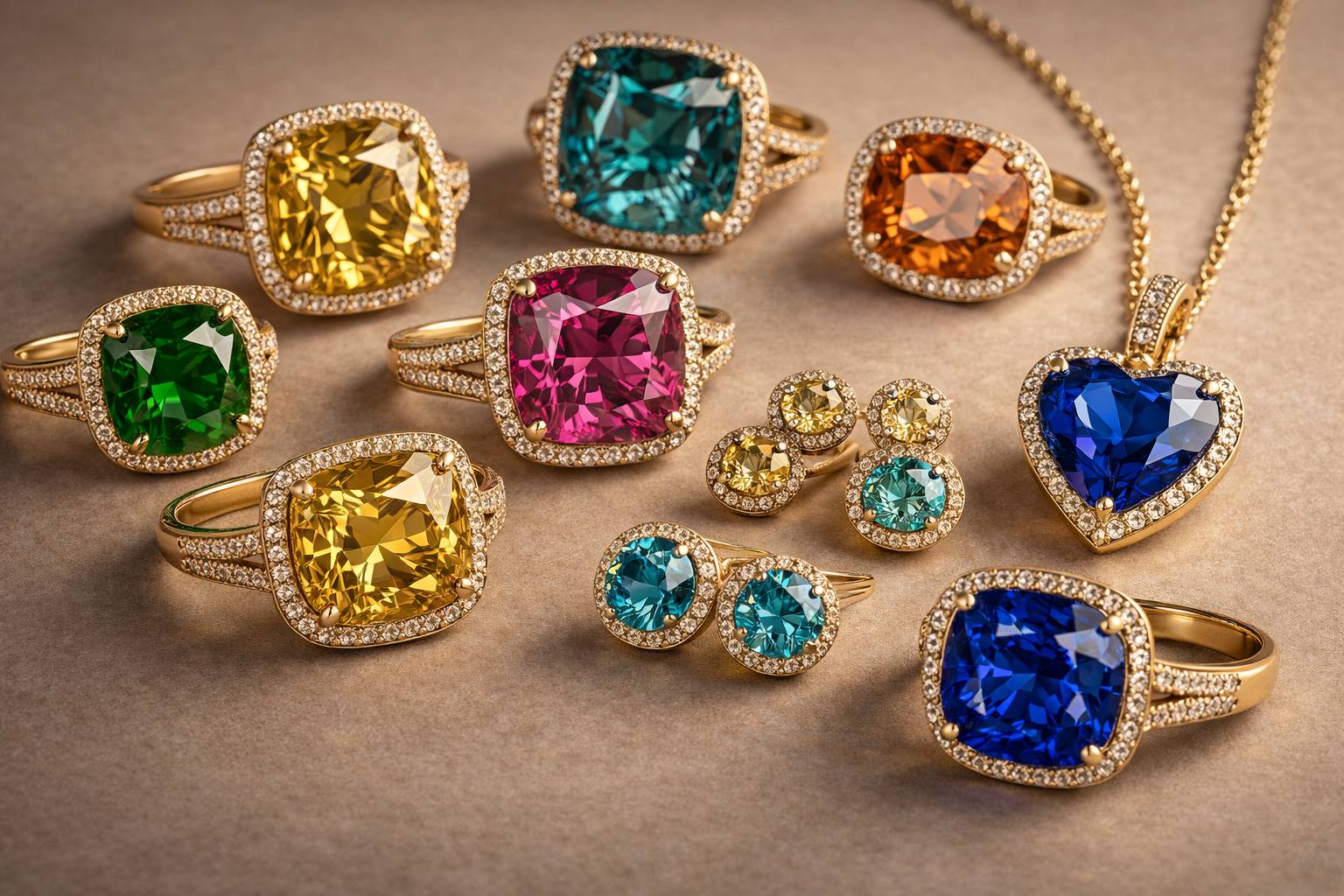
Choosing the Right Gemstone: Essential Buyer Insights
When choosing the right gemstone, prioritize understanding its quality, value determinants, and authentic sources to avoid pitfalls. Consider factors like durability, rarity, and personal significance rather than just appearance. This guide will help you navigate the complexities of gemstone selection.
Understanding Gemstone Durability and Hardness
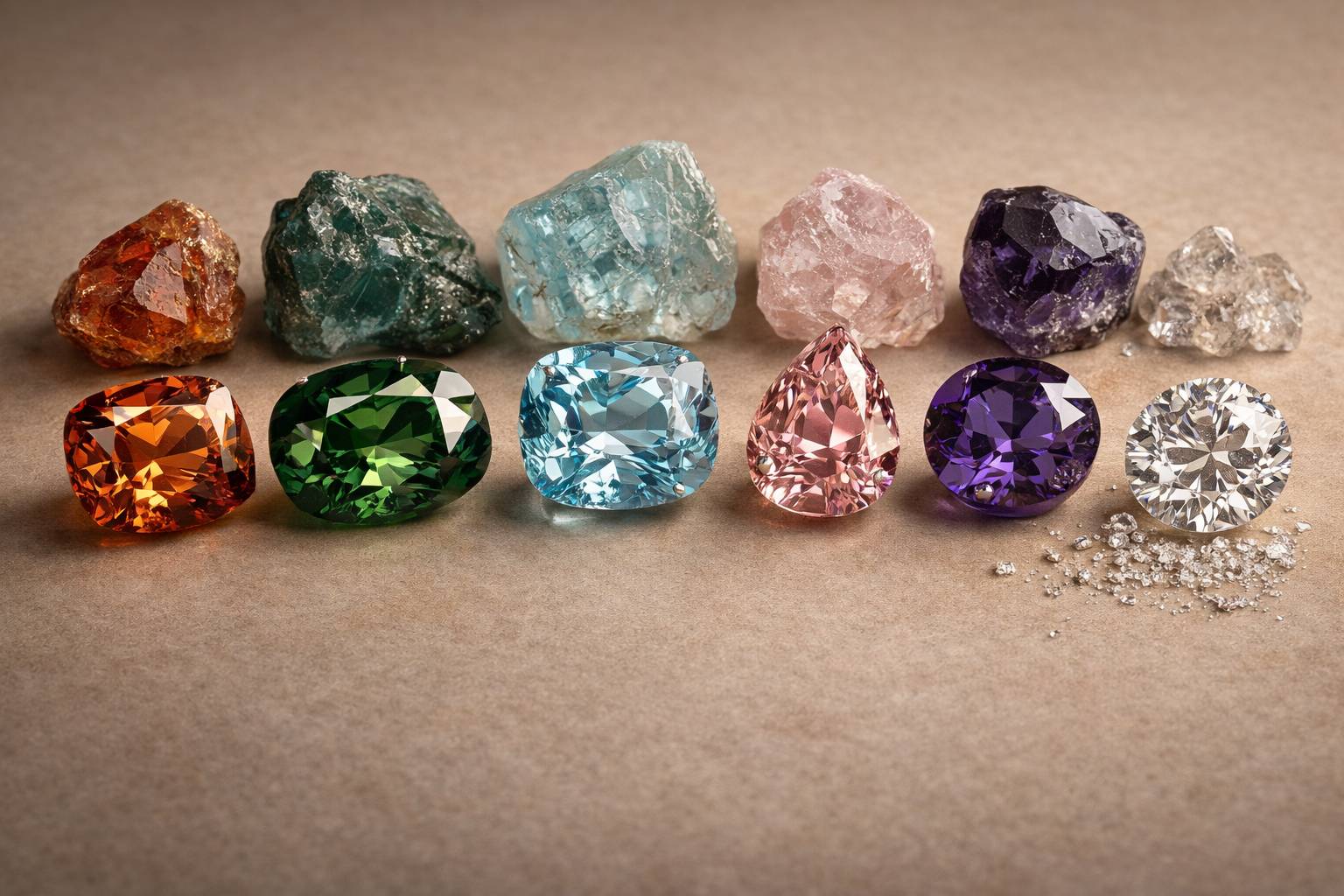
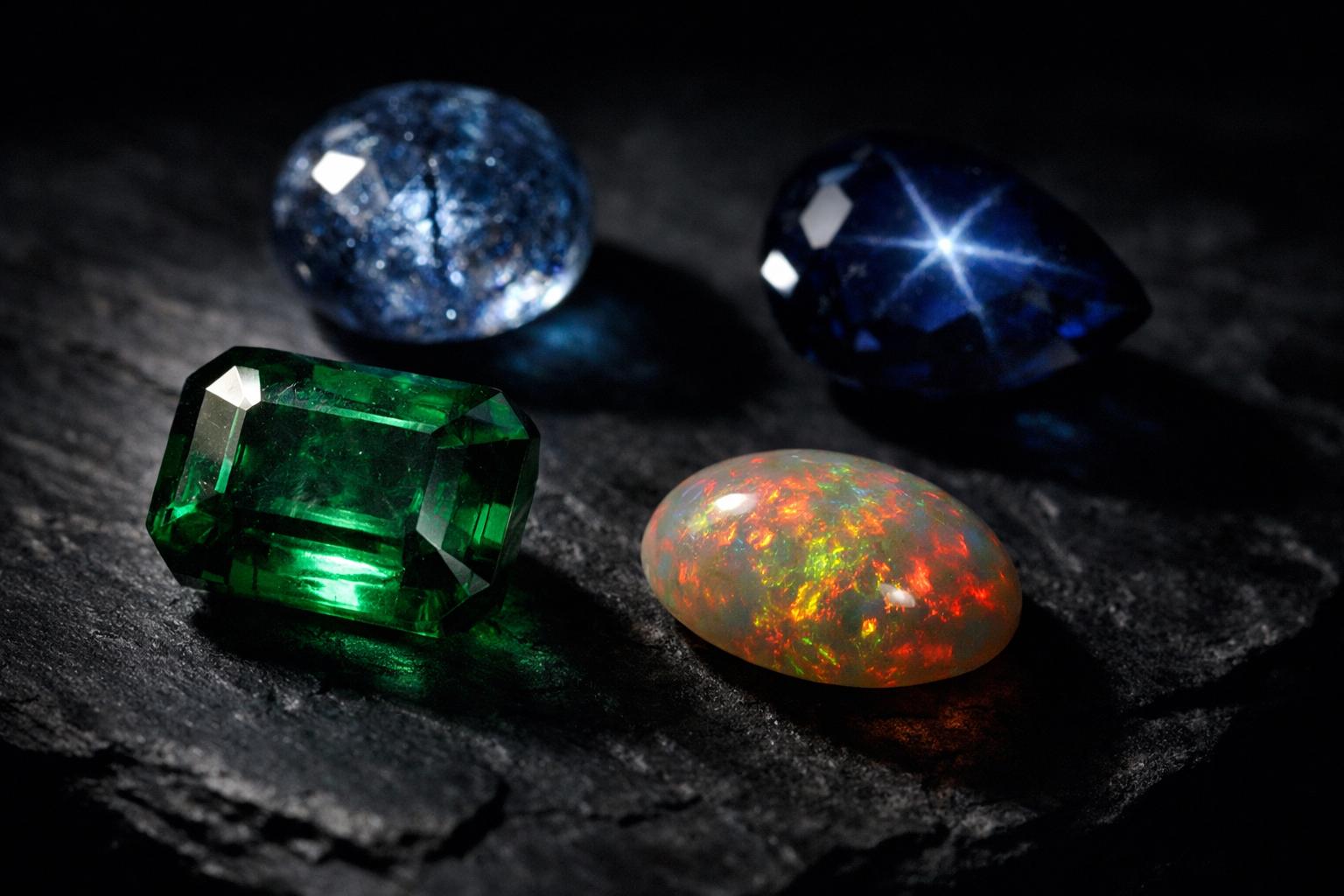
Gemstone durability is crucial for everyday wear, particularly for rings. The Mohs hardness scale rates gemstones from 1 (talc) to 10 (diamond). For example, rubies and sapphires have a hardness of 9, making them suitable for rings, while opals at 5.5 to 6.5 may be better suited for pendants or earrings.
Consider the environment in which the gemstone will be worn. A softer stone may scratch or chip more easily, necessitating careful handling and storage.
Evaluating Quality: Clarity and Color
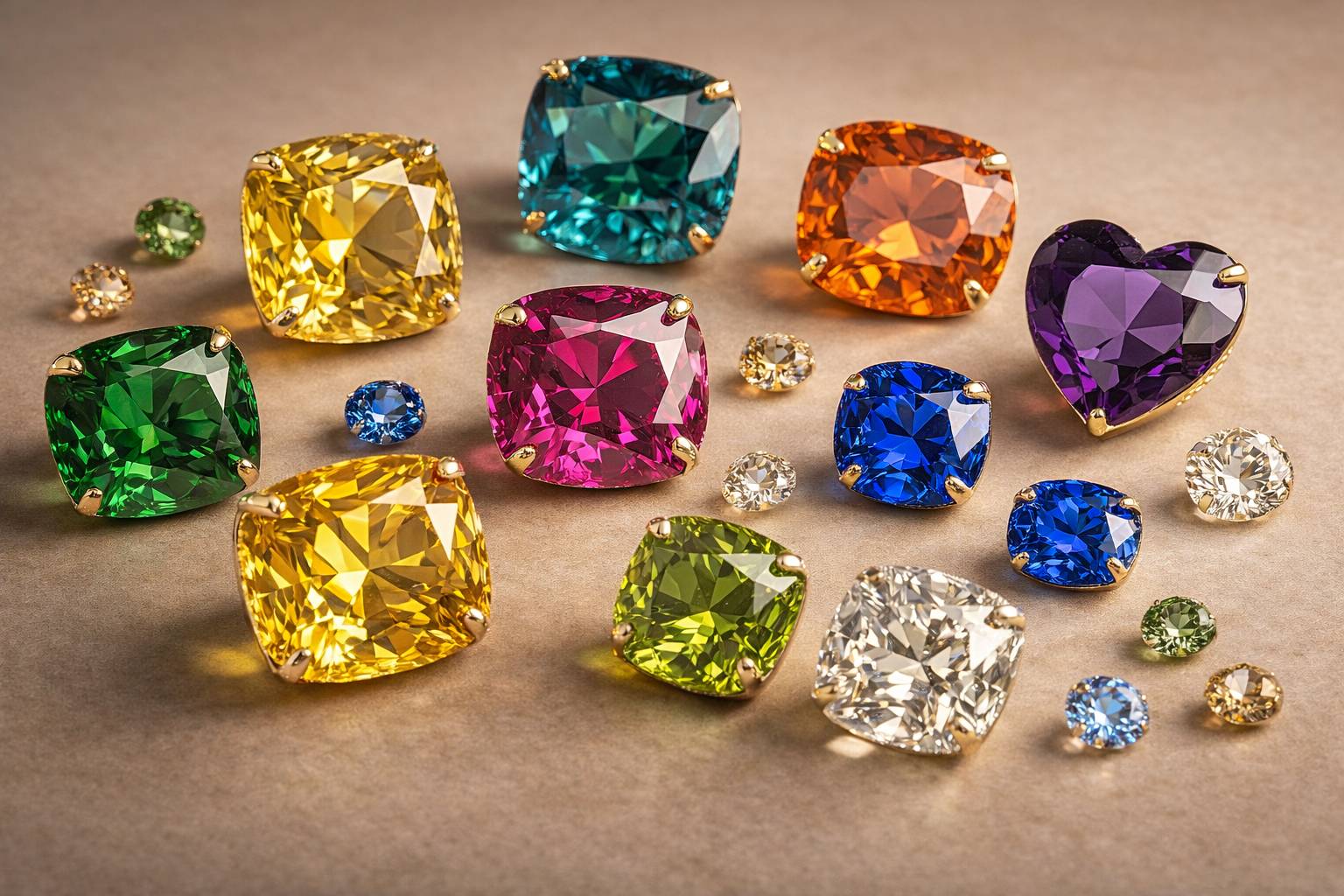
Clarity and color are paramount when assessing the quality of a gemstone. Clarity refers to the presence of inclusions or blemishes, which can affect value. For example, a diamond with fewer inclusions can command prices upward of 30% more than a comparable stone with noticeable flaws.
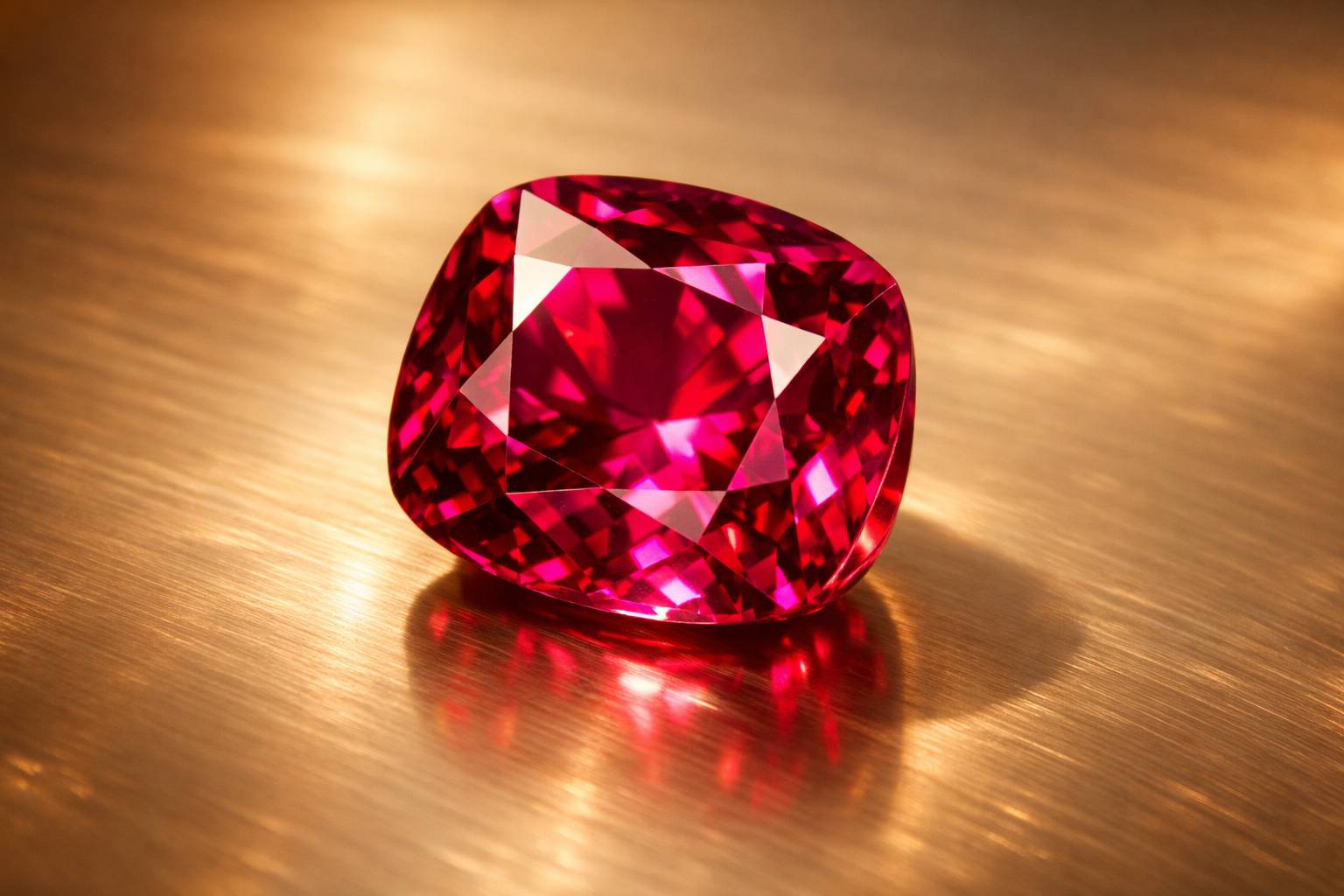
Color grading varies by gemstone. For sapphires and rubies, the most desirable colors are vibrant and vivid, often fetching higher prices. Compared to light or muted tones, these deeper hues can increase value significantly.
Rarity and Origin: Influencing Factors
The origin of a gemstone can greatly influence its price and desirability. For instance, Kashmir sapphires are highly sought after due to their rich blue color and rarity, often selling for over $30,000 per carat. In contrast, sapphires from other regions may be priced between $1,000 and $10,000 per carat.
Understanding the geographical sources can provide insights into potential value appreciation in the long term, especially for collectors.
Identifying Authenticity: Treatments and Enhancements
Many gemstones undergo treatments to enhance their appearance. For example, heat treatment is common in sapphires, improving color and clarity. While this is an accepted practice, untreated stones generally command higher prices. A natural, untreated sapphire can be worth 20-50% more than its treated counterpart.
Always ask for certification from a reputable gemological laboratory to ensure that the gemstone's status is accurately represented, as this can influence both value and authenticity.
Common Buyer Mistakes to Avoid
One common mistake is prioritizing aesthetics over quality. Buyers often overlook critical factors like clarity and durability, which can affect long-term satisfaction. Additionally, not verifying the authenticity of a gemstone can lead to significant financial loss.
Another pitfall is assuming that higher prices always equate to higher quality. It's essential to conduct thorough research and, if possible, consult with a gemologist to understand the nuances of each gemstone.
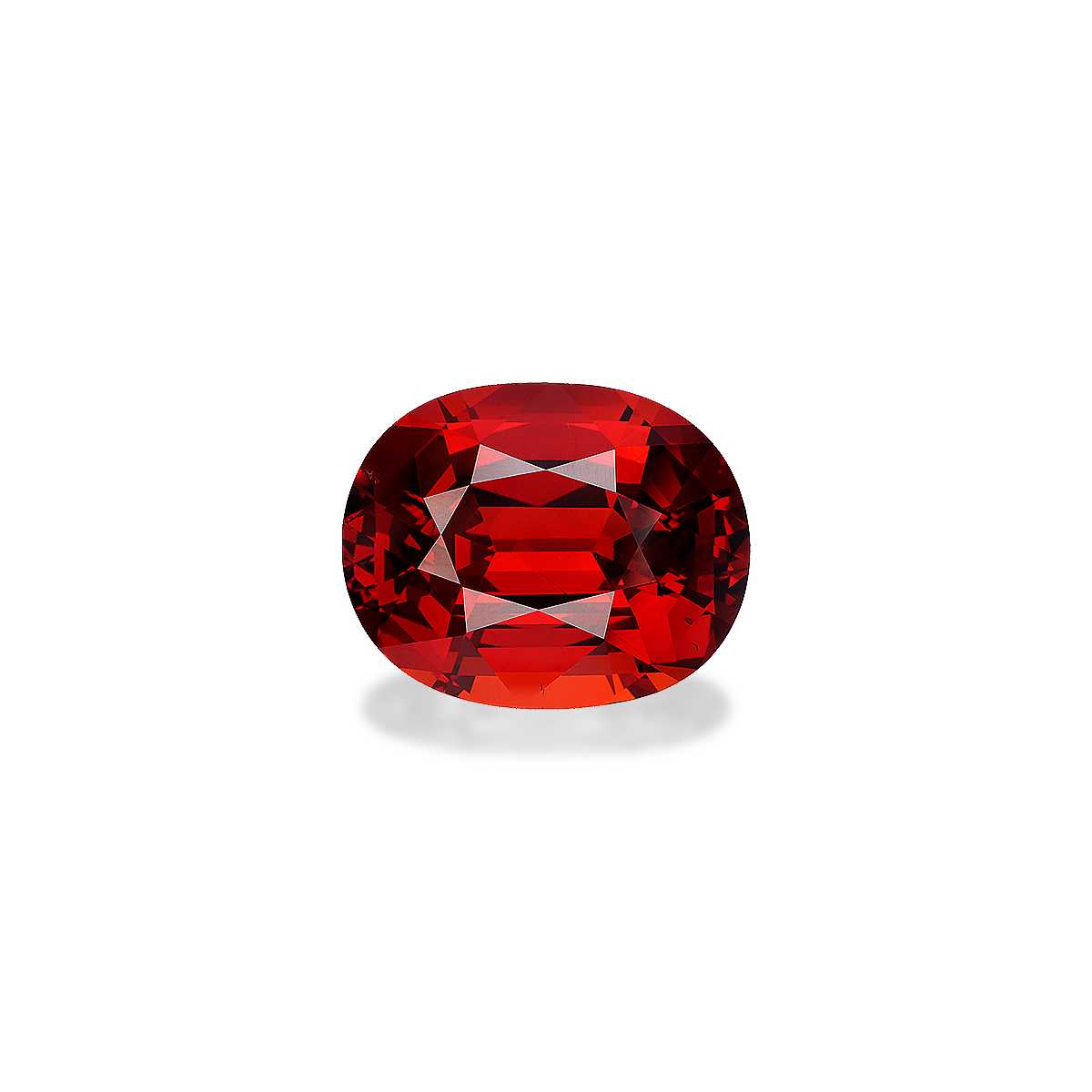
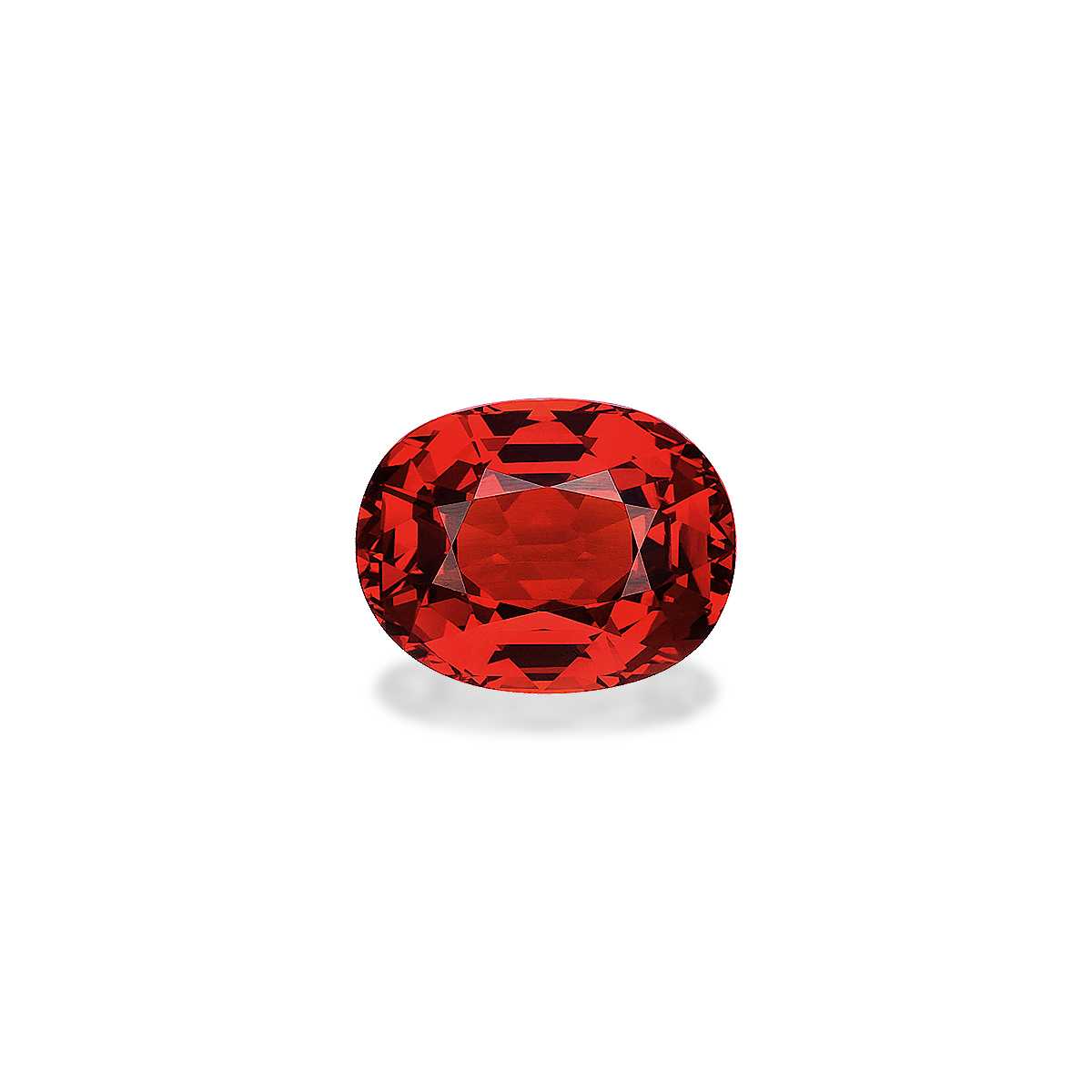
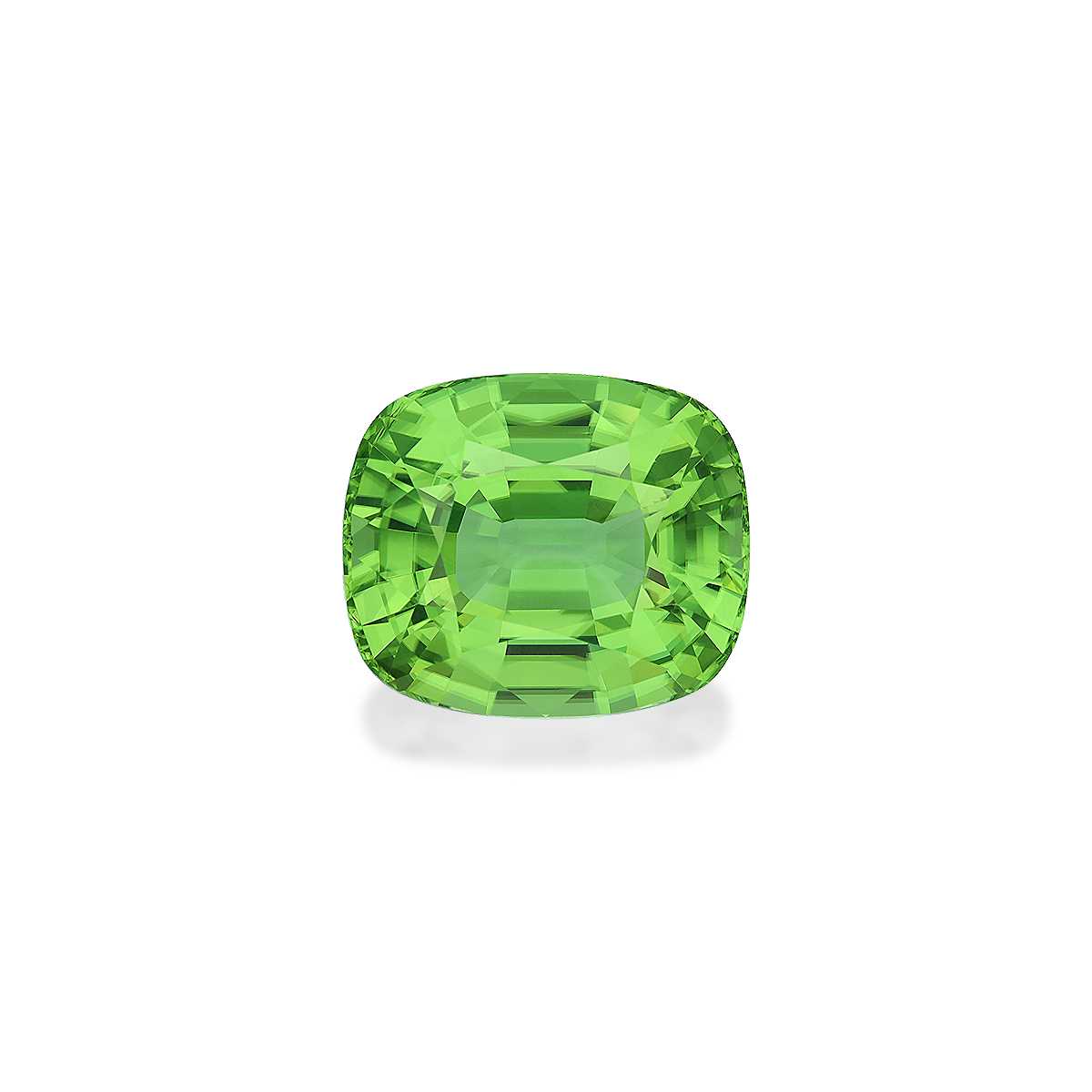
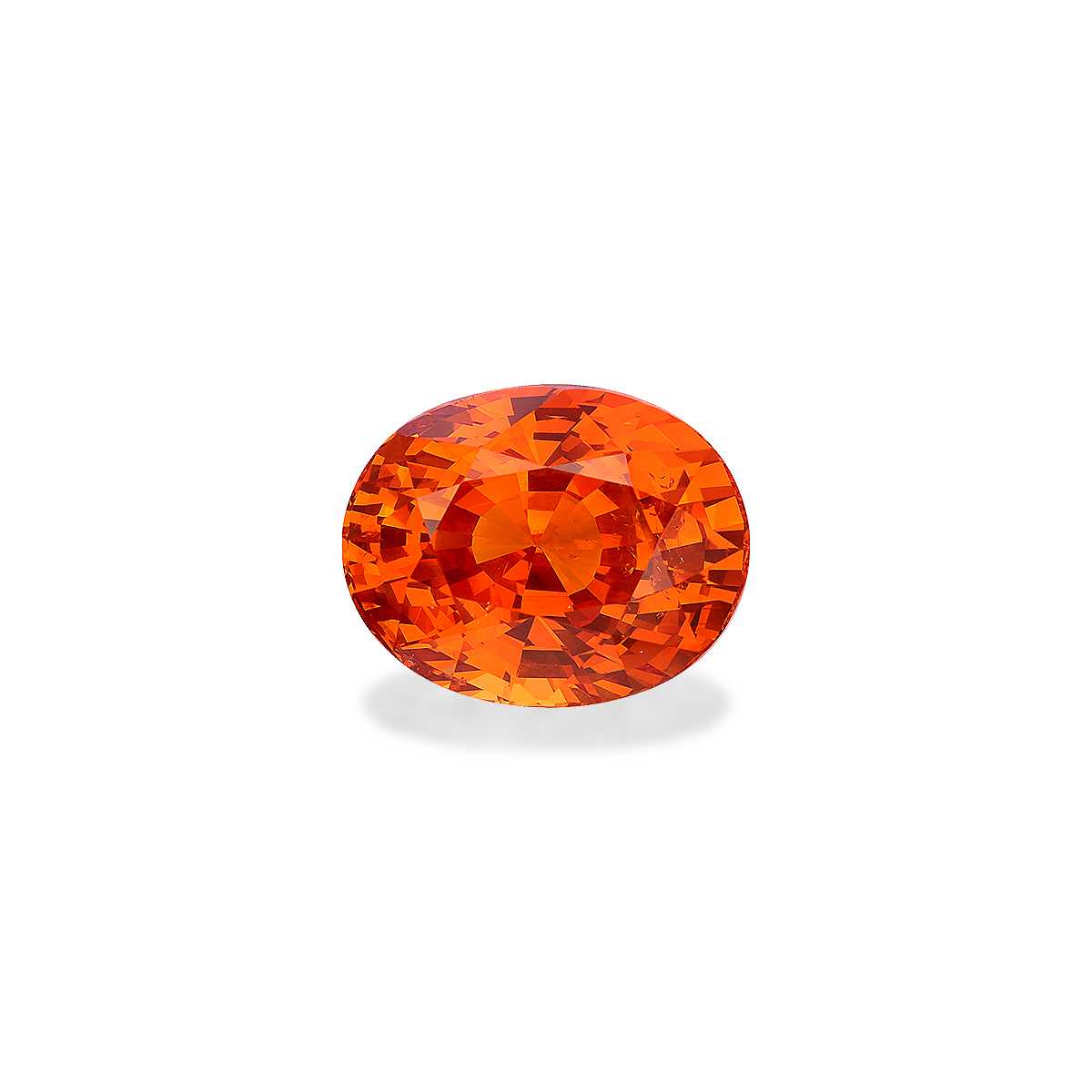
Explore our gemstones
Frequently asked questions
What factors affect gemstone durability?+
Gemstone durability is primarily determined by its hardness on the Mohs scale. Harder stones, like sapphires and rubies (9), are more suitable for everyday wear compared to softer stones like opals (5.5-6.5).
How do I assess the quality of a gemstone?+
Quality is assessed through clarity, color, and cut. Look for stones with minimal inclusions, vibrant color, and well-executed cuts to ensure better value.
What is the significance of gemstone origin?+
Gemstone origin can influence rarity and price. For example, Kashmir sapphires are highly valued due to their unique color and scarcity, making them worth significantly more than sapphires from other regions.
Are treated gemstones worth less than untreated ones?+
Generally, untreated gemstones are valued higher than treated ones. Treatments can enhance appearance but may affect long-term value, so buyers should seek certification to understand the gemstone's status.
What are common mistakes when buying gemstones?+
Common mistakes include prioritizing appearance over quality, failing to verify authenticity, and assuming higher prices always indicate better quality. Research and expert consultation can help avoid these pitfalls.
You may also like
More reading from our journal.