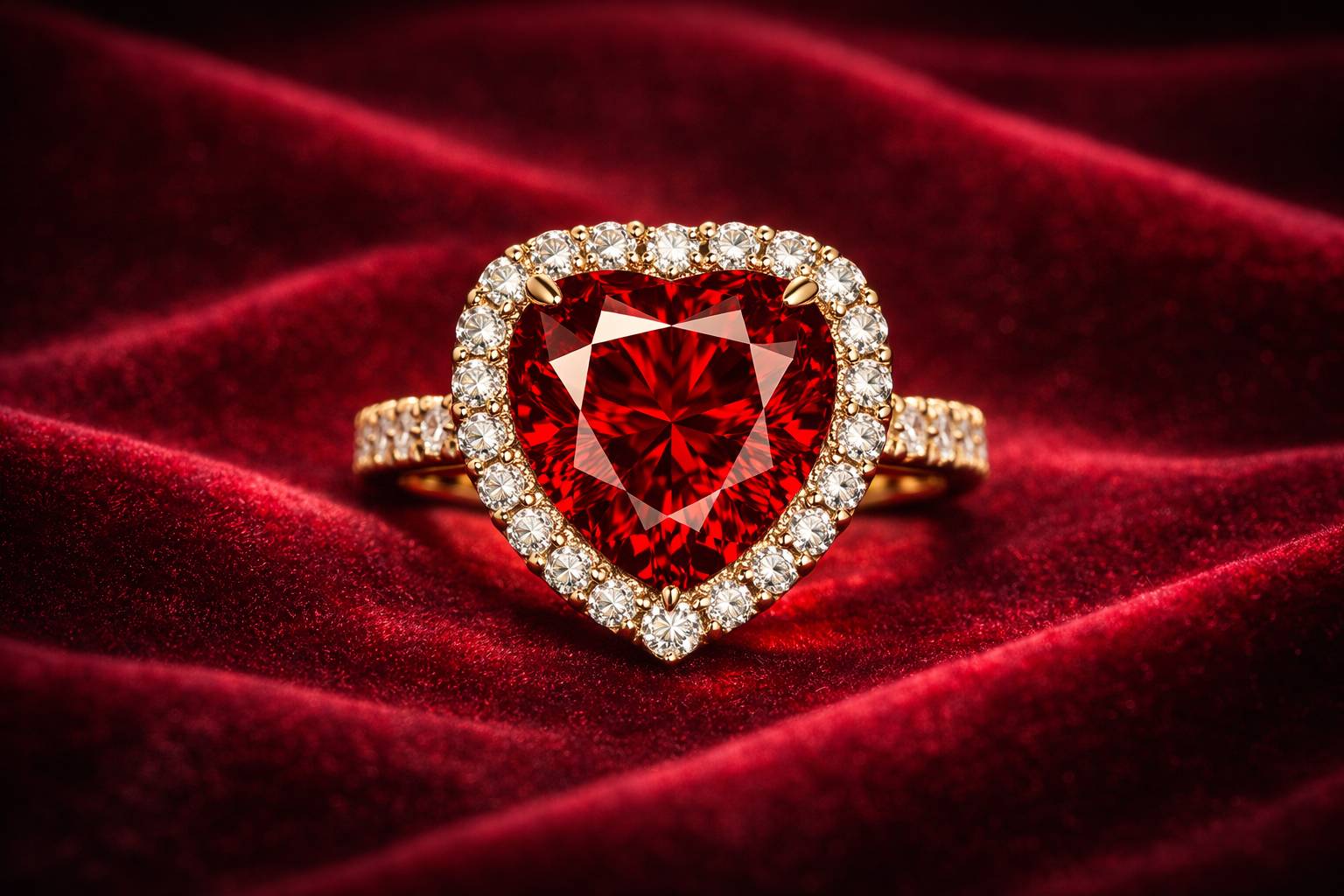
How to Choose a Quality Ruby: Factors Explained
To choose a quality ruby, consider its color, clarity, cut, and carat weight, along with the gemstone's origin and certification. Each of these factors plays a crucial role in determining the ruby's overall value and appeal. Understanding how to assess these elements will guide you in selecting a ruby that meets your expectations.
Understanding Ruby Color: The Heart of Quality
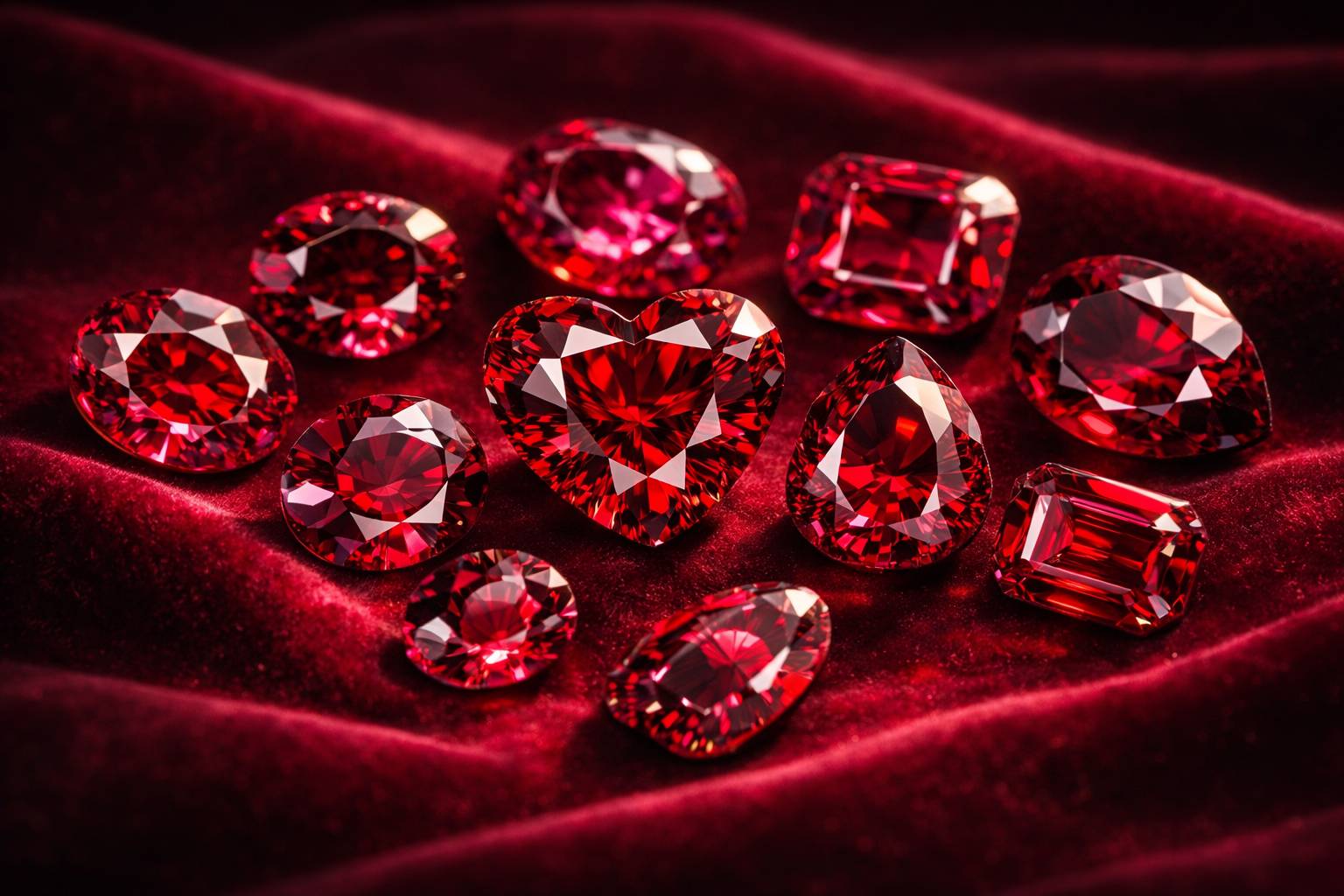
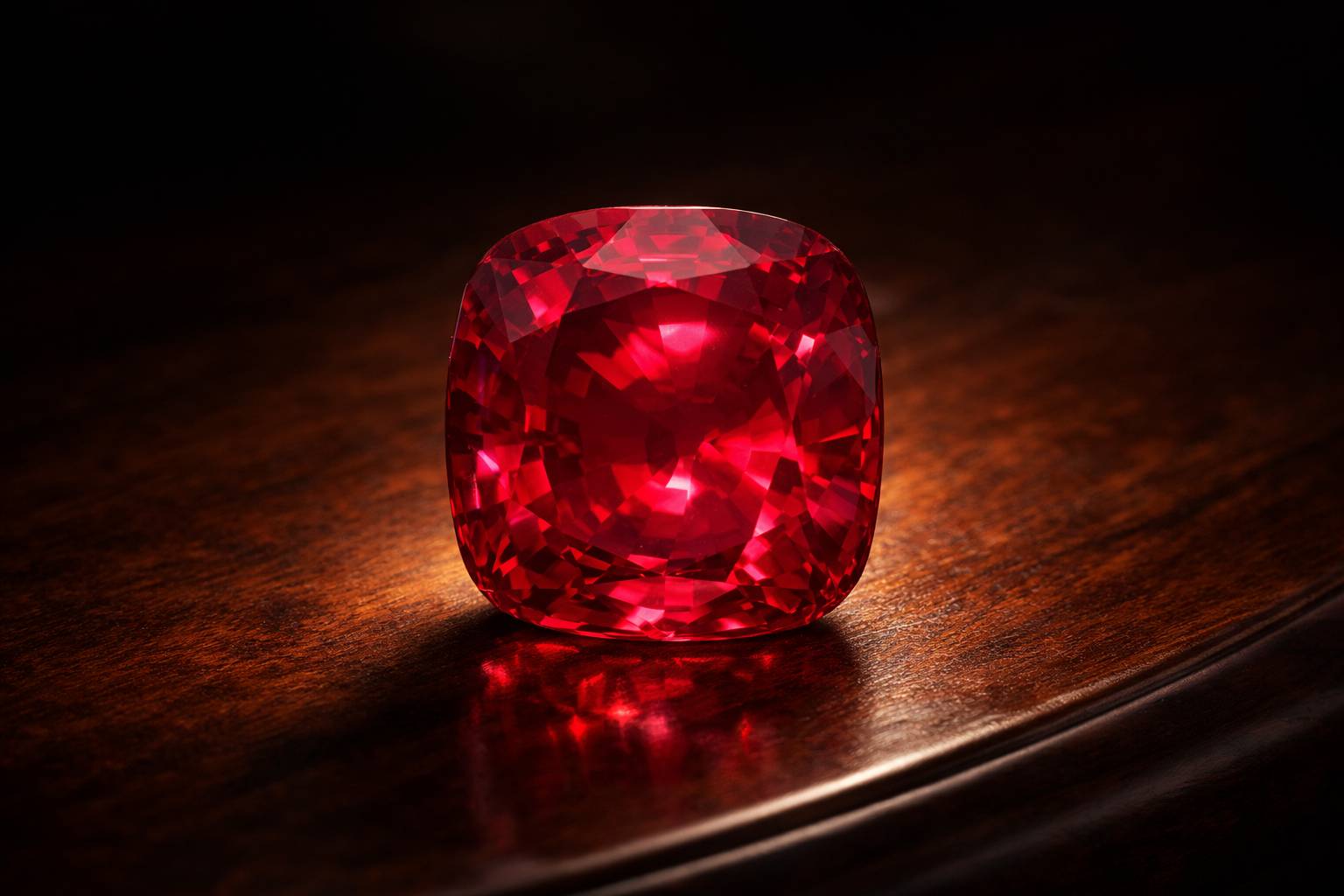
The most critical factor in ruby selection is color. The finest rubies exhibit a deep red hue, often described as 'pigeon's blood'. This term refers to the vivid red with a hint of blue, which is particularly sought after. Rubies with this color can command prices upwards of $15,000 per carat, while those with lighter shades may only achieve $1,000 per carat.
Clarity and Its Impact on Ruby Value
Clarity refers to the presence of inclusions or blemishes within the ruby. The scale ranges from flawless to included. Most rubies have some inclusions, with many being visible under 10x magnification. A ruby with fewer inclusions is more desirable, and clarity can impact price significantly. For instance, a clarity grading of VVS (very very slightly included) can increase the value considerably.
More from Ruby
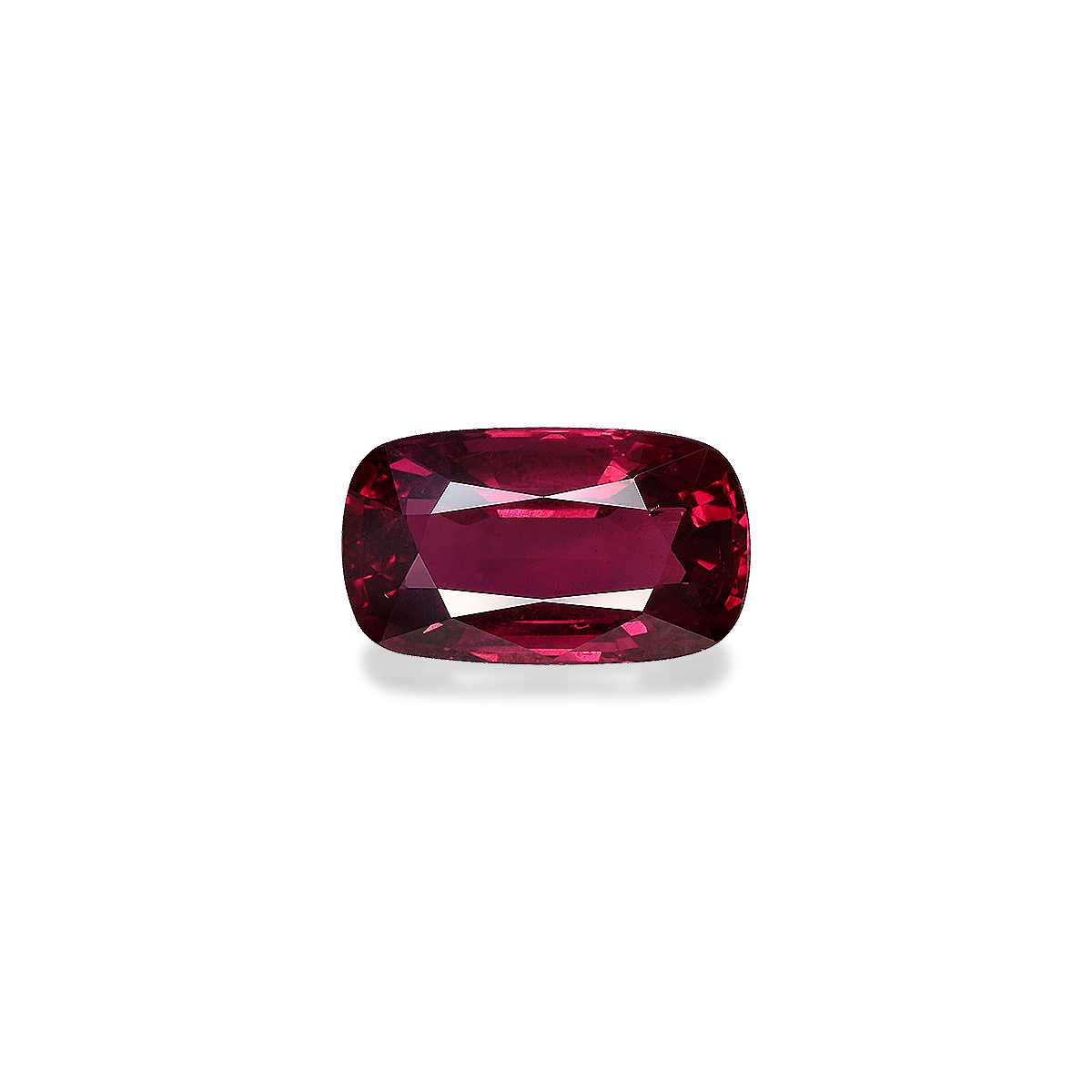
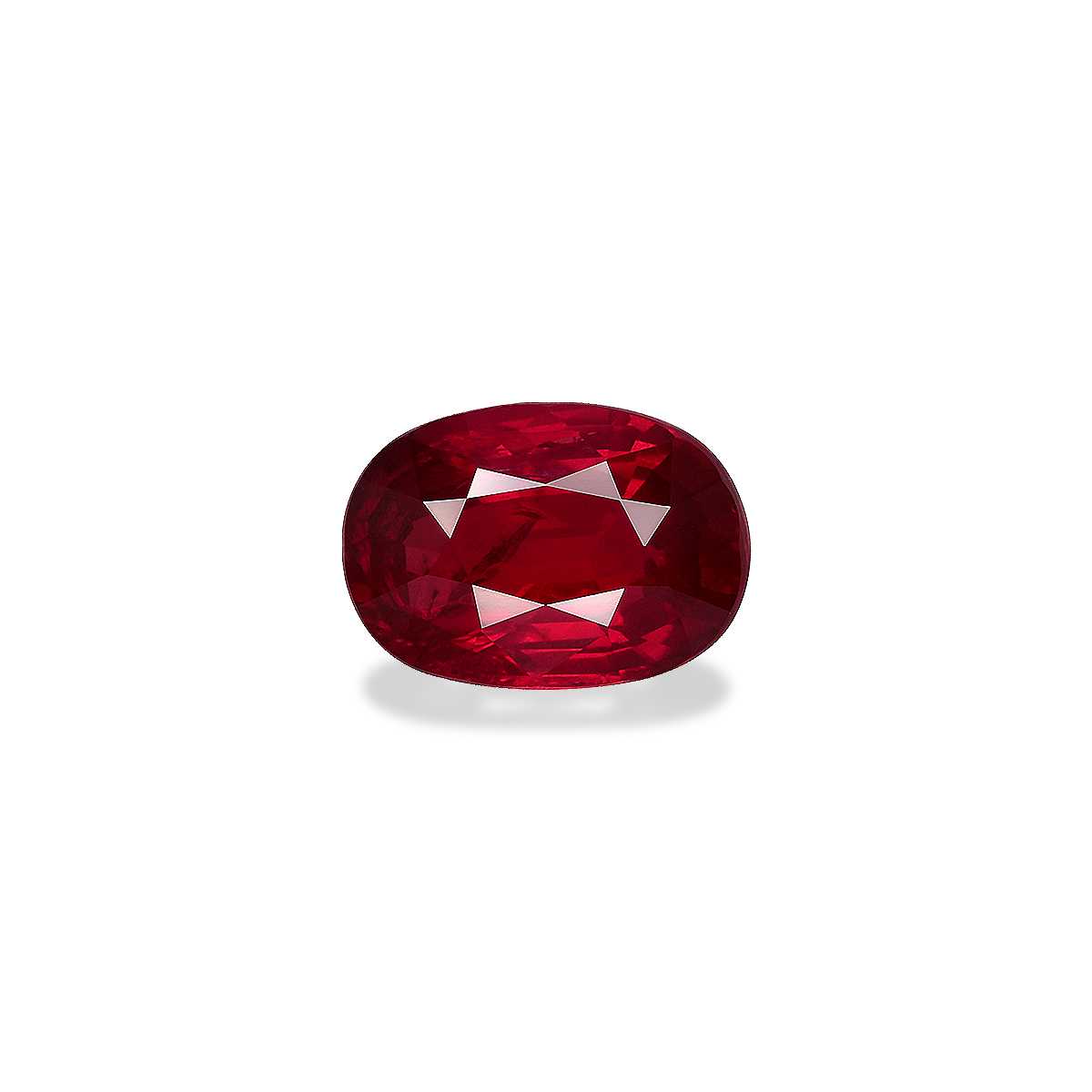
The Role of Cut in Ruby Quality
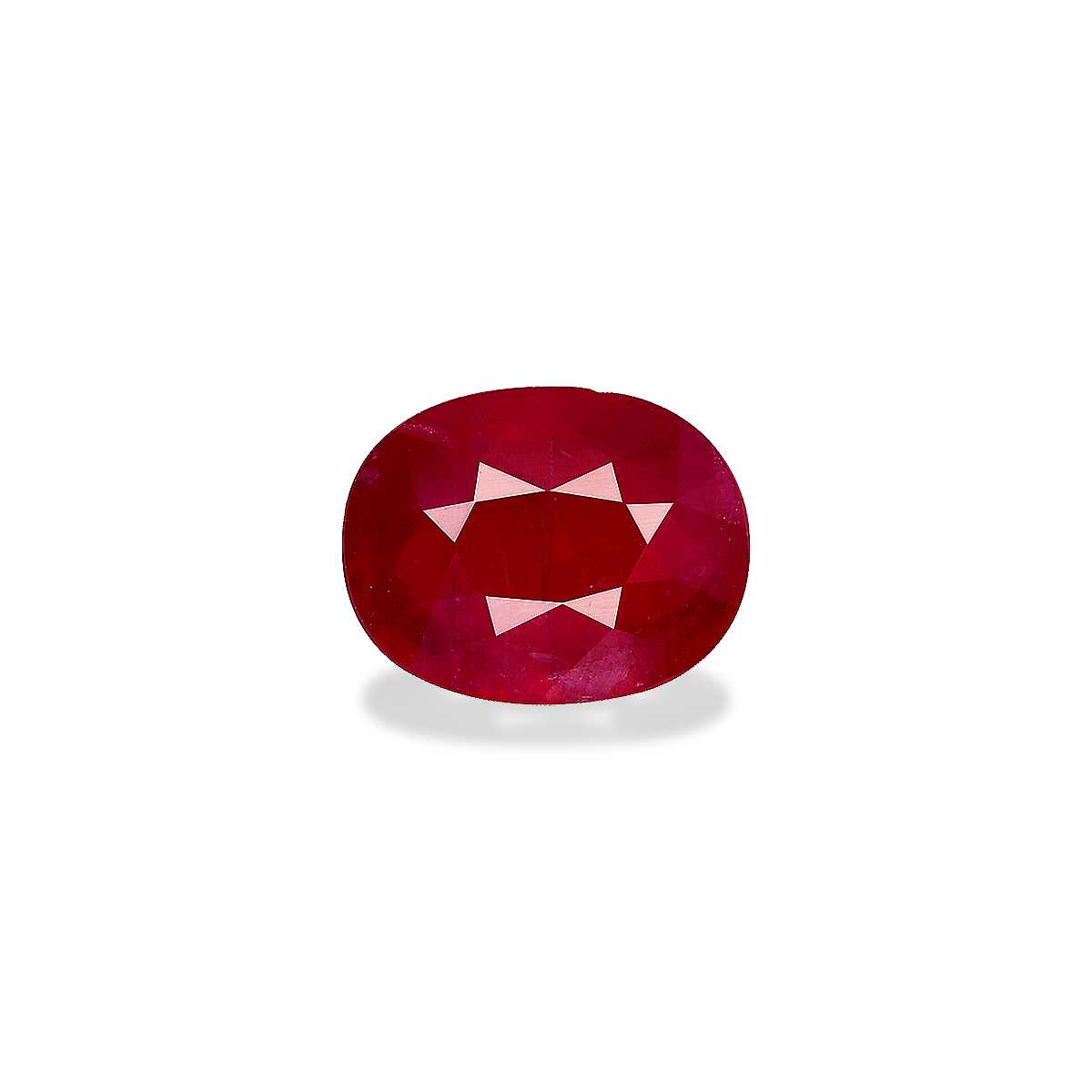
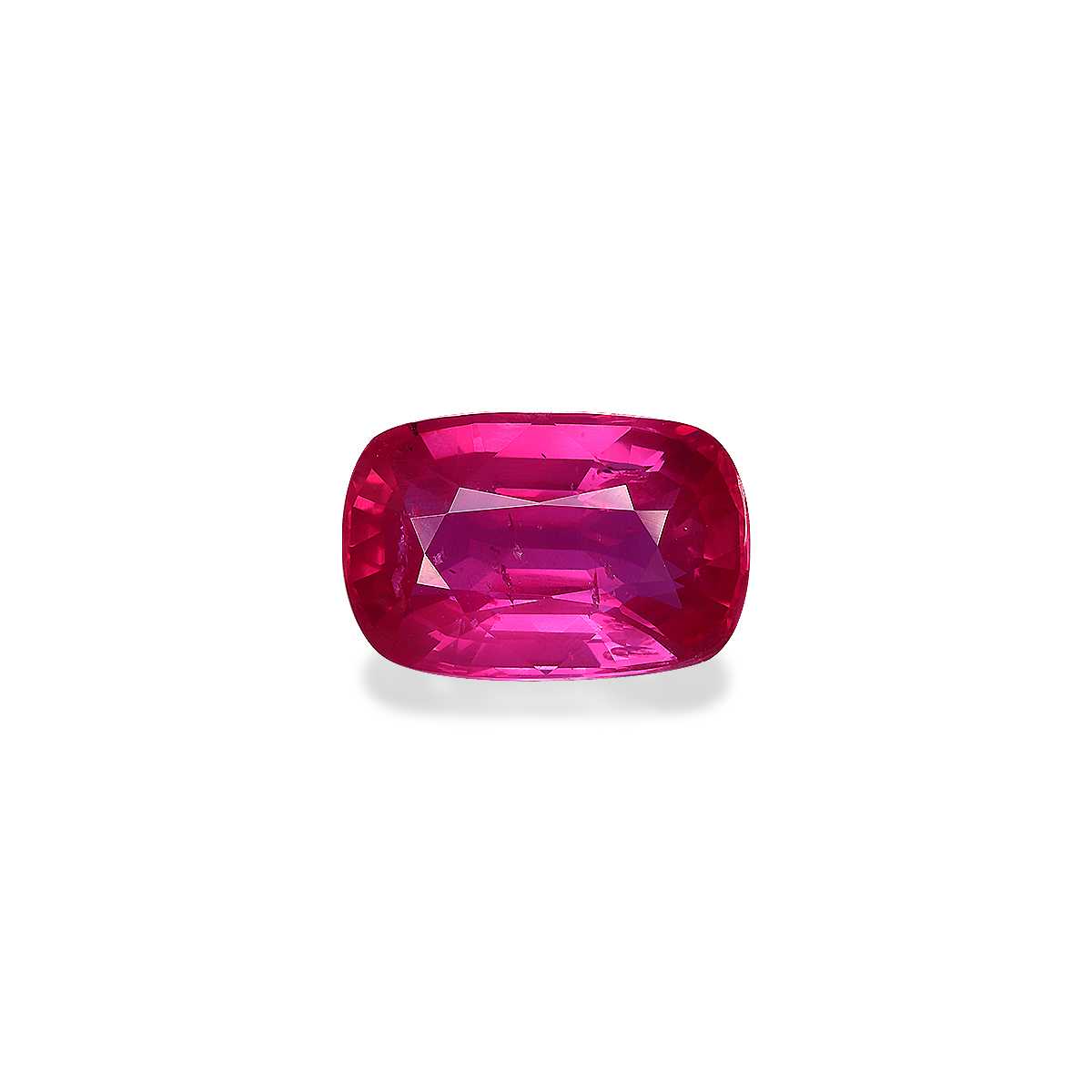
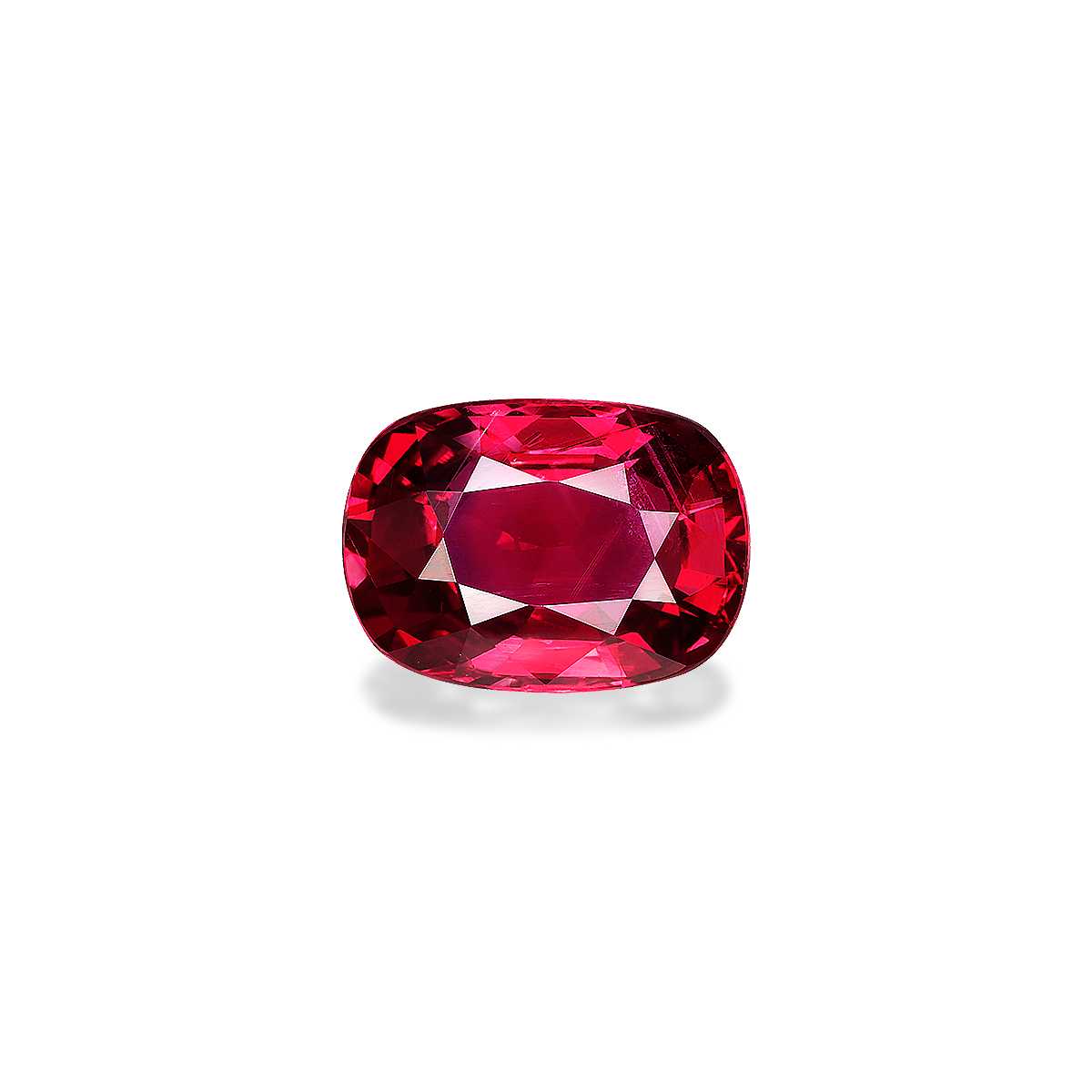
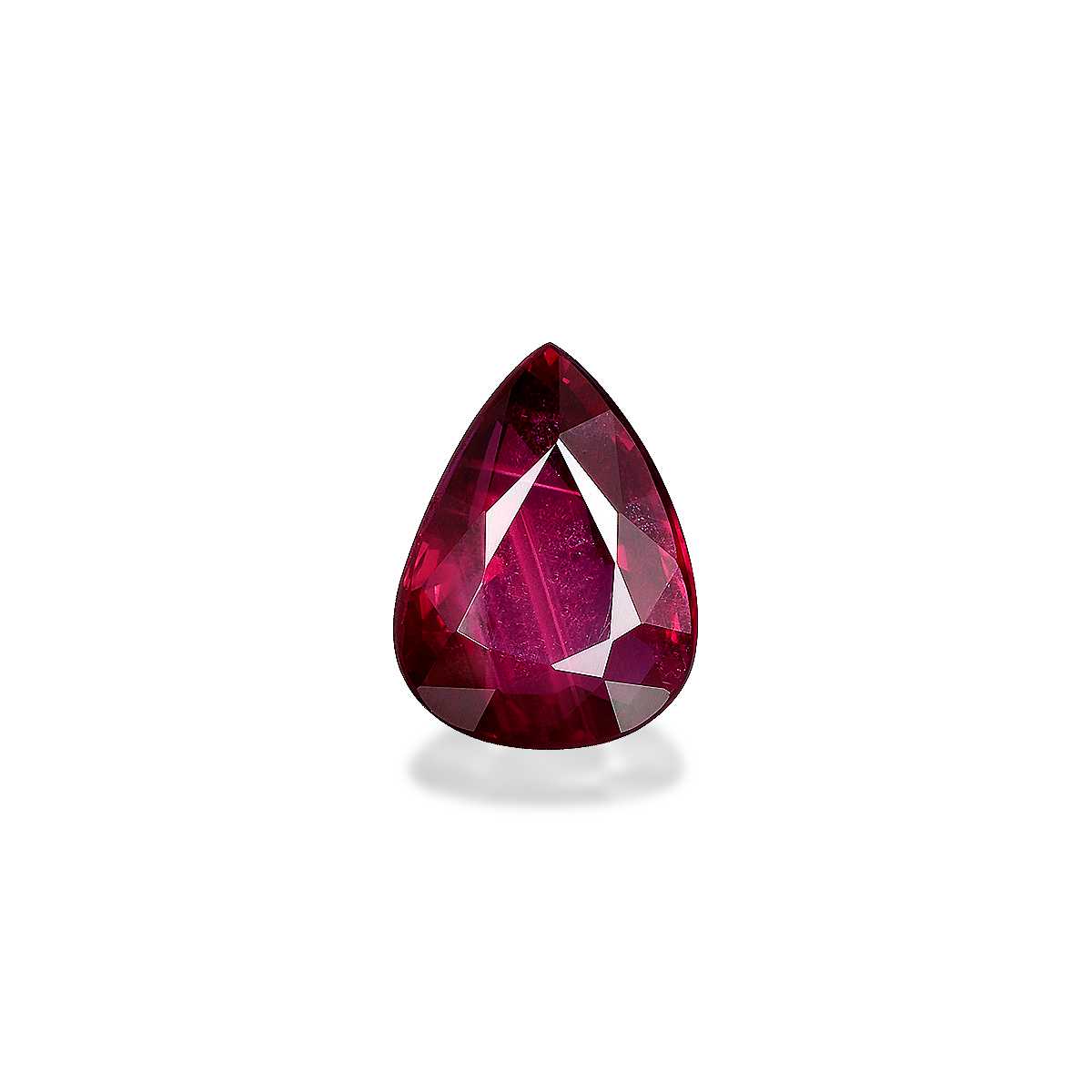
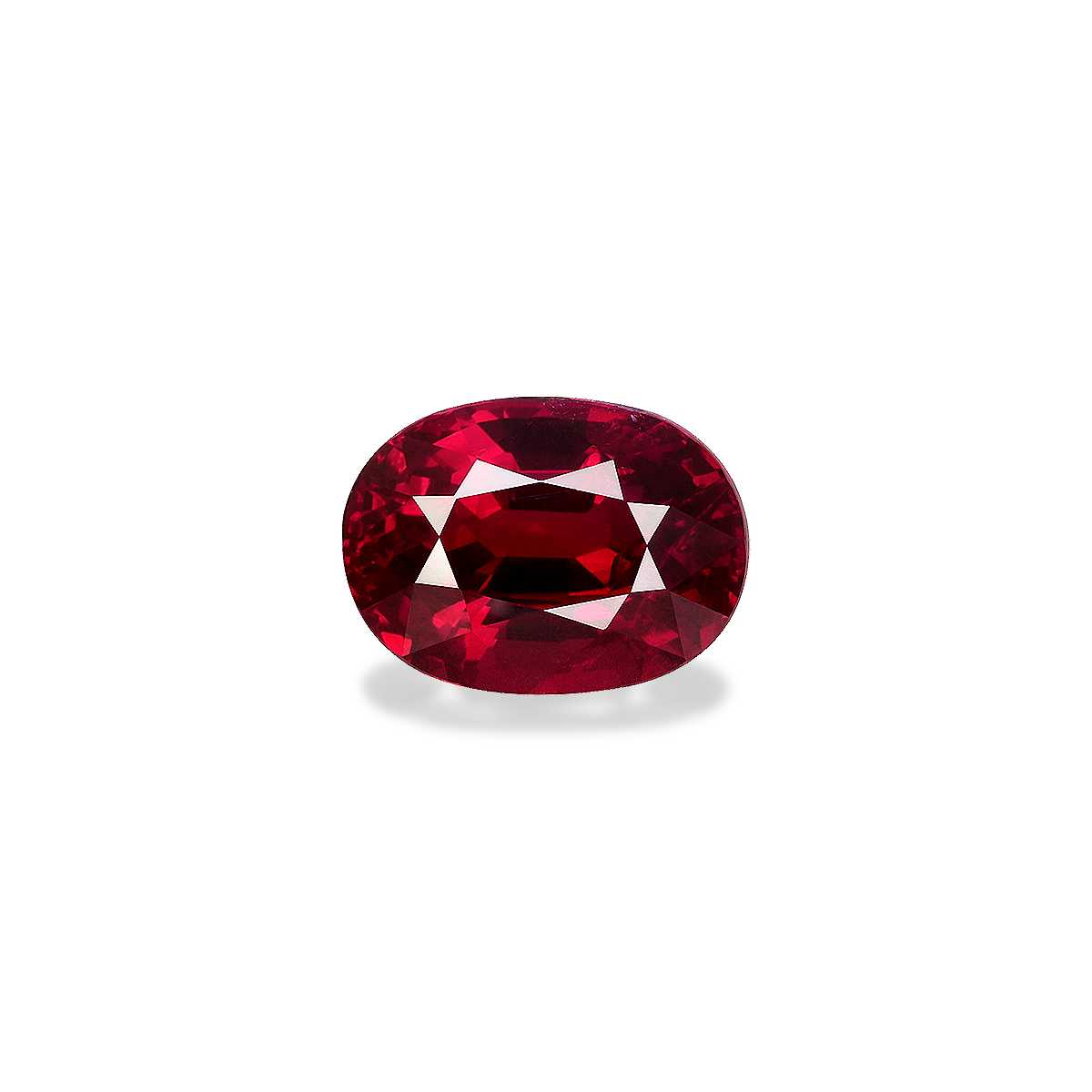
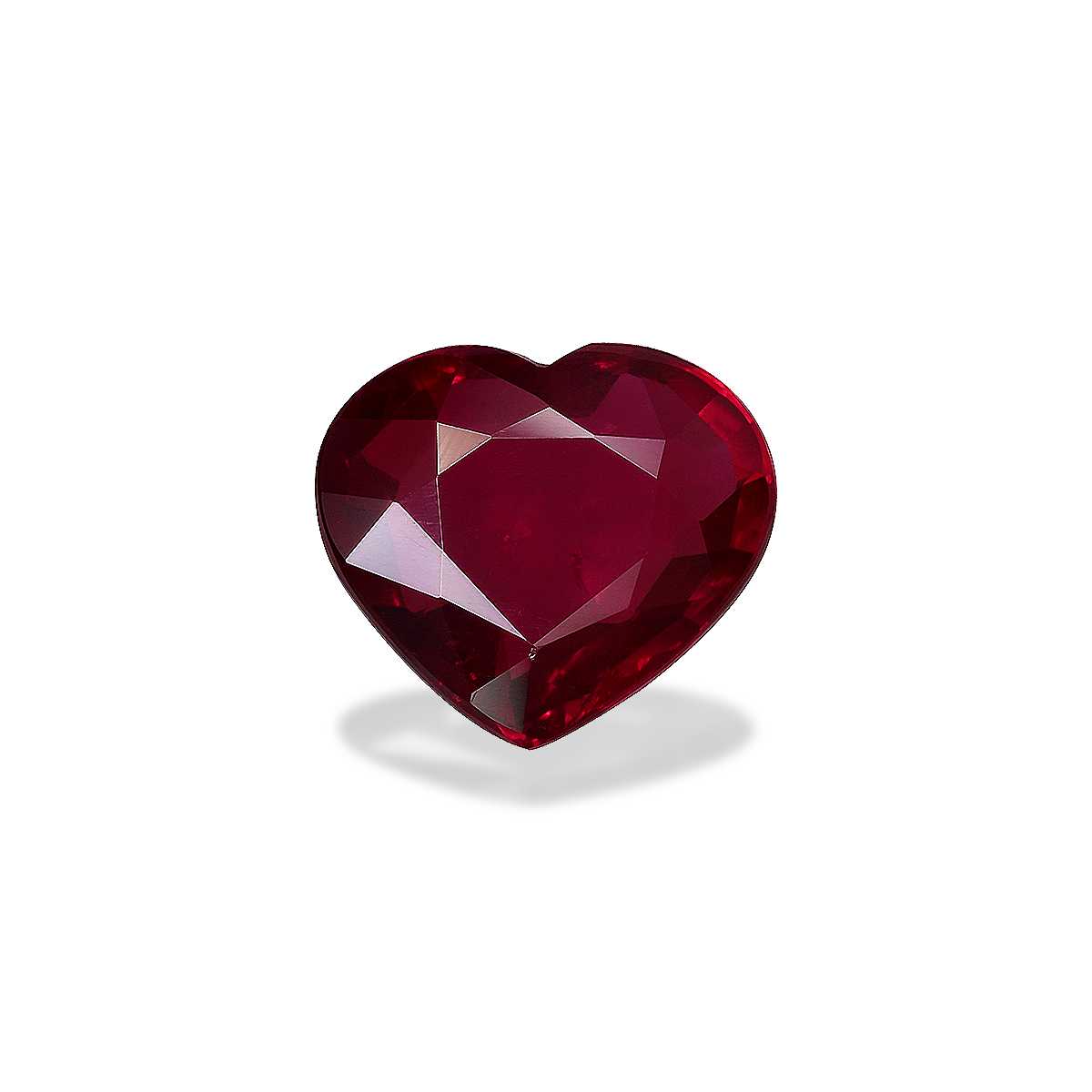
The cut of a ruby affects how light interacts with it. A well-cut ruby will reflect light beautifully, enhancing its color and brilliance. Common cuts include oval, round, and cushion shapes. The cut can influence the perceived size of the ruby; a well-cut stone may appear larger than its actual carat weight suggests, impacting its market value.
Origin and Its Significance
Origin plays a vital role in determining a ruby's character and value. The most prized rubies come from Myanmar, known for their exceptional color and quality. Other notable sources include Thailand, Sri Lanka, and Mozambique. Rubies from Myanmar can fetch prices exceeding $20,000 per carat, while those from Mozambique might be valued lower, around $5,000 per carat.
Certification: Ensuring Authenticity
Certification from reputable gemological laboratories, such as the Gemological Institute of America (GIA) or the International Gemological Institute (IGI), is essential. Certifications provide details on color, clarity, cut, and treatment history. Uncertified stones may carry greater risk and should be approached with caution, as treatments can significantly affect a ruby's value.
Ruby price guide (per carat, USD)
Based on 305 ruby in stock, updated August 24, 2026.
Frequently asked questions
What color is the best for a ruby?+
The best color for a ruby is a deep red known as 'pigeon's blood', which is the most sought after and valuable.
How does clarity affect ruby value?+
Clarity impacts ruby value significantly, with fewer inclusions leading to higher prices. Rubies with VVS clarity are particularly valued.
Why is the origin of a ruby important?+
The origin of a ruby affects its quality and value. For example, rubies from Myanmar are often more prized due to their exceptional color.
What is the significance of ruby certification?+
Certification provides assurance of a ruby's quality and authenticity, detailing its color, clarity, and any treatments it may have undergone.
What cuts are popular for rubies?+
Common cuts for rubies include oval, round, and cushion shapes, each influencing the stone's appearance and market value.
You may also like
More reading from our journal.