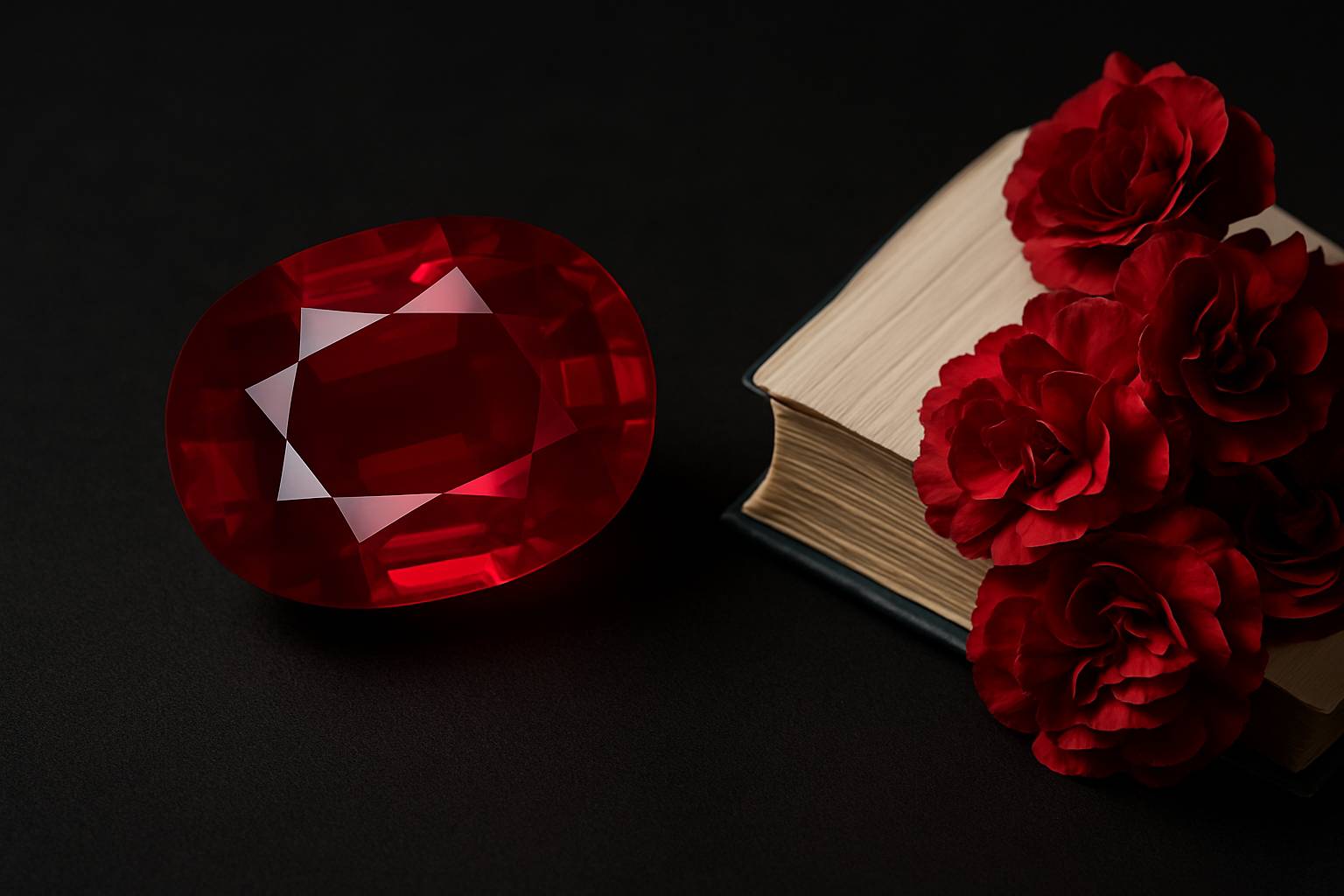
Exploring Ruby Mines: The Origin of Pigeon’s Blood Red Gemstone
Rubies, known for their vibrant hues and captivating beauty, have been cherished throughout history. Among the various types of rubies, the Pigeon’s Blood variety stands out, renowned for its deep red color that evokes passion and elegance. This post explores the delicate origins of this prized gemstone by taking a closer look at the ruby mines where they are sourced.
The Significance of Ruby Mines
Ruby mines are not merely locations where gemstones are extracted; they are the very heart of the gemstone industry. The quality and characteristics of rubies are deeply influenced by their geographical origins. The allure of rubies is not only their color but also the stories embedded within them, tales of the earth's geological processes that bring forth such magnificent gemstones. For more details on where these gems are found, check out the Ruby mining locations.
Understanding Pigeon’s Blood Rubies
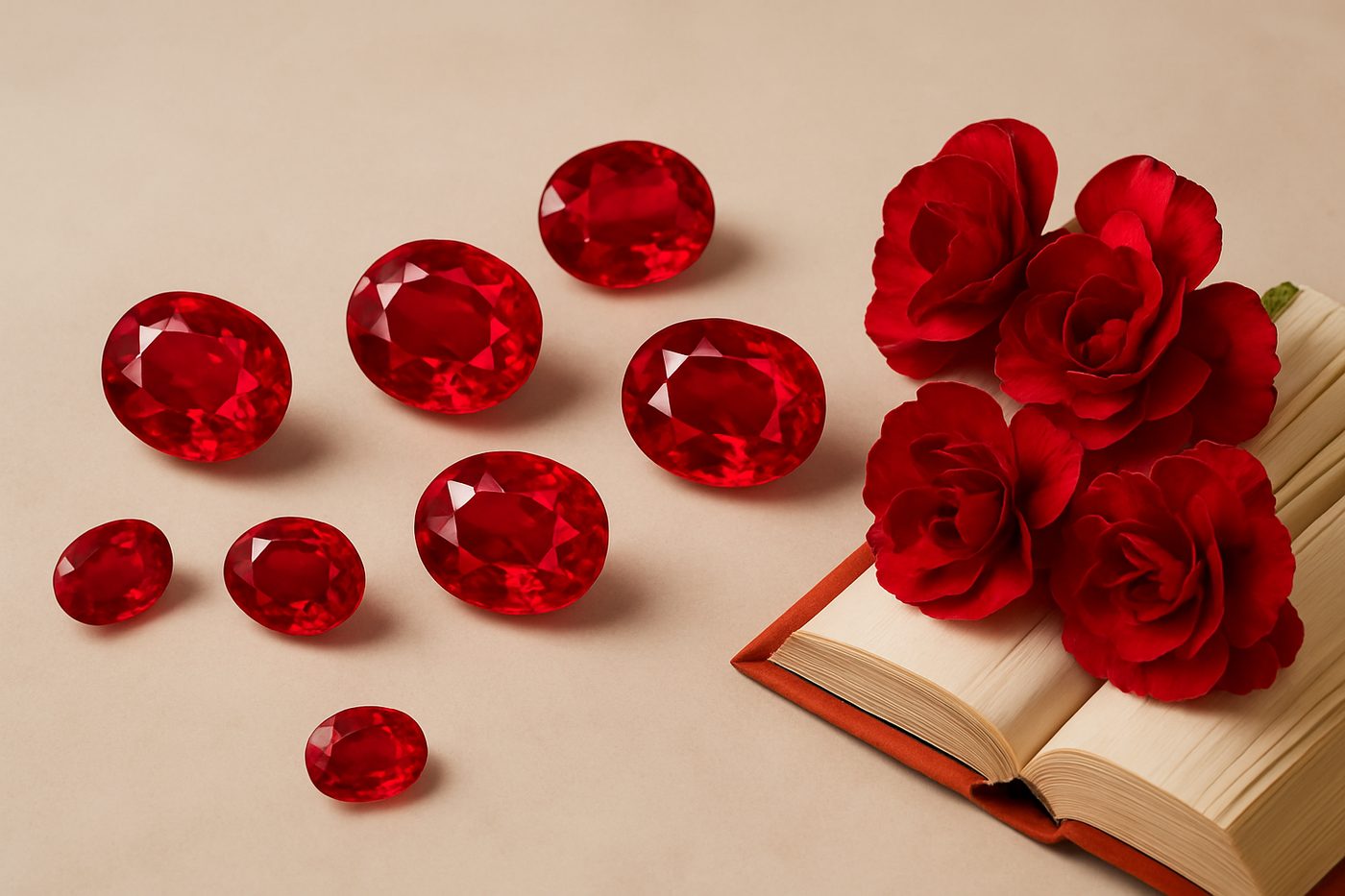
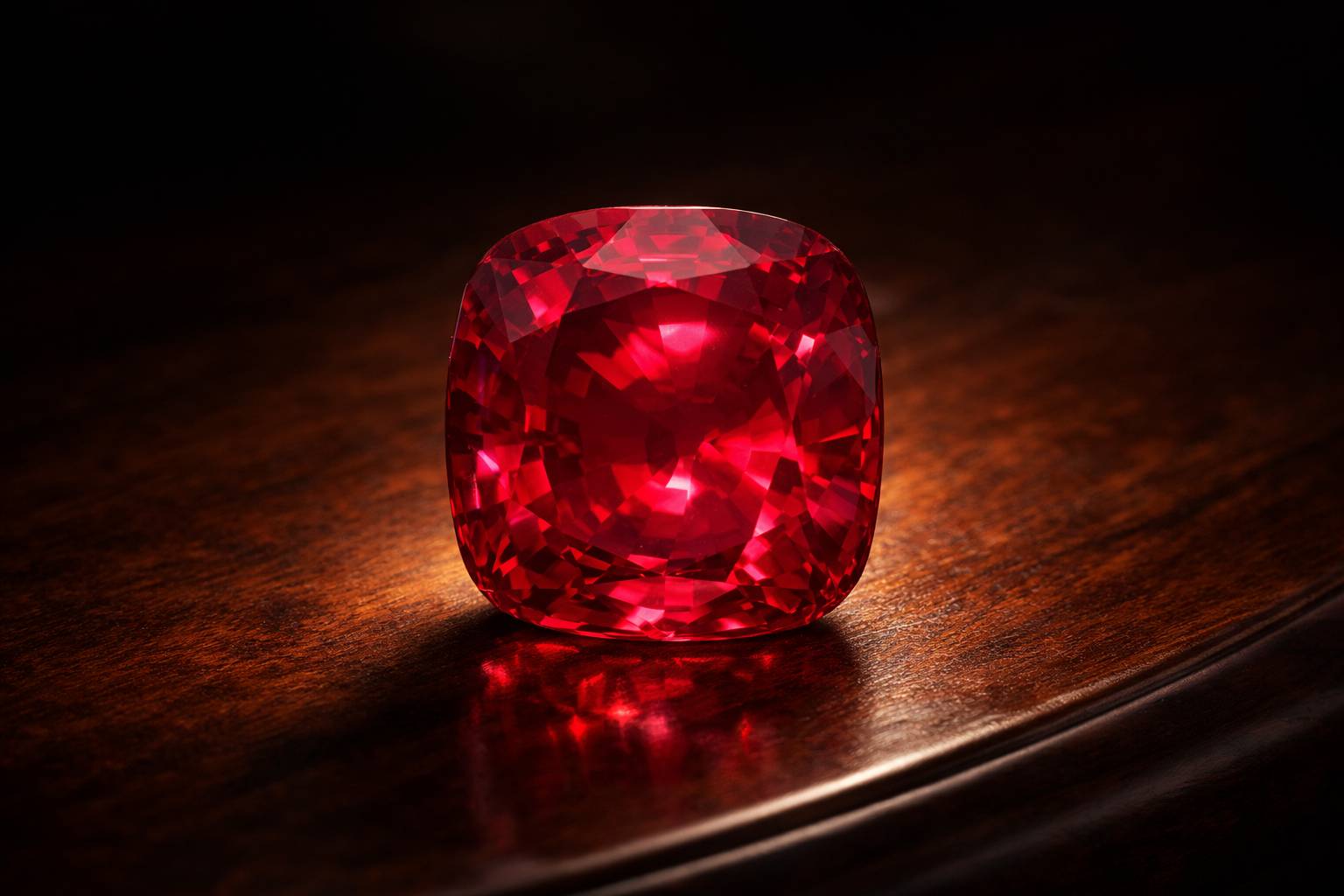
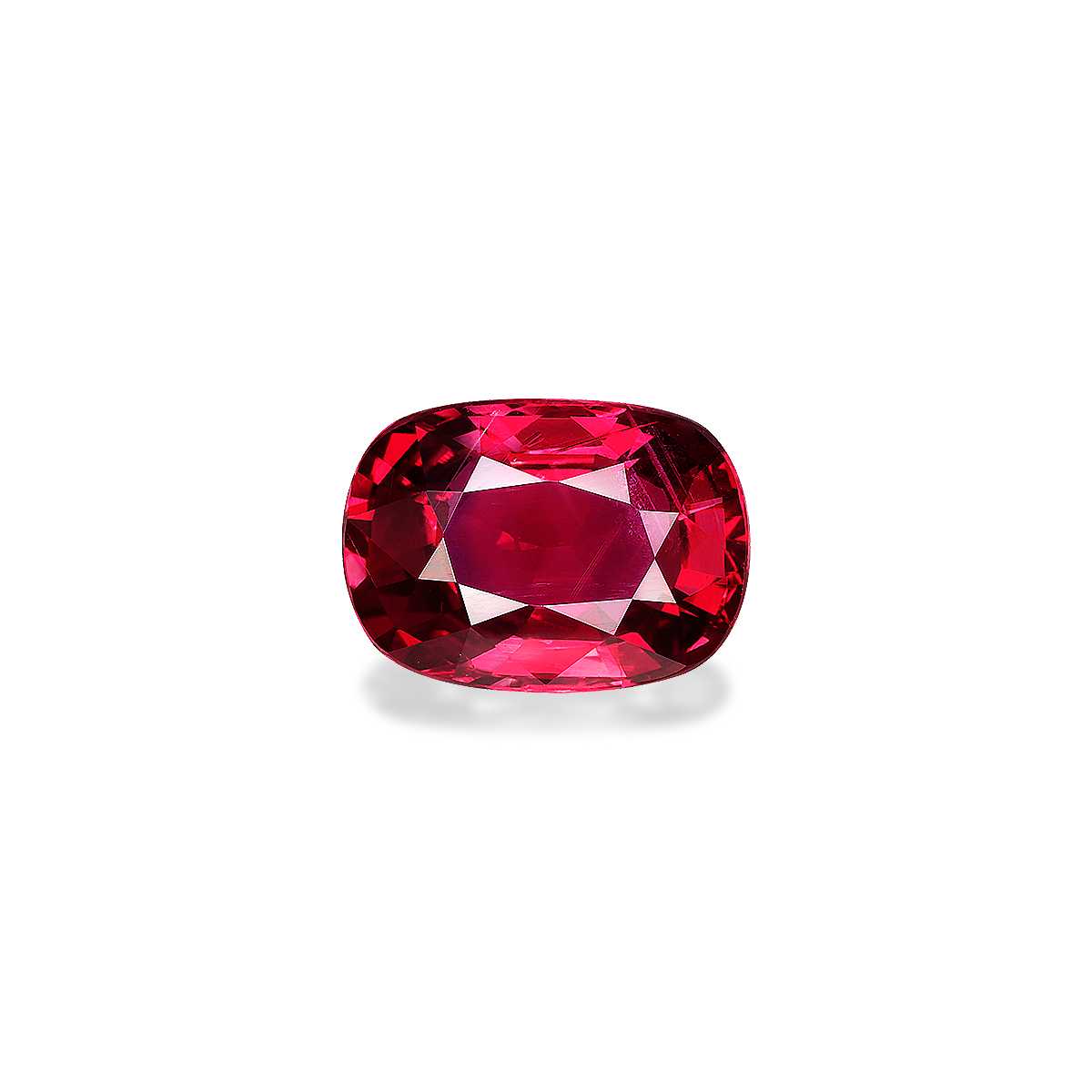
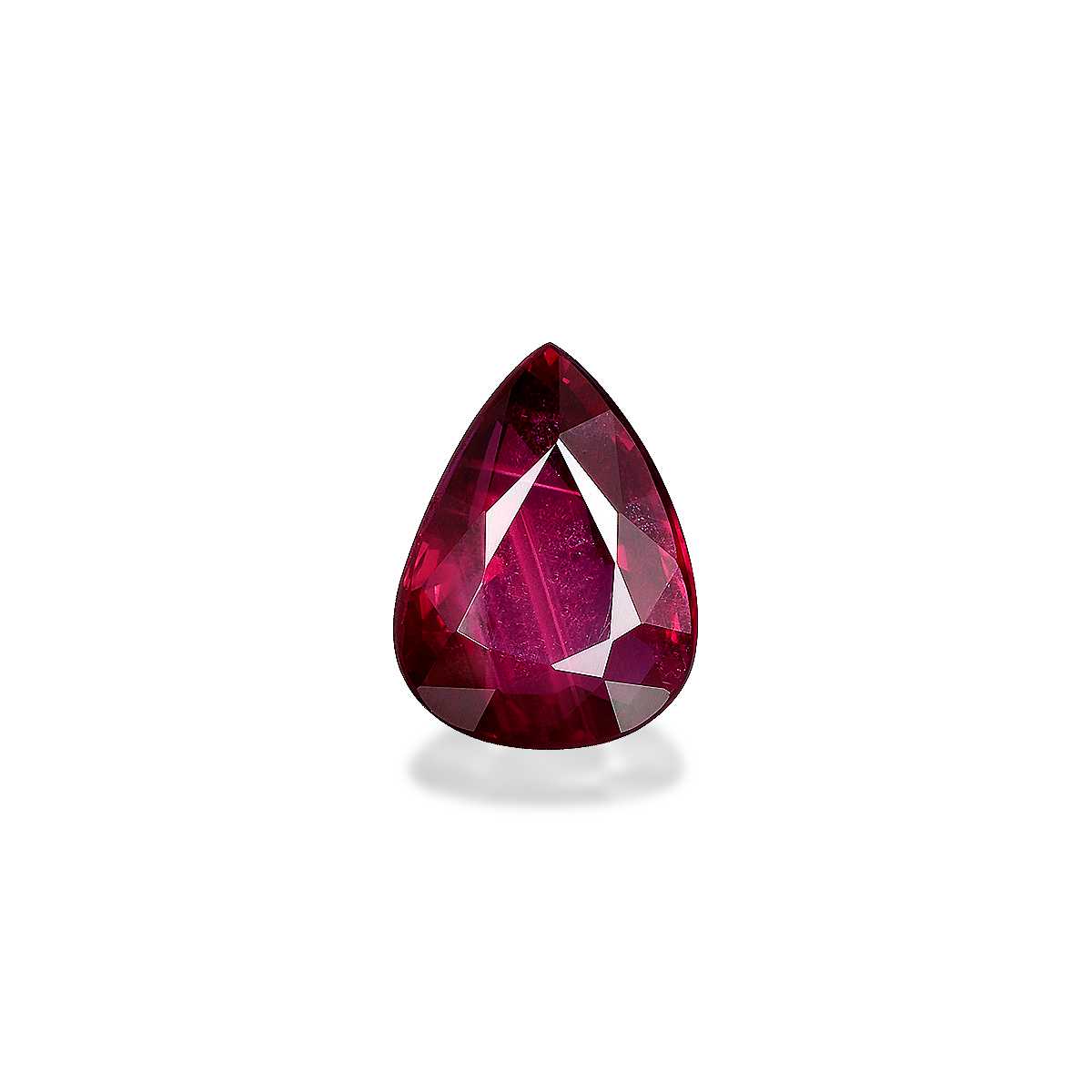
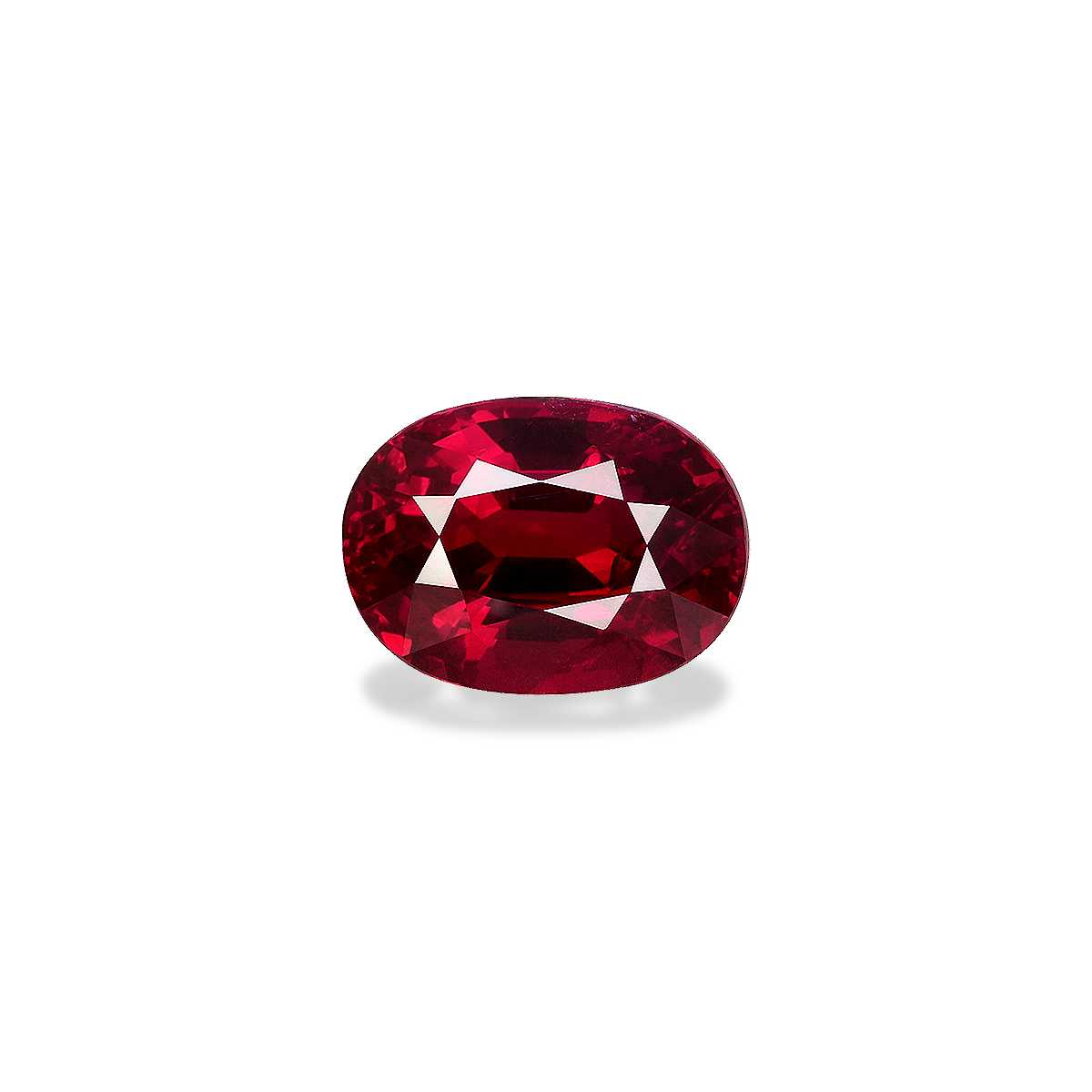
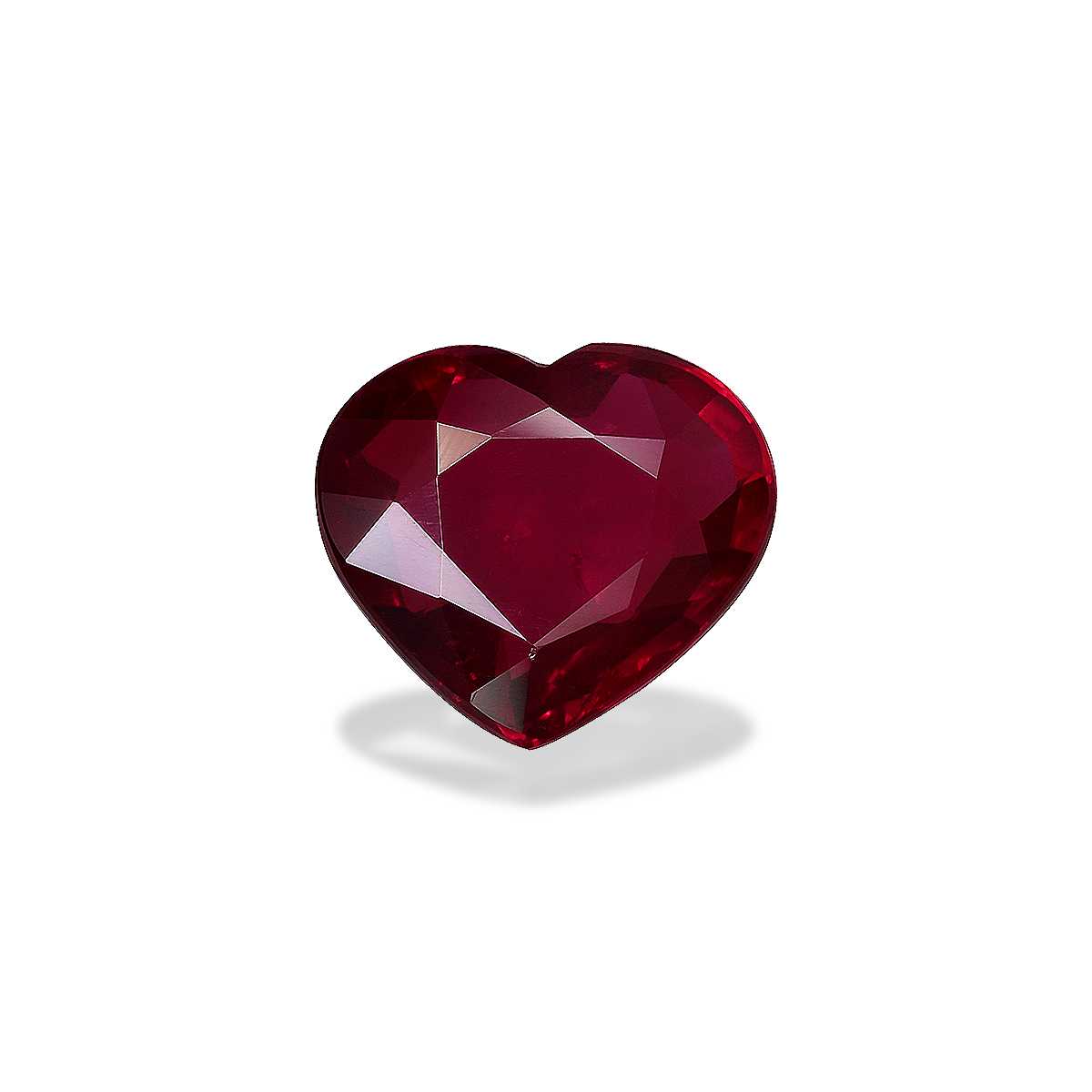
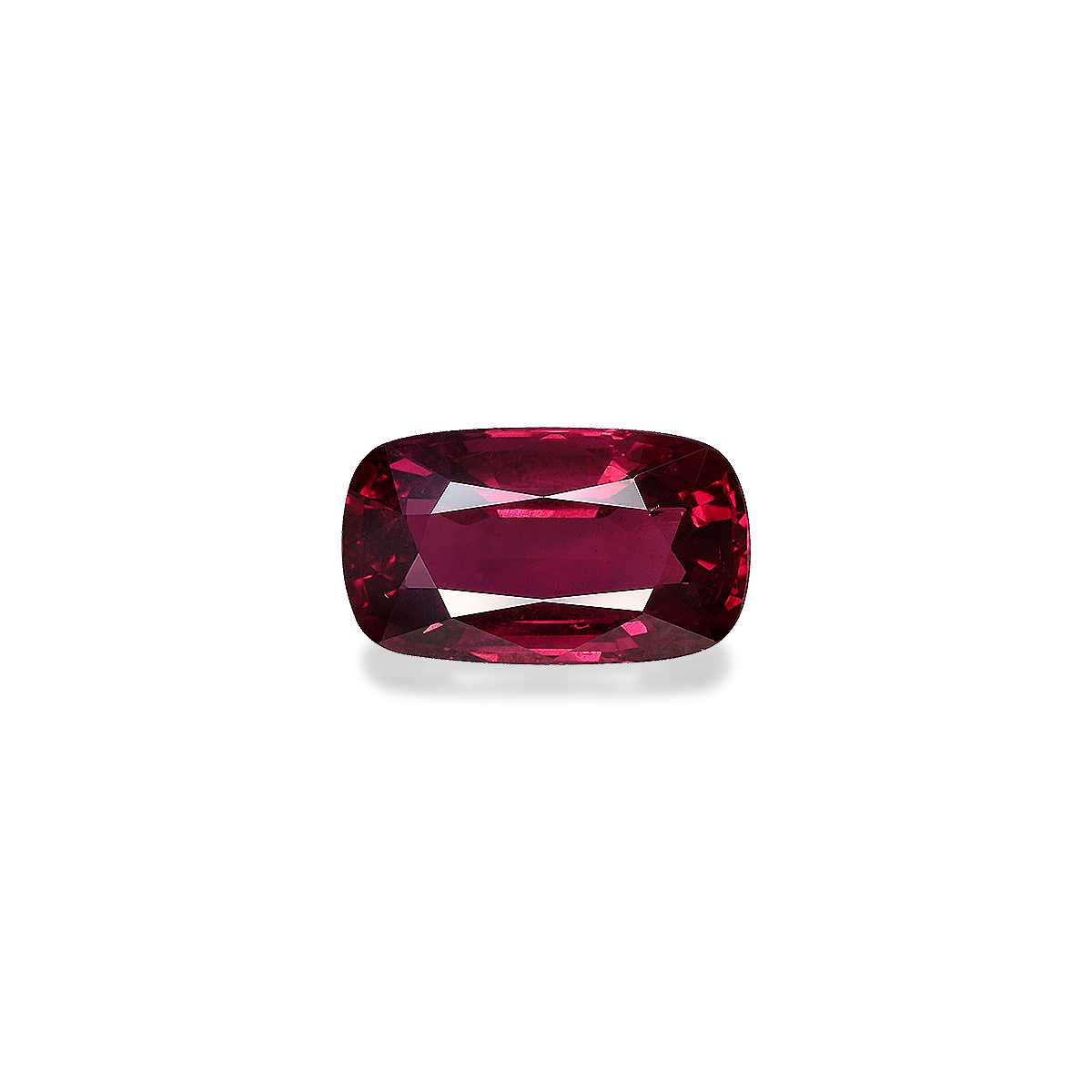
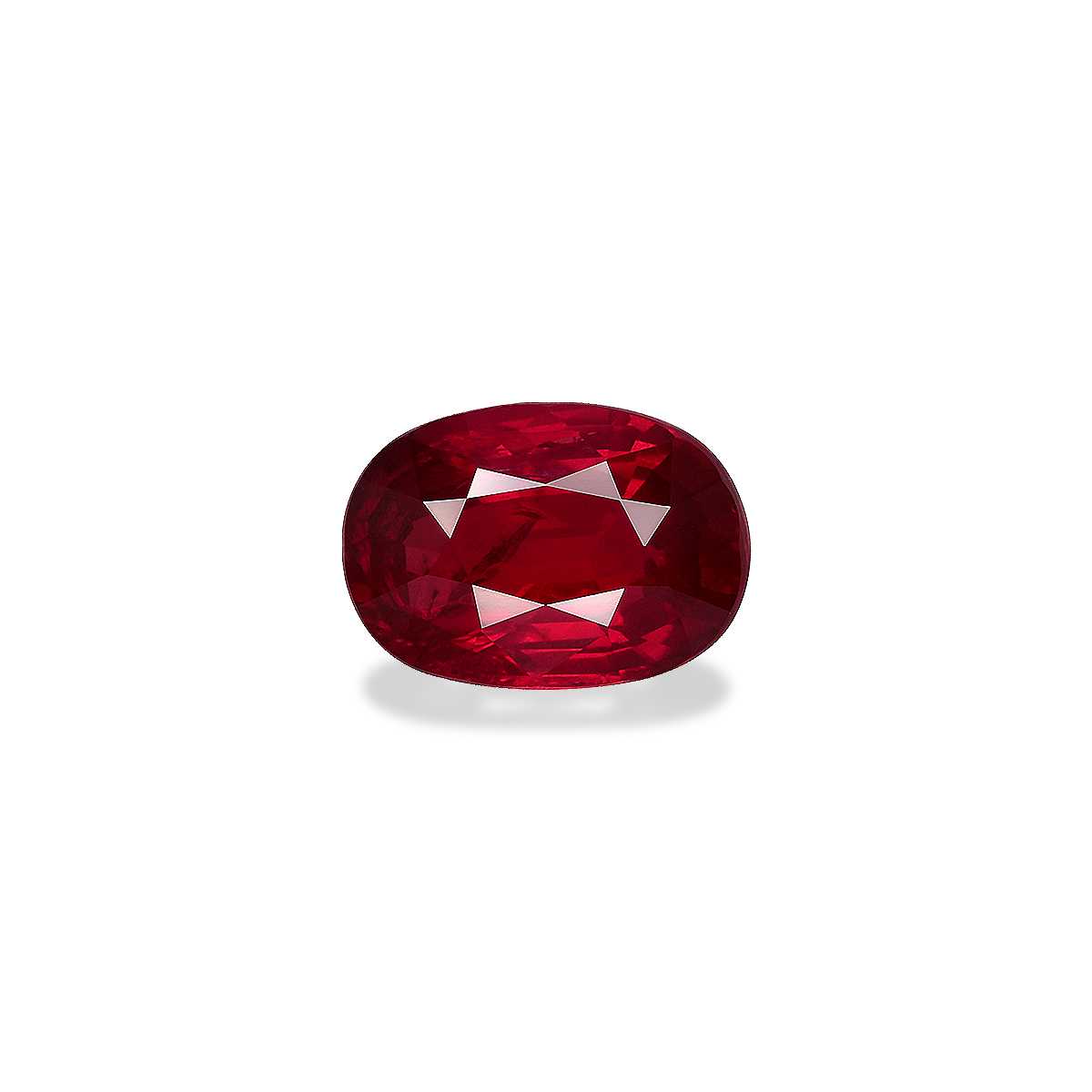
The term Pigeon’s Blood refers to the highly sought-after shade of red that defines the finest rubies. This hue is characterized by its vividness and slight bluish undertone, resembling the color of the blood of a freshly killed pigeon. Such exquisite stones are often found in specific ruby mines, primarily in Myanmar, Thailand, and parts of Africa.
Myanmar: The Birthplace of Pigeon’s Blood Rubies
Myanmar, formerly known as Burma, holds a prestigious position in the world of rubies. The Mogok region, in particular, is famous for producing some of the finest Pigeon’s Blood rubies. The unique geological conditions of this area have resulted in rubies of unparalleled quality. The rich red color, combined with the clarity and brilliance of these stones, has made them a preferred choice for collectors and connoisseurs alike.
Other Notable Ruby Mines Around the World
While Myanmar has long been recognized as the primary source of Pigeon’s Blood rubies, other regions also contribute to the global ruby market.
- Thailand: Known for its vibrant red rubies, Thai stones often feature a more orange hue compared to their Burmese counterparts. Thai rubies are frequently cut and polished locally, showcasing the craftsmanship of the region.
- Tanzania: The discovery of ruby deposits in the Umba Valley has introduced a new wave of rubies to the market. Tanzanian rubies are celebrated for their rich color and are increasingly gaining popularity among gem enthusiasts.
- Madagascar: Emerging as a significant player in the ruby market, Madagascar produces stones with a variety of colors, including deep reds and purples, providing a diverse selection for buyers.
More from Ruby
The Mining Process: From Earth to Elegance
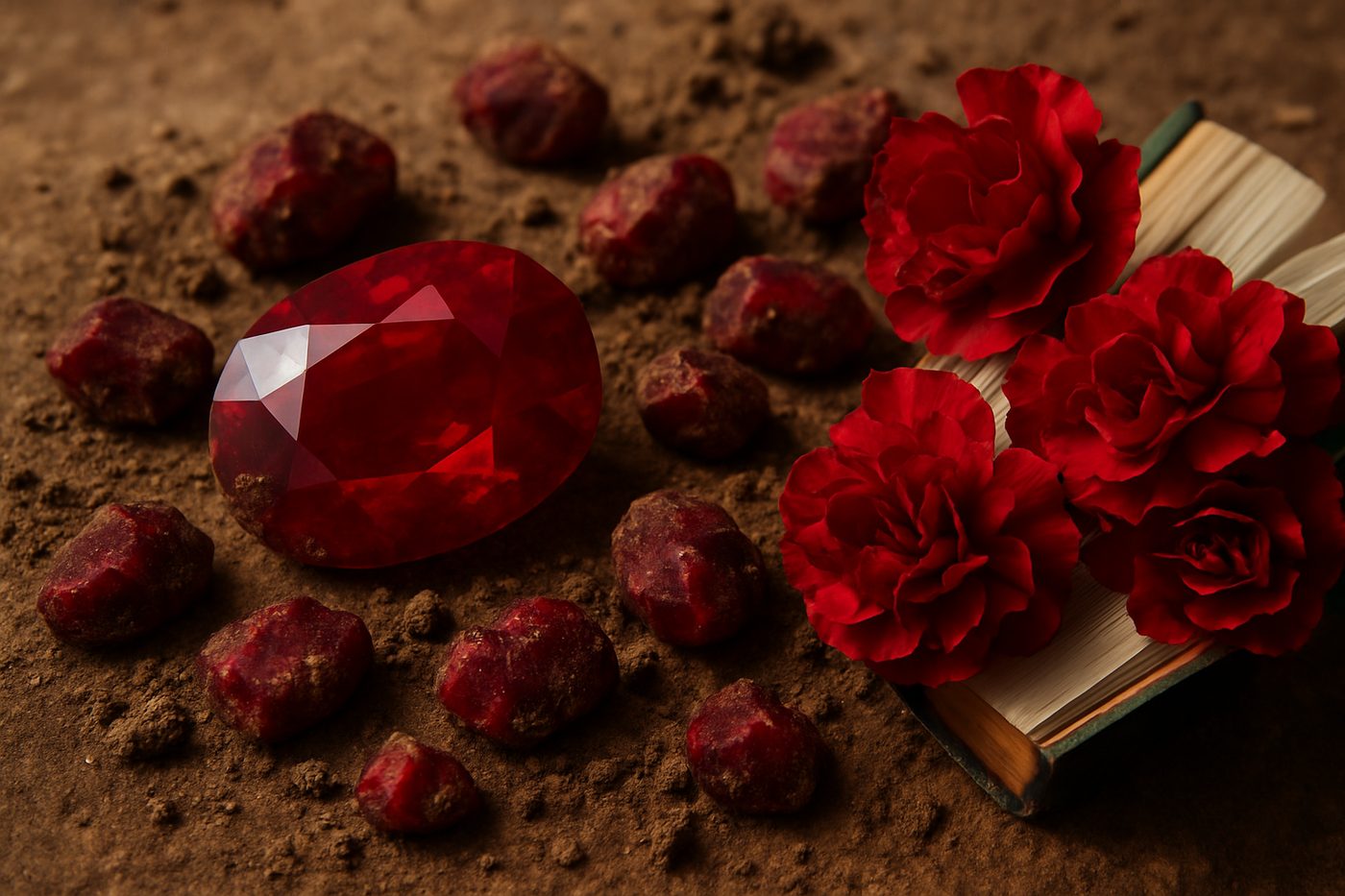
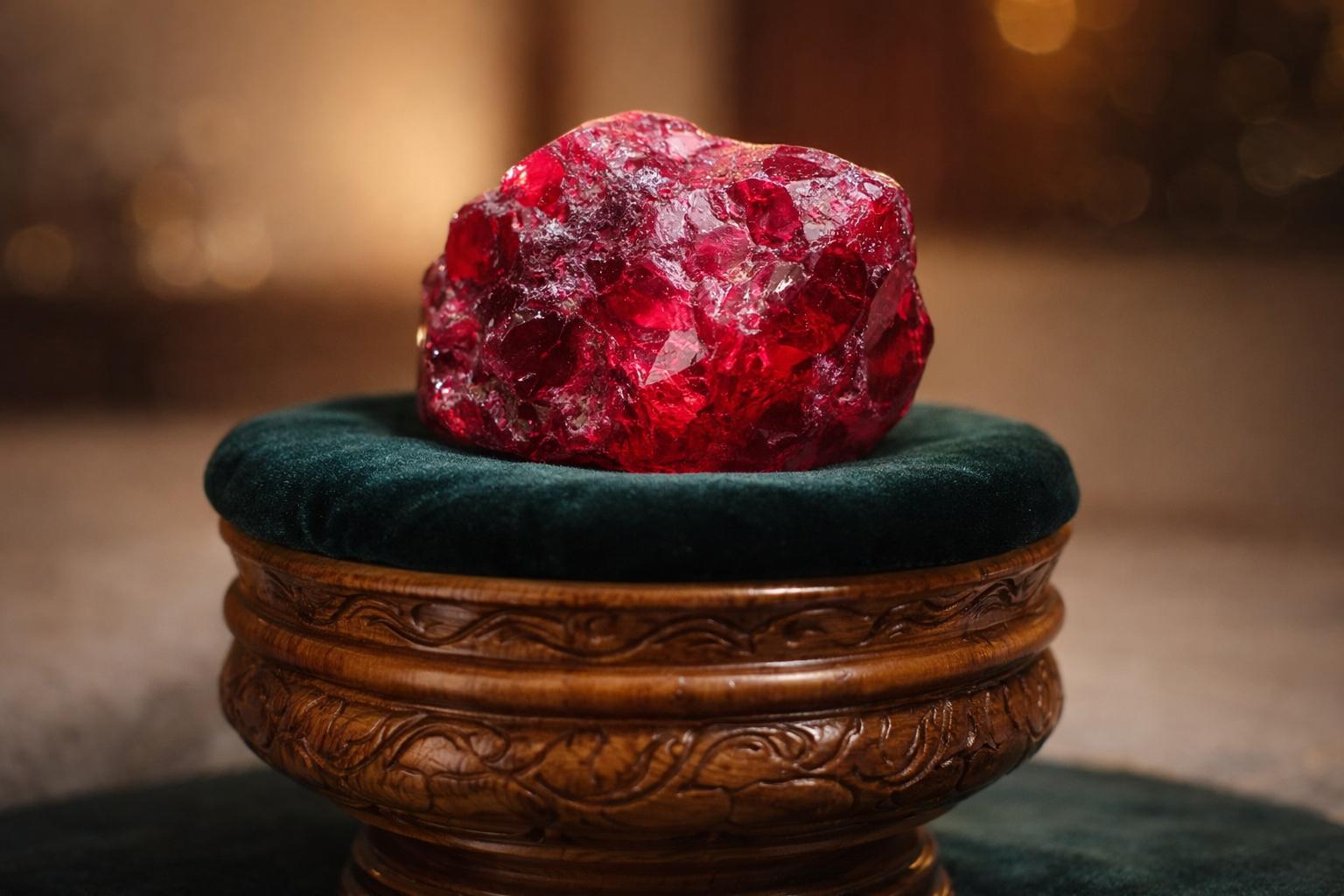
The journey of a ruby from mine to jewel is intricate and requires careful handling at each stage. Miners extract rubies from alluvial deposits or primary rock formations, employing traditional and modern techniques. Once extracted, the stones undergo several processes:
- Cleaning: Freshly mined rubies are often coated in dirt and minerals and must be carefully cleaned to reveal their true beauty.
- Cutting and Polishing: Skilled artisans cut and polish the stones to enhance their natural brilliance and color. The precision of the cut plays a vital role in how the ruby will reflect light.
- Certification: Before entering the market, high-quality rubies are typically certified by gemological institutes, ensuring authenticity and quality.
Preserving the Heritage of Ruby Mining
As the demand for rubies continues to grow, it is essential to ensure that ruby mines are operated sustainably. Ethical mining practices not only protect the environment but also provide fair working conditions for miners. Several organizations are advocating for responsible sourcing, ensuring that the beauty of rubies does not come at the expense of human rights or environmental degradation.
Conclusion
The journey of rubies, especially the exquisite Pigeon’s Blood variety, from ruby mines to the ultimate jewelry piece, is a testament to nature’s artistry and human craftsmanship. Understanding the origins and mining processes of these gemstones deepens our appreciation for their beauty and significance in our lives. For more information on rubies, you can refer to the Ruby gemstone description or the How to Choose a Quality Ruby. If you're considering a special gift, explore our selection of Ruby jewelry, perfect for any occasion.
You may also like
More reading from our journal.