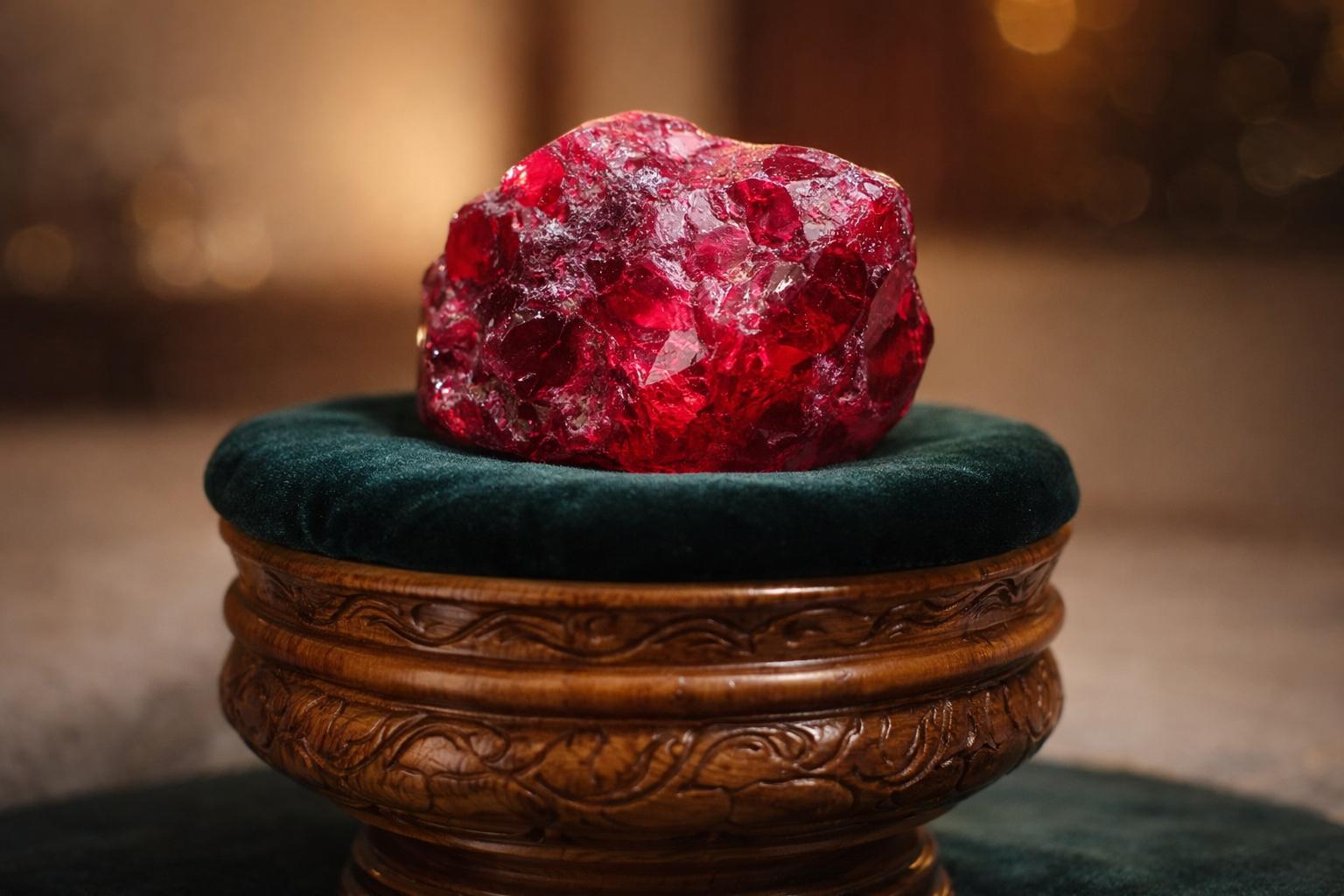
Myanmar 11000 Carat Ruby Discovery
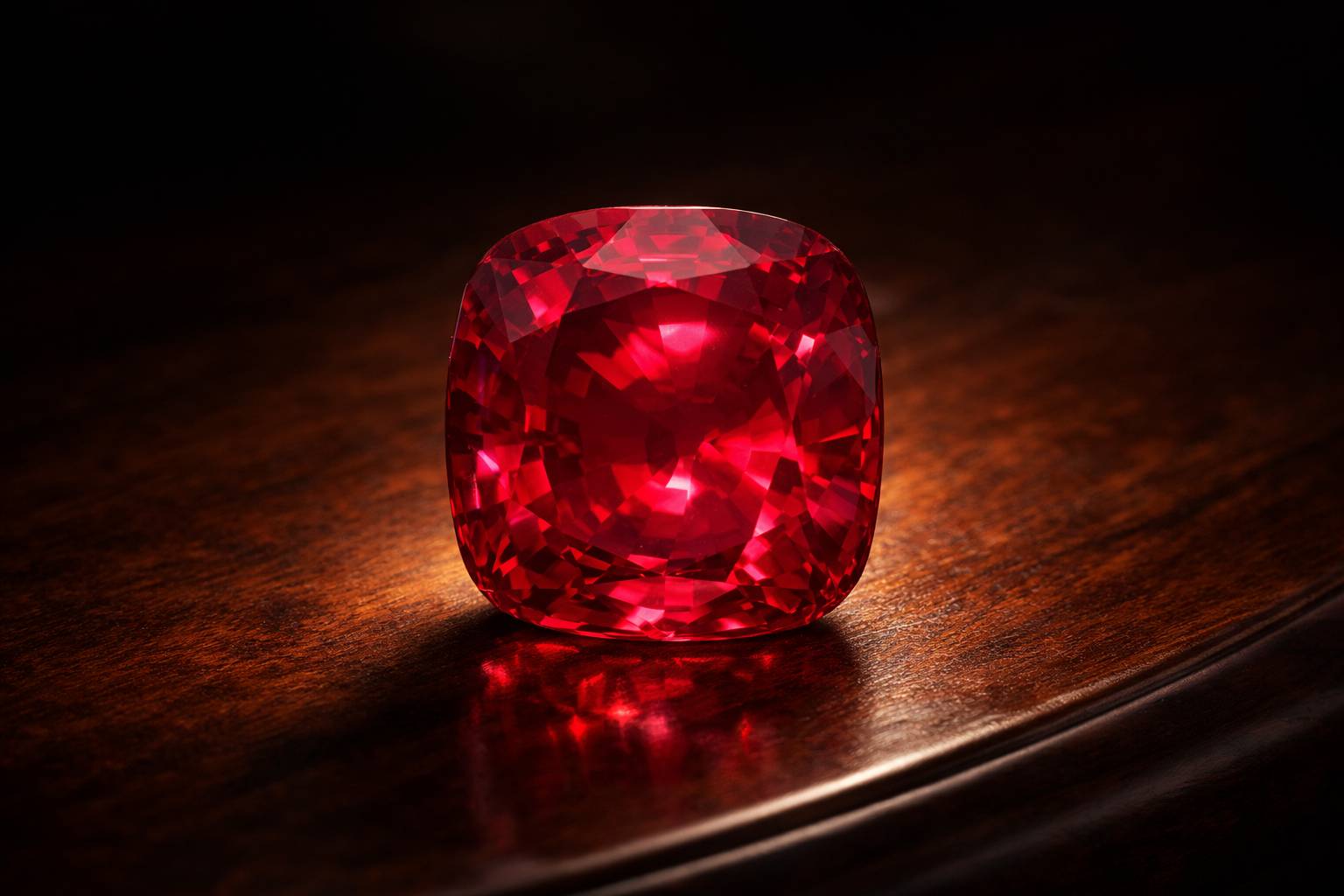
The gemstone market is perpetually evolving, shaped by discoveries, trends, and the intricate dance of supply and demand. The recent discovery of an extraordinary 11,000-carat ruby in Myanmar has stirred considerable interest among gem enthusiasts and investors alike. This remarkable find not only showcases the allure of rubies but also has profound implications for the gemstone market as a whole. For more on the significance of such discoveries, you can read about the Crimson Prince ruby from Namya.
Understanding the Significance of the Discovery
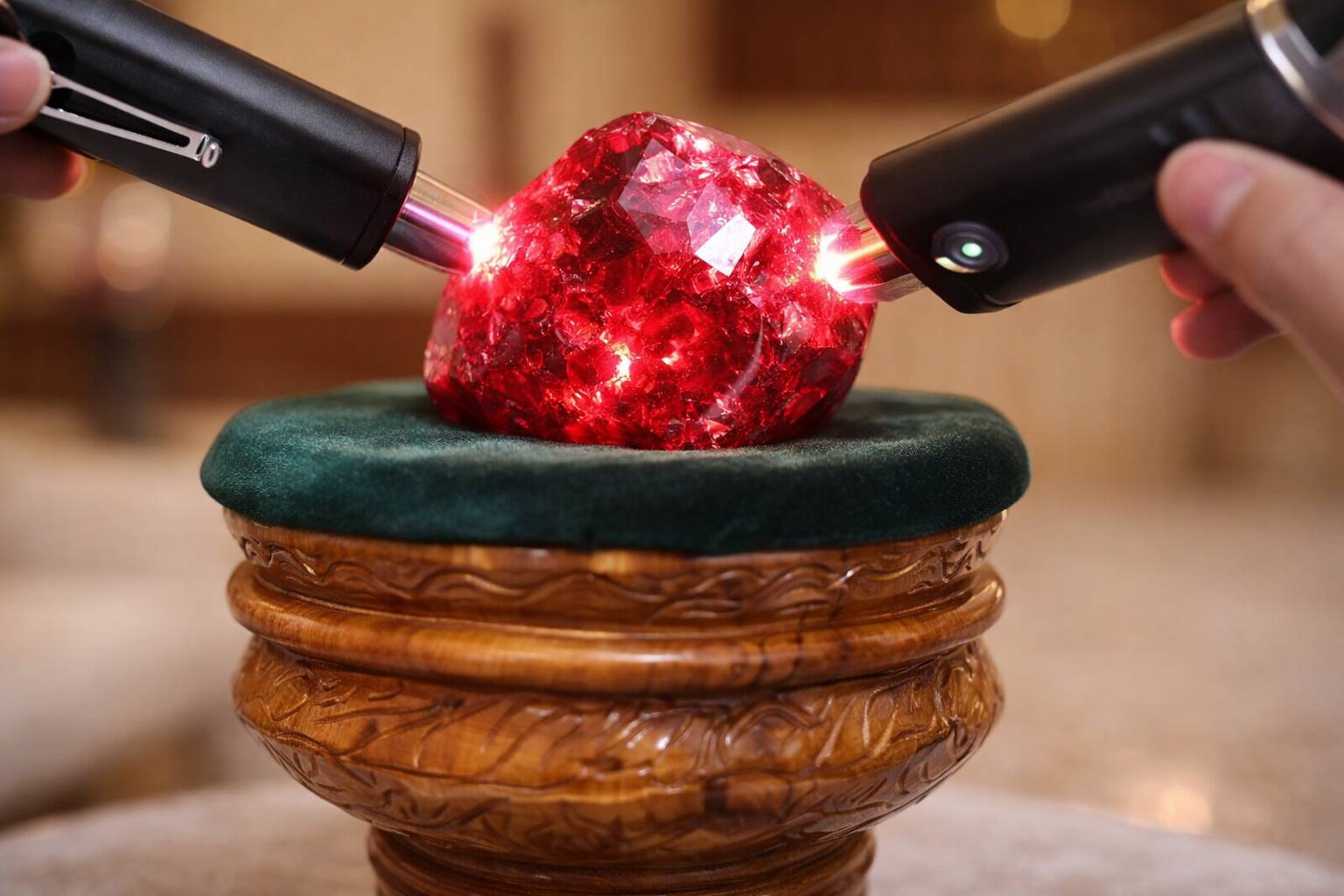
The discovery of a ruby of such size is exceedingly rare. Rubies, valued for their vibrant red hues, are primarily sourced from Myanmar, which has long been regarded as a premier origin for these exquisite gemstones. The 11,000-carat ruby stands as a testament to the rich geological history of the region, where natural processes have nurtured the formation of some of the world's finest rubies.
The Historical Context of Myanmar Rubies
Myanmar, formerly known as Burma, has a storied history in the gemstone trade. The Mogok Valley, in particular, is renowned for producing rubies that exhibit a remarkable depth of color, often referred to as “pigeon blood” red. This designation signifies not only the hue but also the quality and desirability of the stones originating from this region. The recent discovery further cements Myanmar's status as a cornerstone of the ruby market. For more insights, you can explore the Status of ruby mining in Mogok.
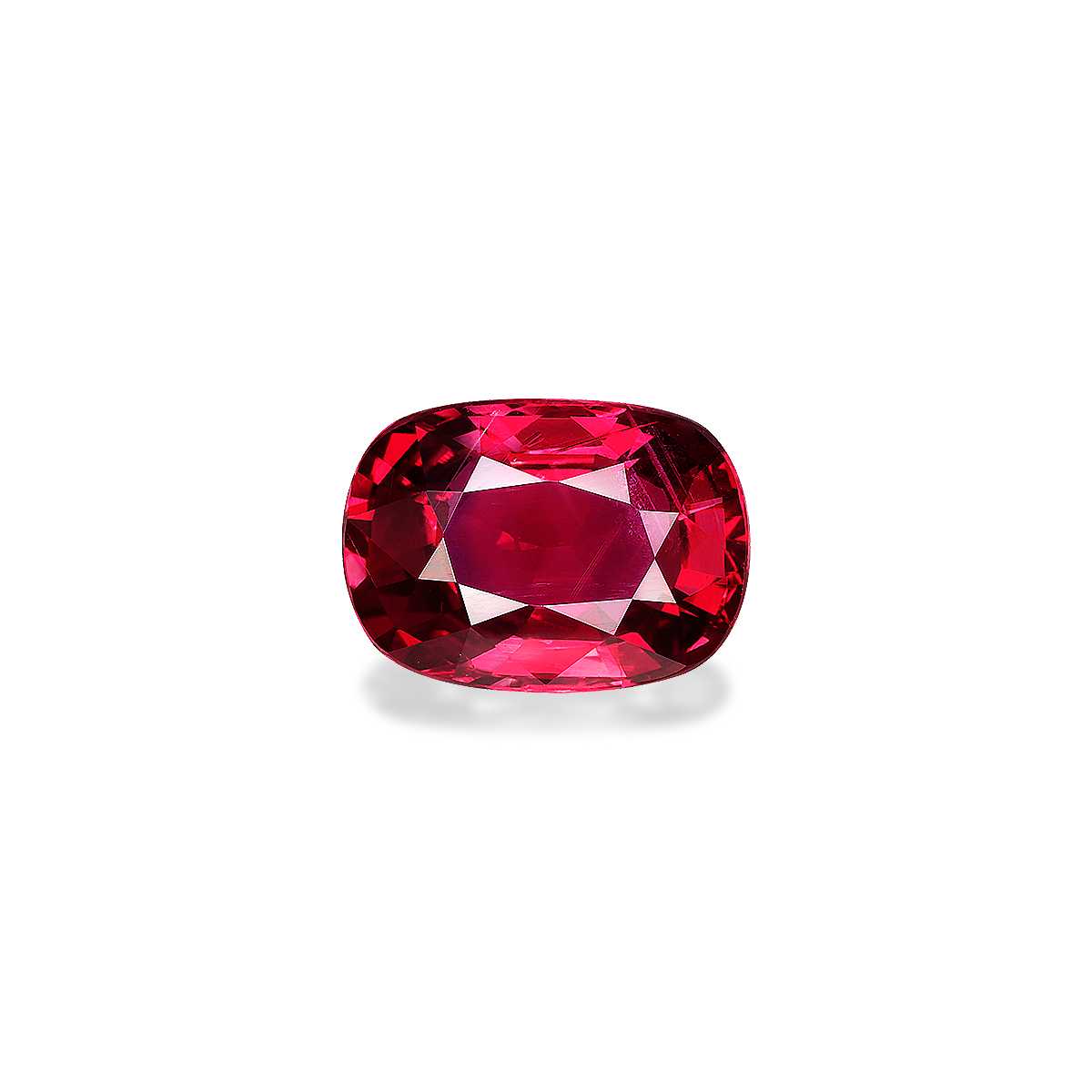
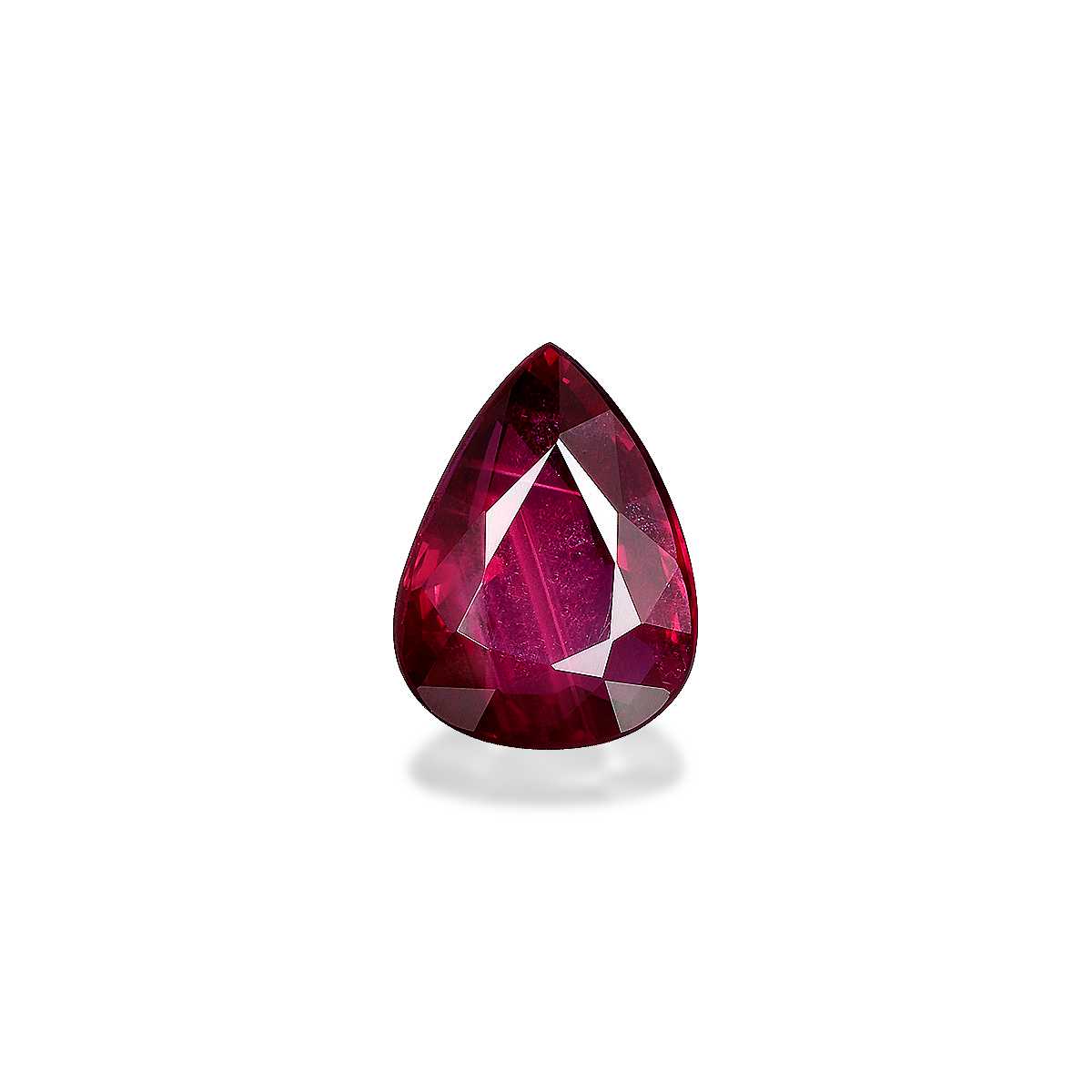
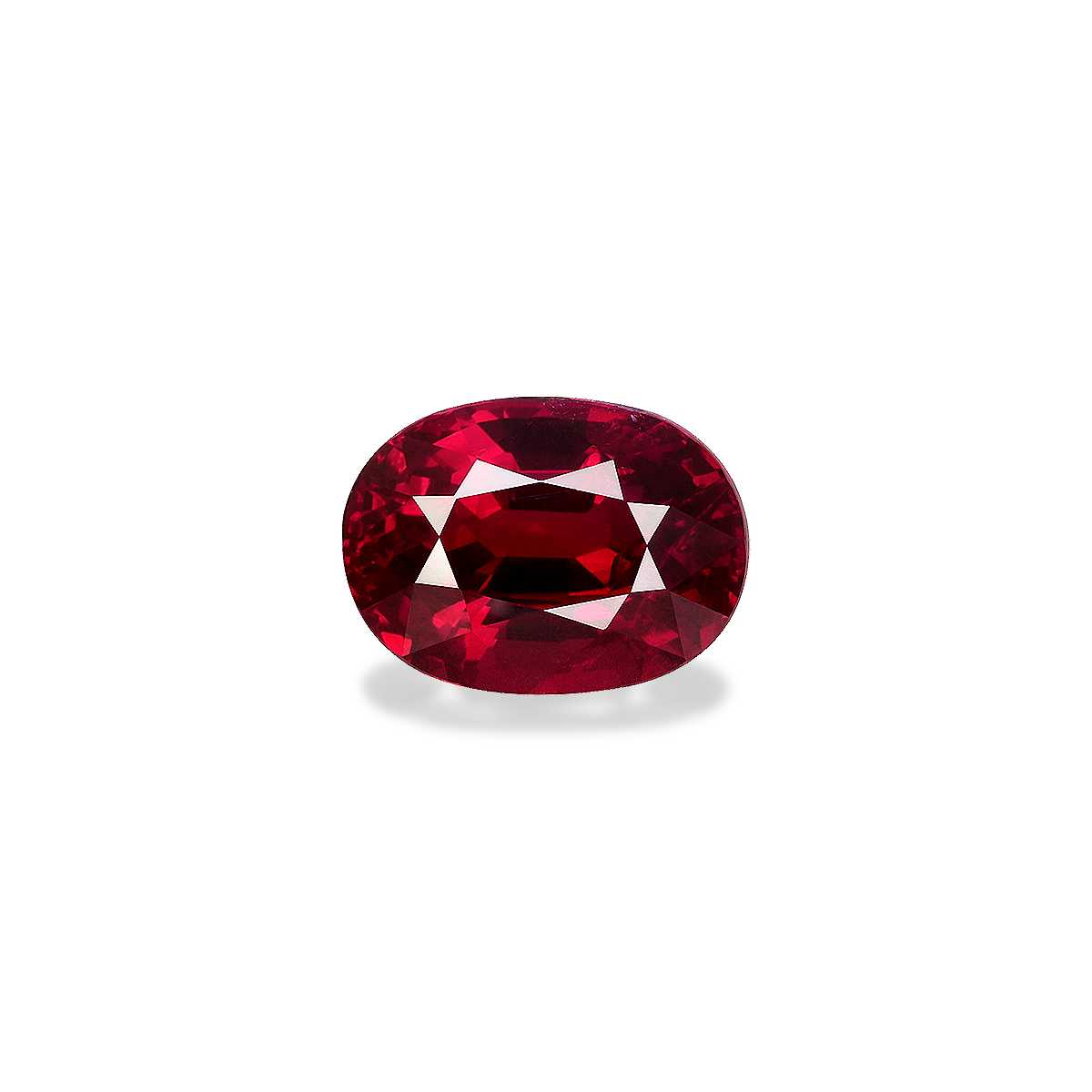
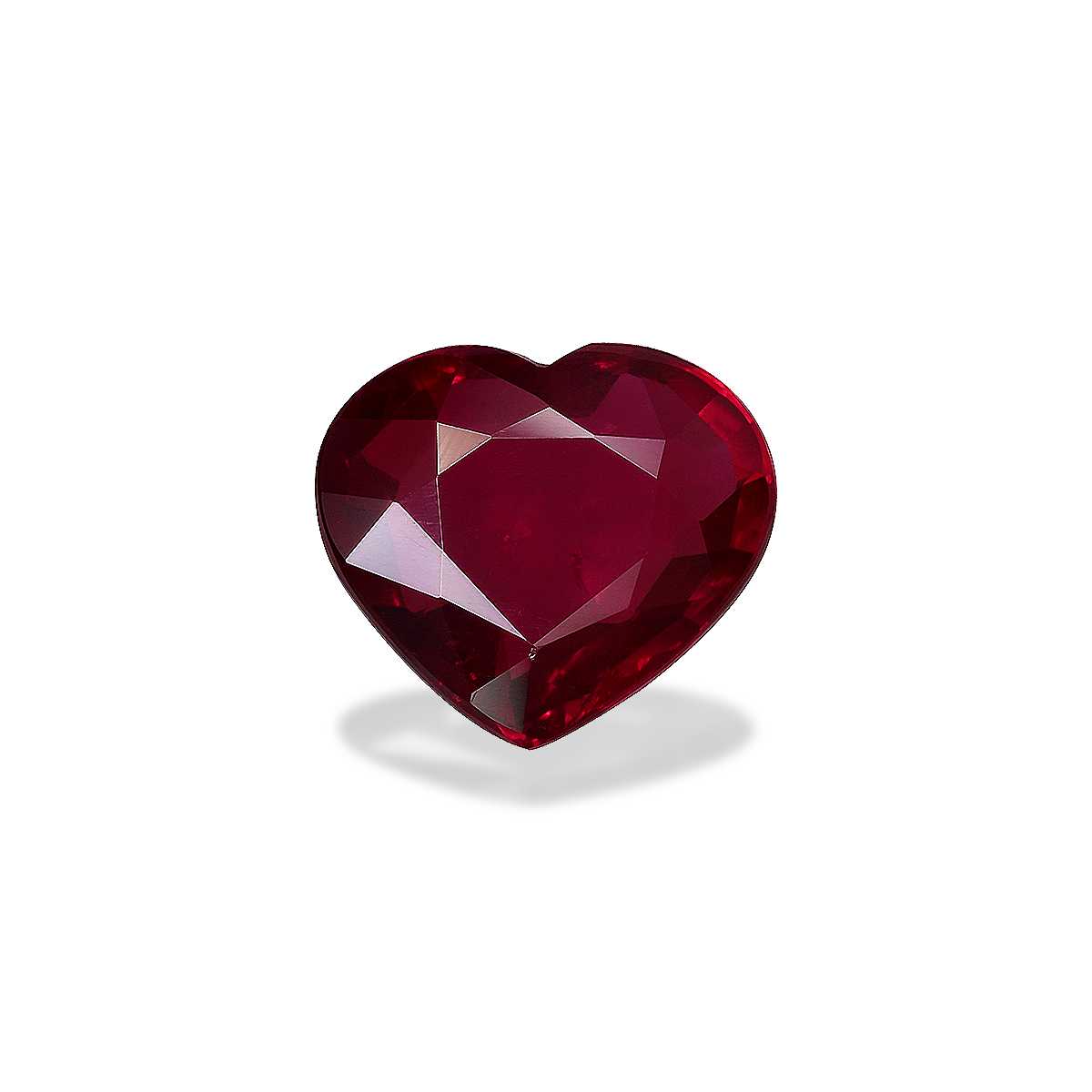
More from Ruby
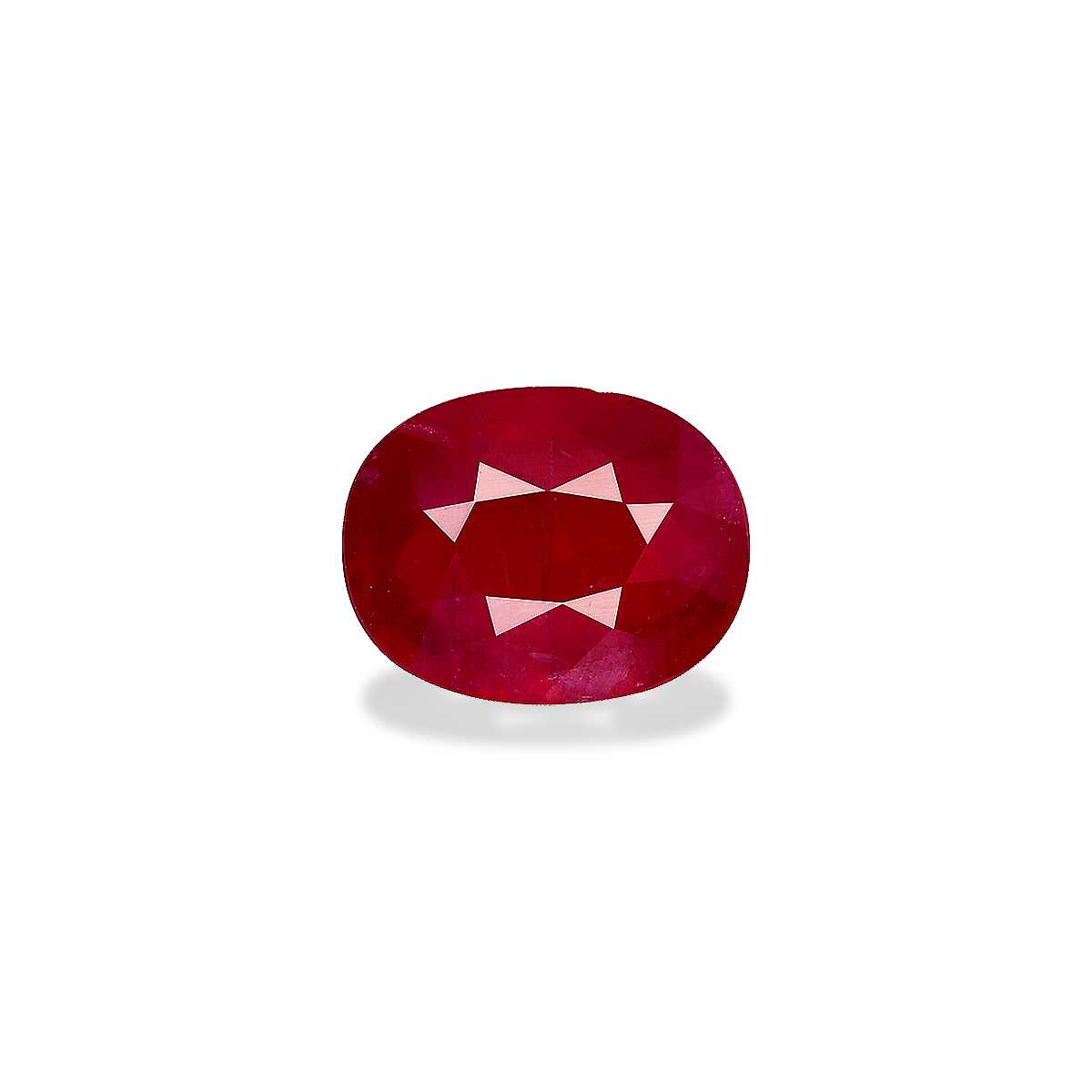
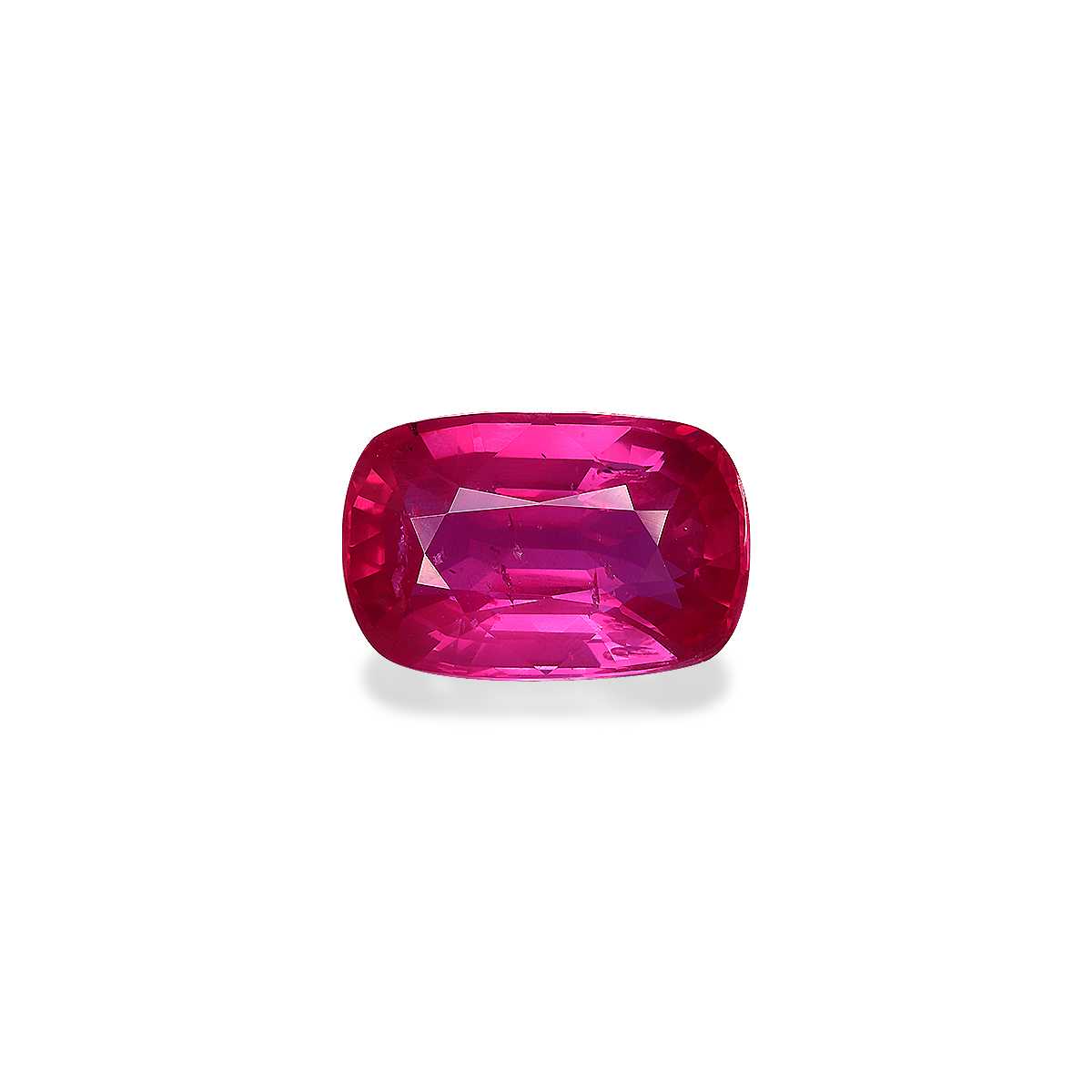
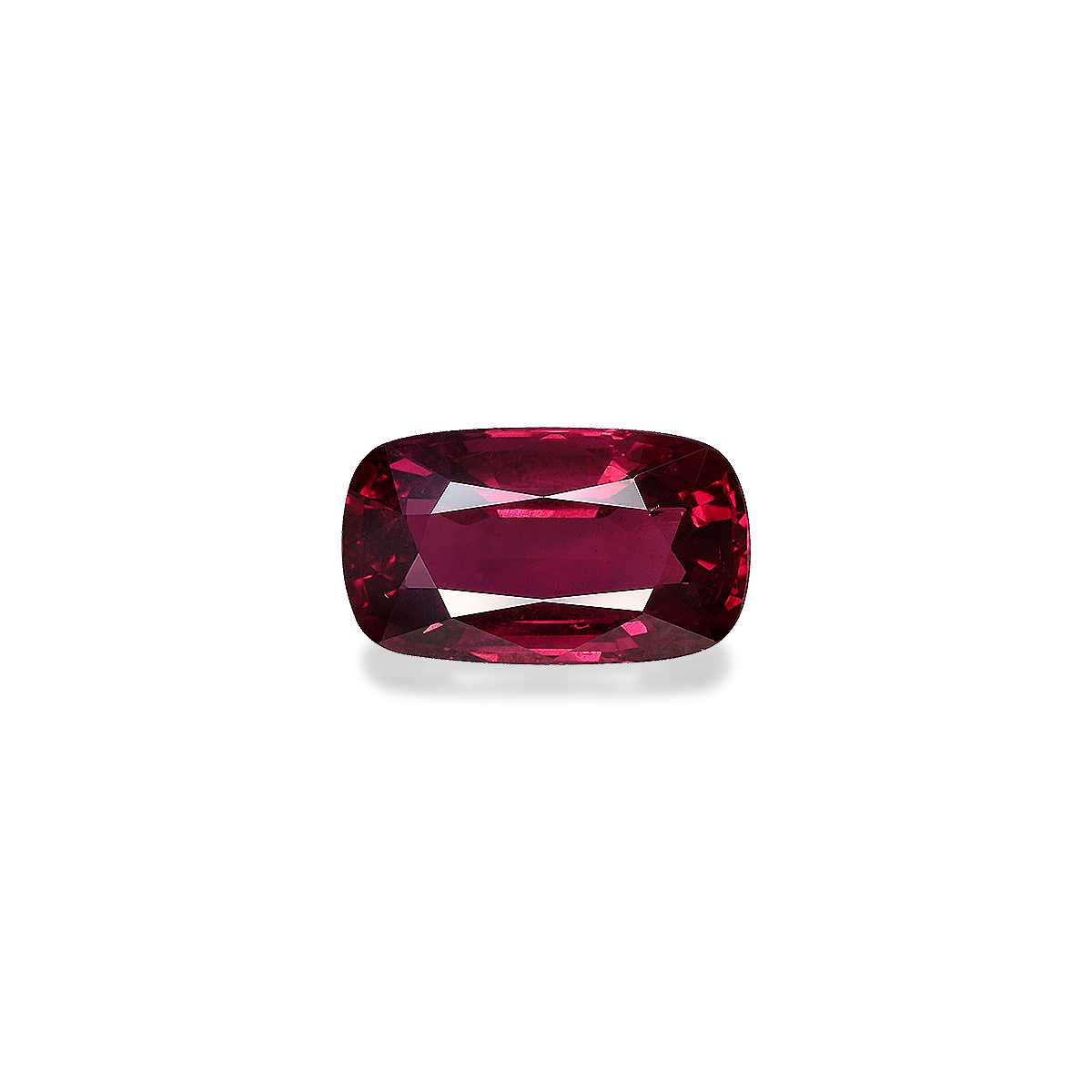
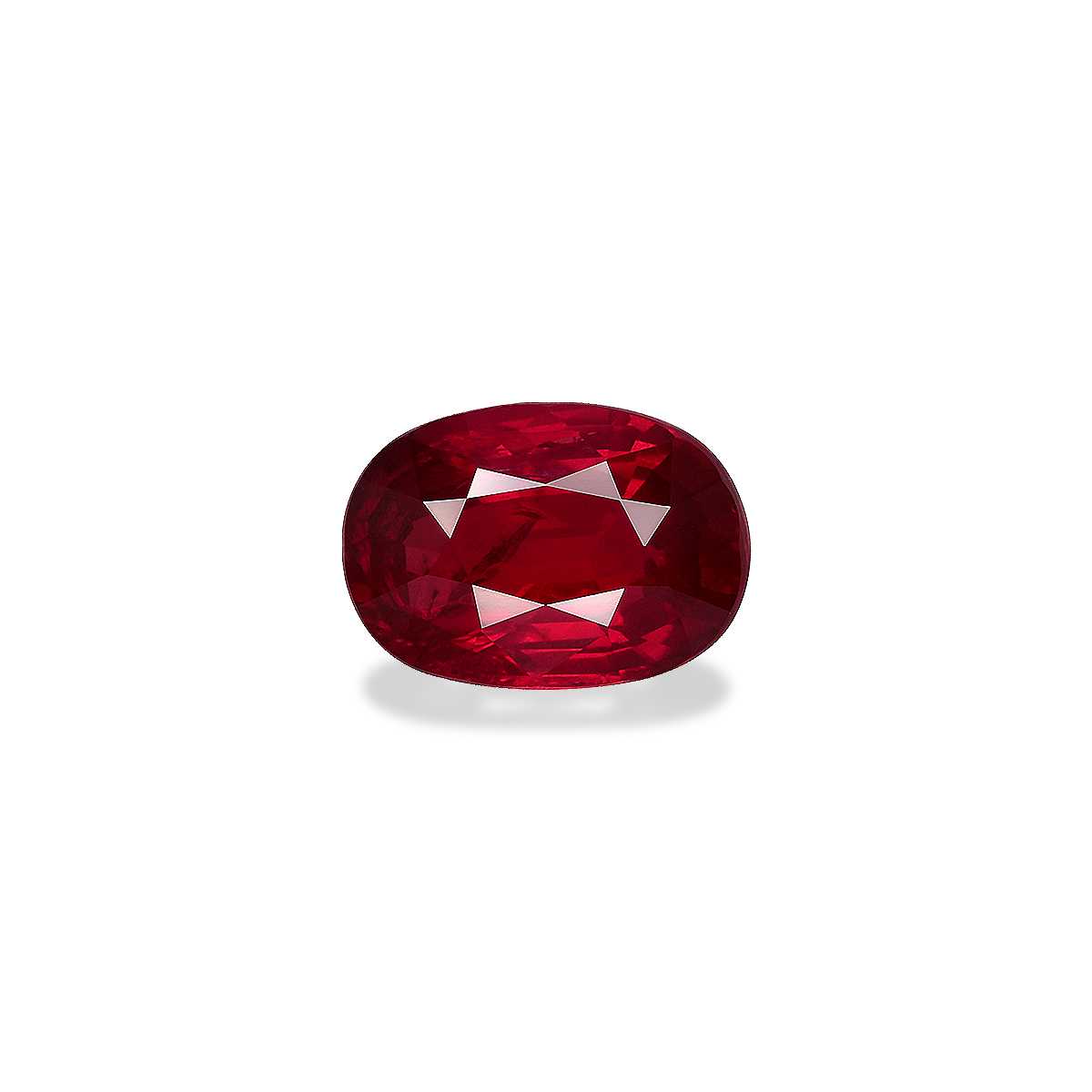
Market Implications of the 11,000-Carat Ruby
The implications of such a substantial find are multifaceted. As collectors and investors anticipate the entry of this ruby into the market, it may lead to fluctuations in pricing and availability for rubies of varying sizes and qualities. Historically, significant discoveries can create a ripple effect, influencing market trends and setting new benchmarks for value.
Potential Impact on Pricing
The introduction of a gemstone of this magnitude could lead to a reassessment of pricing structures within the ruby market. While larger stones often command higher prices due to their rarity, the presence of such an imposing ruby may prompt a reevaluation of how smaller rubies are perceived and valued. Collectors may find themselves reassessing the relative value of their own collections.
Shifts in Demand
As the excitement surrounding the 11,000-carat ruby unfolds, demand for rubies may experience a shift. Collectors and investors might seek to acquire rubies that complement the newfound gem, leading to an uptick in interest for stones that showcase unique characteristics, such as exceptional color saturation or clarity.
The Role of Ethical Sourcing and Transparency
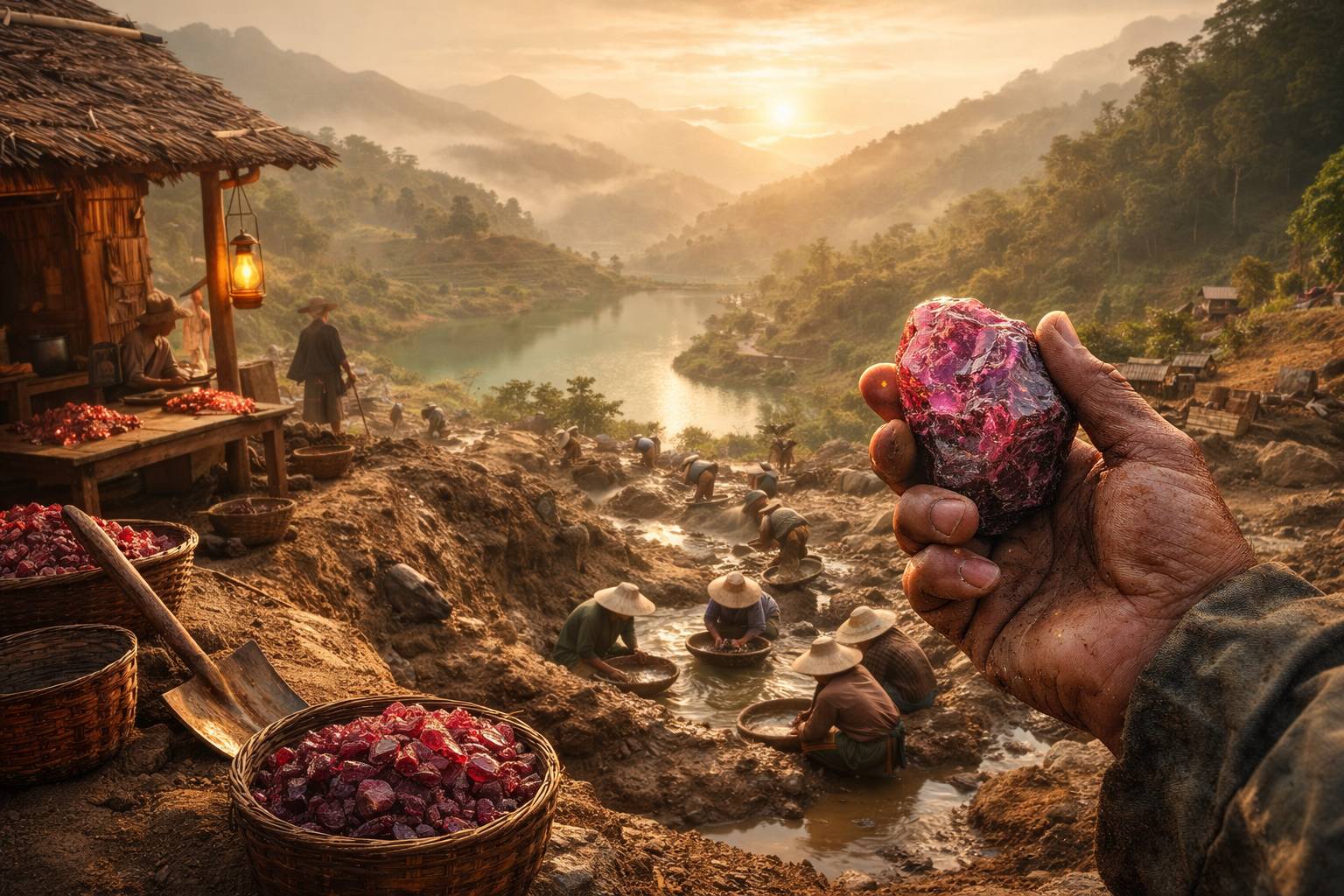
Alongside the excitement of this discovery, there arises a critical conversation regarding ethical sourcing and transparency within the gemstone market. With the increased attention on Myanmar rubies, stakeholders must prioritize responsible mining practices and ensure that the benefits of such discoveries extend to local communities. Organizations and brands that embrace ethical sourcing practices will likely find greater favor among discerning consumers.
The Future of Myanmar’s Gemstone Industry
The 11,000-carat ruby not only highlights the potential of Myanmar's geological wealth but also serves as a reminder of the challenges facing the gemstone industry. As global demand for ethically sourced gemstones continues to grow, Myanmar's stakeholders must navigate the delicate balance between tradition and modernity, ensuring that the legacy of their gemstones is preserved while adapting to contemporary market expectations. For a fascinating example of a notable ruby, consider the Sunrise Ruby.
In a landscape where the allure of gemstones often intertwines with narratives of heritage and craftsmanship, the discovery of an 11,000-carat ruby in Myanmar stands as a poignant chapter. It invites reflection on the intrinsic value of gemstones and the stories they carry, bridging the past with the future of the gemstone market. Additionally, a recent report highlighted that a massive 11,000-carat ruby has been unearthed in Myanmar's war-scarred gemstone heartland.
You may also like
More reading from our journal.