Understanding the Stones That Are Most Precious to Behold
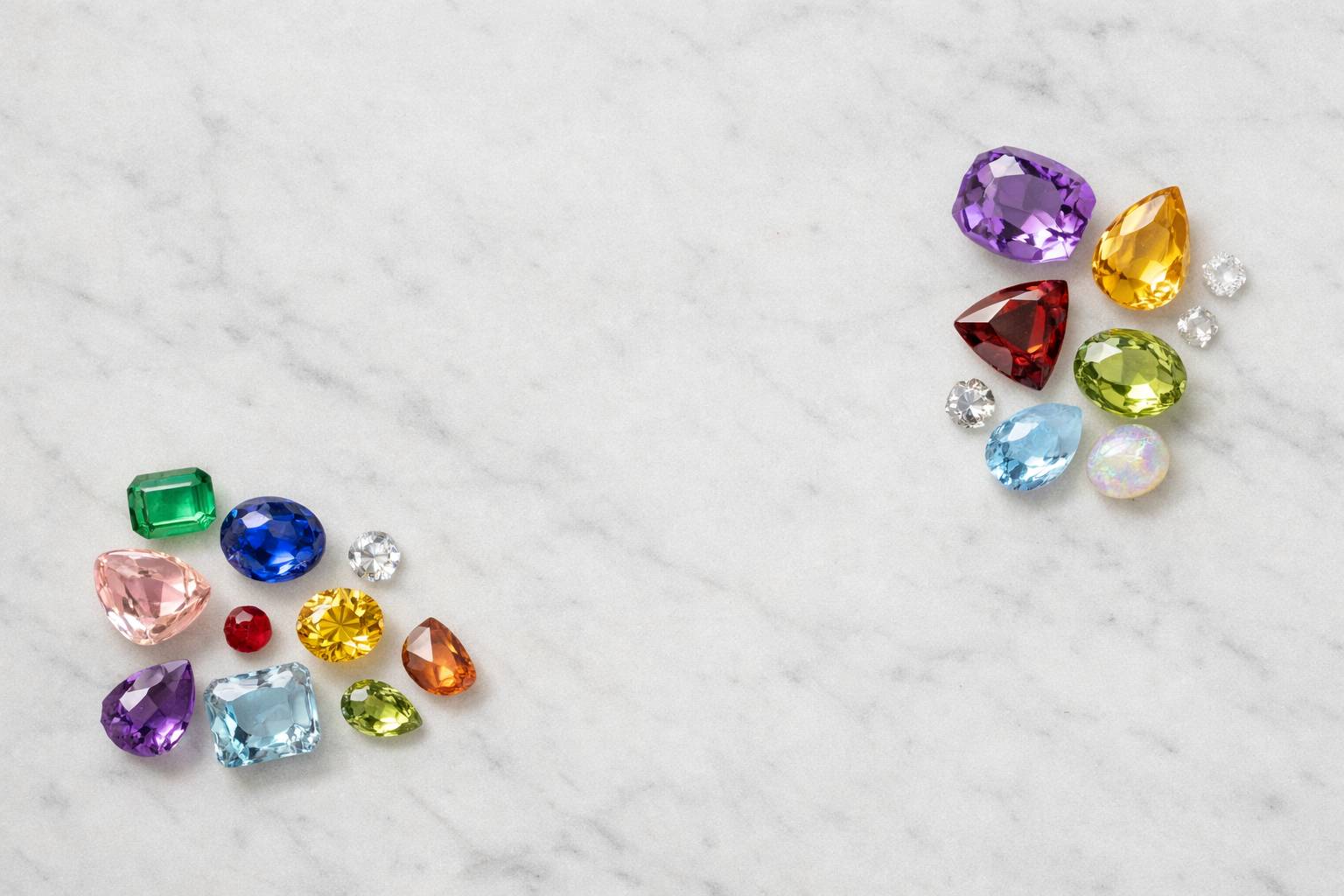
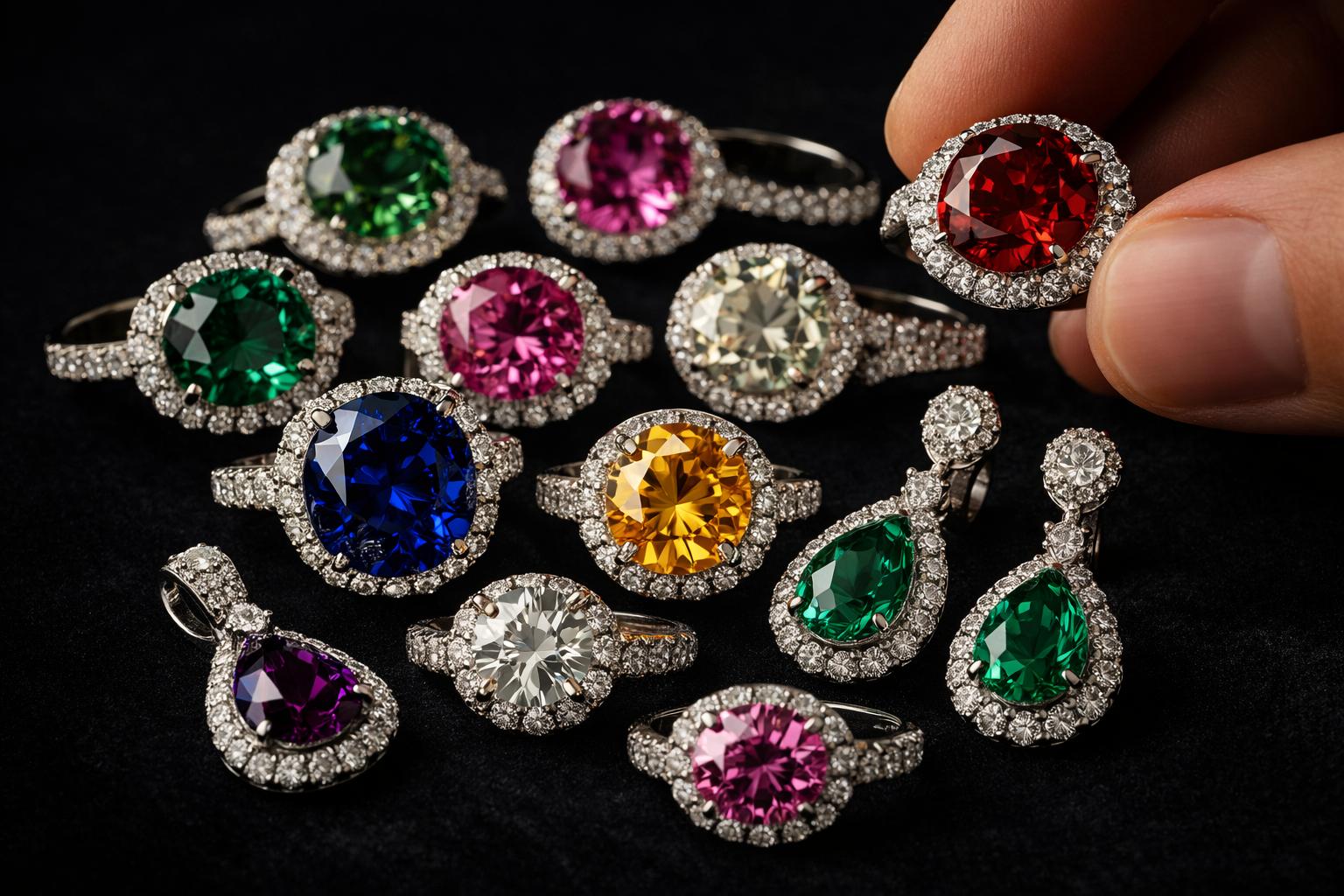
The stones that are most precious to behold are defined by their rarity, beauty, and durability. When evaluating these gems, consider factors such as their origin, treatment history, and market demand, which significantly influence their quality and price.
Rarity and Market Demand
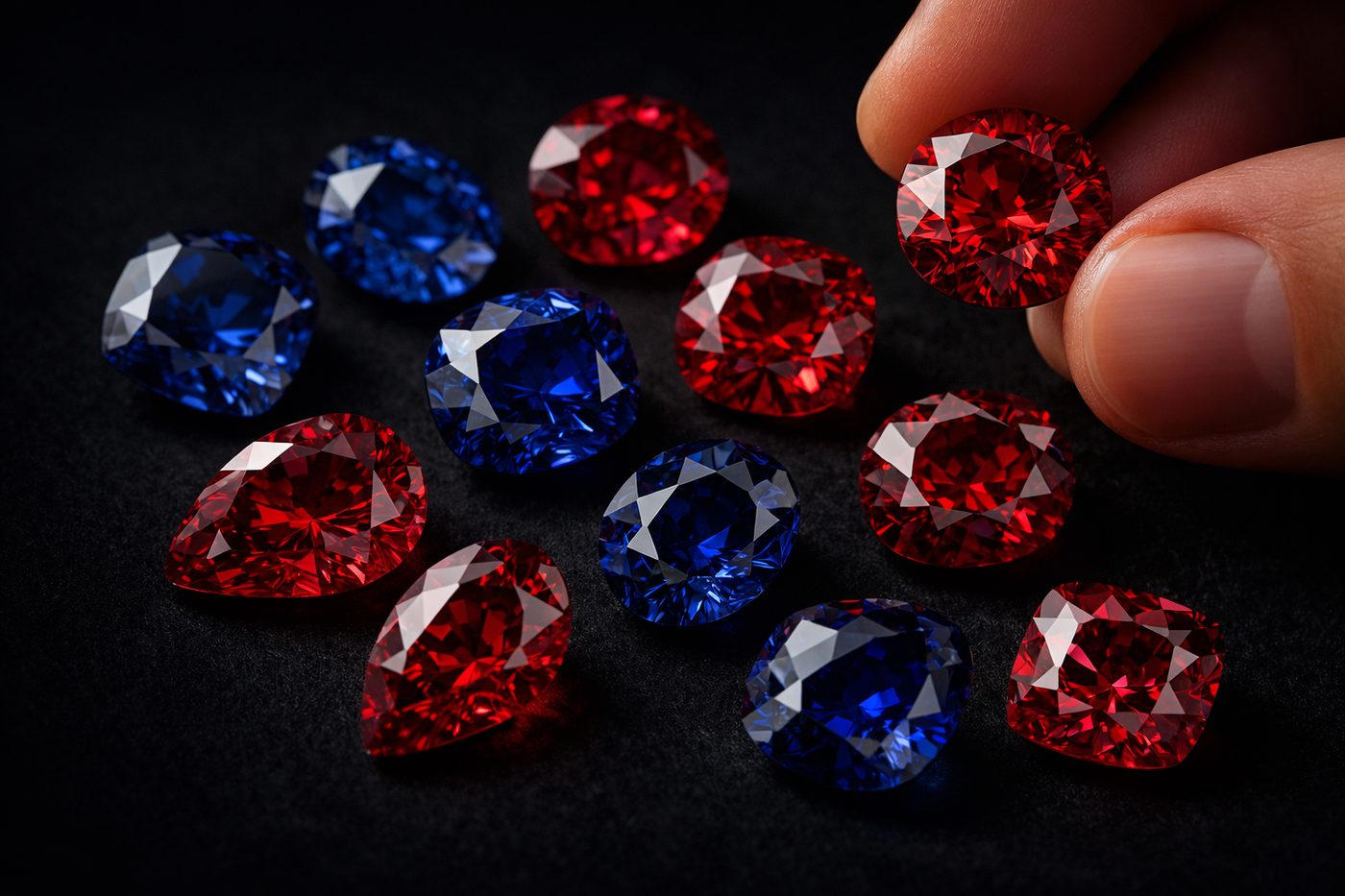
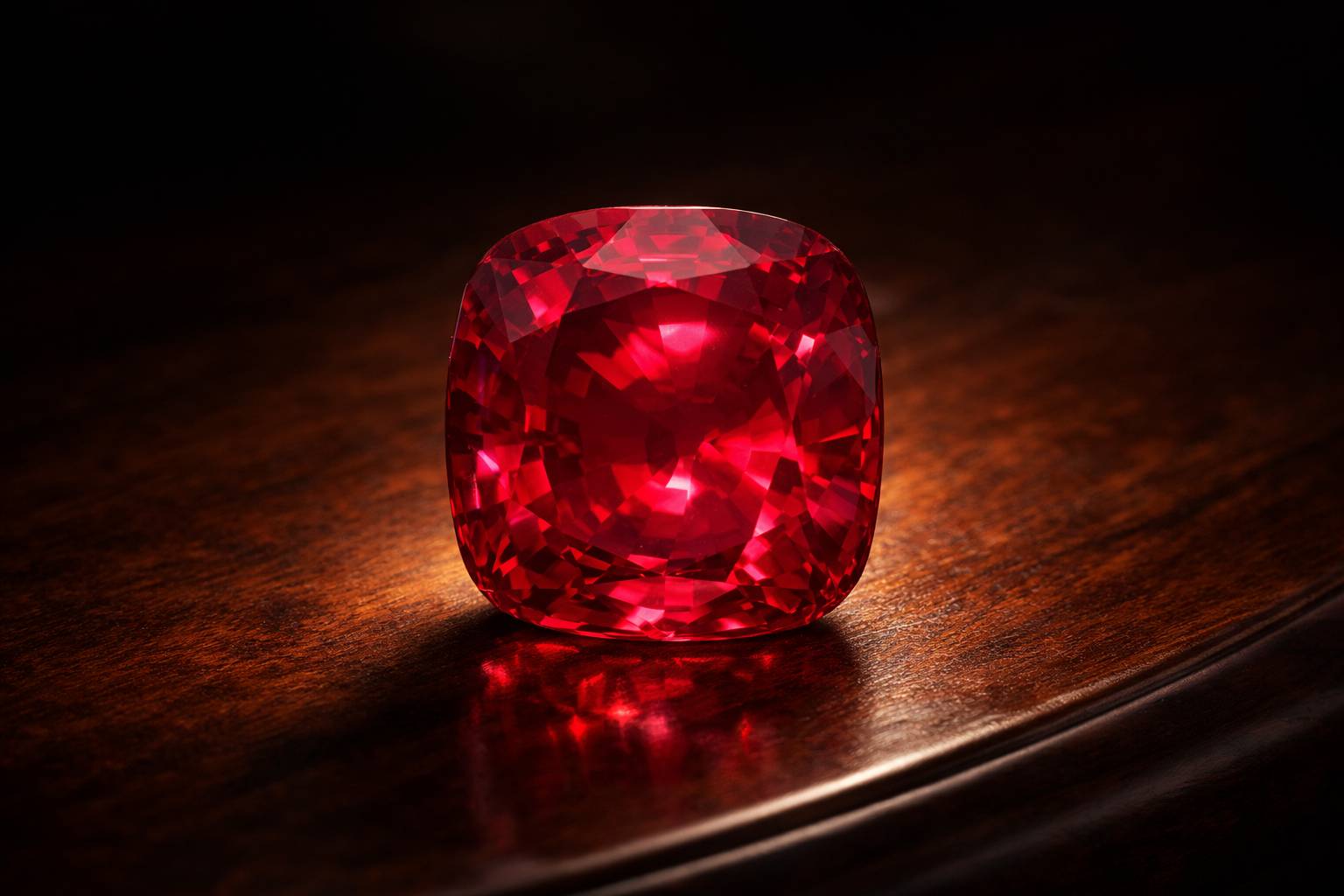
Rarity is a fundamental driver of value in gemstones. For example, red diamonds are among the rarest, with only about 30 known to exist, commanding prices that can exceed $1 million per carat. In contrast, diamonds, while still valuable, are more abundant, averaging between $4,000 and $12,000 per carat depending on quality.
Origin and Craftsmanship
The origin of a gemstone can greatly impact its desirability. For instance, Kashmir sapphires are highly sought after for their rich blue hue and velvety texture, often fetching prices above $25,000 per carat. Additionally, the craftsmanship involved in cutting and setting a gemstone can enhance its visual appeal, contributing to its overall value.
Treatment and Enhancement Practices
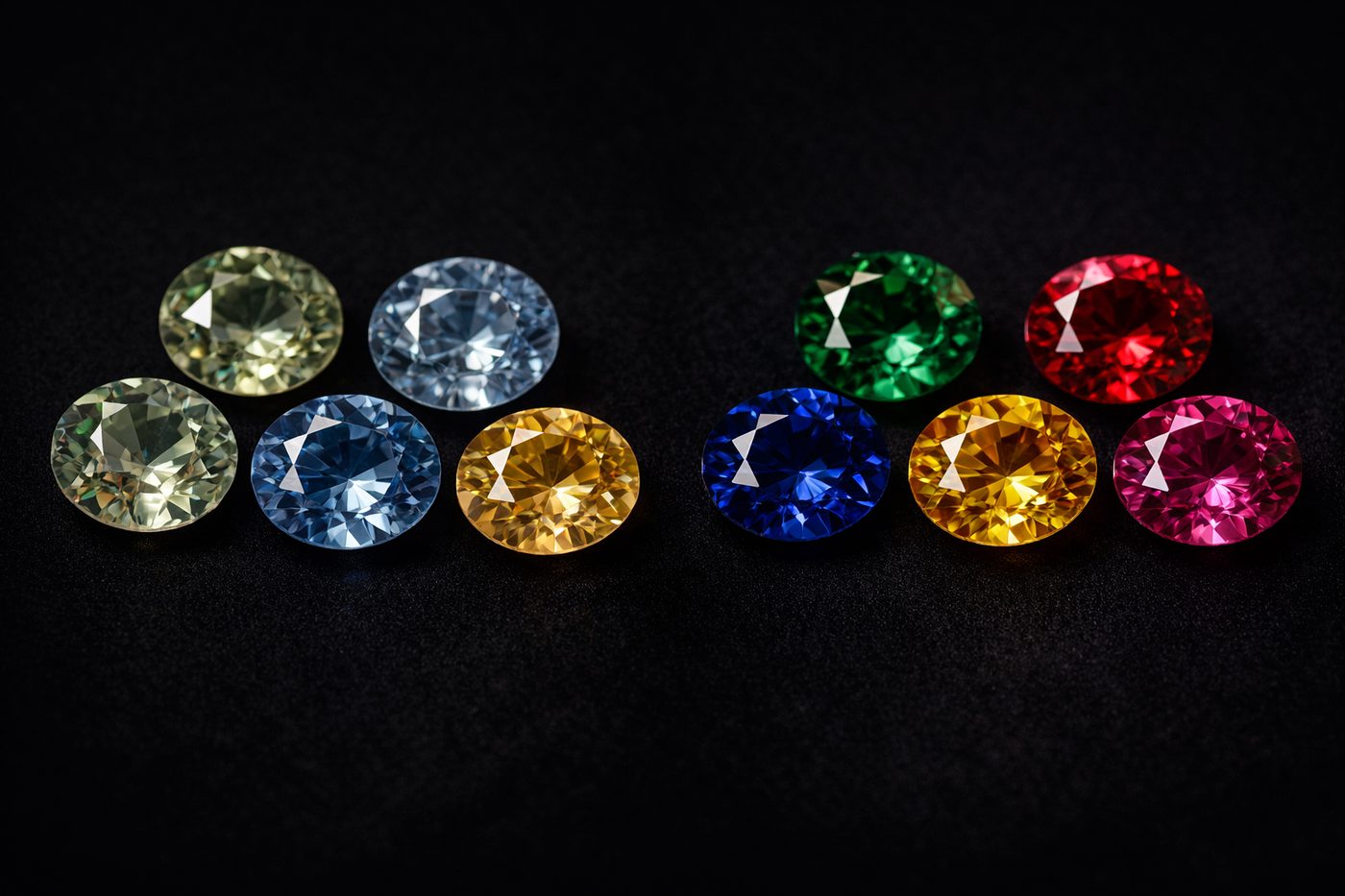
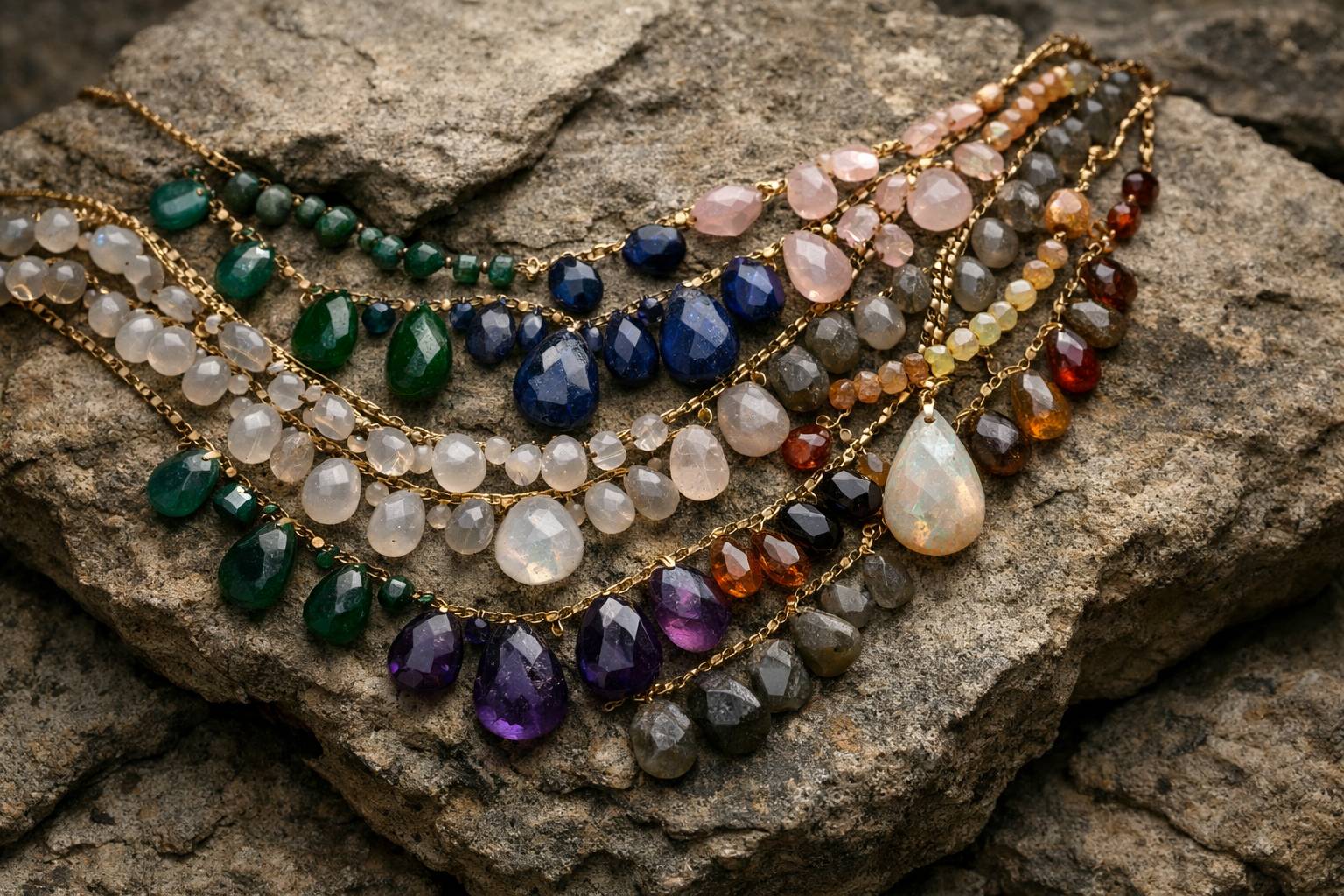
Many gemstones undergo treatments to improve their appearance. For example, nearly 90% of all emeralds are treated with oil to enhance clarity. Buyers should inquire about any enhancements, as untreated stones, like natural rubies, can be significantly more valuable, sometimes exceeding $15,000 per carat.
Evaluating Quality: Clarity and Color
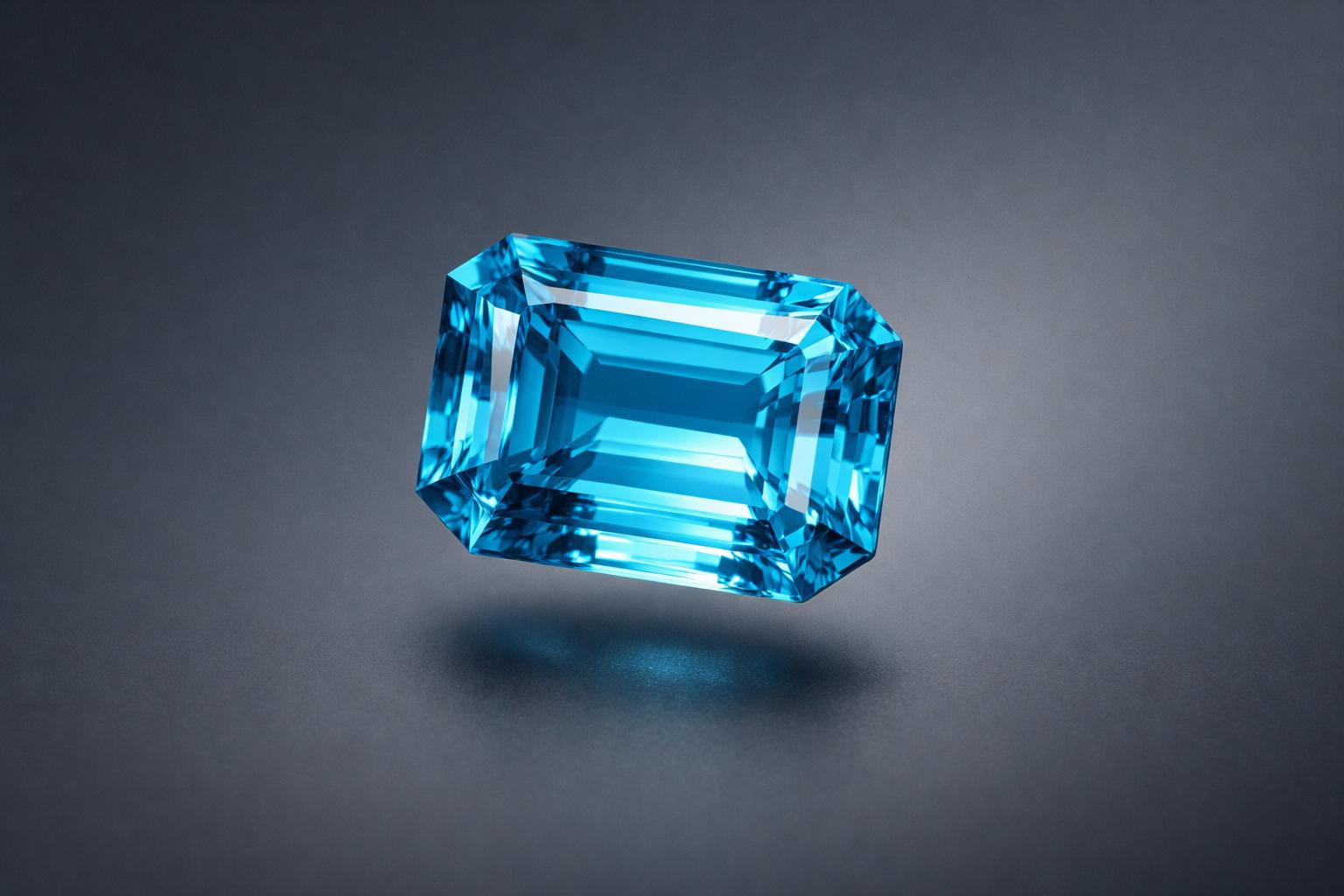
Clarity and color are critical factors when assessing gemstone quality. For instance, diamonds are graded on a scale from D (colorless) to Z (light yellow), with D-F stones being the most valuable. Similarly, in colored gemstones, saturation and hue are essential; for example, an intense blue sapphire will be priced higher than a pale one of the same carat weight.
Common Buyer Mistakes
One frequent mistake is assuming that higher carat weight automatically means higher value. While size is essential, the quality of the stone often holds greater importance. Buyers should also be cautious of overly low prices, which may indicate synthetic or treated stones being sold as natural and untreated.
Explore our gemstones
Frequently asked questions
What makes a gemstone valuable?+
A gemstone's value is driven by rarity, quality factors such as color and clarity, origin, and market demand. Treatment history can also impact its value.
How do treatments affect gemstones?+
Treatments can enhance a gemstone's appearance, but they may also decrease its value if not disclosed. Buyers should ask about any treatments before purchasing.
Why is origin important for gemstones?+
The origin of a gemstone often influences its quality and desirability. For example, stones from renowned locations like Kashmir or Burma are typically valued higher.
What are common mistakes when buying gemstones?+
Buyers often overemphasize carat weight while neglecting quality aspects like clarity and color. Additionally, low prices can indicate potential issues with authenticity.
How can I ensure I am buying a natural gemstone?+
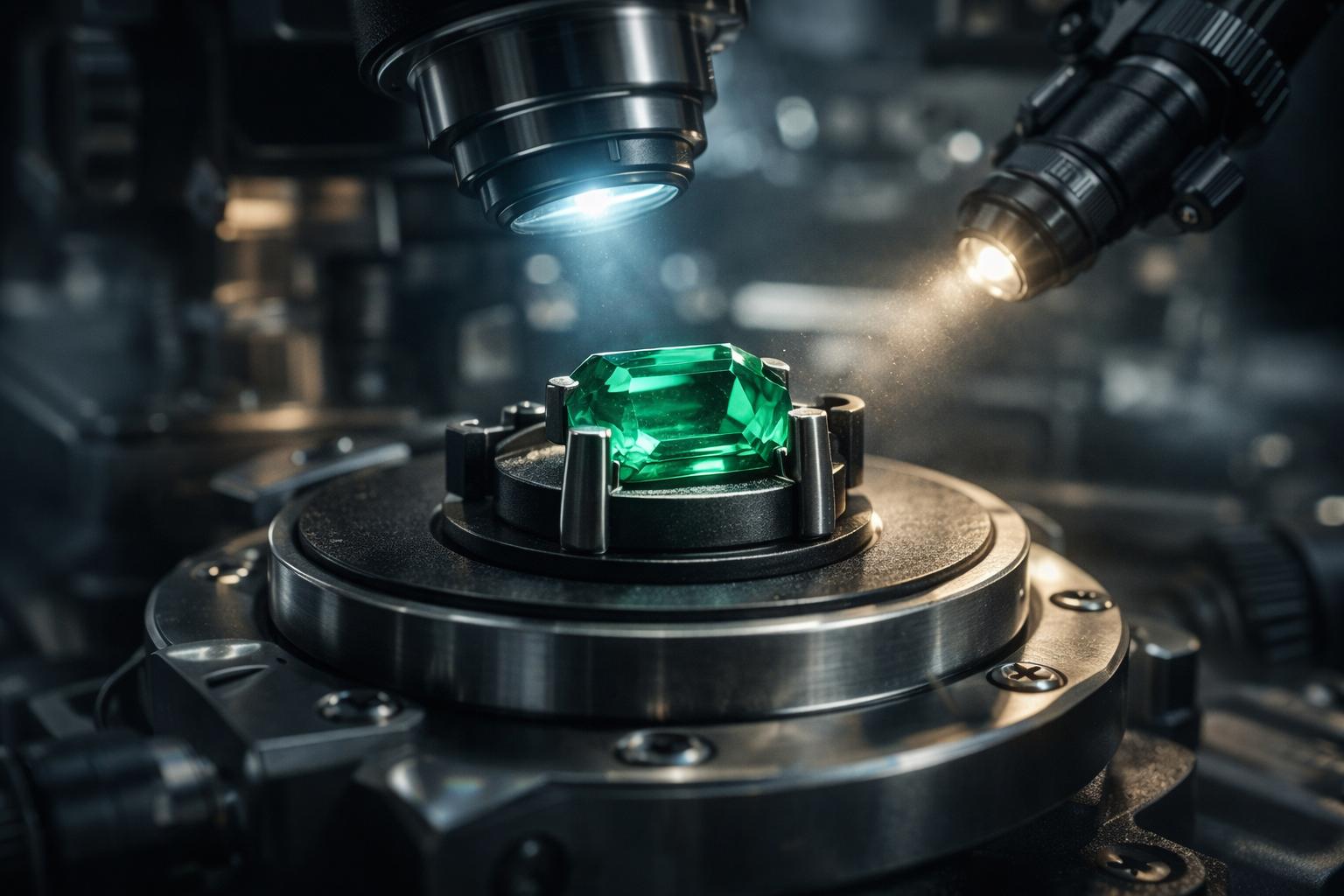
Request a certification from a reputable gemmological laboratory to confirm the authenticity and treatment status of the gemstone.
You may also like
More reading from our journal.