Gemstone Investment Basics for the Discerning Collector
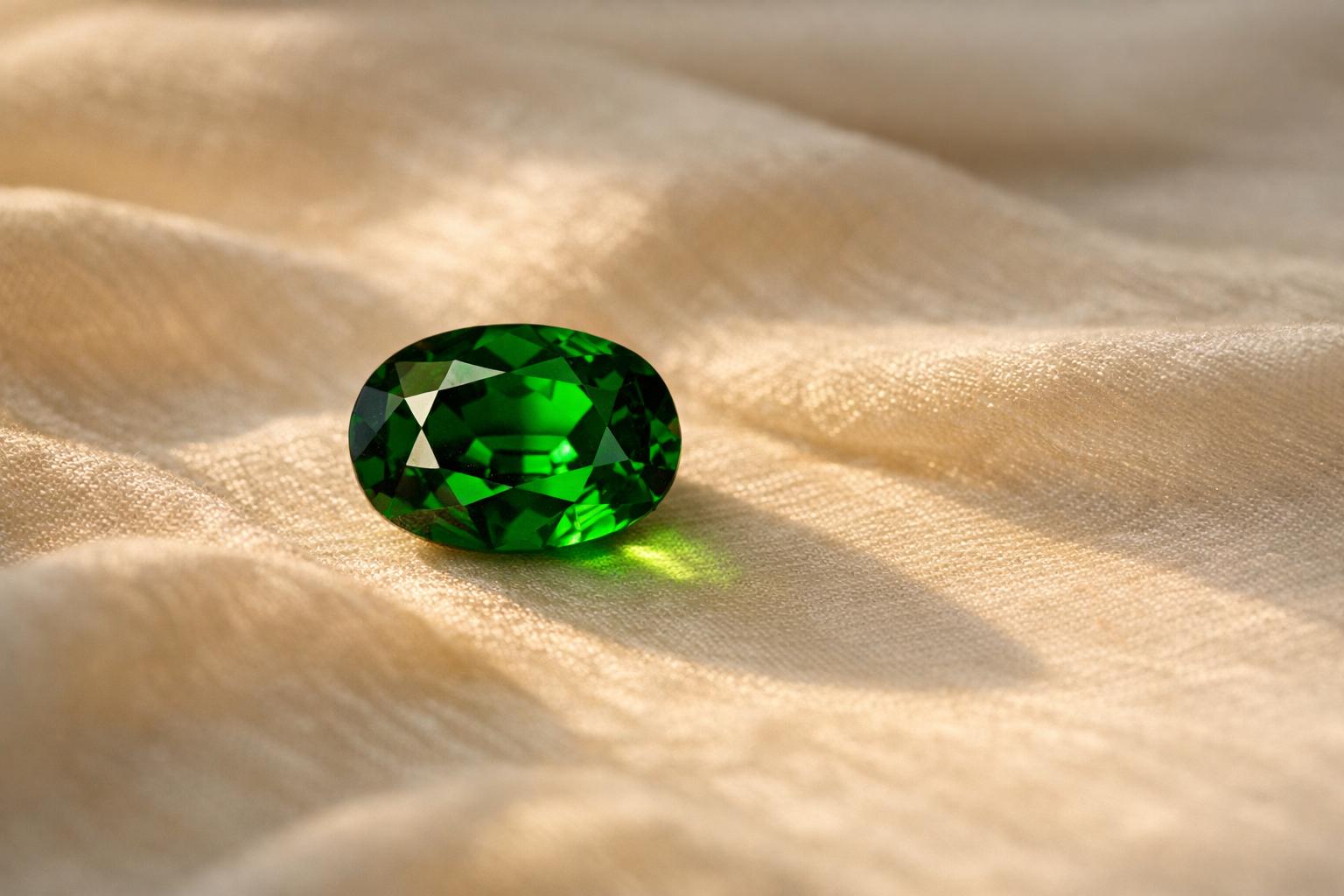
Gemstone investment basics require a refined understanding of both the aesthetic and market value of these exquisite natural treasures. As the allure of gemstones continues to captivate collectors and investors alike, it is essential to comprehend the fundamental principles that govern their value and desirability.
Understanding Gemstone Value
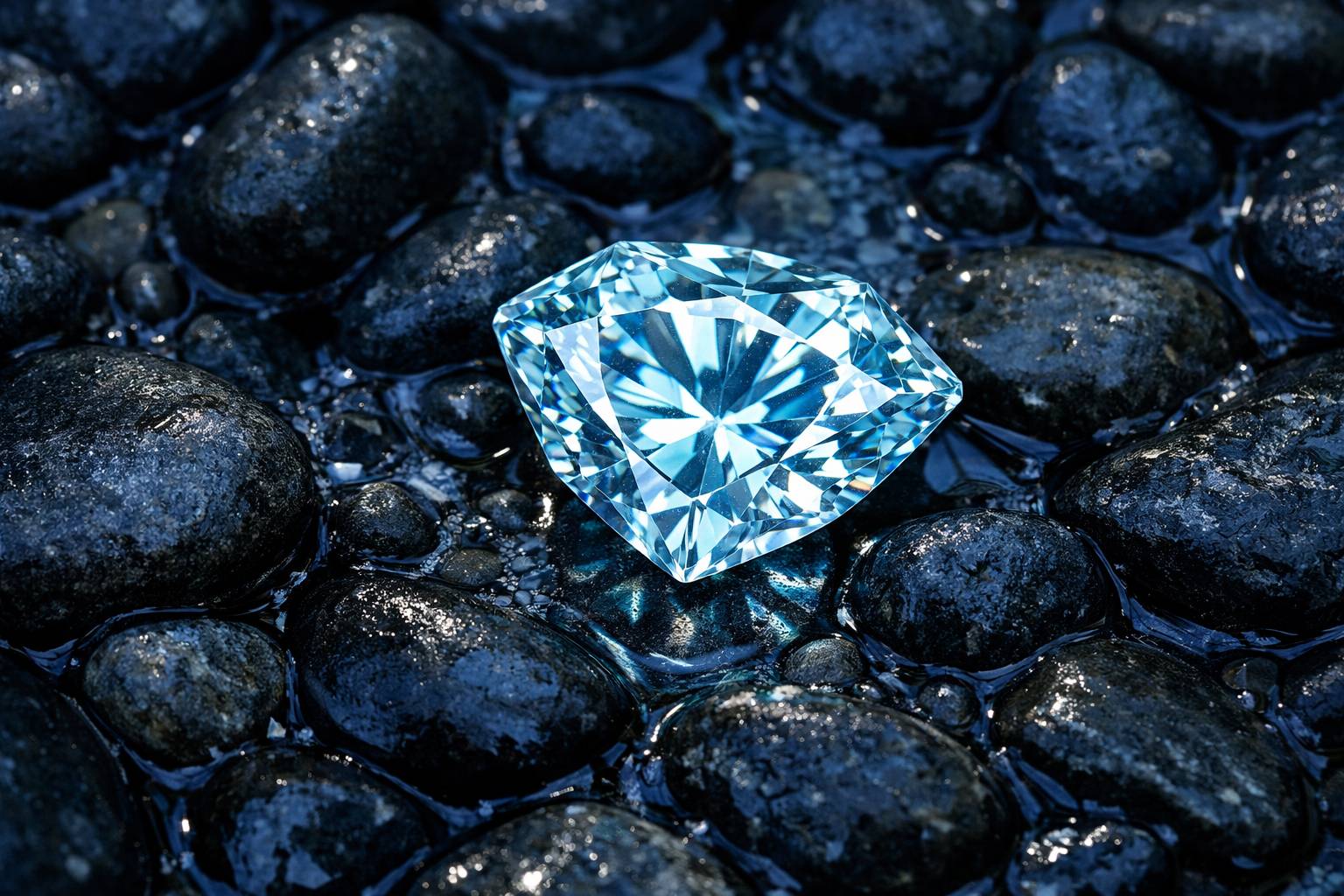
The value of a gemstone is influenced by several factors, commonly referred to as the "Four Cs": Carat, Cut, Clarity, and Color. Each of these attributes plays a significant role in determining a gemstone's worth.
- Carat: This refers to the weight of the gemstone. Larger stones often command higher prices due to their rarity.
- Cut: A well-executed cut enhances the stone's brilliance and overall appearance, increasing its desirability.
- Clarity: This measures the presence of inclusions or blemishes. Fewer imperfections generally lead to a higher value.
- Color: The hue, tone, and saturation of a gemstone significantly impact its market appeal. For instance, a vivid blue sapphire is often more valuable than a pale one.
Market Trends in Gemstone Investment
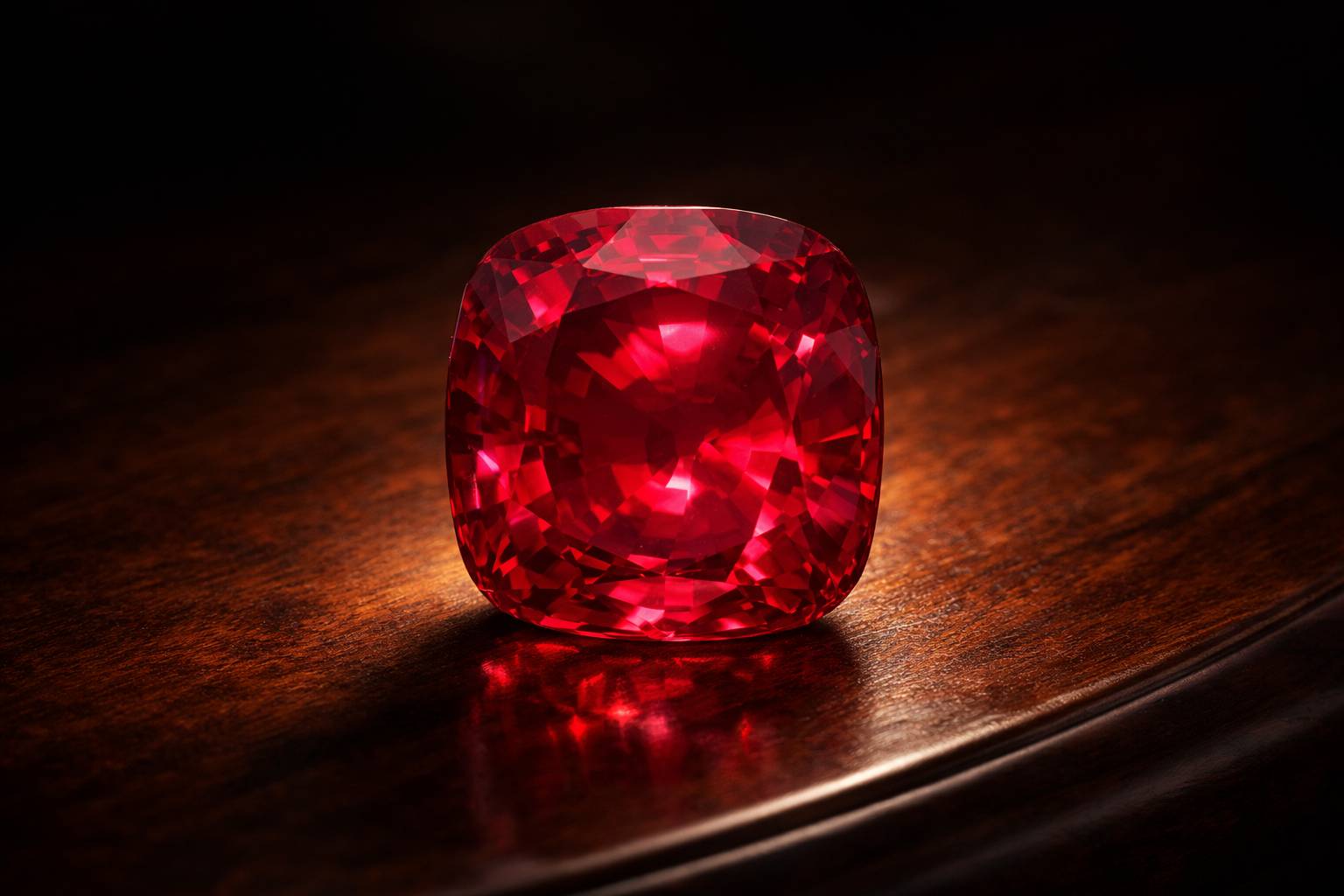
The gemstone market is dynamic, with trends influenced by various factors including fashion, celebrity endorsements, and economic conditions. For instance, natural gemstones like emeralds, rubies, and sapphires have consistently shown resilience in their investment value, while synthetic alternatives may not hold long-term worth. To stay updated on the latest trends, consider reading about synthetic gemstone trends.
Additionally, certain trade names, such as Burmese rubies or Kashmir sapphires, carry significant weight in the market, often leading to higher prices due to their esteemed origins.
Understanding Treatments and Enhancements
Many gemstones undergo treatments to enhance their appearance. While some treatments are widely accepted and can increase the stone's value, others may lead to a decrease in worth if not disclosed properly. It is crucial to understand the nature of these treatments and their impact on investment value.
- Heat Treatment: Commonly used for sapphires and rubies to improve color.
- Oil Treatment: Often applied to emeralds to enhance clarity.
- Dyed Stones: Used to enhance color but may significantly affect value.
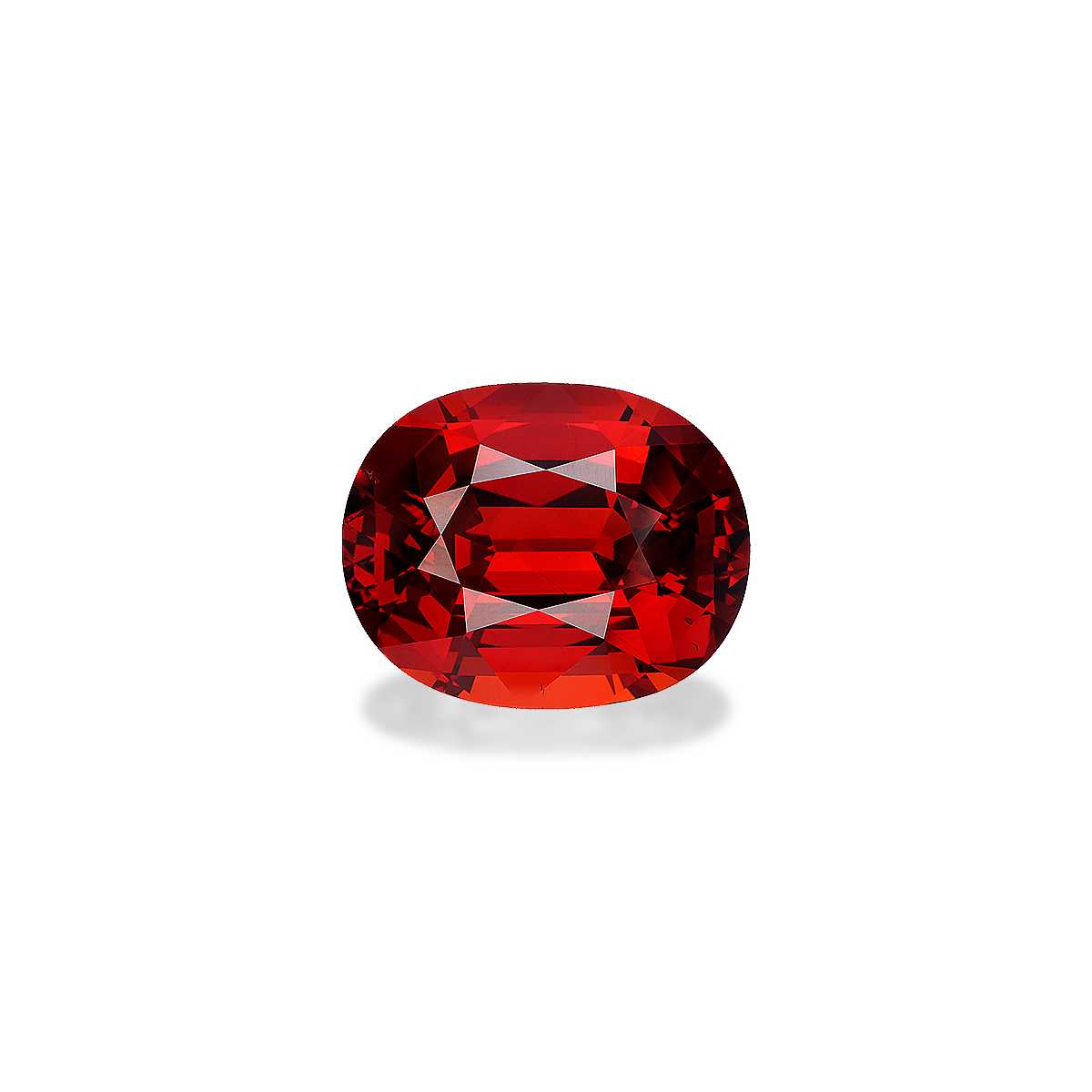
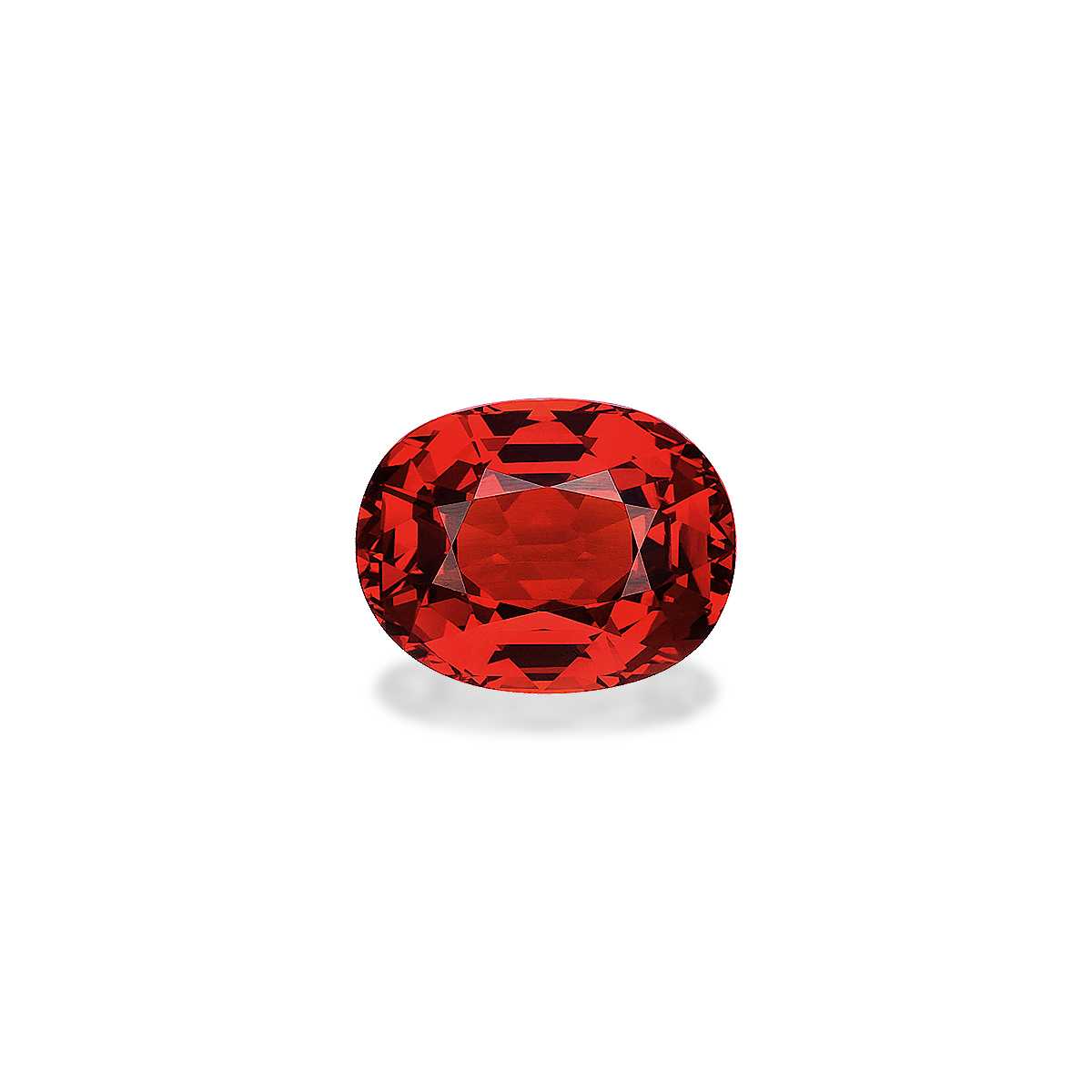
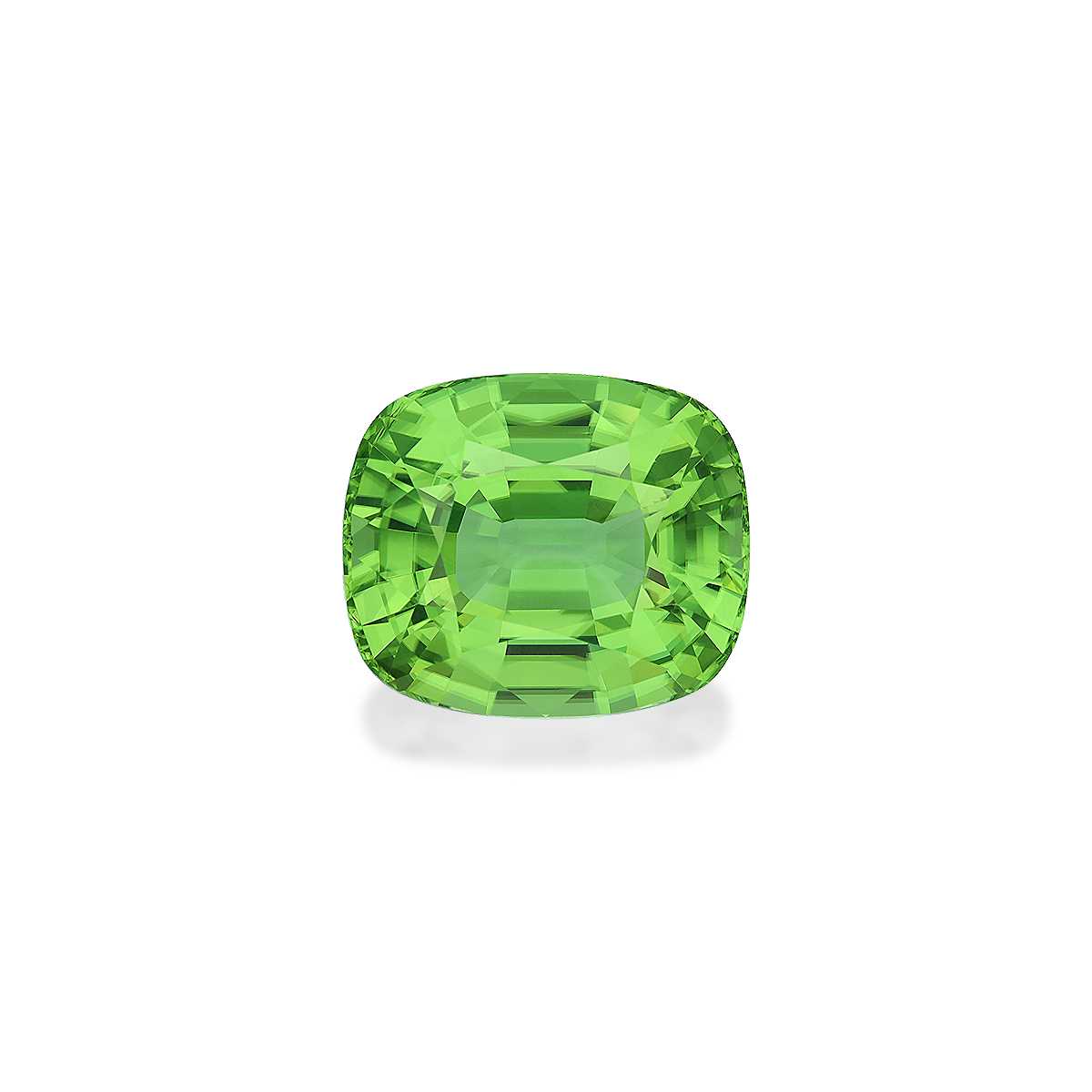
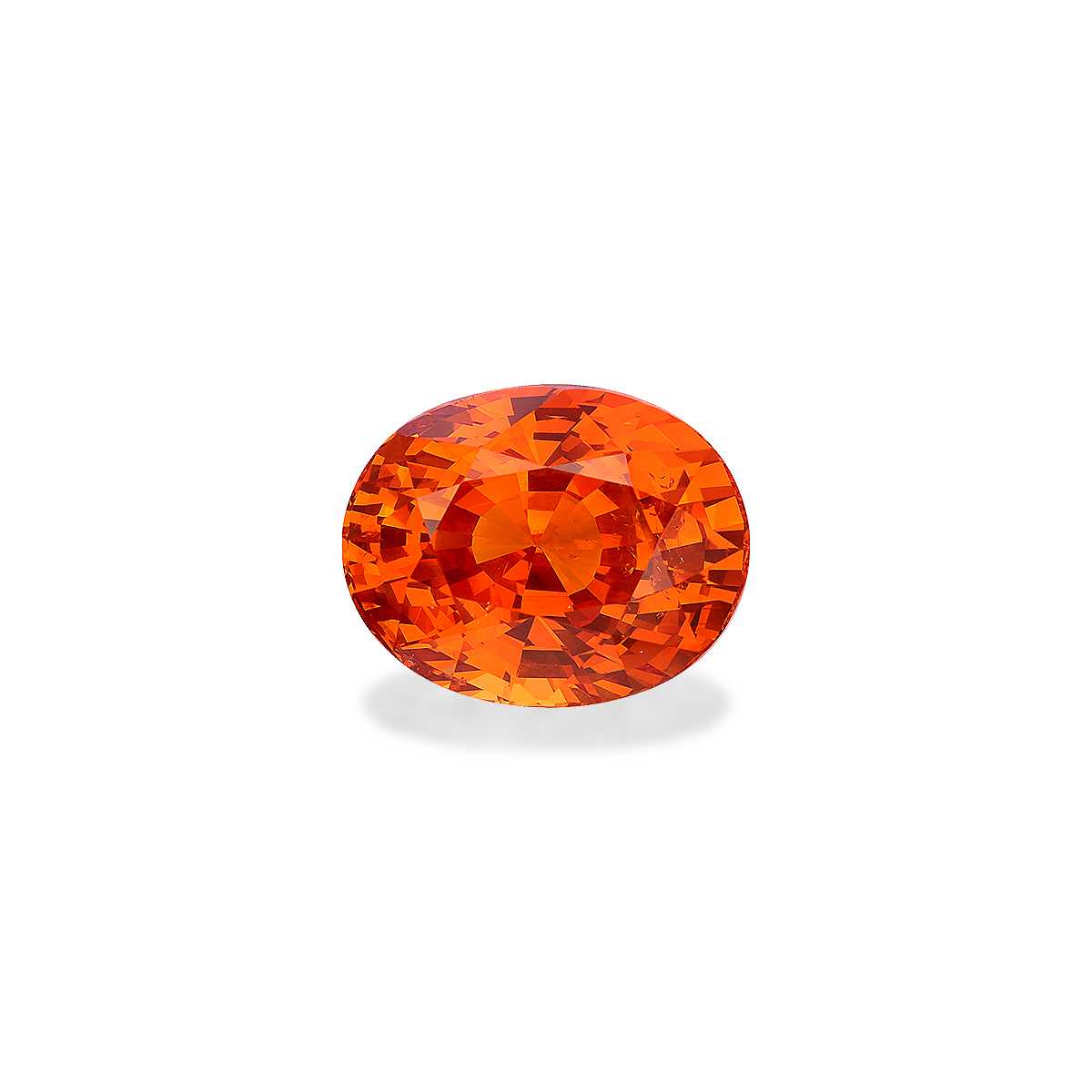
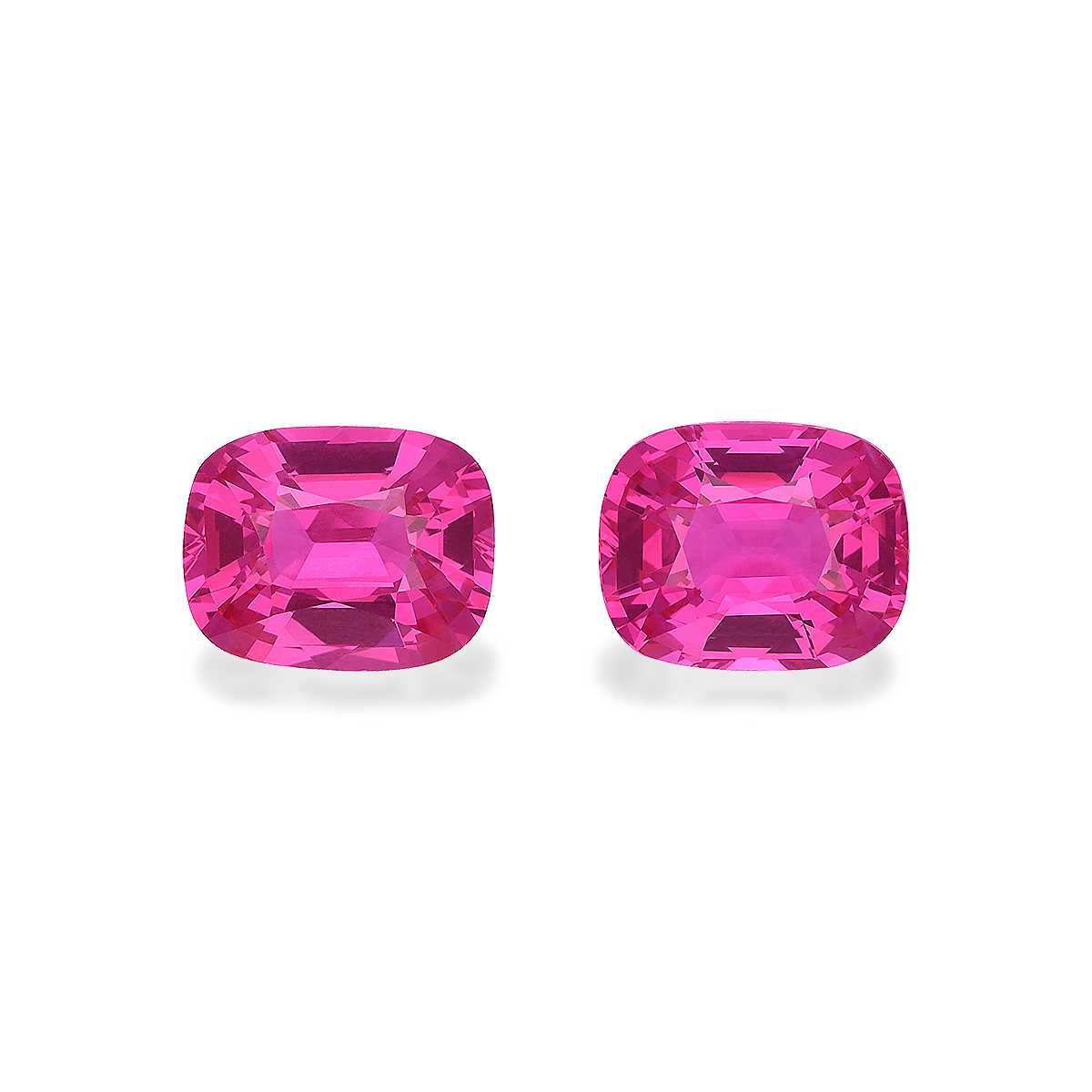
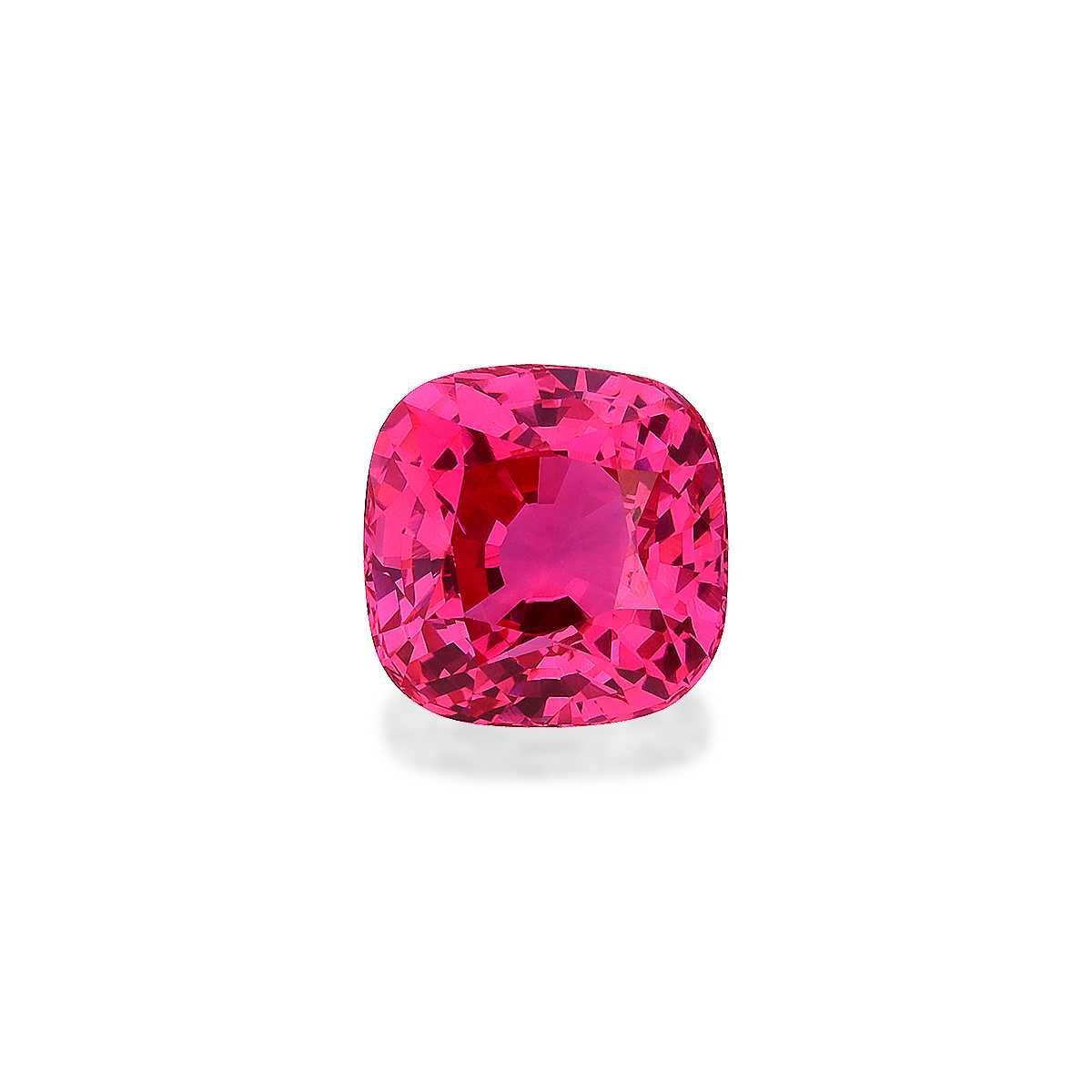
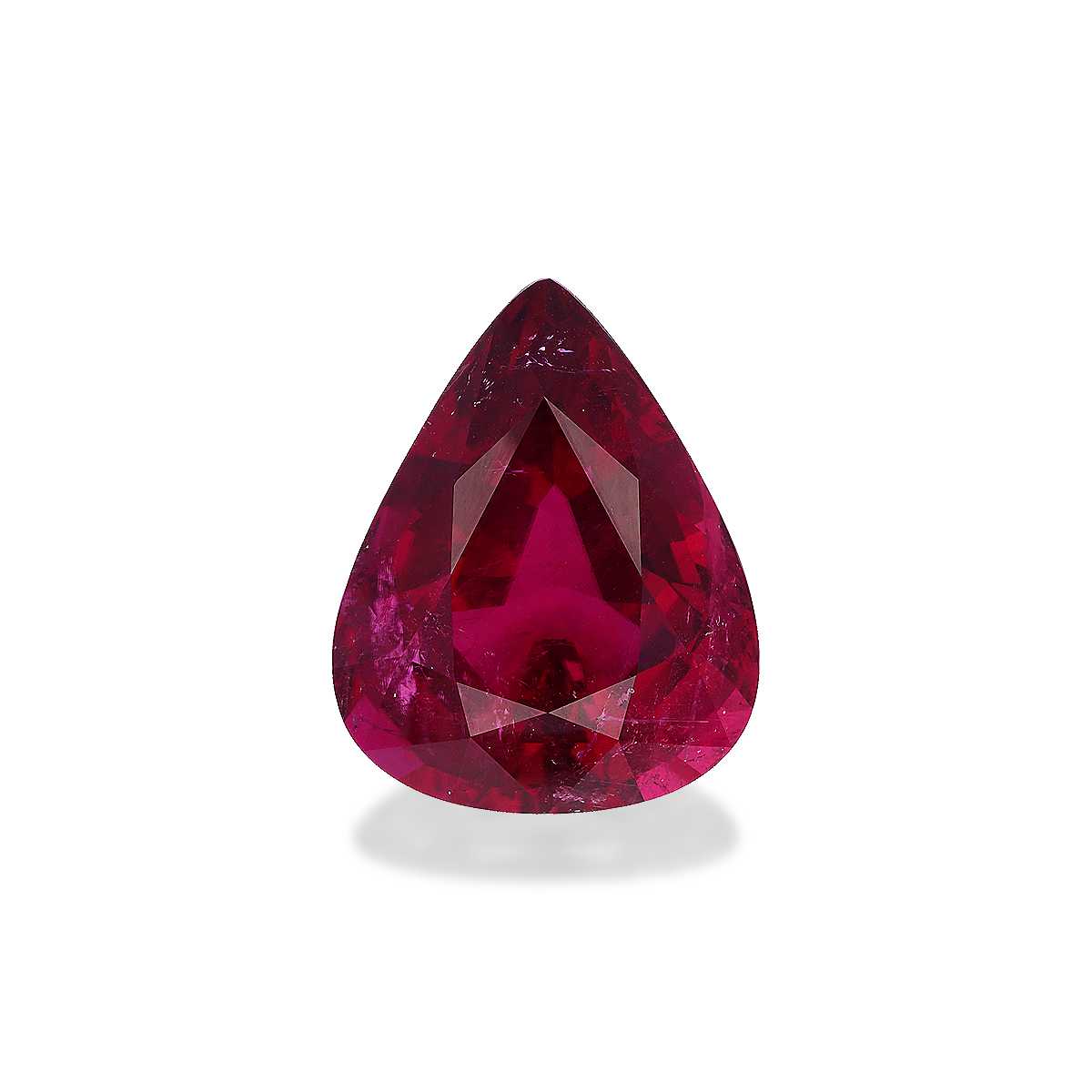
Explore our gemstones
Choosing the Right Gemstones for Investment
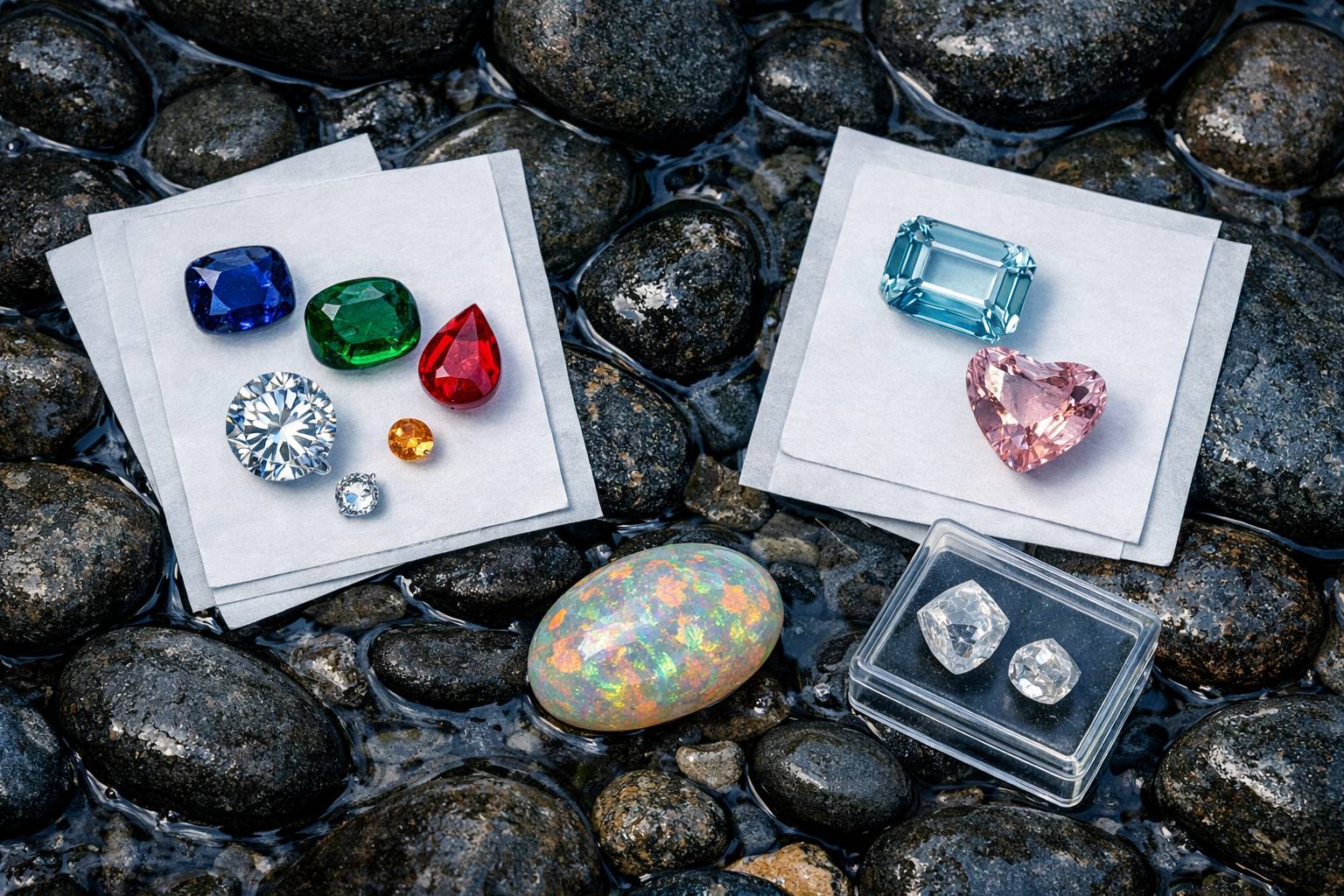
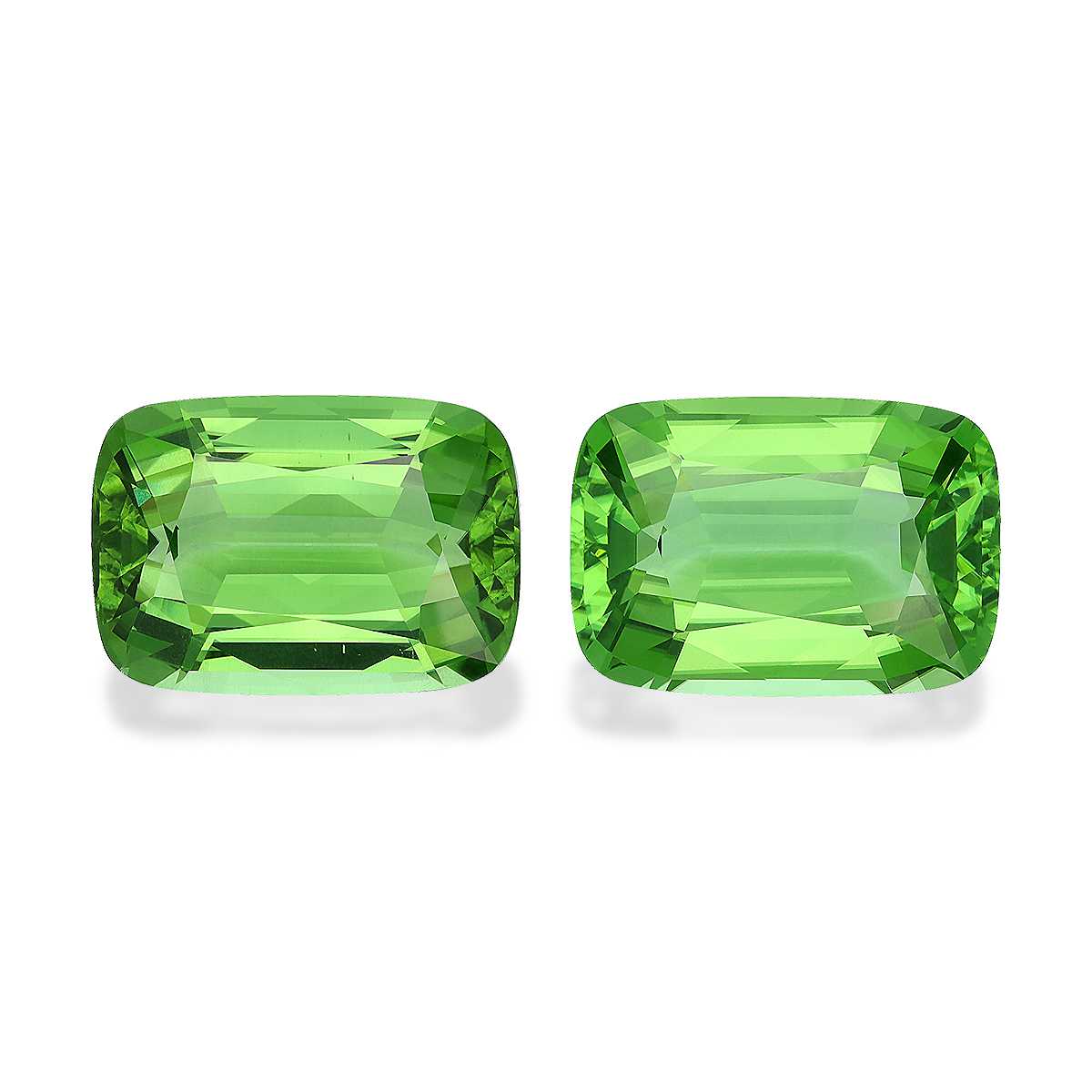
When considering gemstone investment basics, one must approach the selection process with diligence. It is advisable to focus on gemstones that have a proven track record of appreciating in value.
Consider the following when selecting gemstones:
- Research the gemstone's historical performance in the market.
- Seek certifications from reputable gemological laboratories to ensure authenticity.
- Choose gemstones with unique characteristics or superior quality, as these tend to hold value better over time.
- Be mindful of the gemstone's origin and any associated trade names that may enhance its appeal.
Building a Diverse Portfolio
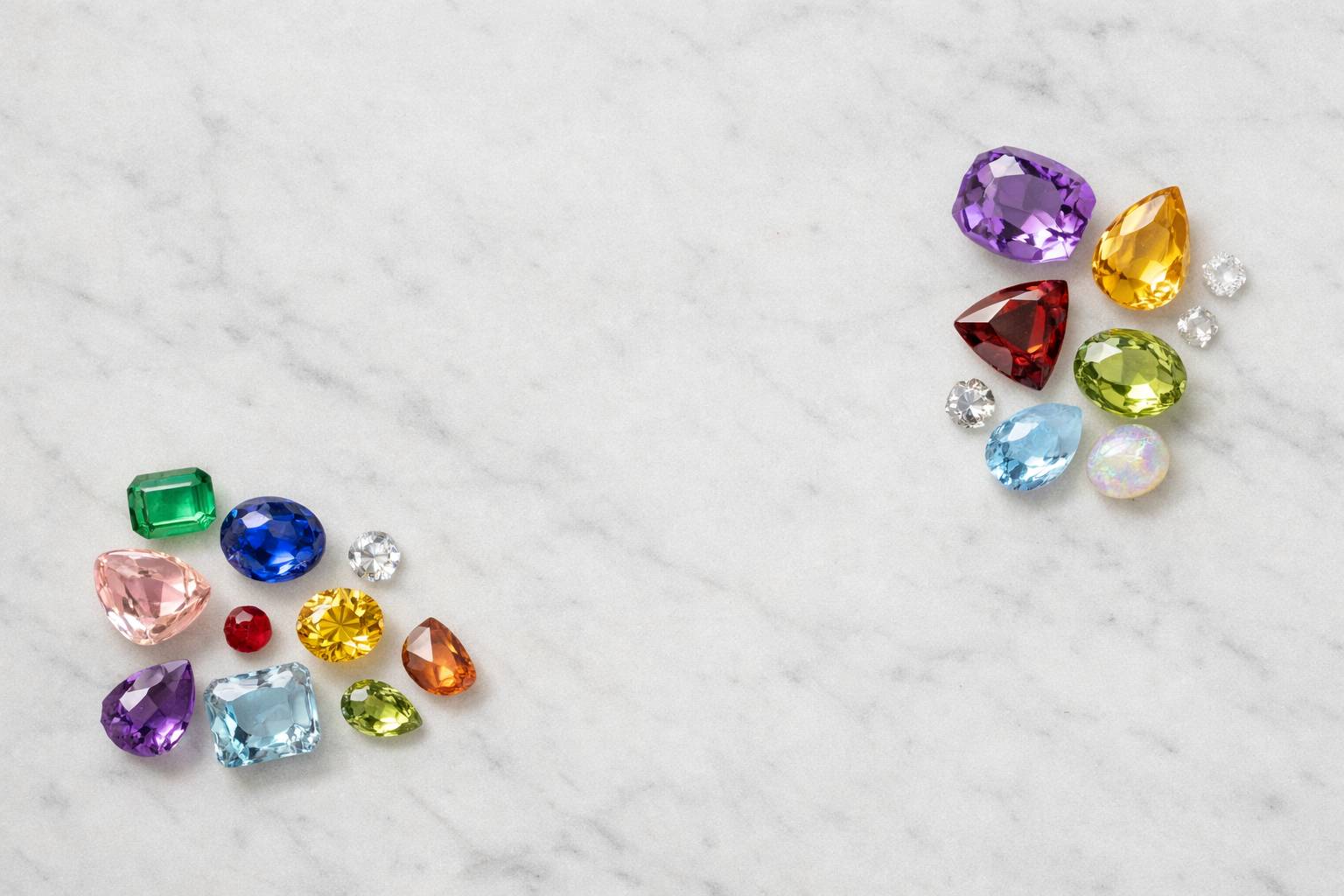
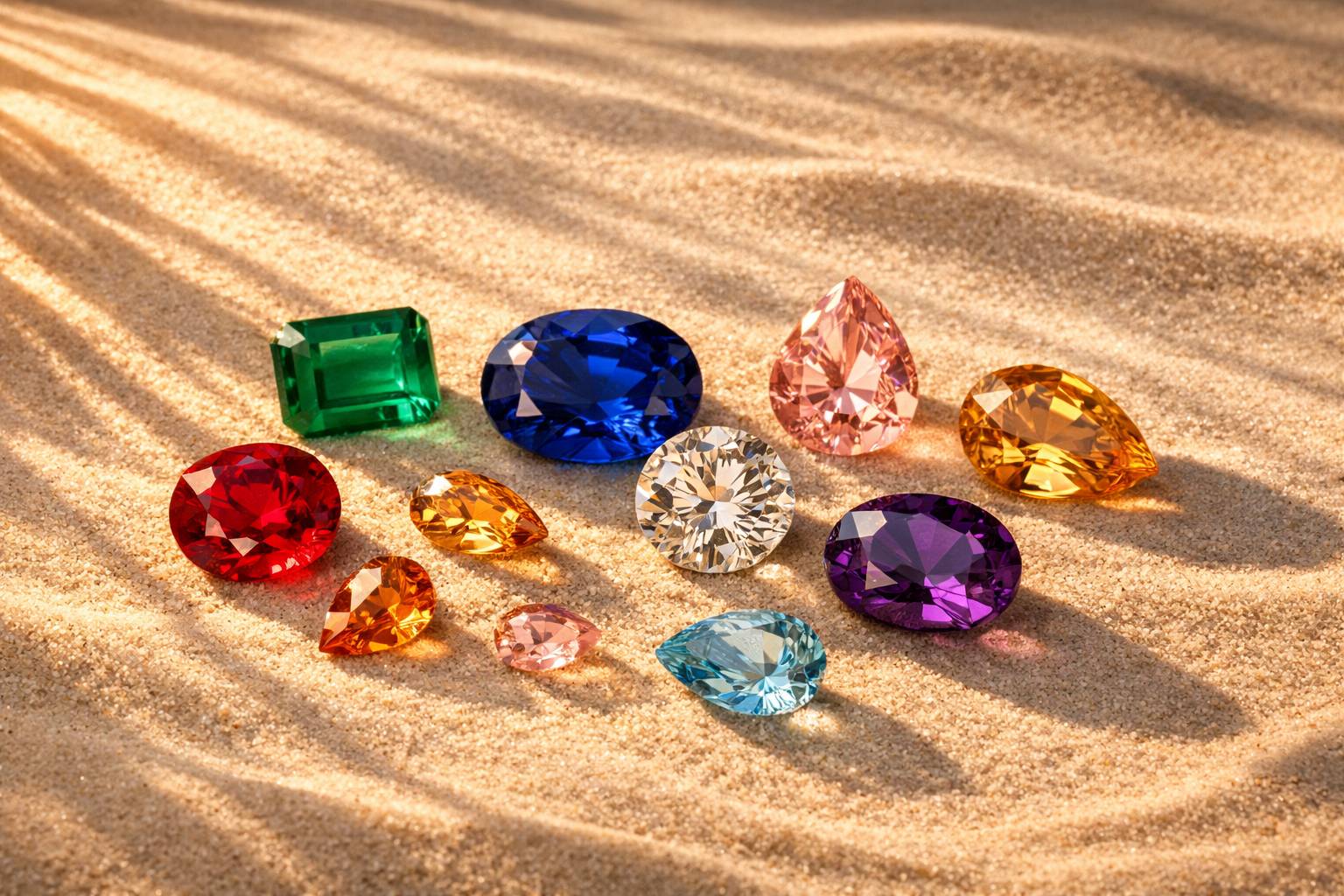
A resilient gemstone investment portfolio often includes a variety of stones across different categories. This diversification can help mitigate risk and enhance potential returns. Consider including a mix of colored gemstones, diamonds, and rare finds.
Additionally, emerging markets for gemstones, such as fancy colored diamonds or lesser-known gems like alexandrite, may offer exciting opportunities for discerning investors. For more insights on how to collect gemstones, check out our guide.
Conclusion: The Value of Knowledge in Gemstone Investment
Understanding gemstone investment basics is a critical step for any serious collector or investor in this captivating field. With a well-informed approach, one can navigate the complexities of the gemstone market and make sound investment decisions that reflect both personal taste and financial acumen. For more insights, you can choose the right gemstone for your collection. Additionally, you can explore GIA's Gem Encyclopedia for authoritative information on gemstones.
You may also like
More reading from our journal.