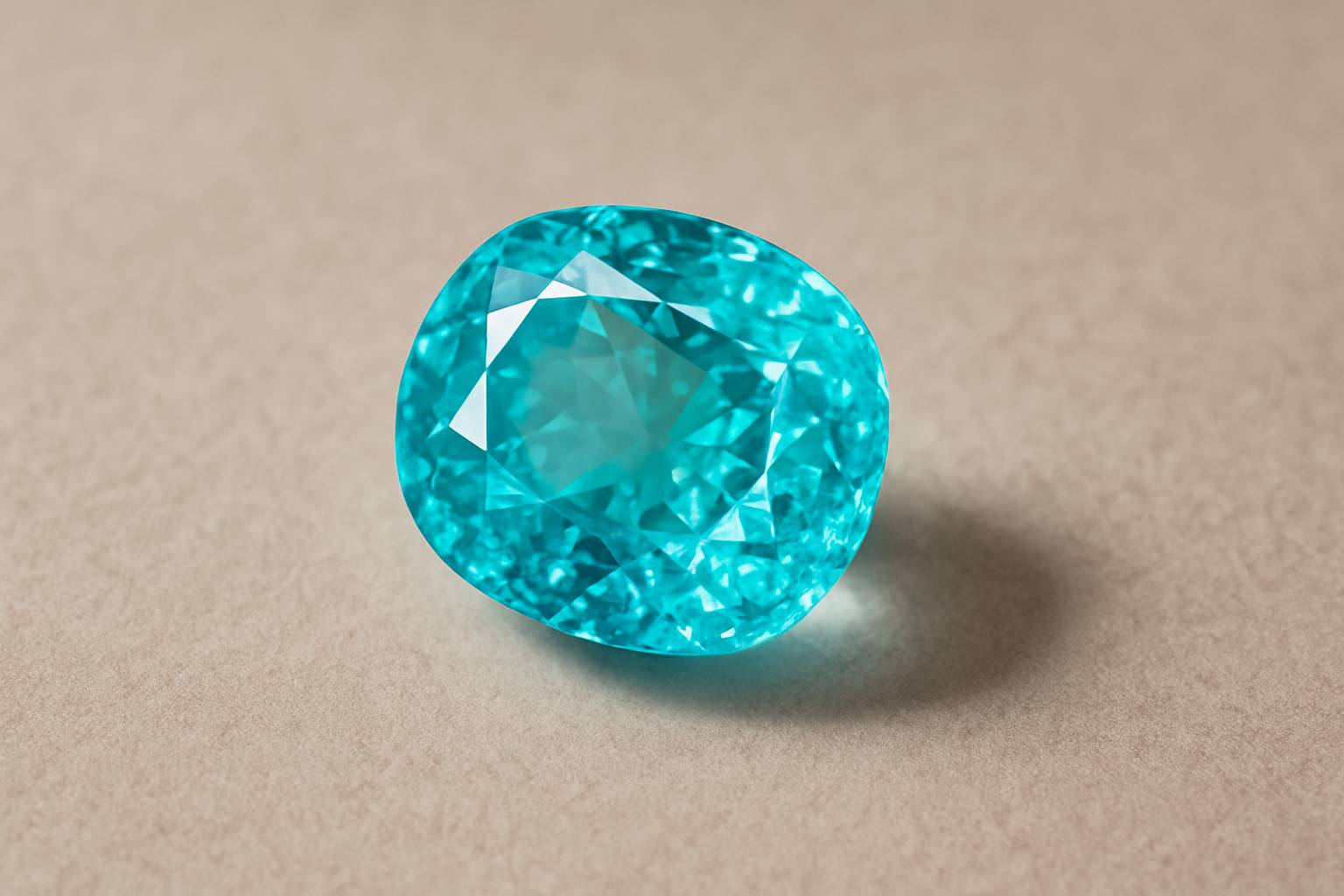
What is Paraiba Tourmaline – A Jewel of Distinction
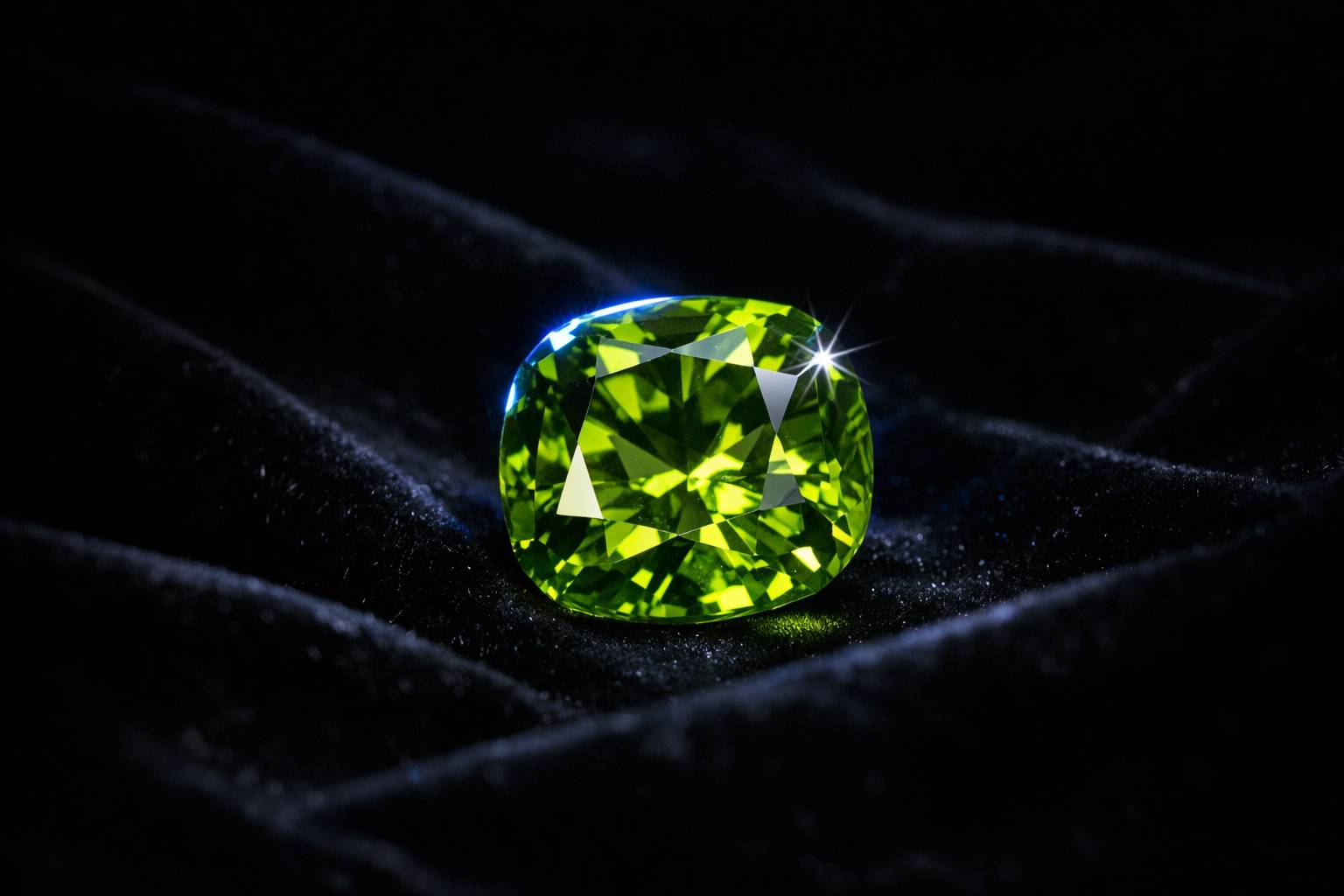
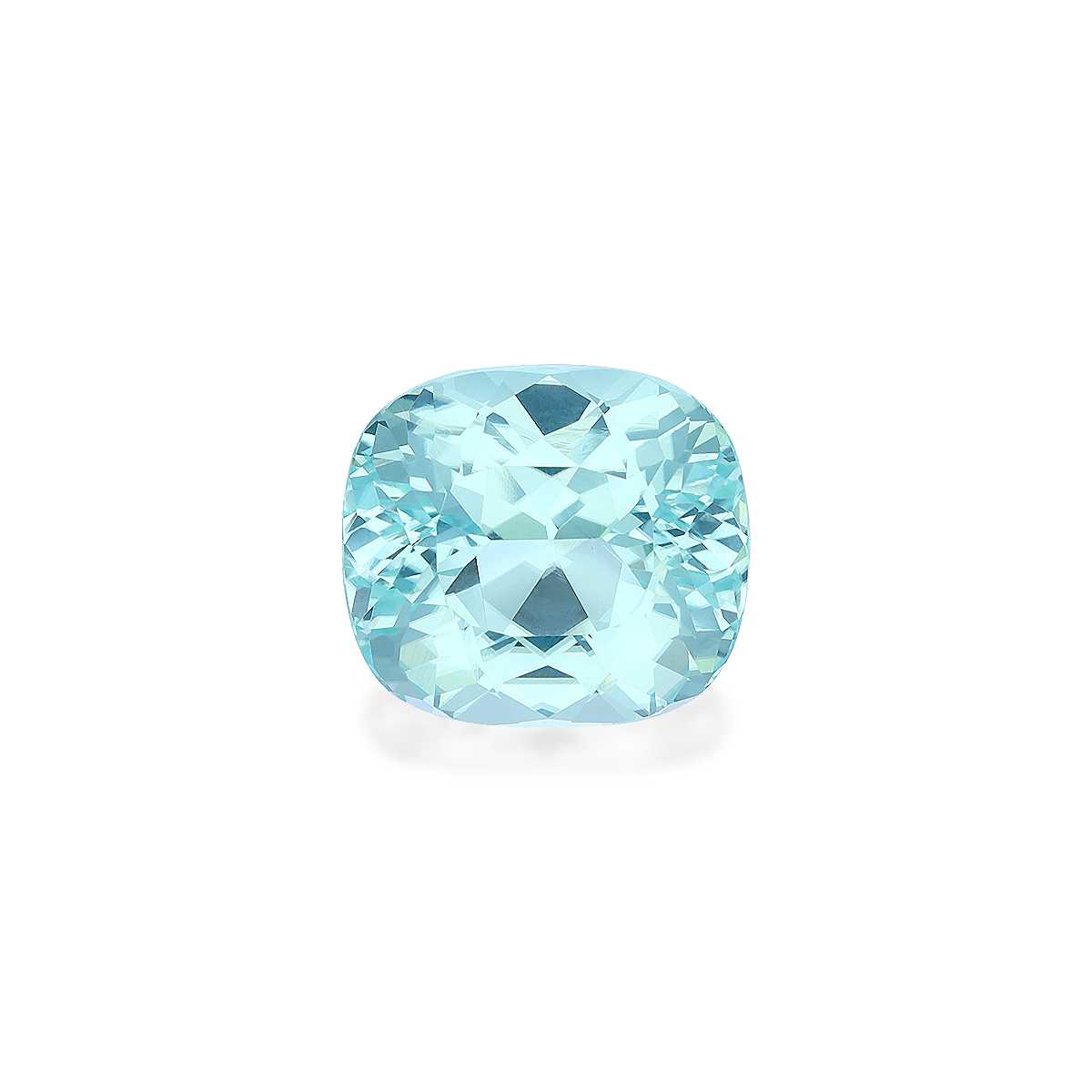
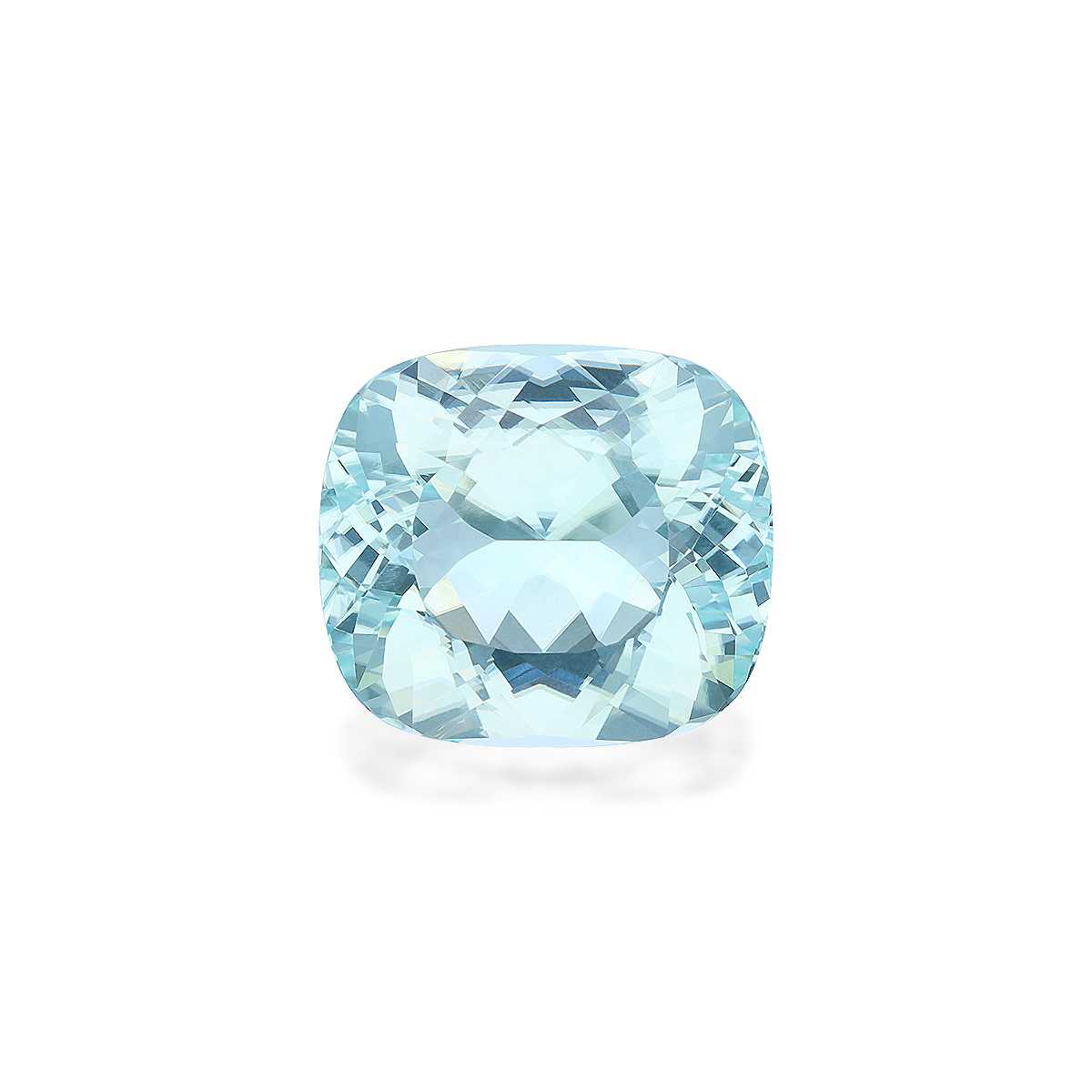
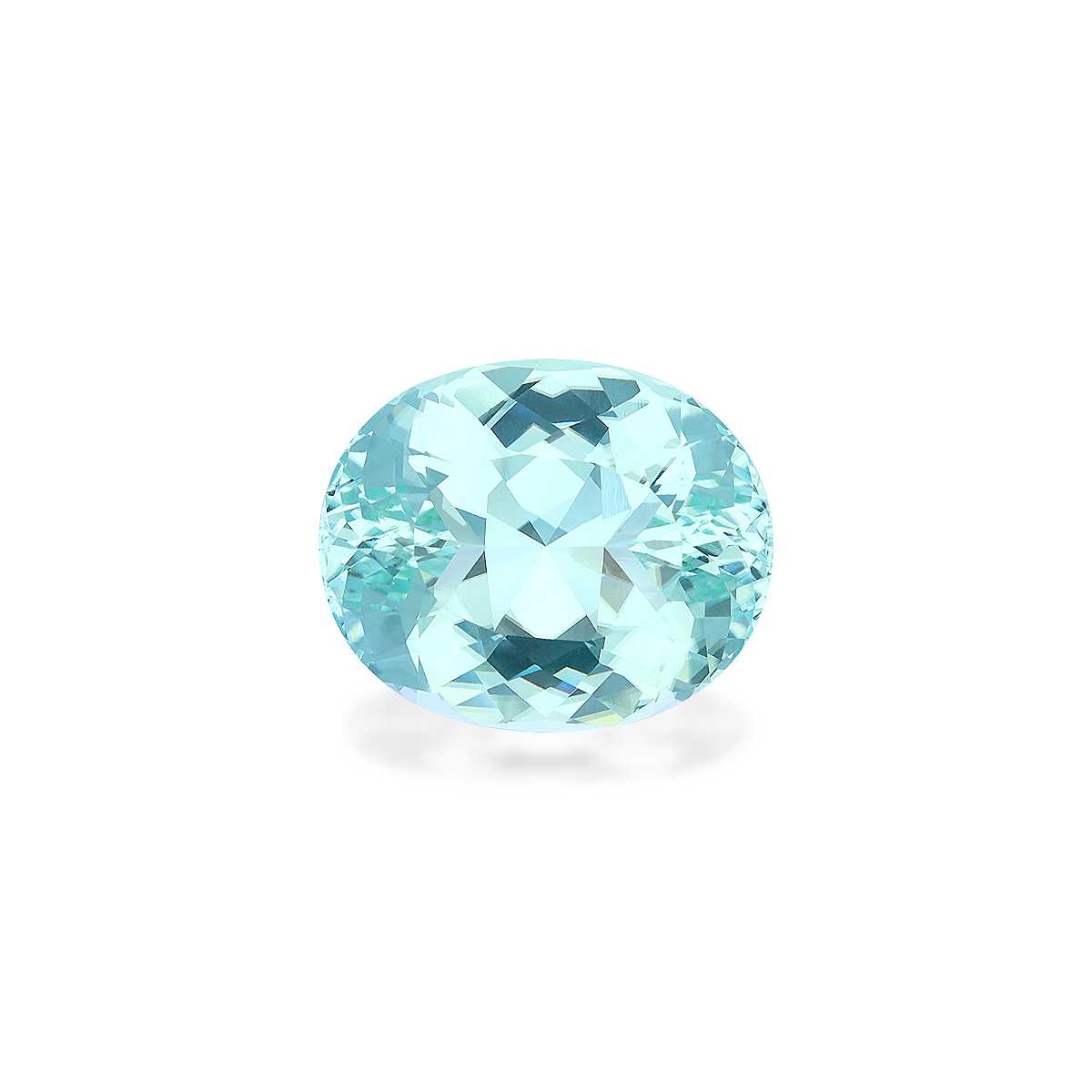
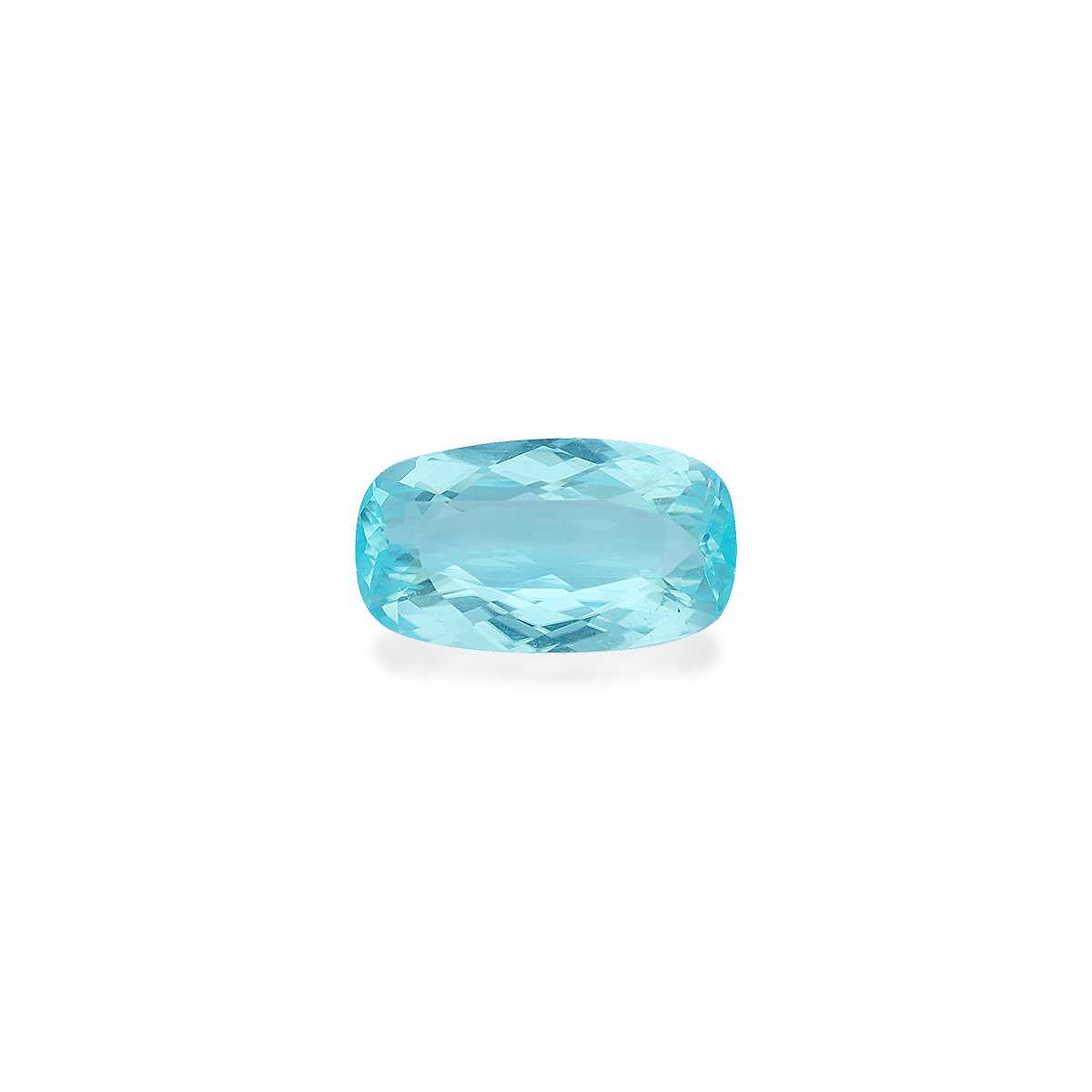
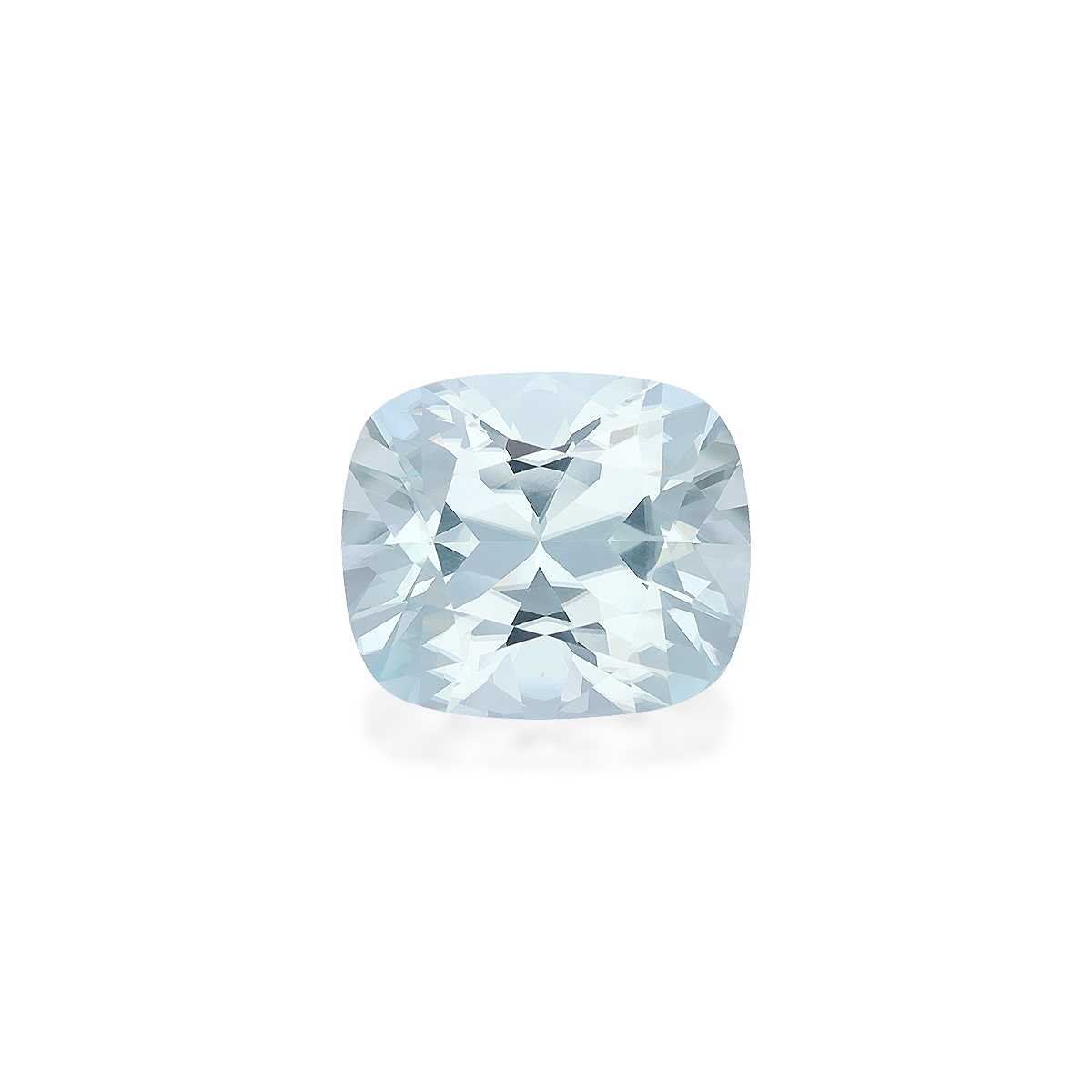
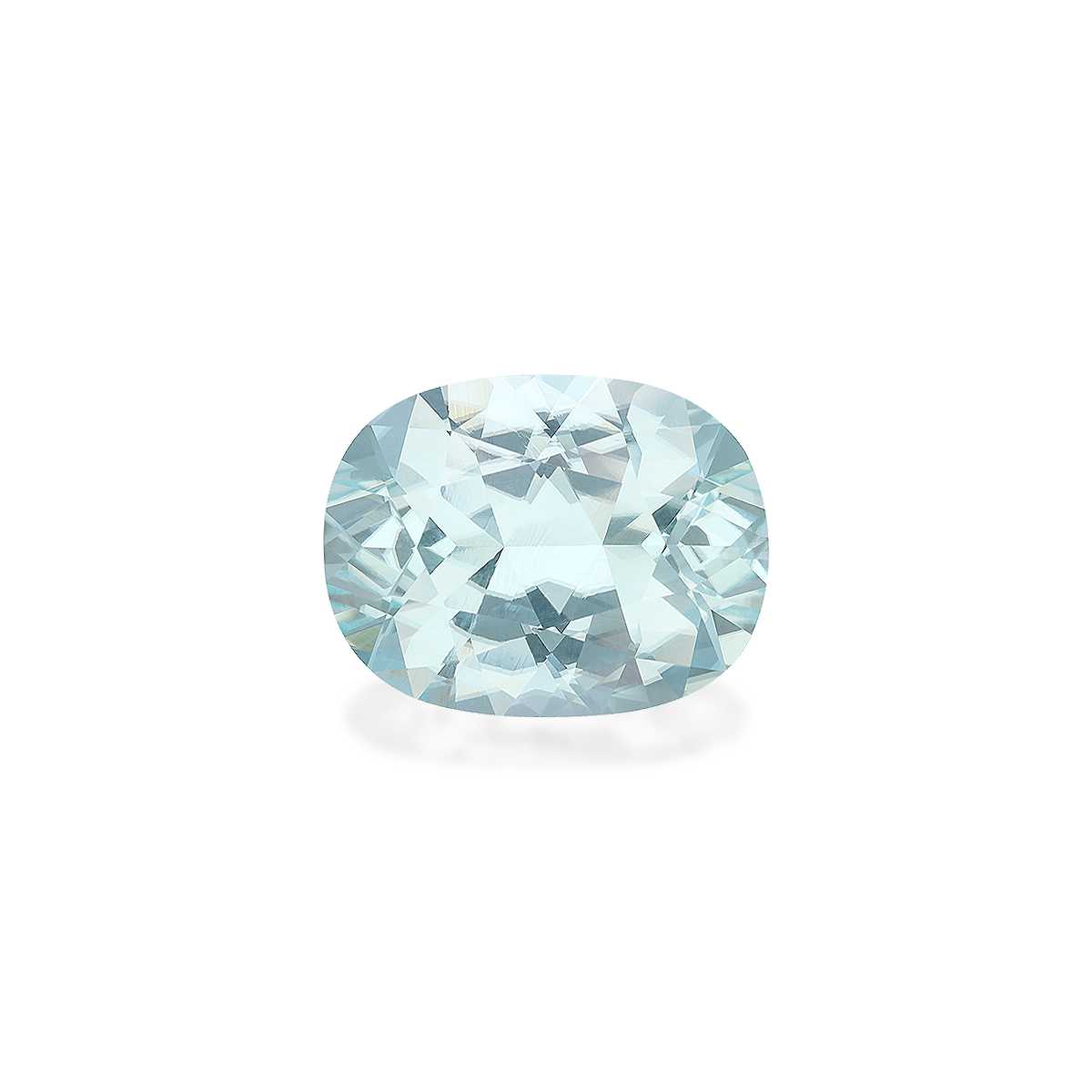
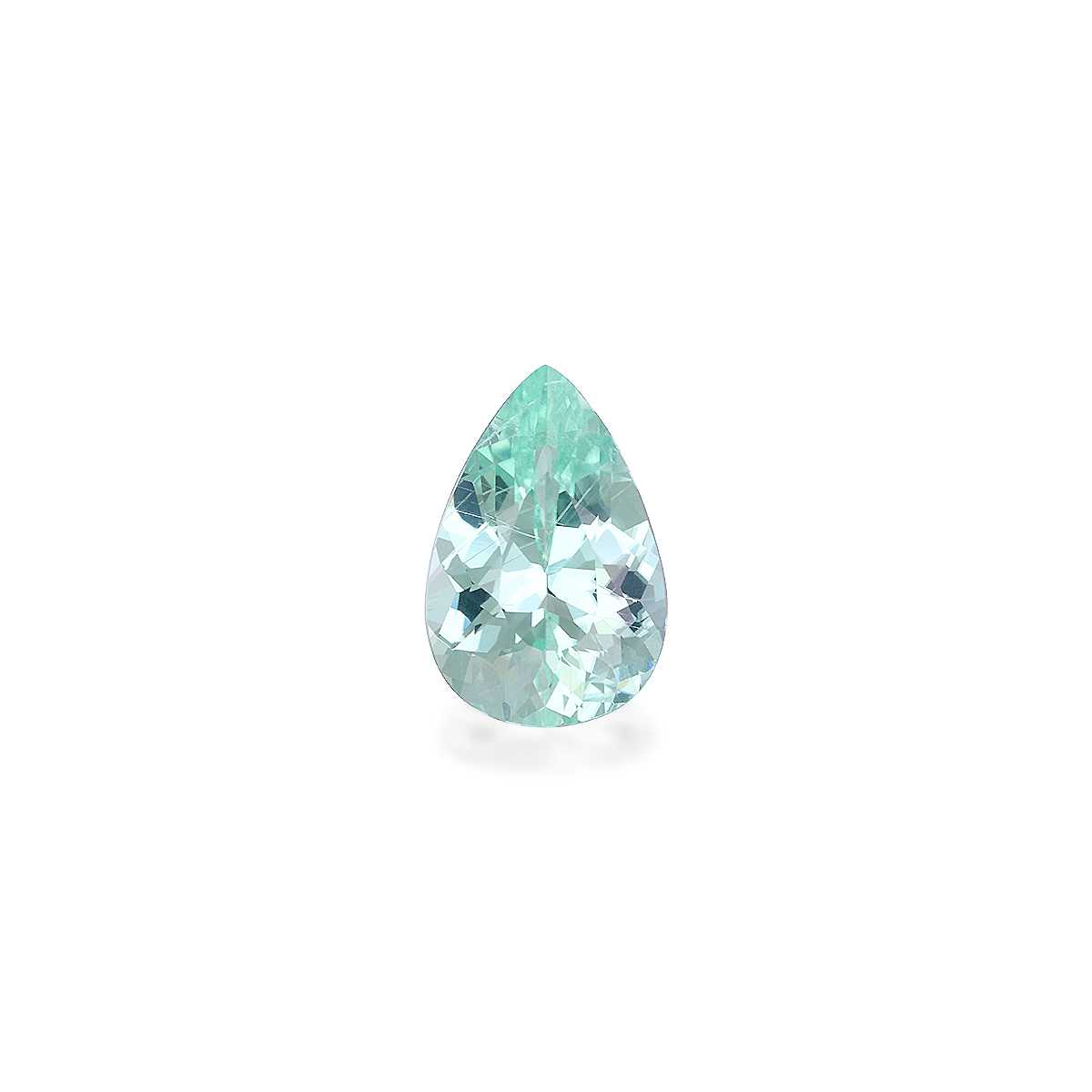
Paraiba tourmaline is a gemstone renowned for its vibrant colors and unique properties. Discovered in the late 1980s in Brazil, this rare variety of tourmaline has captured the attention of gem enthusiasts and collectors worldwide. Its striking hues, ranging from electric blue to vivid green, stem from the presence of copper, setting it apart from other gemstones.
Origin and Discovery of Paraiba Tourmaline
The journey of Paraiba tourmaline began in the state of Paraiba, Brazil, where it was first discovered by a Brazilian miner named Heitor Dimas Barbosa. The stones unearthed in this region possessed an unusual brightness and luminescence, which was attributed to their unique chemical composition. The discovery of Paraíba tourmaline in Brazil sparked a wave of interest, leading to further explorations in the surrounding areas.
Unique Properties of Paraiba Tourmaline
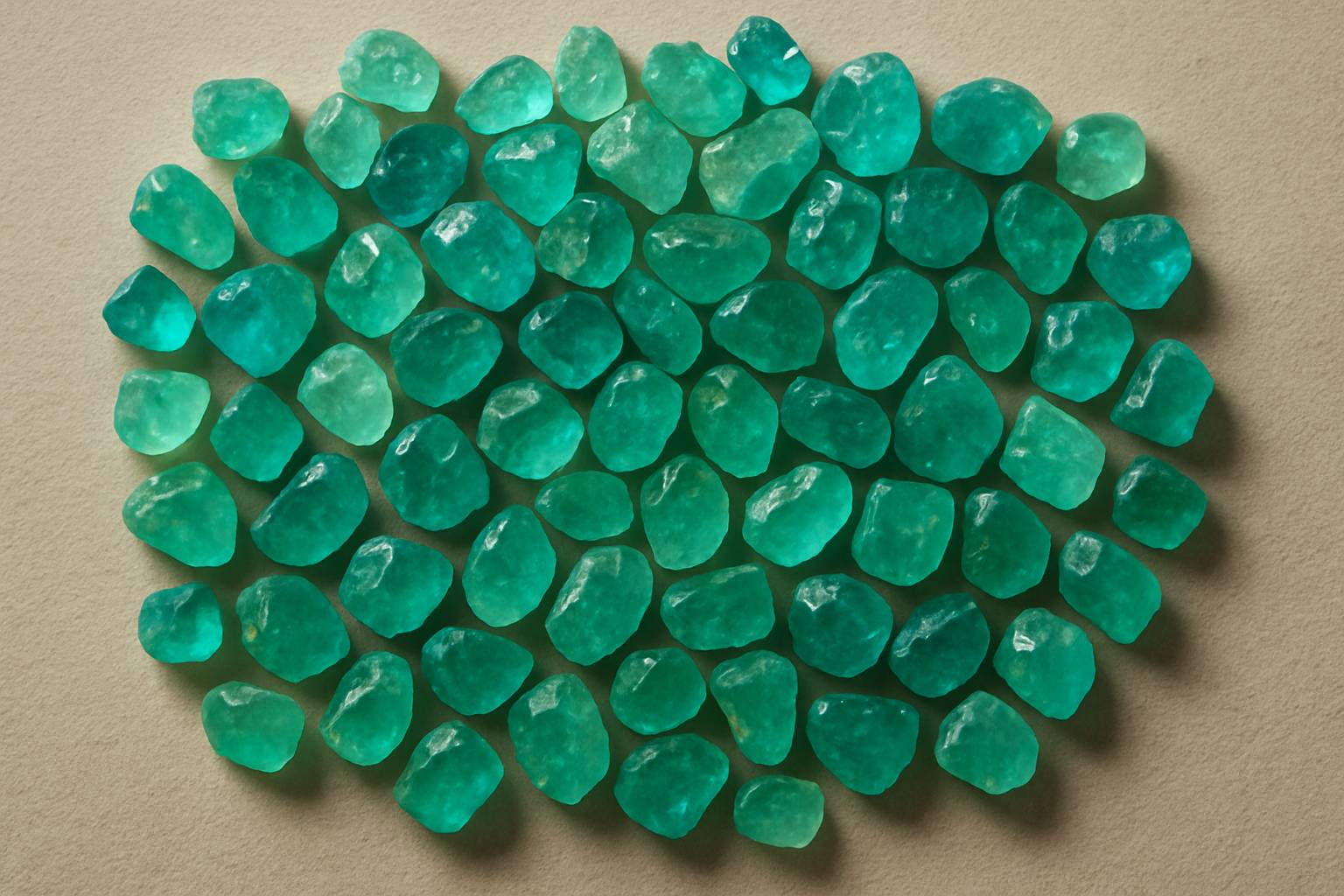
What sets Paraiba tourmaline apart from other gemstones is its remarkable color and exceptional clarity. The vivid hues are a result of the copper content within the stone, a rarity in the mineral world. This gemstone can exhibit a range of colors, including:
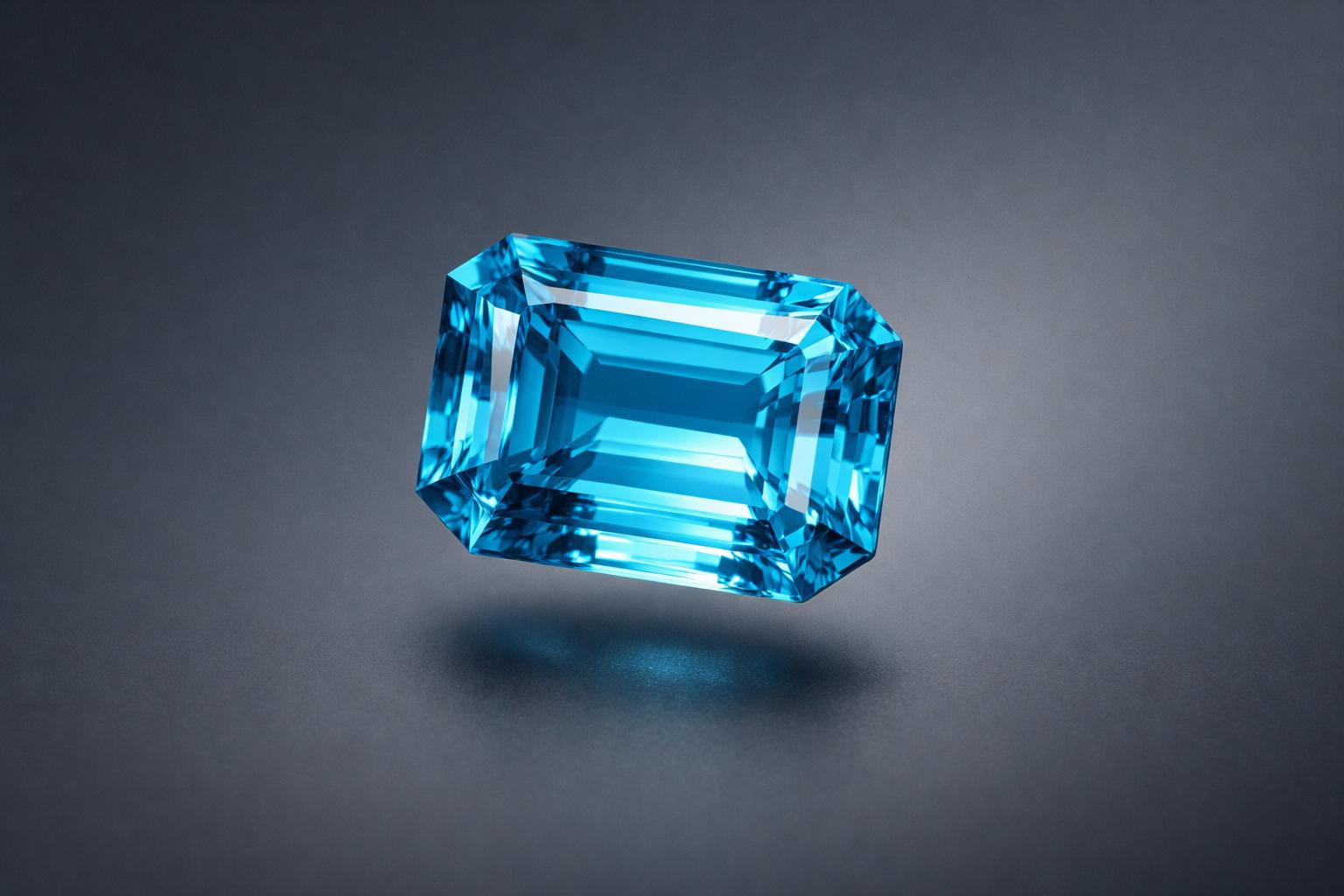
- Electric Blue: The most sought-after shade, reminiscent of the Caribbean Sea.
- Greenish Blue: A blend of blue and green, offering a unique appeal.
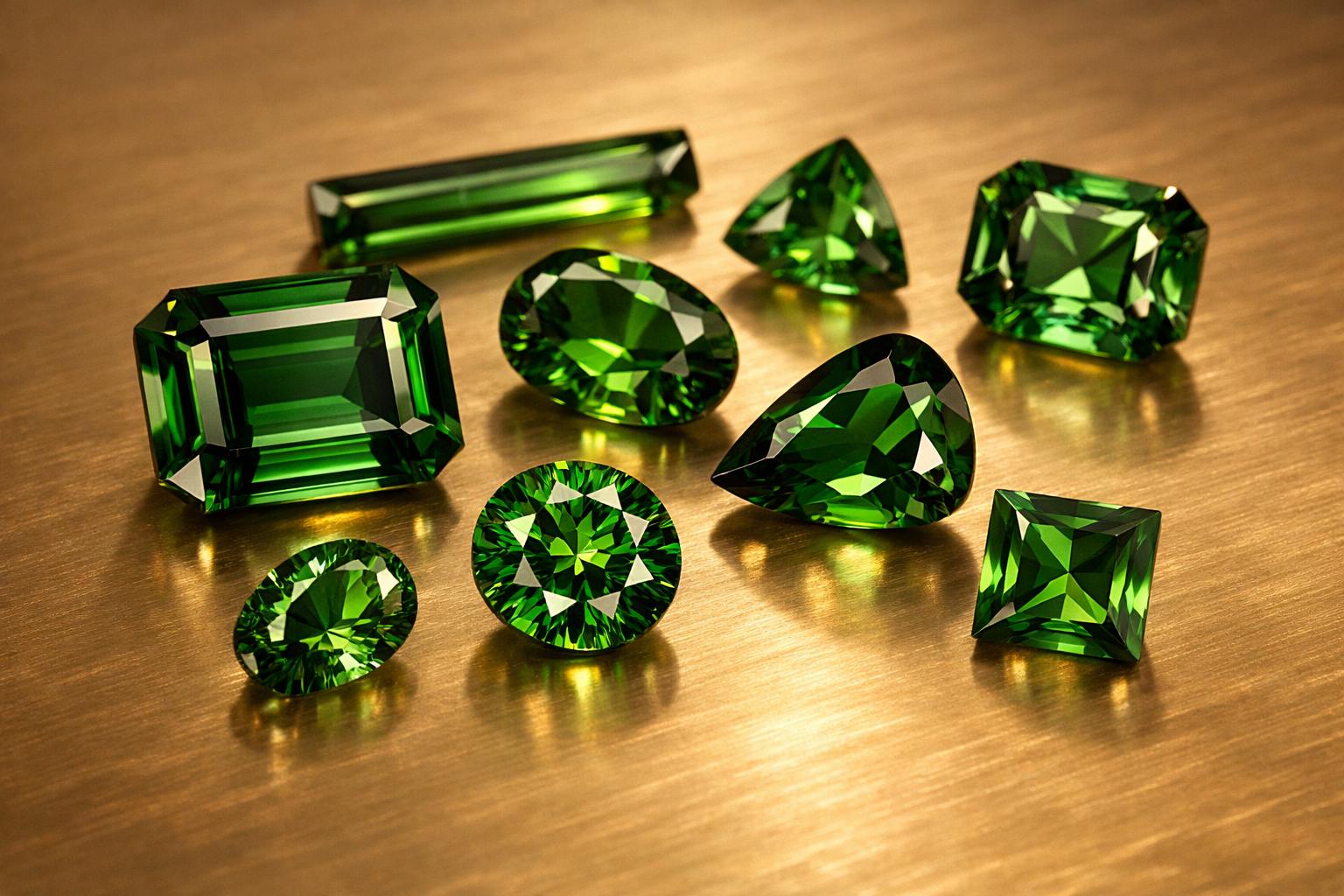
- Vivid Green: Less common but equally captivating.
Value and Rarity
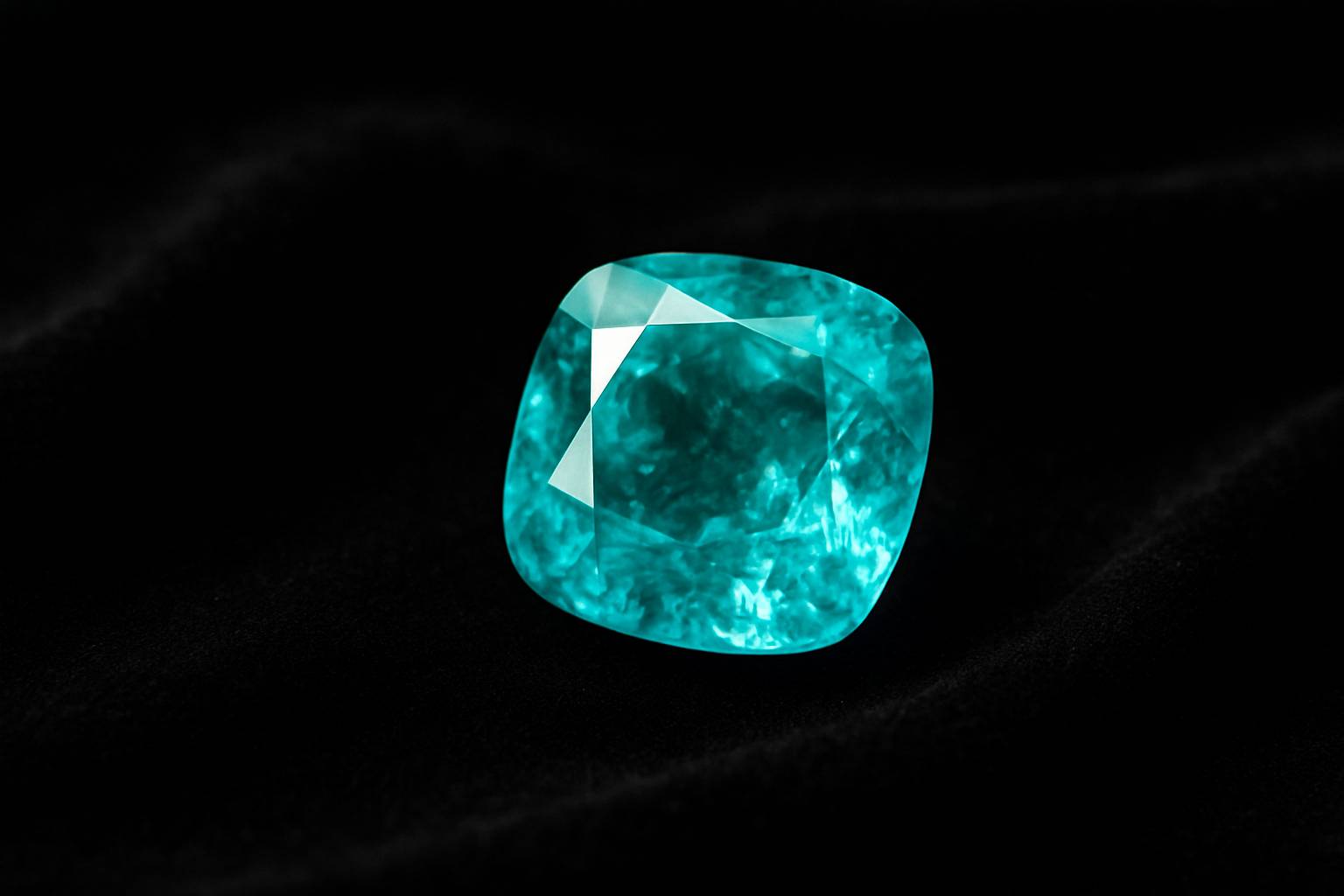
Paraiba tourmaline is considered one of the most valuable gemstones available today. Its rarity is due to the limited geographical locations where it can be found. While the original deposits in Brazil have become increasingly scarce, new discoveries have been made in Nigeria and Mozambique, though the quality and color may vary. The value of Paraiba tourmaline is influenced by several factors:
- Color: The most intense colors command the highest prices.
- Clarity: Stones with minimal inclusions are more desirable.
- Carat Weight: Larger stones are rarer and more valuable.
More from Paraiba Tourmaline
Care and Maintenance of Paraiba Tourmaline
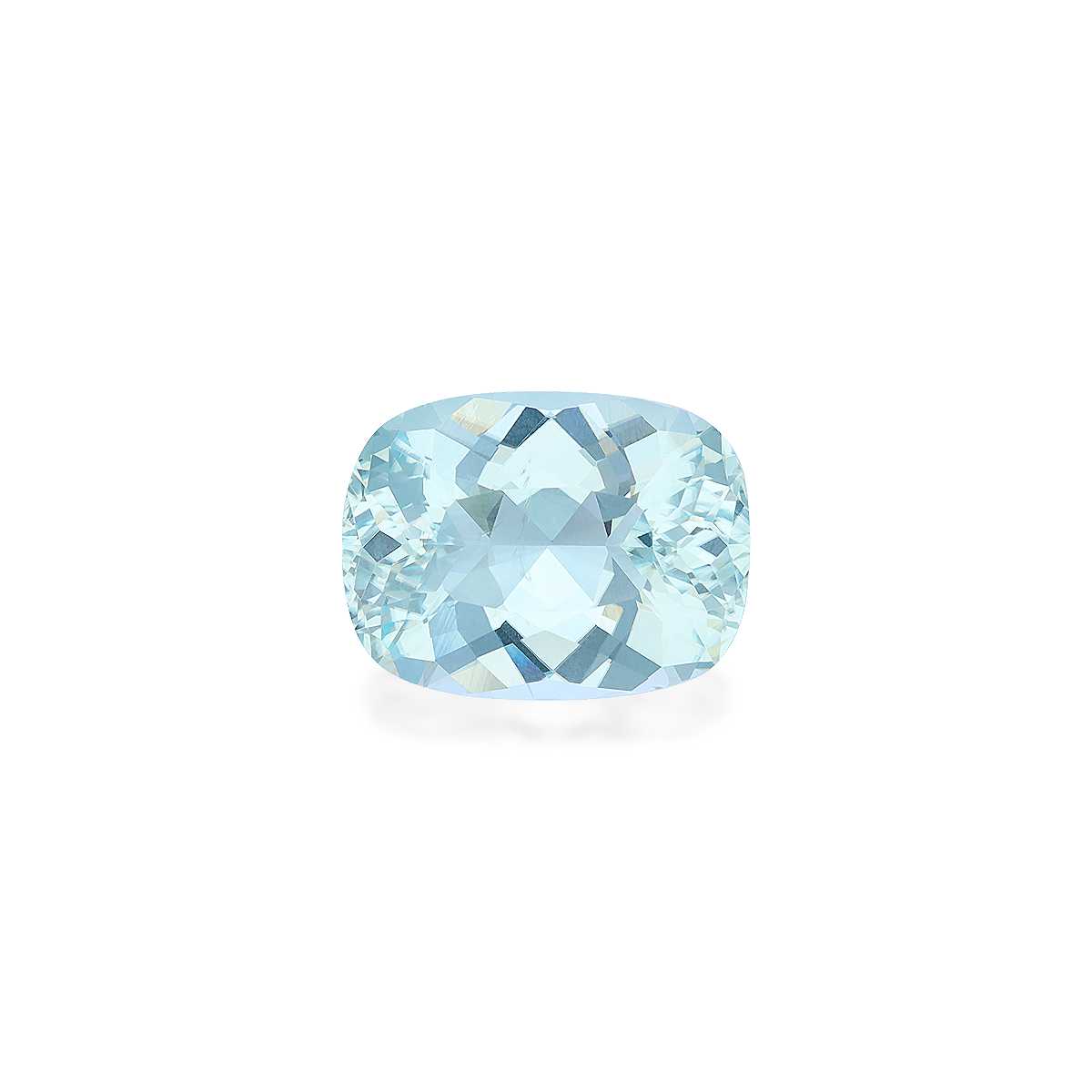
To preserve the beauty of Paraiba tourmaline, proper care and maintenance are essential. Here are some recommendations:
- Avoid Harsh Chemicals: Keep the stone away from cleaning agents and perfumes that can damage its surface.
- Regular Cleaning: Clean with mild soap and warm water, using a soft brush to remove dirt.
- Store Safely: Keep the gemstone in a soft pouch or a jewelry box to avoid scratches.
Why Choose Paraiba Tourmaline?
Choosing Paraiba tourmaline is not merely about acquiring a gemstone; it is an investment in beauty and rarity. Its unique characteristics and vibrant colors make it a perfect choice for those looking to own a piece of natural art. Whether set in a ring, necklace, or earrings, Paraiba Tourmaline jewelry stands out, reflecting the elegance and sophistication of the wearer. For more insights, you can read about Understanding the Value of Paraiba Tourmaline.
“Paraiba tourmaline is not just a gemstone; it is a statement of individuality and taste.”
Conclusion
Understanding what Paraiba tourmaline is reveals its significance in the world of gemstones. Its vibrant colors, rarity, and exquisite beauty make it a cherished choice for collectors and jewelry enthusiasts alike. As the allure of this remarkable gemstone continues to captivate hearts, it remains a testament to the wonders of nature. For more information on its unique characteristics, check out Geographic Origin Determination of Paraíba Tourmaline and Highlighting The Interesting Aspects of Paraiba Tourmaline Gemstone.
You may also like
More reading from our journal.