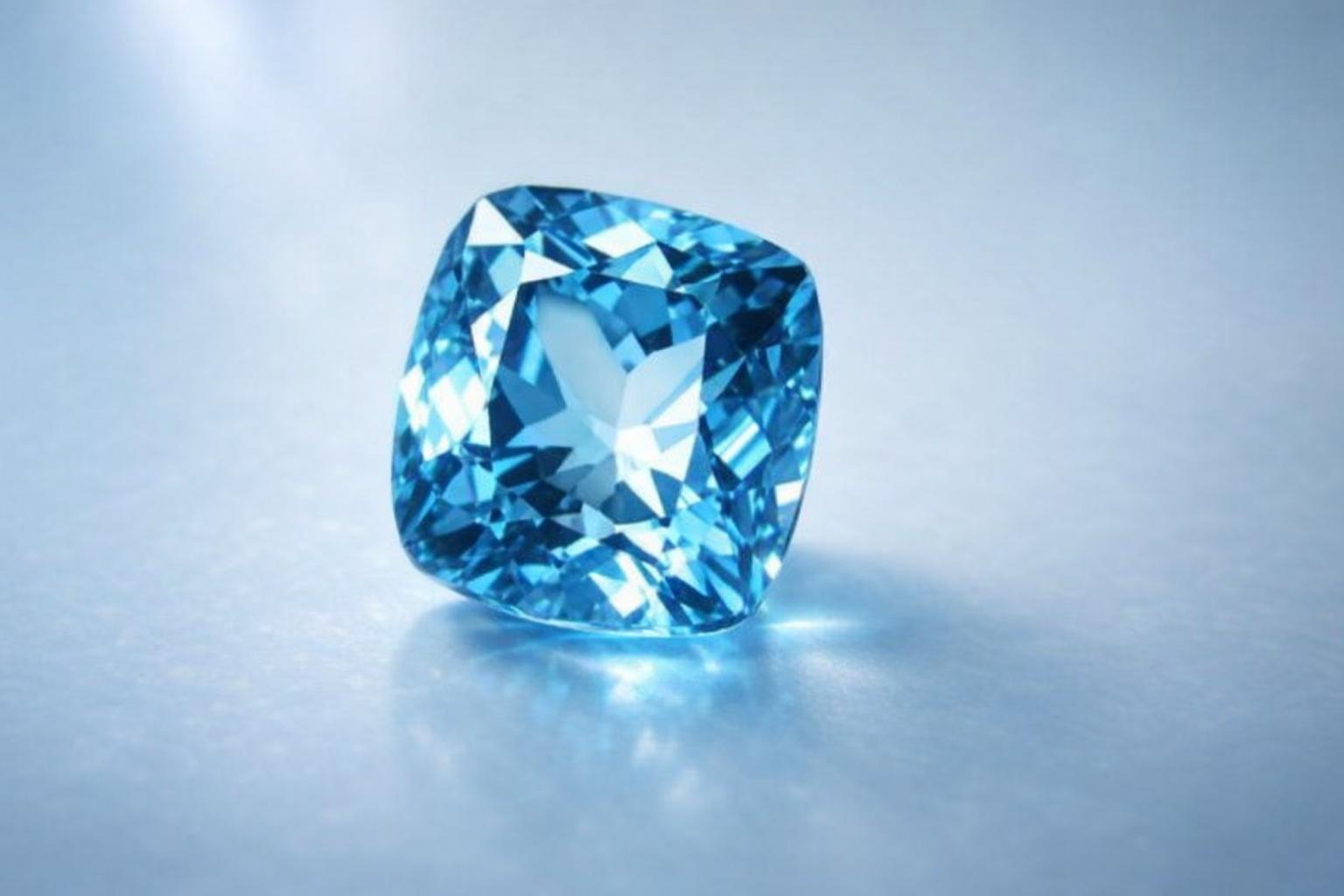
Understanding the Value & Price Factors of Topaz
The price of topaz is determined by several key factors including its size, quality, and market demand. Generally, larger stones command higher prices, with top-quality pieces potentially exceeding $500 per carat. Understanding these variables can empower buyers to make informed decisions in their gemstone purchases.
Size and Carat Weight
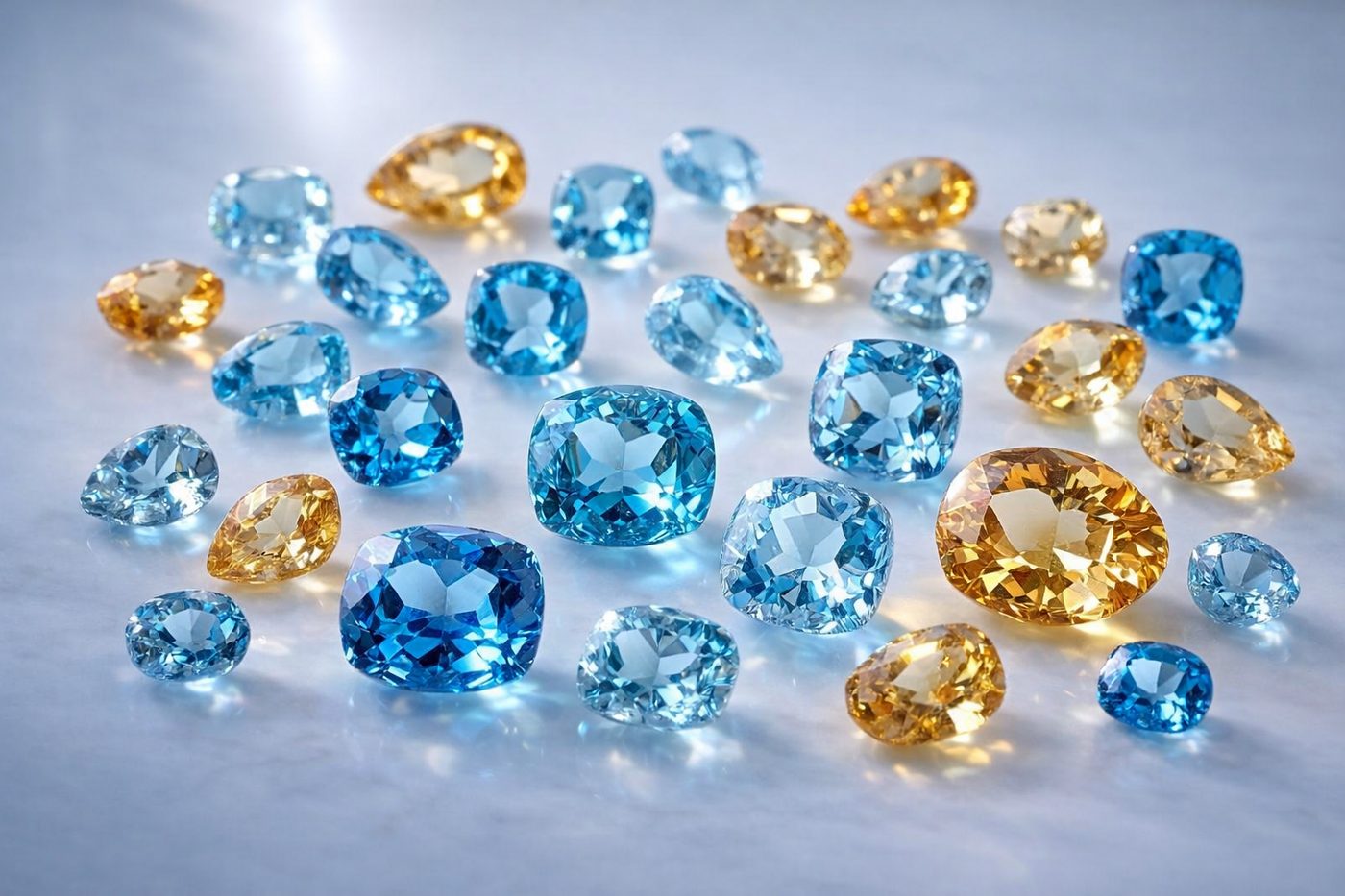
Carat weight significantly impacts the price of topaz. Larger stones, particularly those weighing over 5 carats, can fetch higher prices due to their rarity. For instance, a 10-carat topaz of exceptional quality may range from $200 to $500 per carat, while smaller stones typically sell for $20 to $100 per carat depending on overall quality.
Quality Tiers: Clarity and Color
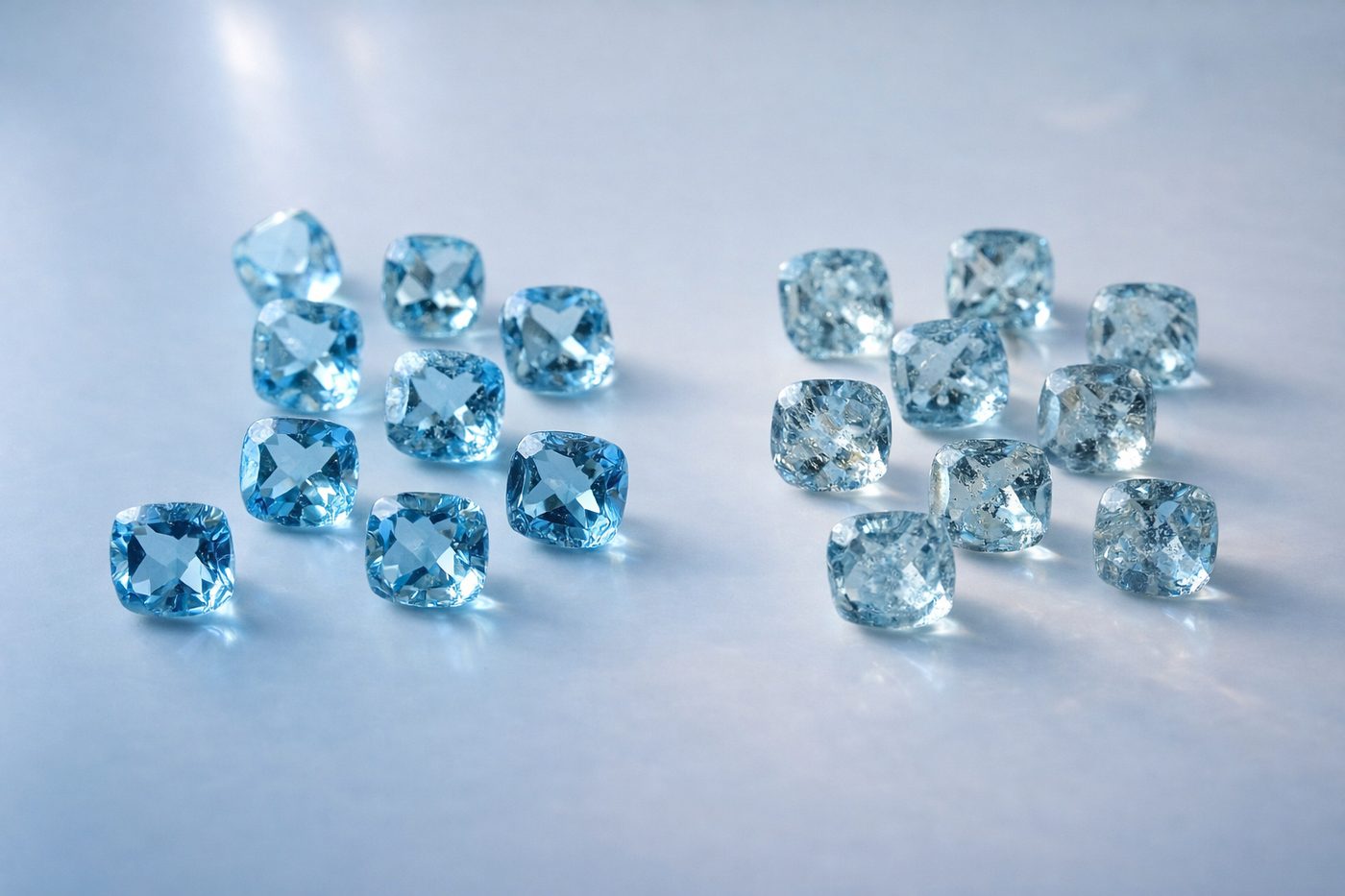
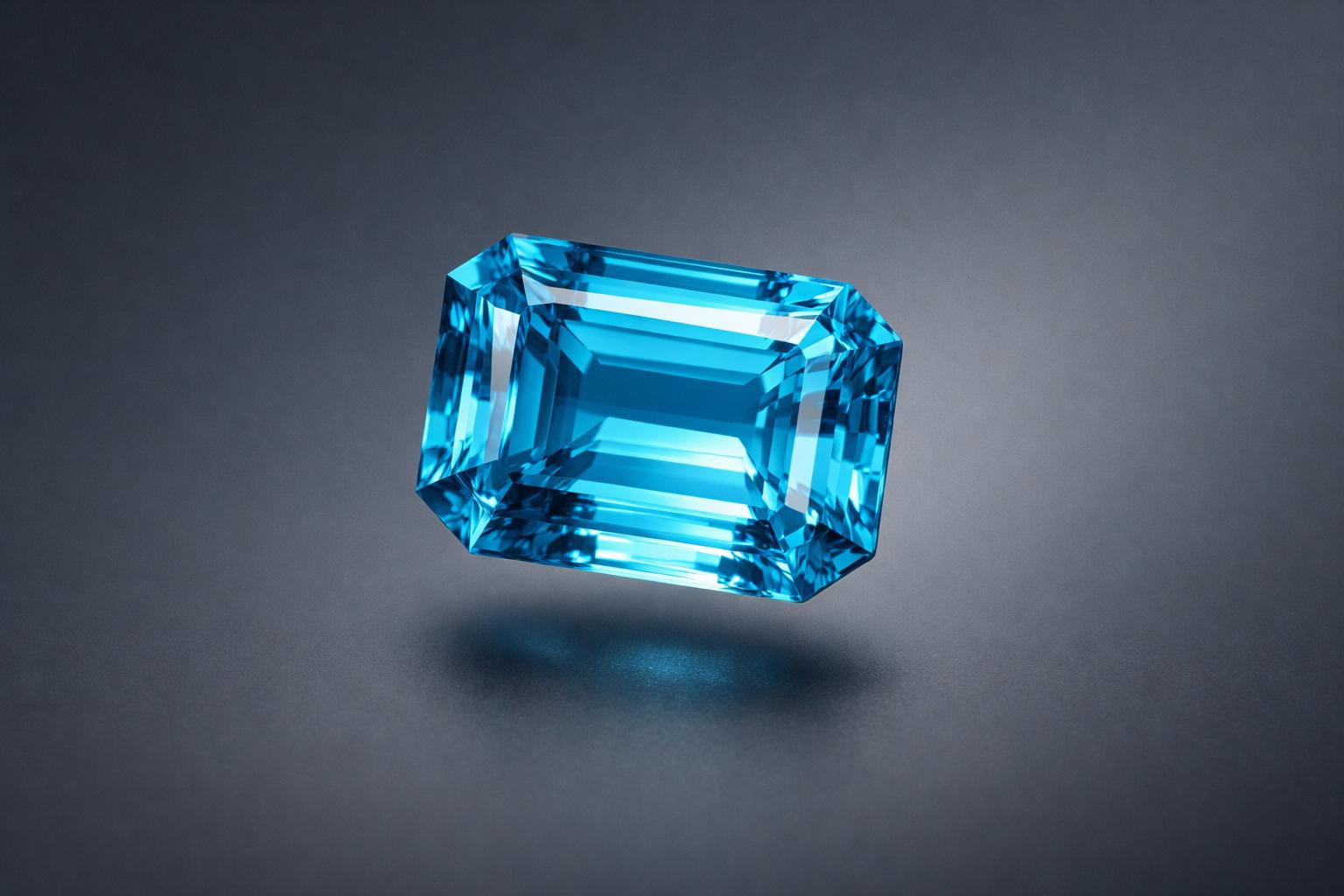
Topaz is available in a variety of colors including blue, yellow, pink, and colorless. The most sought-after hues, such as the deep blue of the Swiss Blue Topaz, can drastically increase value. Clarity also plays a crucial role; stones with fewer inclusions are considered more valuable. A high-quality blue topaz with minimal inclusions can be priced between $100 and $300 per carat.
Market Dynamics and Demand
The demand for topaz fluctuates based on market trends. For example, the popularity of blue topaz has surged, leading to increased prices. Additionally, the rarity of certain colors, like imperial topaz, can elevate prices significantly, with top-quality pieces reaching $1,000 or more per carat. Understanding current market dynamics, such as seasonal trends, can help buyers navigate pricing effectively.
Geological Factors
The origin of the topaz can also influence its price. Brazilian topaz is often regarded as the finest due to its vibrant colors and clarity. In contrast, stones sourced from less-known locations may be more affordable, yet they can still offer beauty and quality. The geological factors affecting topaz formation can also lead to variations in color saturation and clarity, impacting overall value.
Certification and Treatment
Certification plays a vital role in establishing the value of topaz. Stones that are certified by reputable gemological laboratories are generally more trusted and can command higher prices. Treatments, such as heat treatment to enhance color, should also be considered when assessing value. While treated stones are common, untreated specimens often hold higher market value.
Explore our gemstones
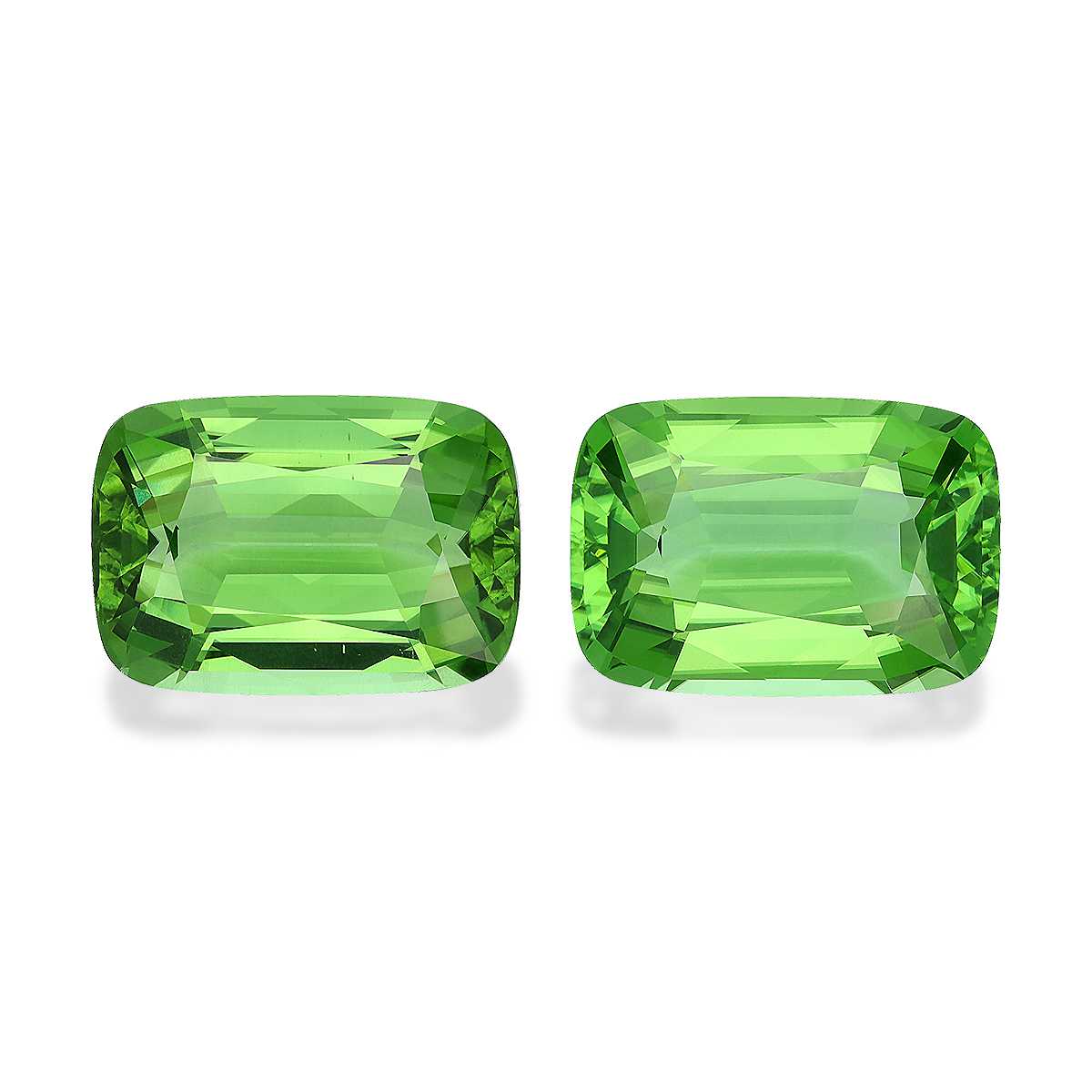
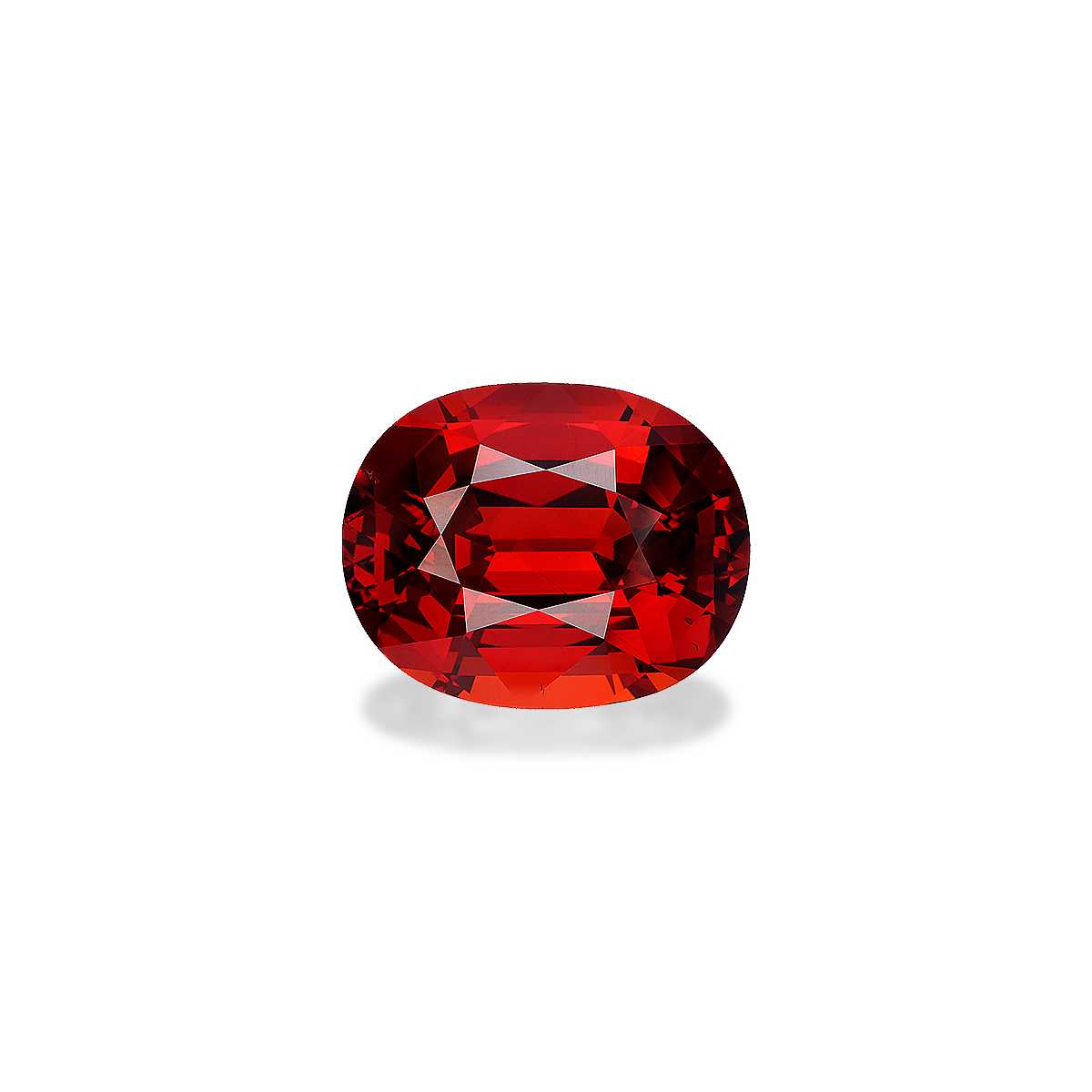
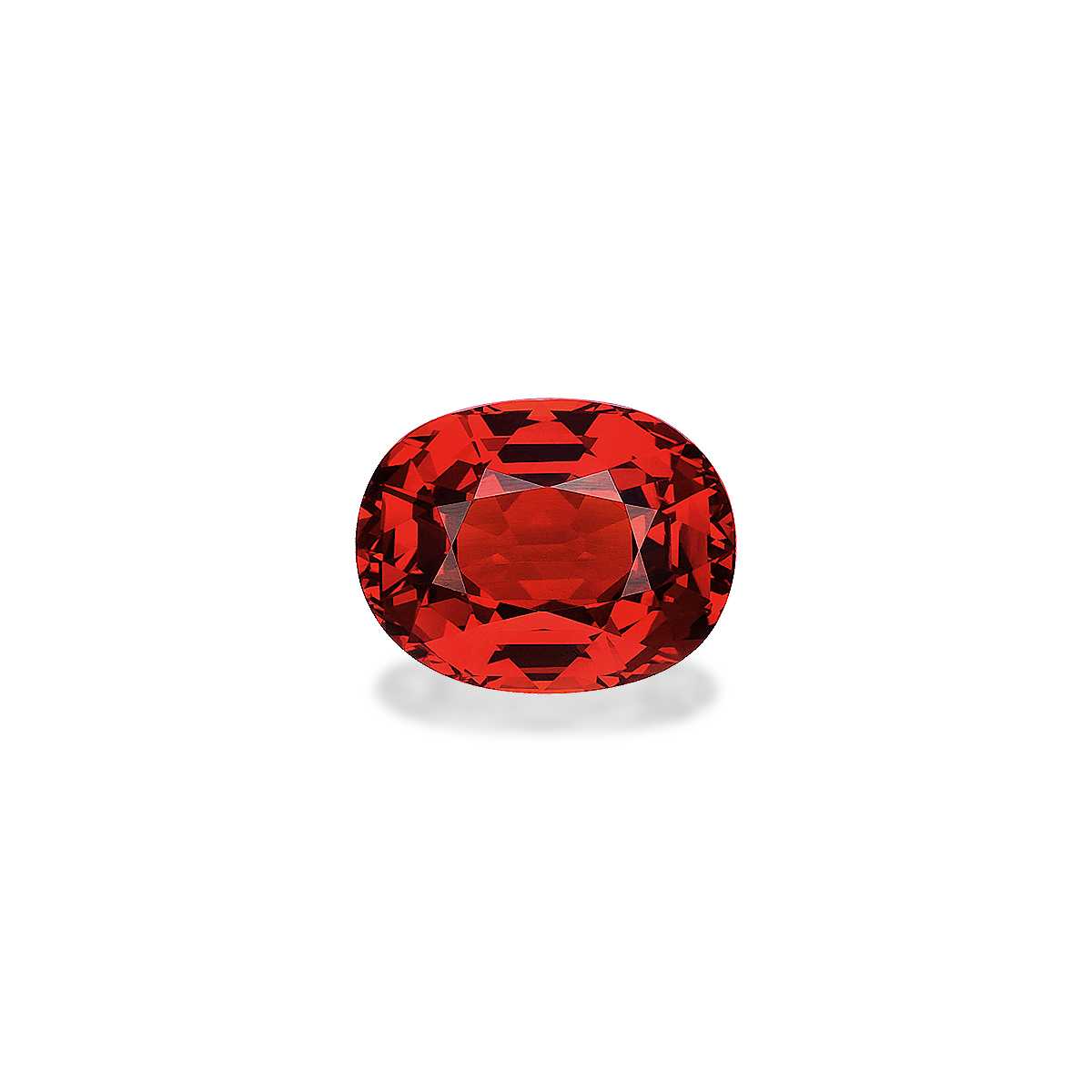
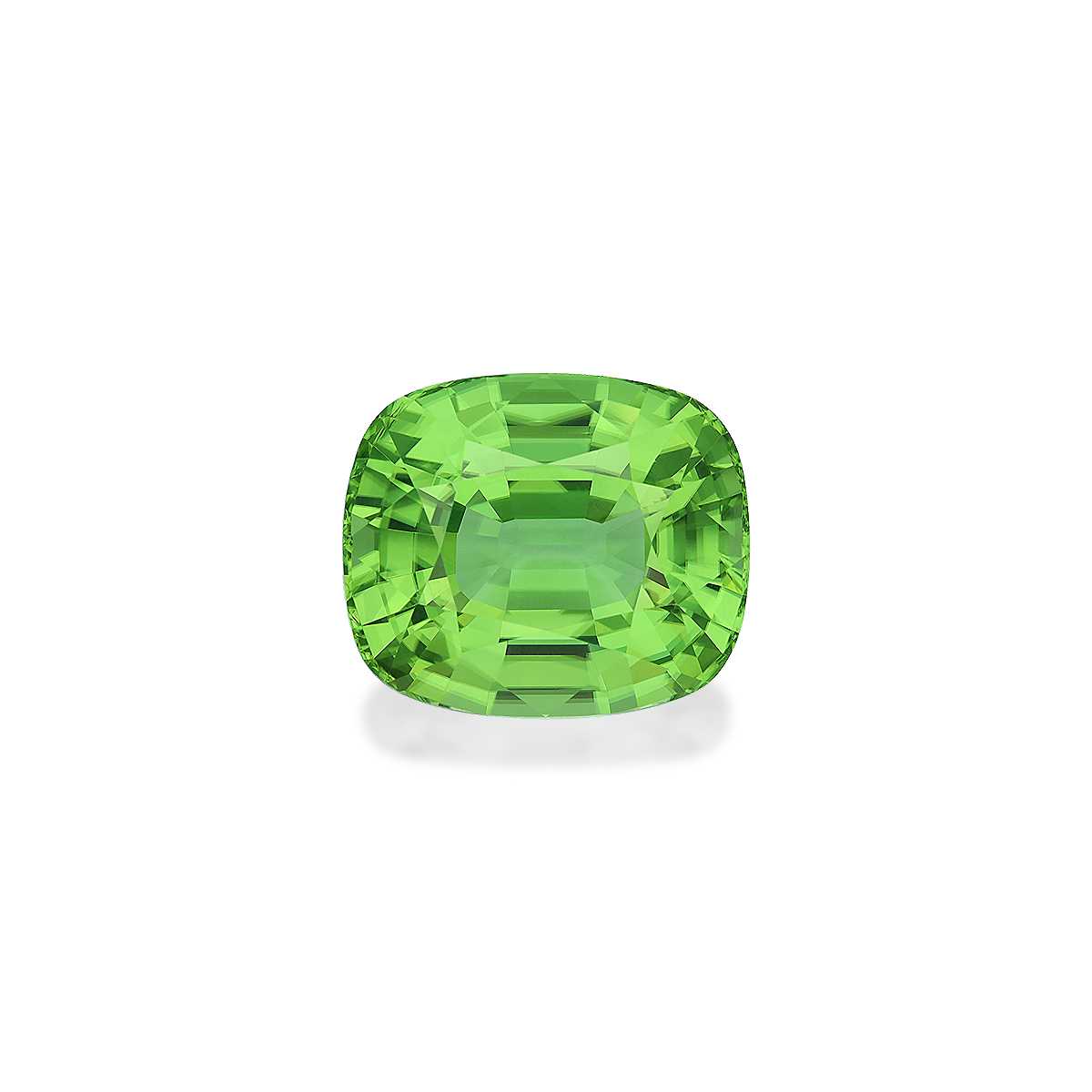
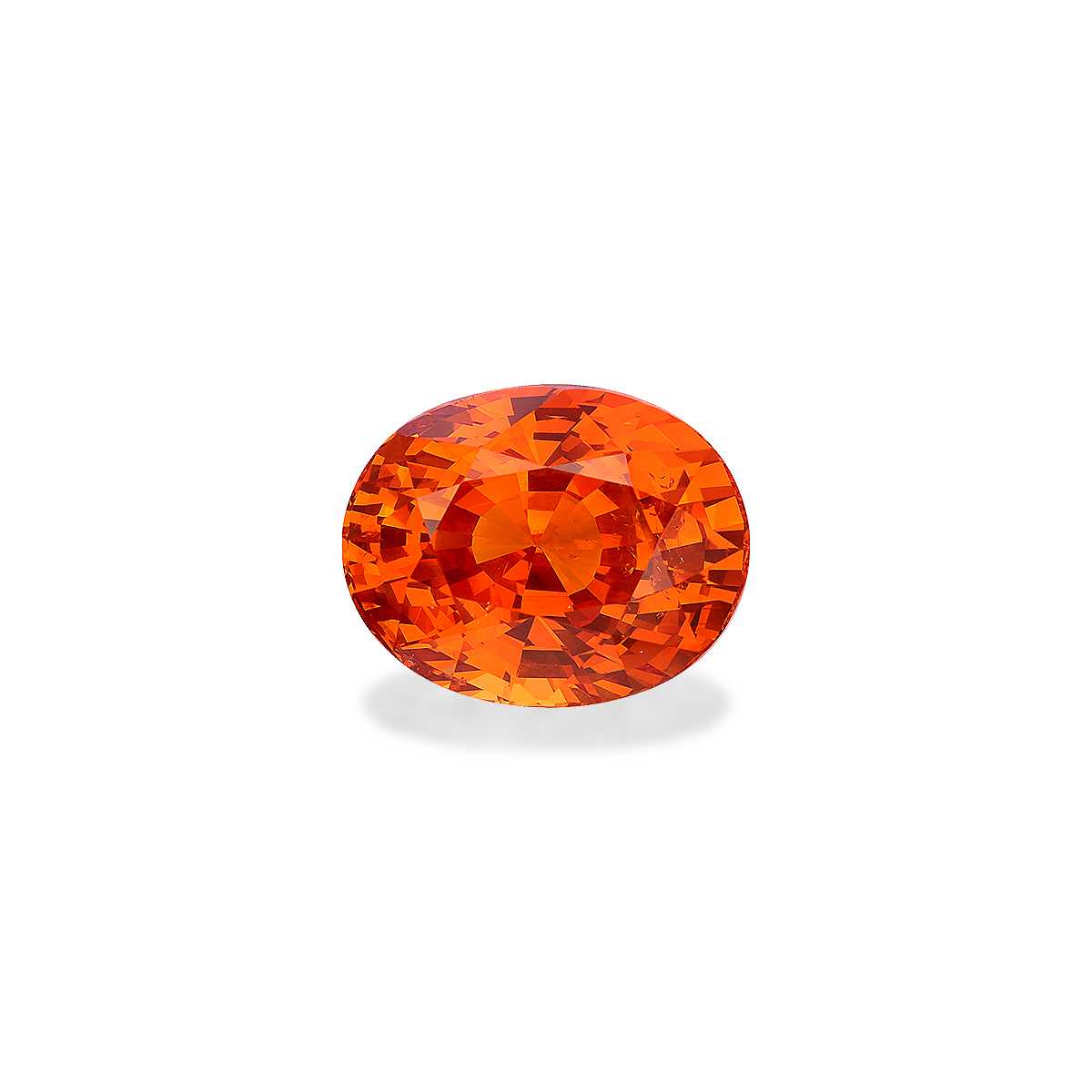
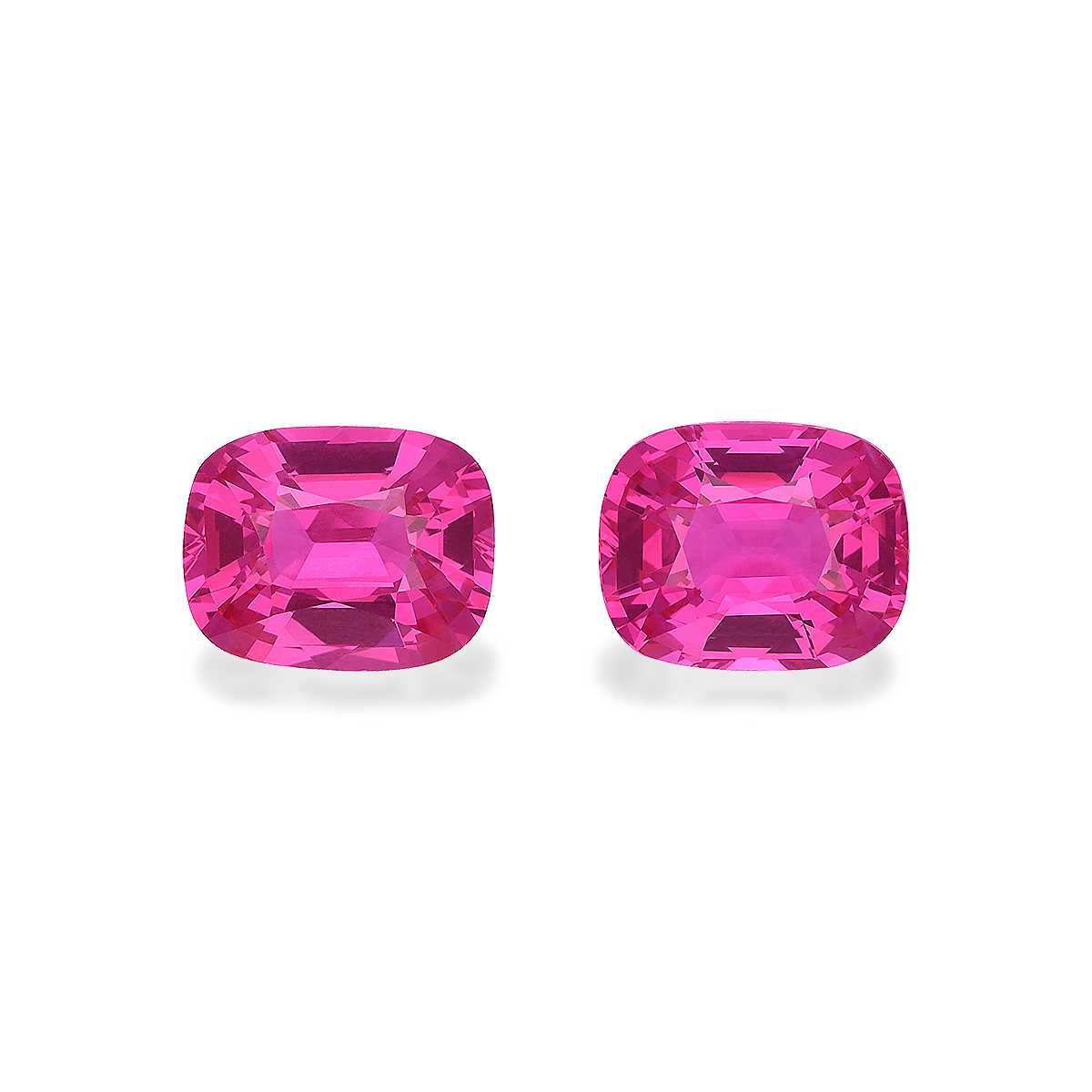
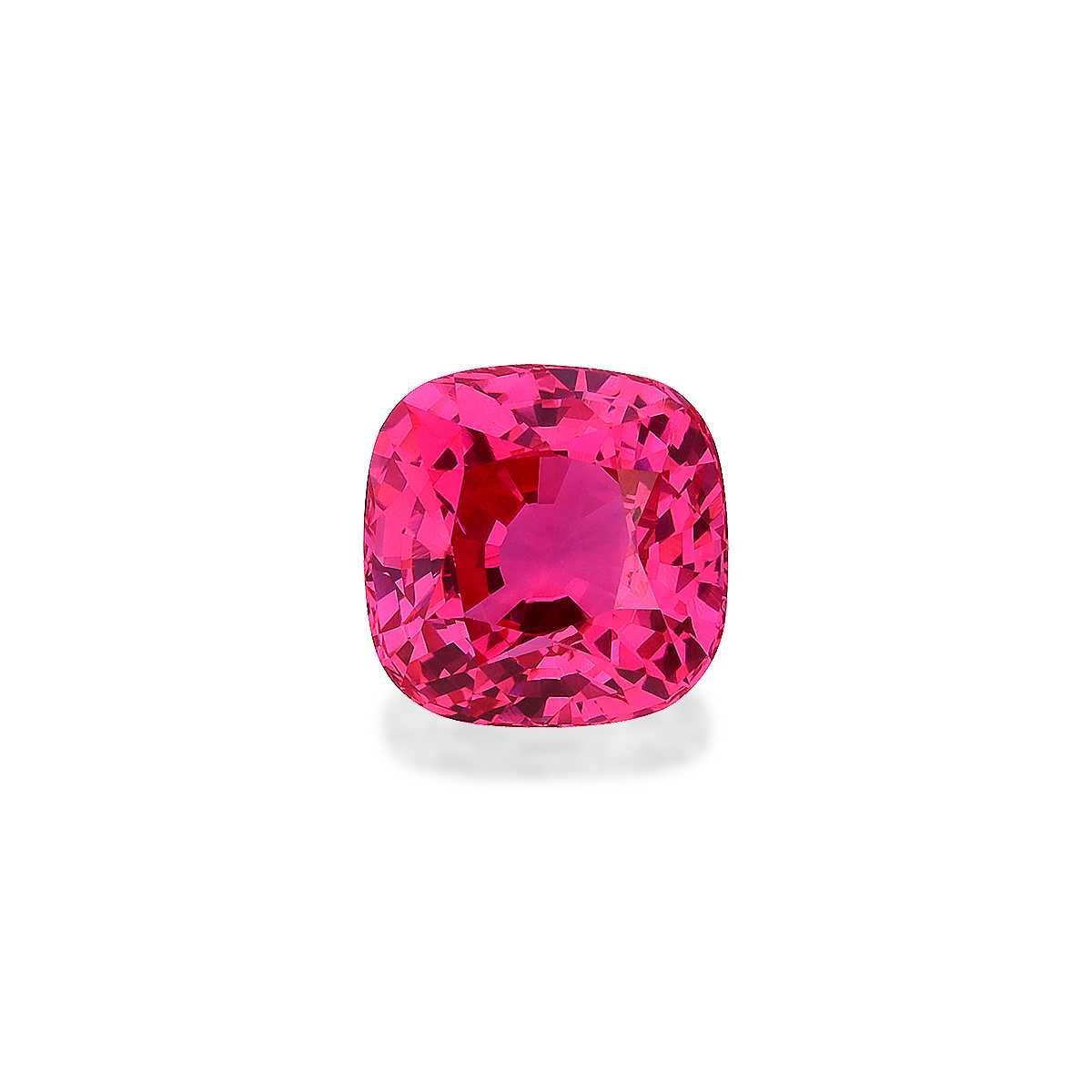
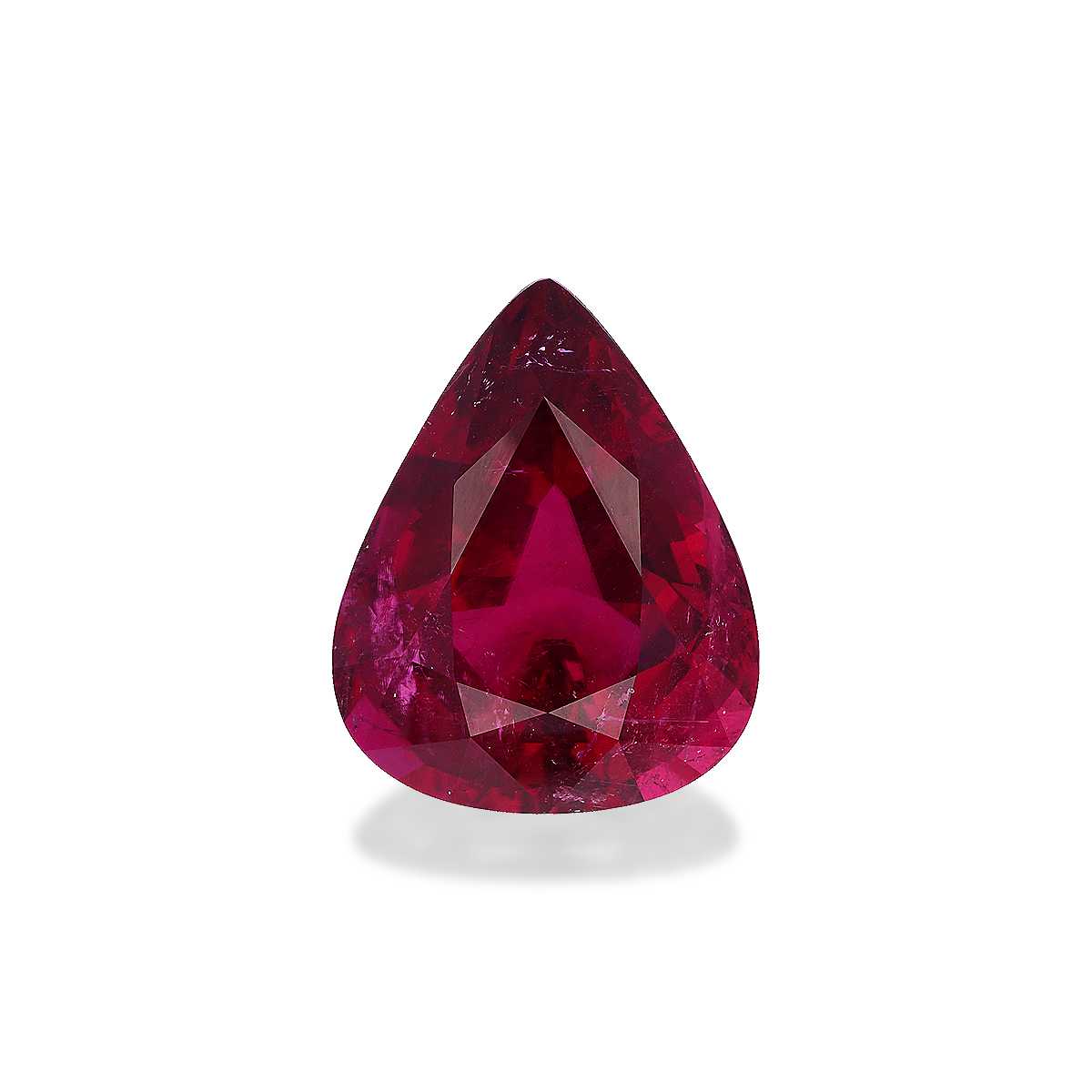
Understanding these value and price factors can assist buyers in making informed decisions when purchasing topaz. By considering size, quality, market demand, and the origin of the stone, buyers can navigate the complexities of the gemstone market more effectively.
Frequently asked questions
What affects the price of topaz?+
The price of topaz is affected by factors such as carat weight, color, clarity, demand, and whether the stone has been treated.
How does size influence topaz pricing?+
Larger topaz stones typically command higher prices, particularly those over 5 carats, due to their rarity.
What is the most valuable color of topaz?+
Imperial topaz is often considered the most valuable color, with high-quality stones fetching prices up to $1,000 per carat.
Should I consider certification when buying topaz?+
Yes, certified topaz from reputable laboratories can assure quality and authenticity, often resulting in higher resale value.
Are treated topaz stones less valuable?+
Treated topaz stones generally have lower market values compared to untreated stones, although they can still be beautiful and desirable.
You may also like
More reading from our journal.