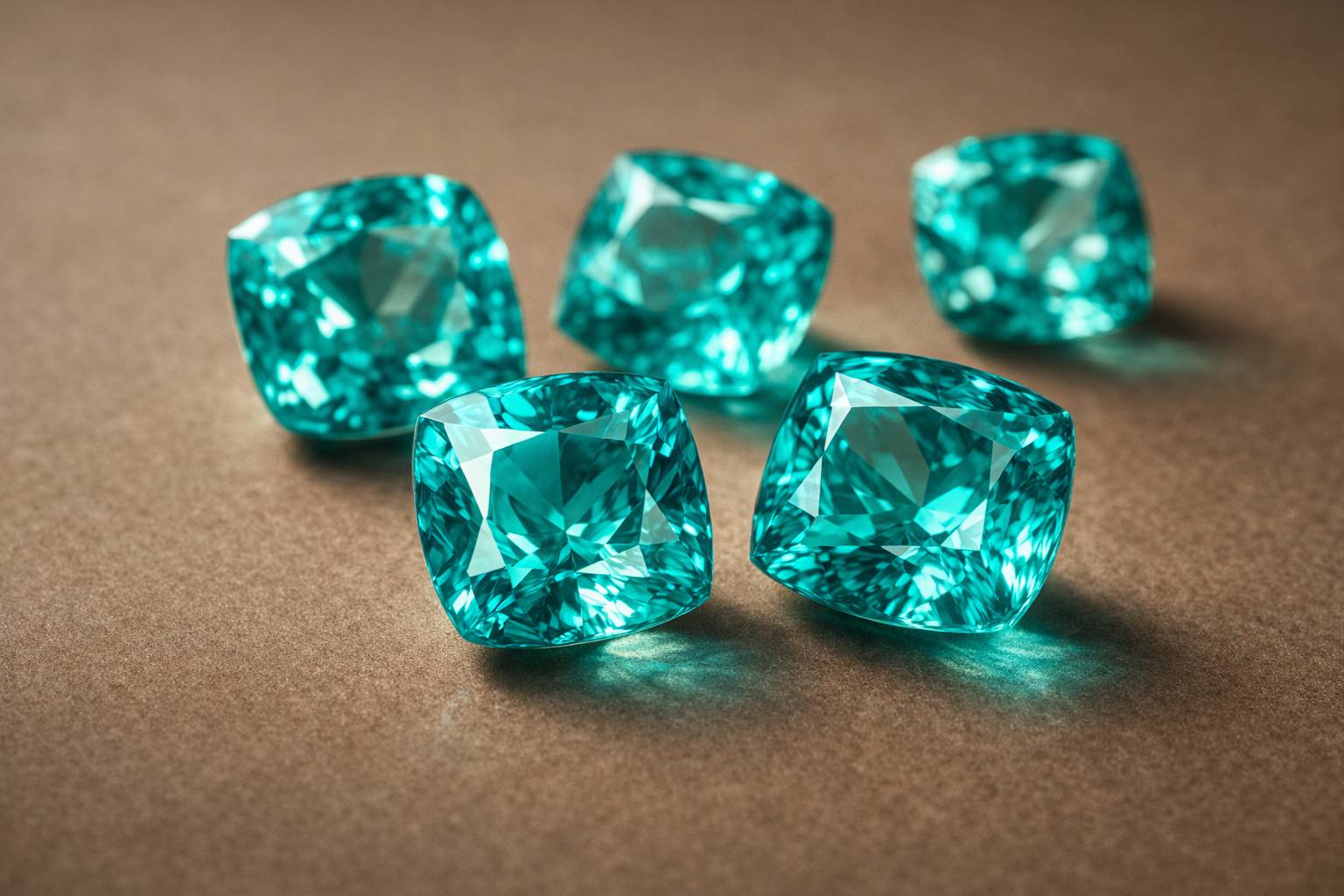
Identifying Paraiba Tourmaline Value and Price
To identify genuine Paraiba Tourmaline and assess its value, buyers should focus on key aspects such as color intensity, clarity, and origin. Be aware of common treatments and potential simulants that could mislead you. Understanding these factors will help ensure a worthwhile investment.
Recognising Genuine Paraiba Tourmaline
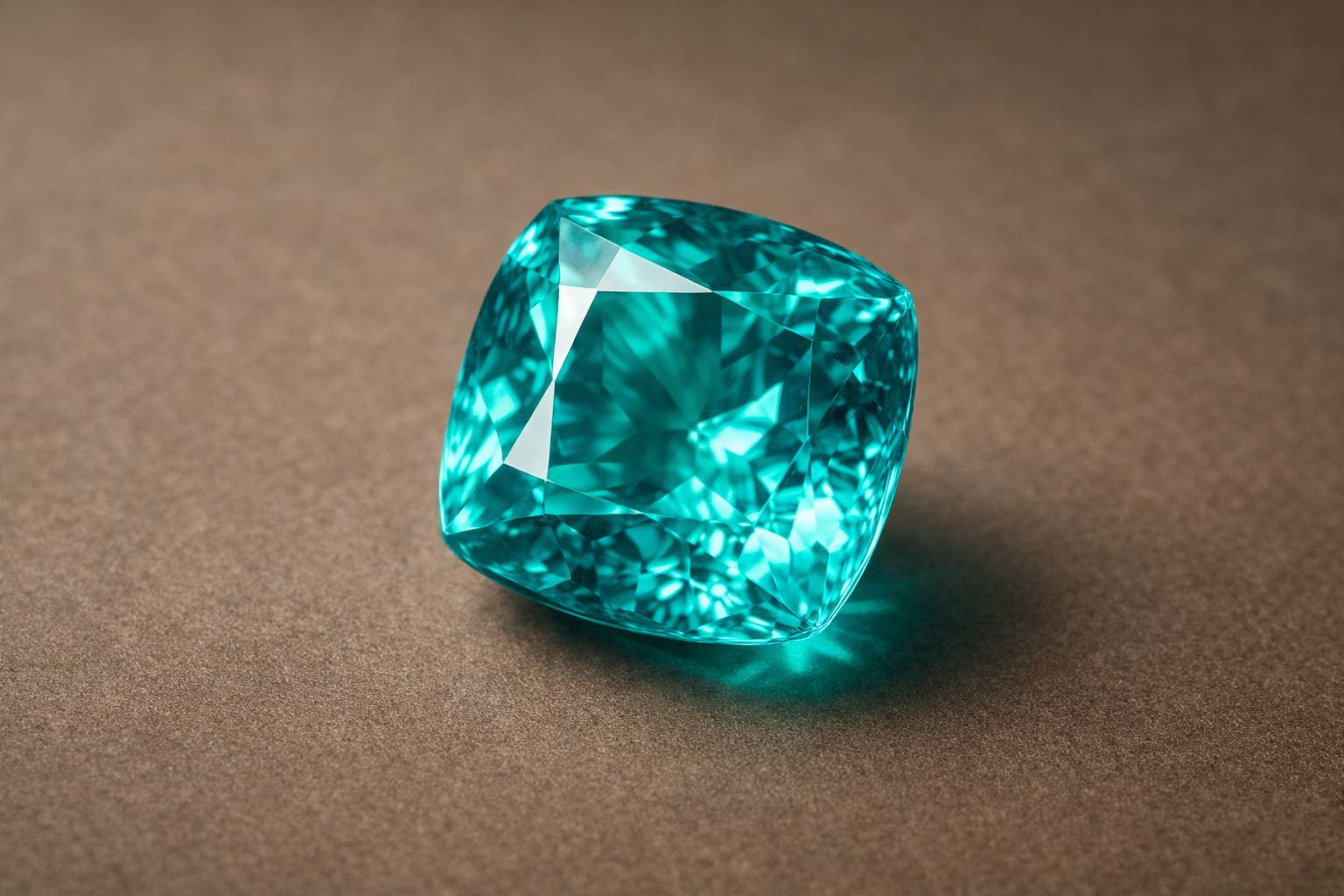
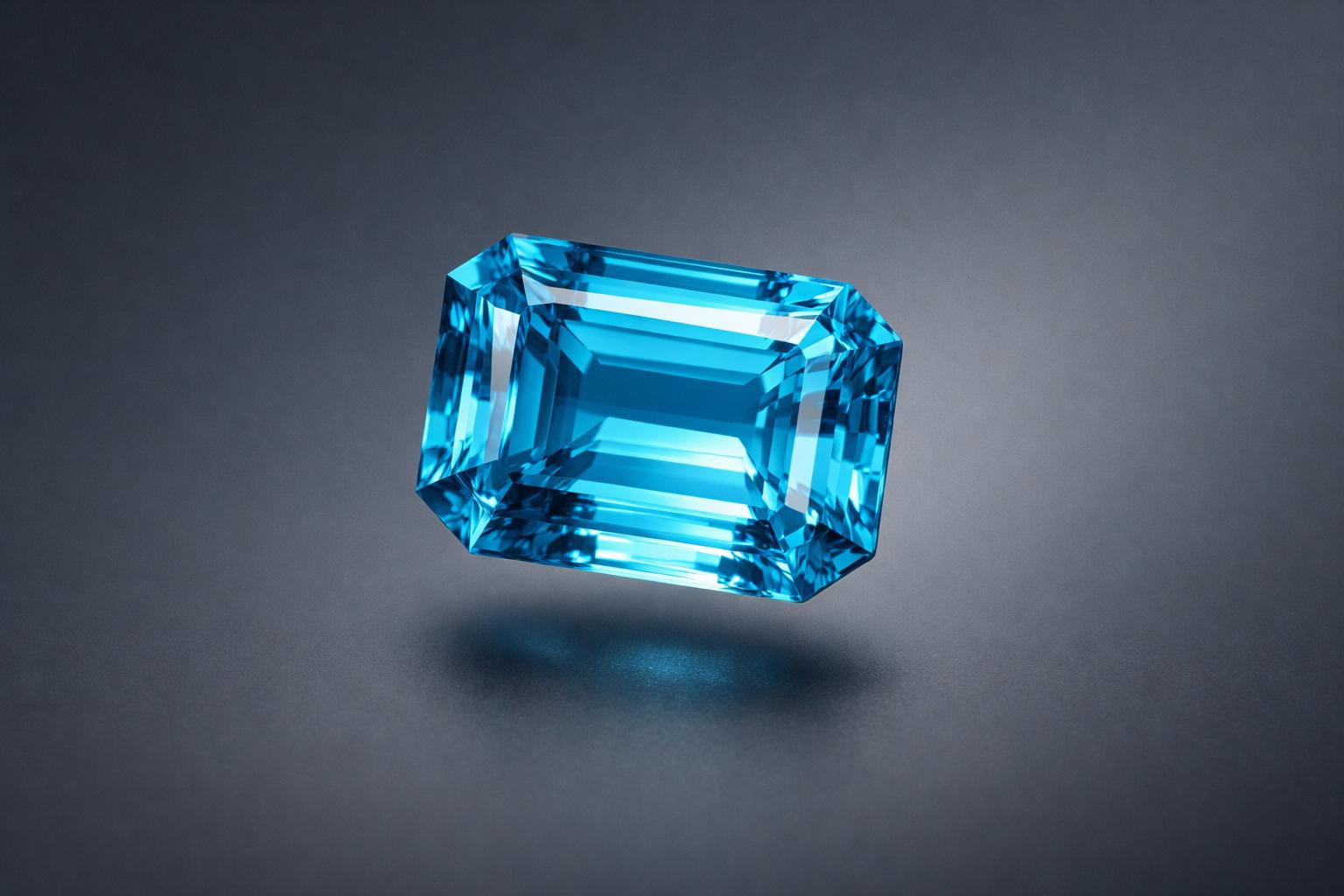
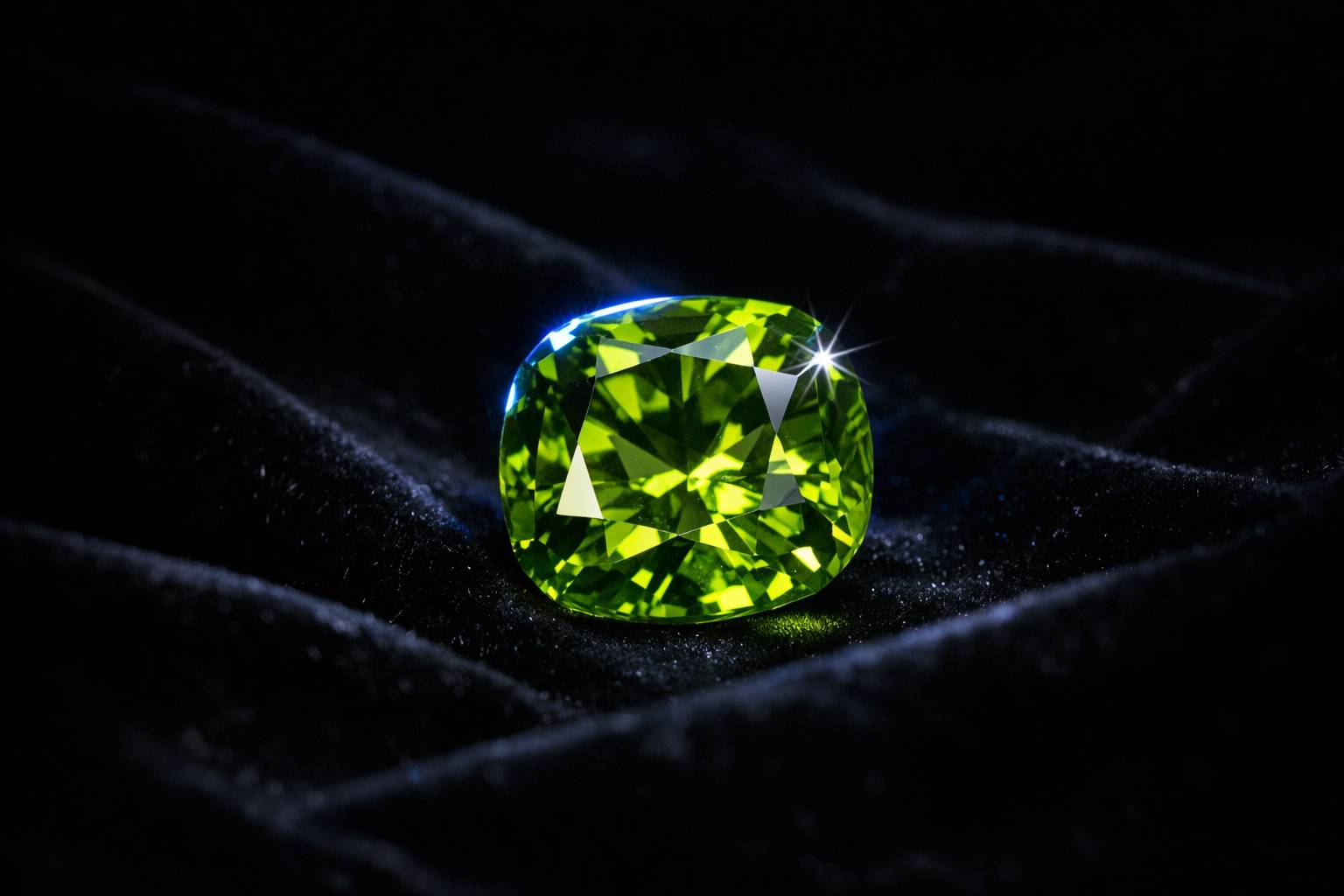
Paraiba Tourmaline is renowned for its vibrant neon and vivid colors, attributed to the presence of copper and manganese. These stones typically exhibit a refractive index ranging from 1.61 to 1.64 and a Mohs hardness of 7 to 7.5, making them suitable for everyday wear. Look for vivid hues, as these are among the most valuable characteristics.
Common Treatments and Their Implications
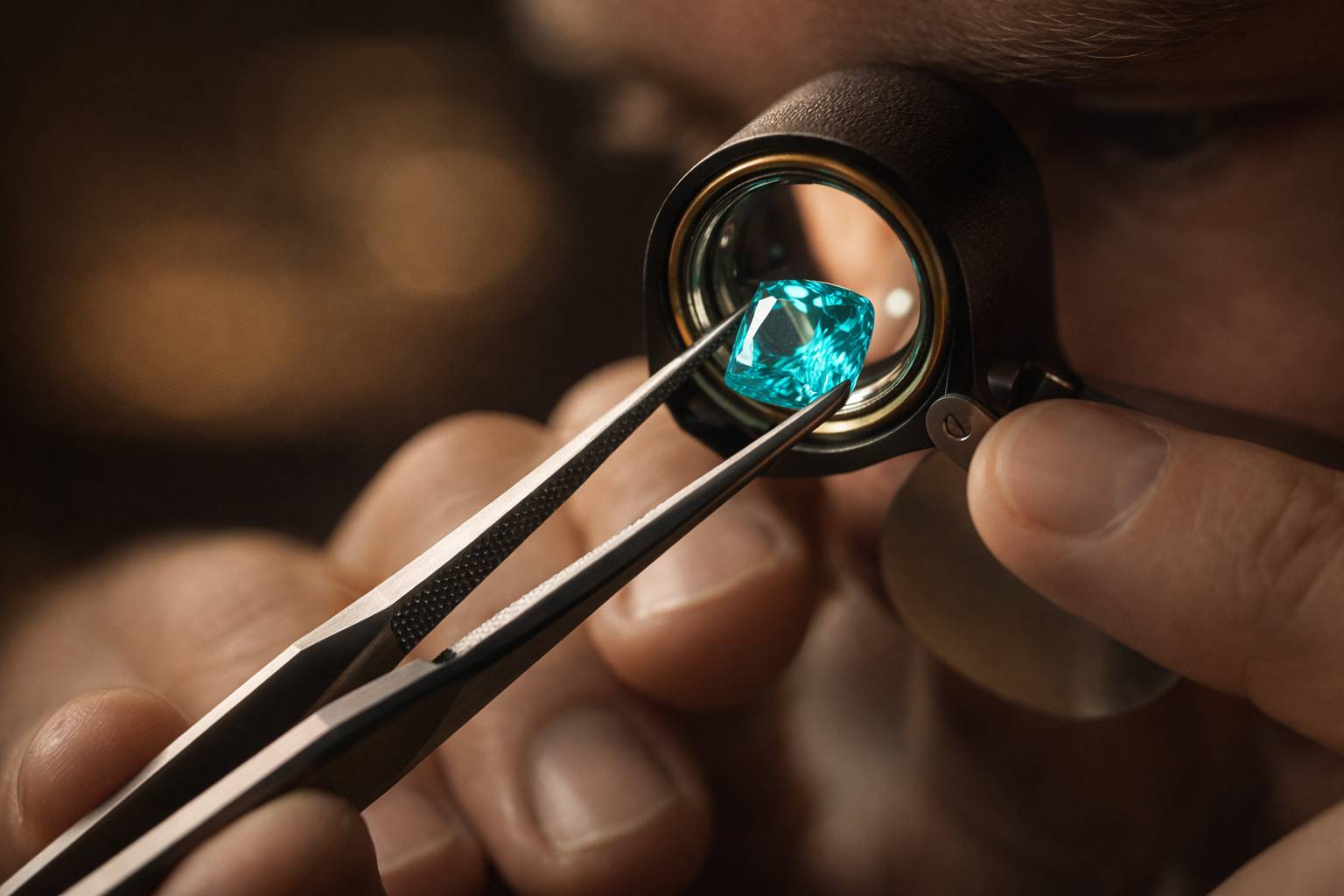
Paraiba Tourmaline can be found in both heated and unheated forms. Heated stones may enhance color but do not detract from value. Buyers should confirm the treatment status of the stone, as it influences pricing and long-term value. Always request documentation clarifying whether the stone has been treated.
Potential Simulants to Watch For
When shopping for Paraiba Tourmaline, be aware of simulants such as colored glass or synthetic alternatives. These materials may mimic the appearance of genuine stones but lack the same properties. Authentic Paraiba Tourmaline typically shows inclusions such as liquid inclusions, gas bubbles, and crystals, which can help differentiate them from simulants.
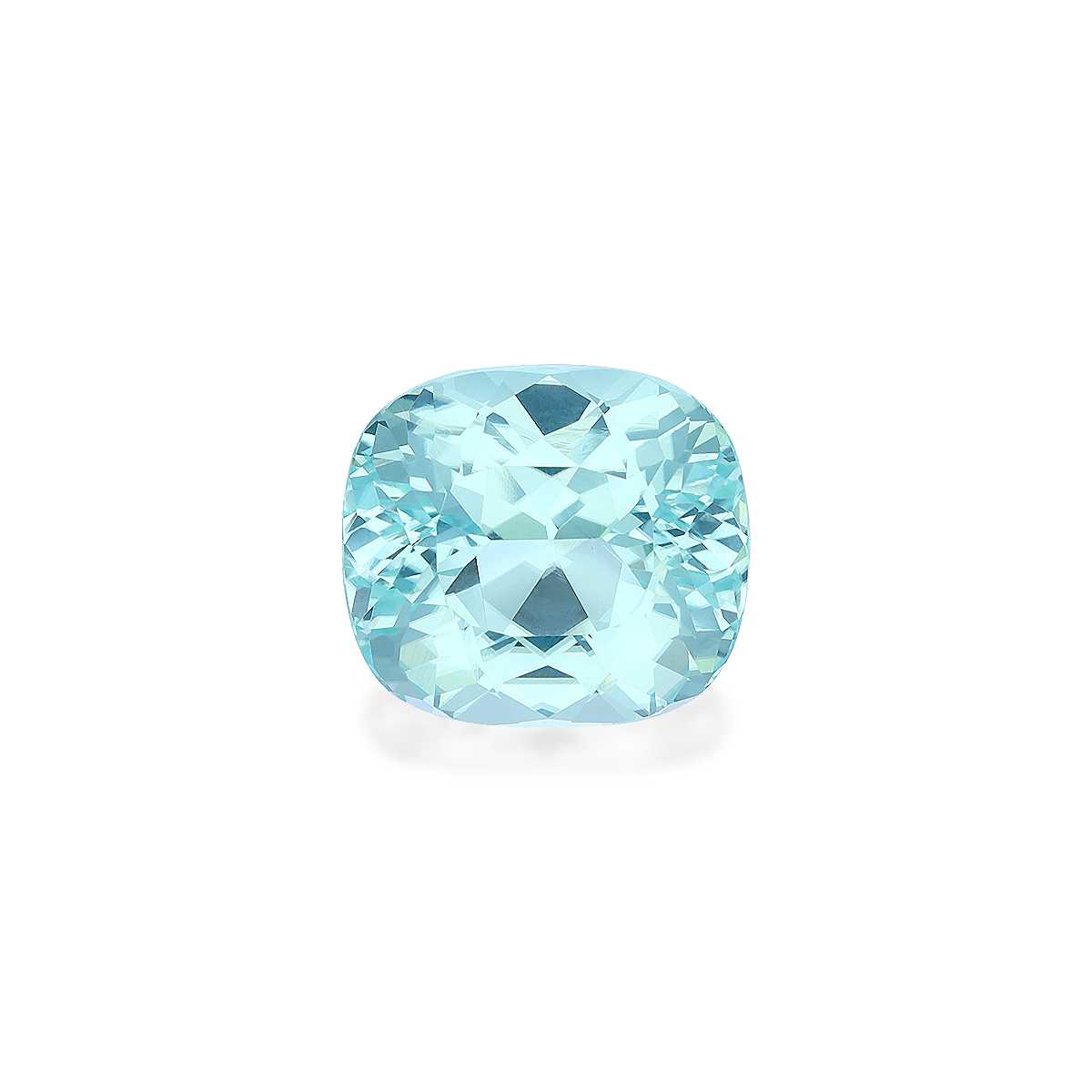
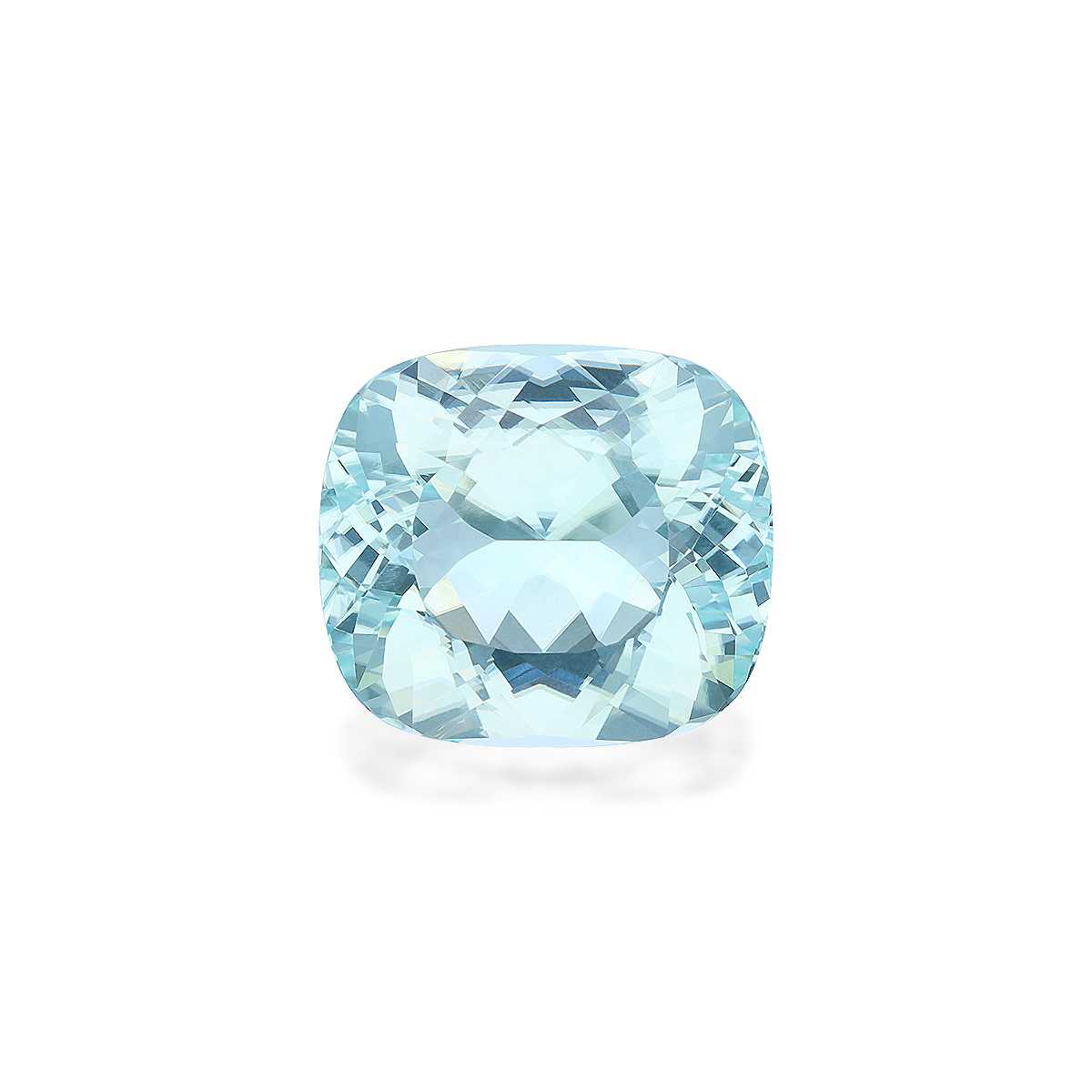
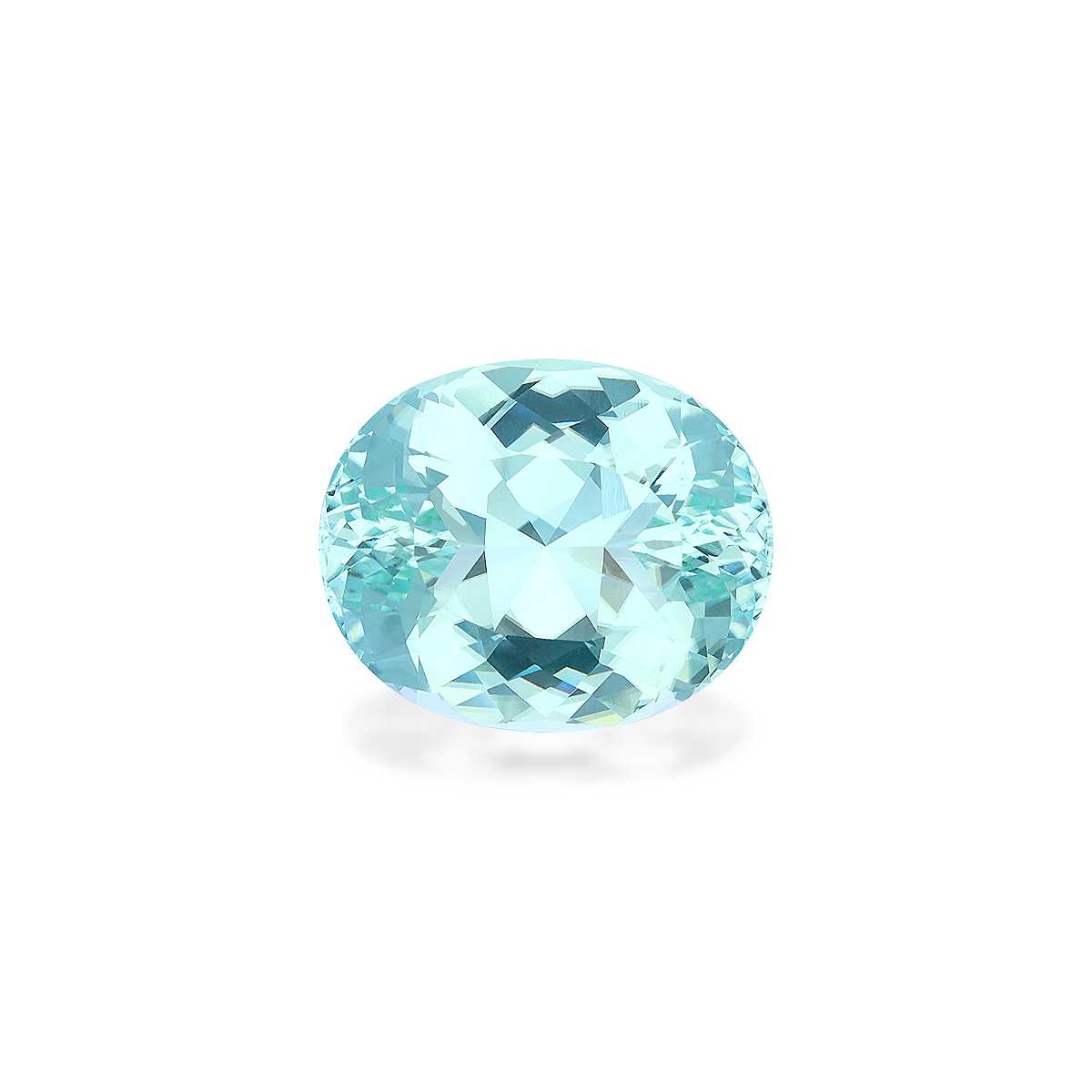
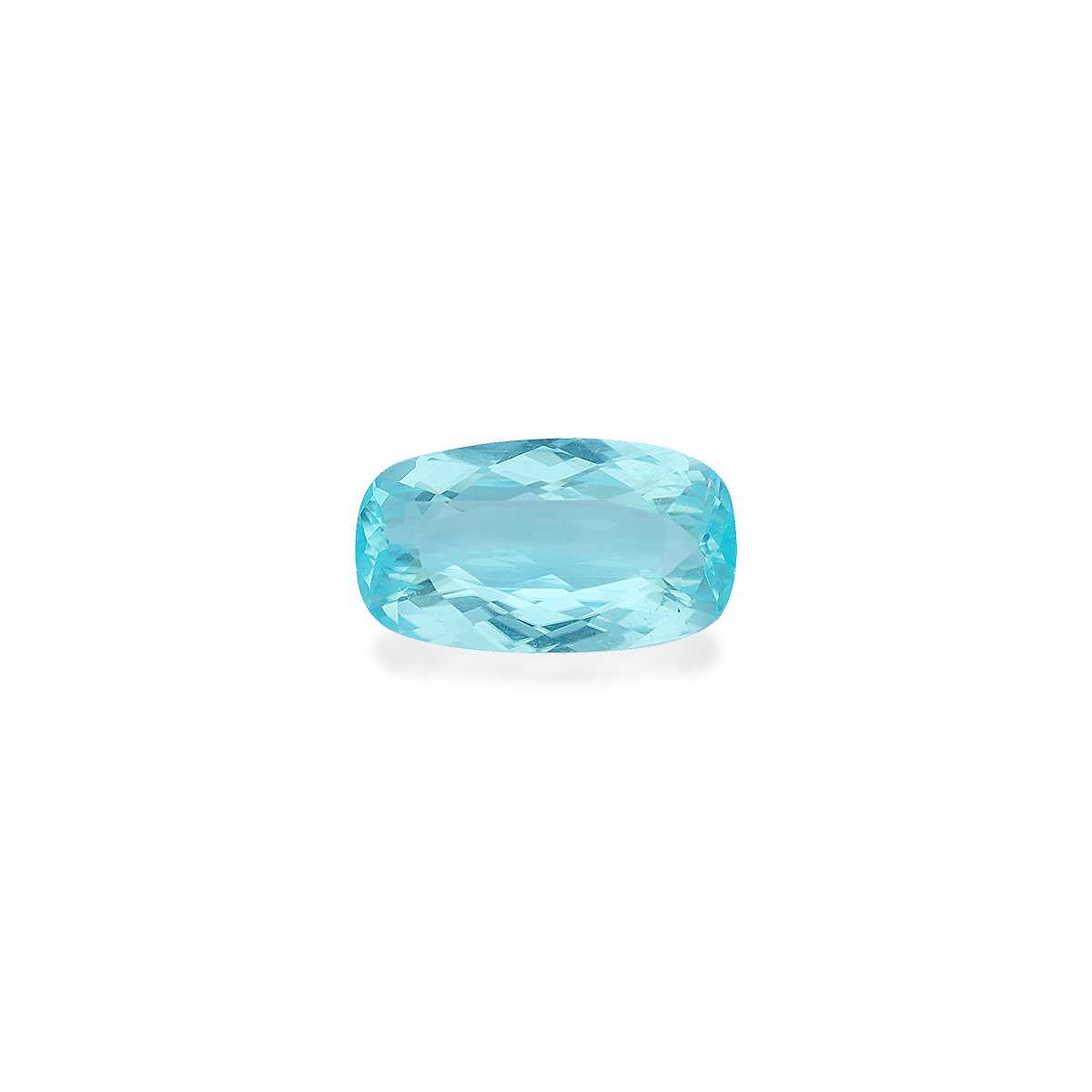
More from Paraiba Tourmaline
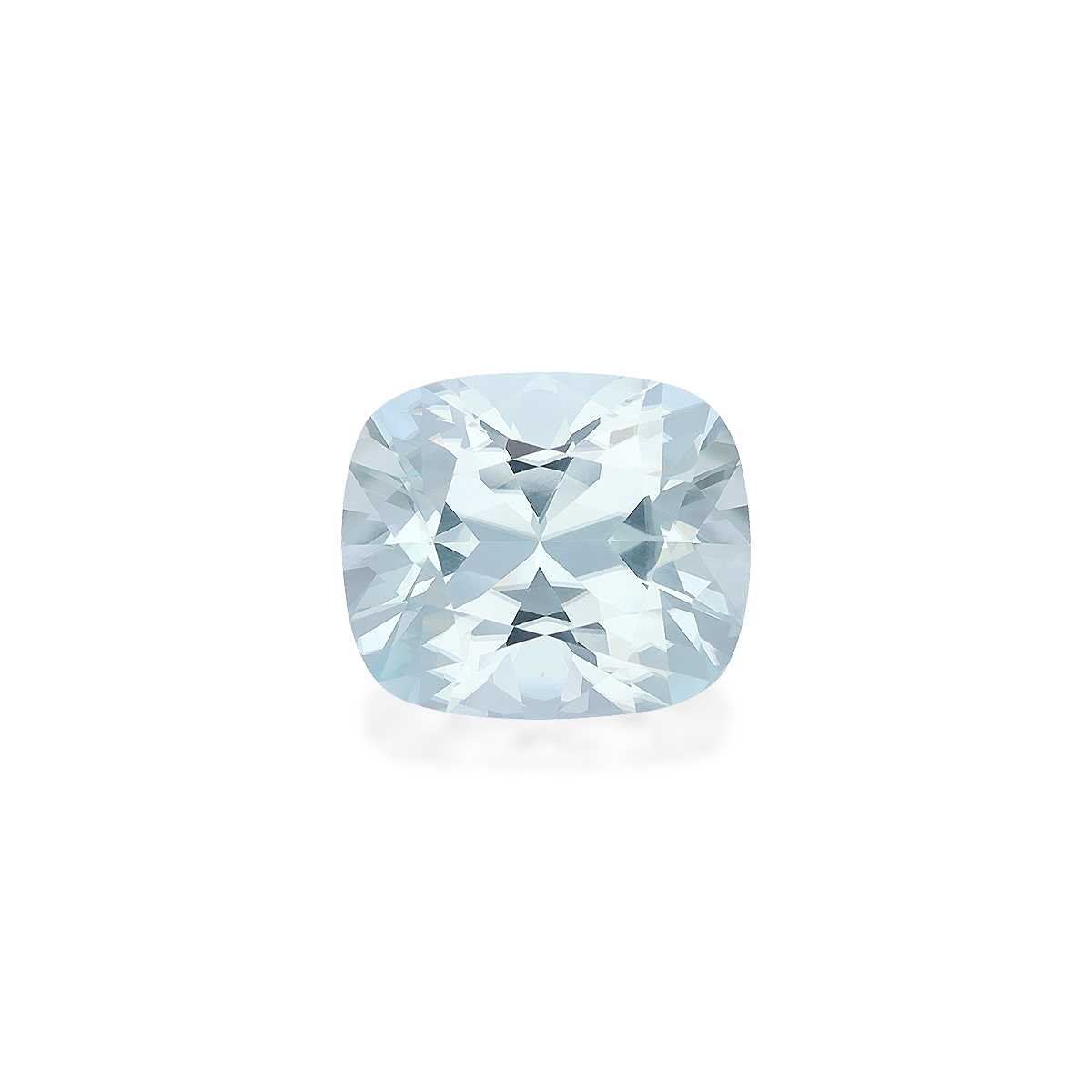
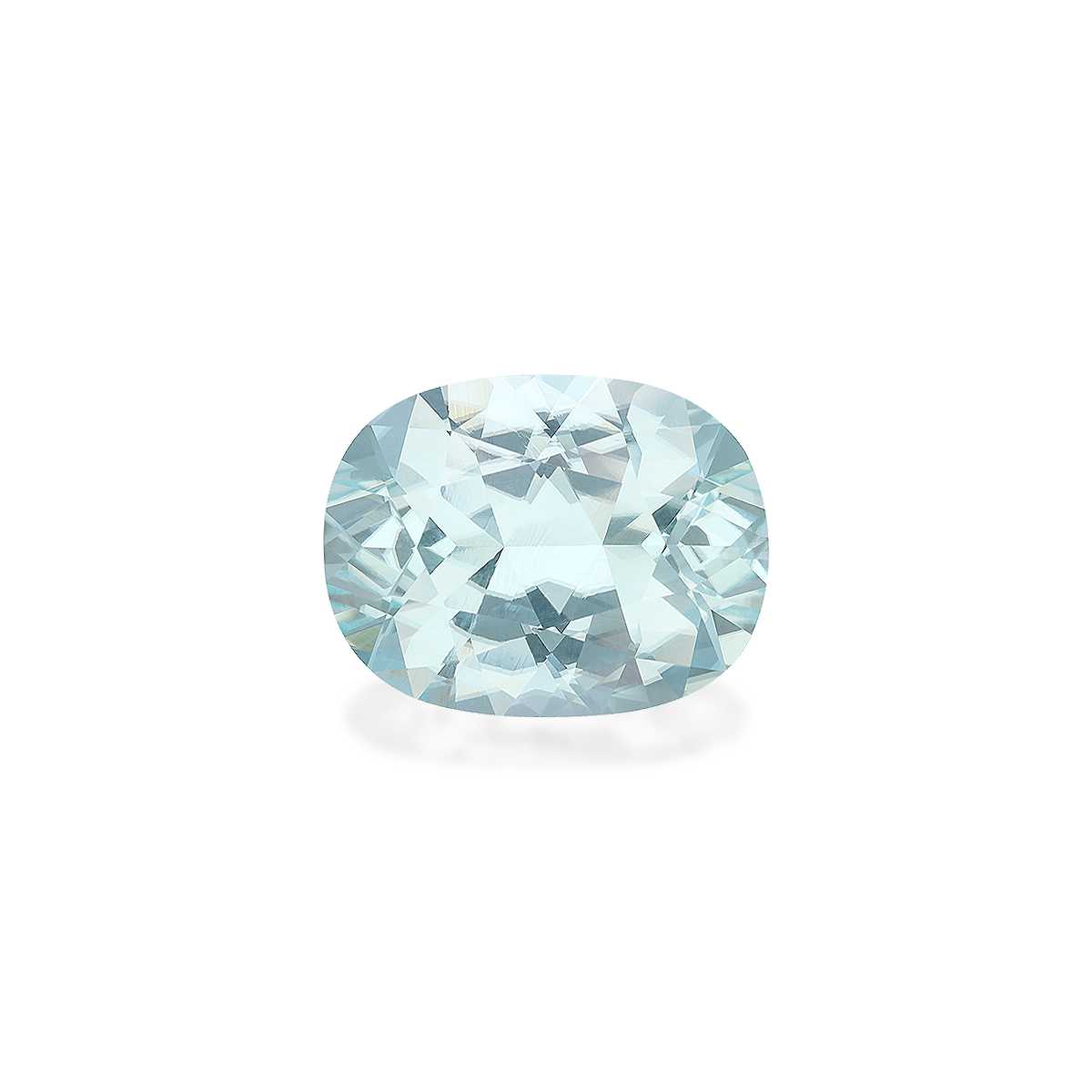
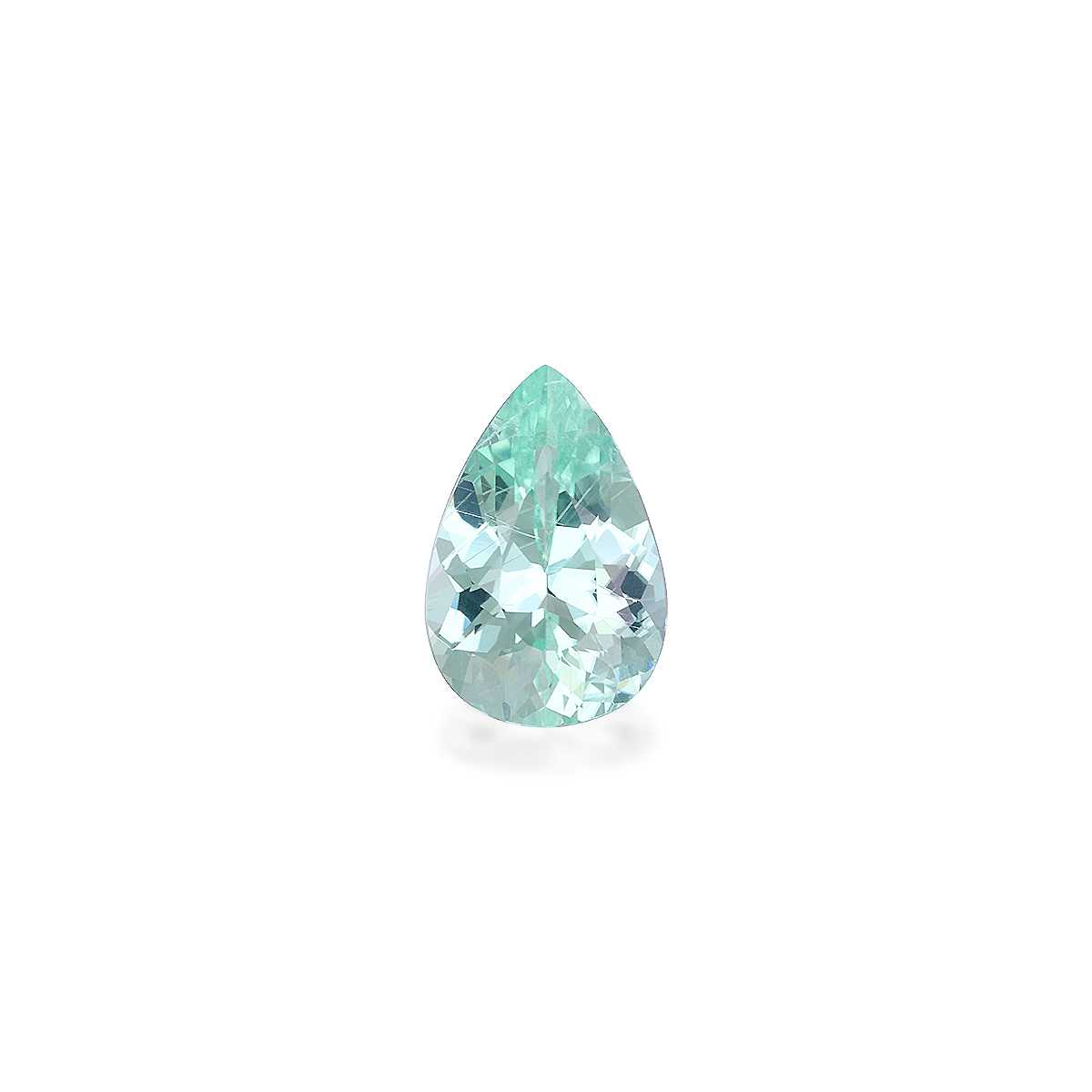
Key Value Drivers to Assess
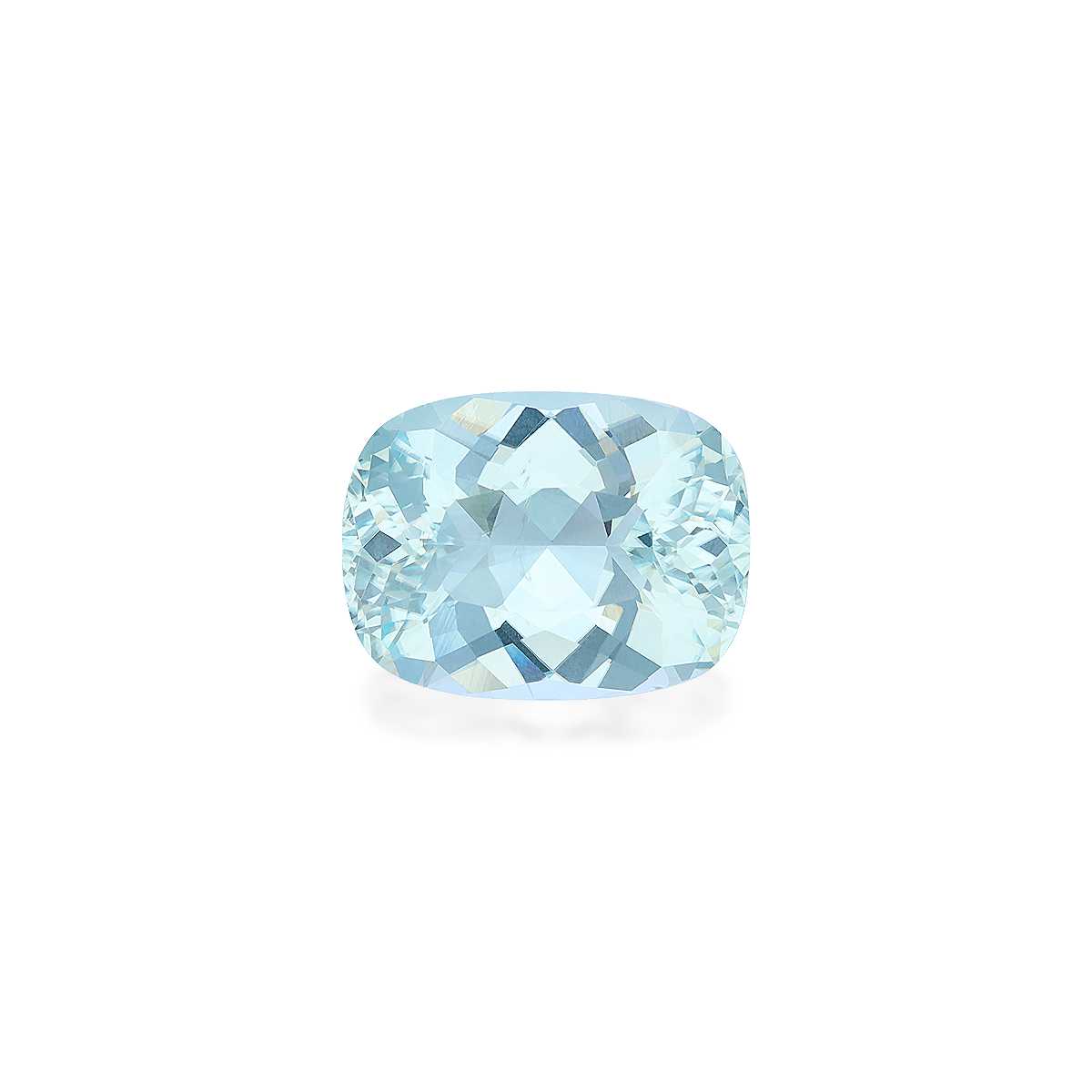
The value of Paraiba Tourmaline is influenced by several factors, including color intensity, clarity, size, and origin. Stones from Mozambique, Nigeria, Brazil, and Tanzania are all considered genuine, but those from Brazil are often the most sought after. Prices can vary significantly, with high-quality specimens ranging from $300 to over $3,000 per carat.
Avoiding Buyer Pitfalls
One common pitfall is overpaying for low-quality stones or misunderstanding the implications of treatments. Not all Paraiba Tourmalines are created equal; thus, it is crucial to evaluate the overall quality and not just the name. Additionally, always verify the stone's origin and treatment history to ensure you make an informed purchase.
Final Considerations for Smart Purchases
Before making a purchase, conduct thorough research on the stone's characteristics and provenance. Consider consulting with a gemologist or reputable jeweler to gain insights into the specific Paraiba Tourmaline you are considering. Awareness and education are your best tools in this market.
Frequently asked questions
What is the value of Paraiba Tourmaline?+
The value of Paraiba Tourmaline varies widely, typically ranging from $300 to over $3,000 per carat, depending on color, clarity, and origin.
How can I tell if my Paraiba Tourmaline is genuine?+
Look for characteristics such as vivid neon colors, specific inclusions, and check the refractive index, which should be between 1.61 and 1.64.
What treatments are common for Paraiba Tourmaline?+
Common treatments for Paraiba Tourmaline include heating, which can enhance color. It is essential to confirm the treatment status to understand its value.
Where does authentic Paraiba Tourmaline come from?+
Genuine Paraiba Tourmaline originates from regions like Mozambique, Nigeria, Brazil, and Tanzania, with Brazilian stones often being the most prized.
What are the main simulants of Paraiba Tourmaline?+
Common simulants include colored glass and synthetic stones, which may resemble genuine Paraiba Tourmaline but lack its unique properties and value.
You may also like
More reading from our journal.