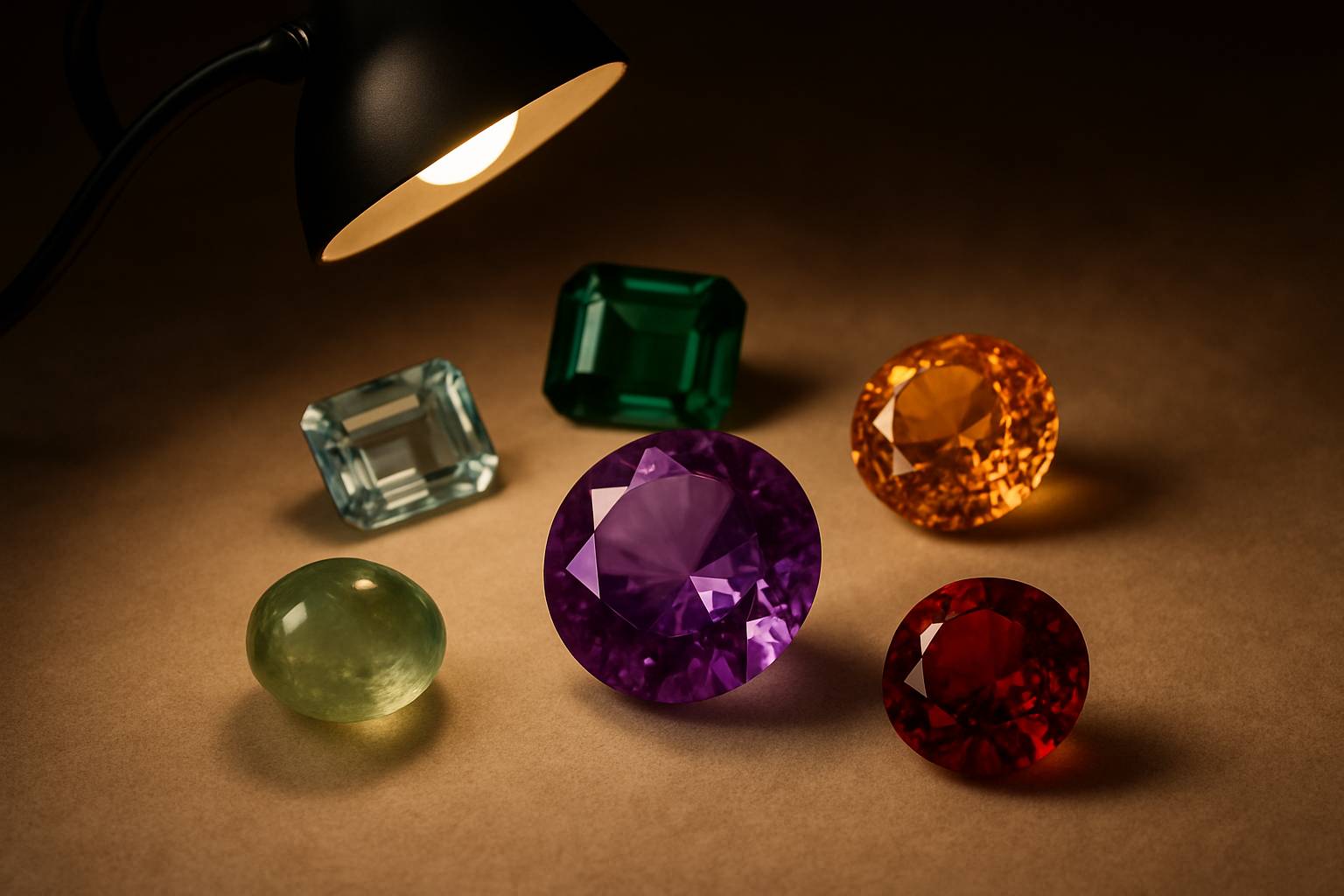
Mastering Gemstone Cutting: An Expert's Introduction
Gemstone cutting is a meticulous art form that transforms raw stones into breathtaking works of beauty. This craft not only enhances the aesthetic appeal of the gemstones but also significantly influences their value. Understanding gemstone cutting is essential for both collectors and connoisseurs alike. In this exploration, we will delve into various aspects of gemstone cutting, examining its techniques, significance, and the skills required to master this intricate craft.
The Significance of Gemstone Cutting
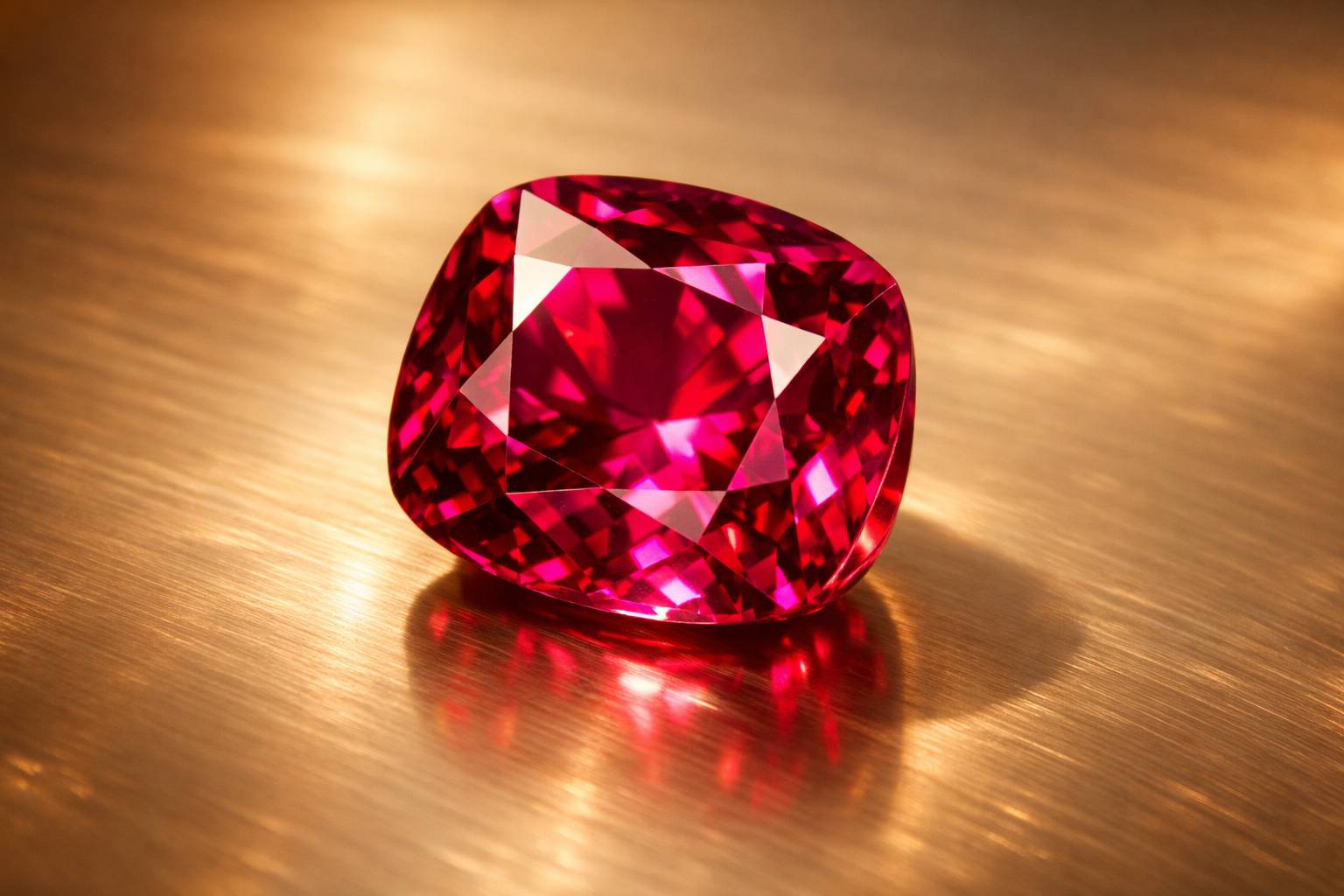
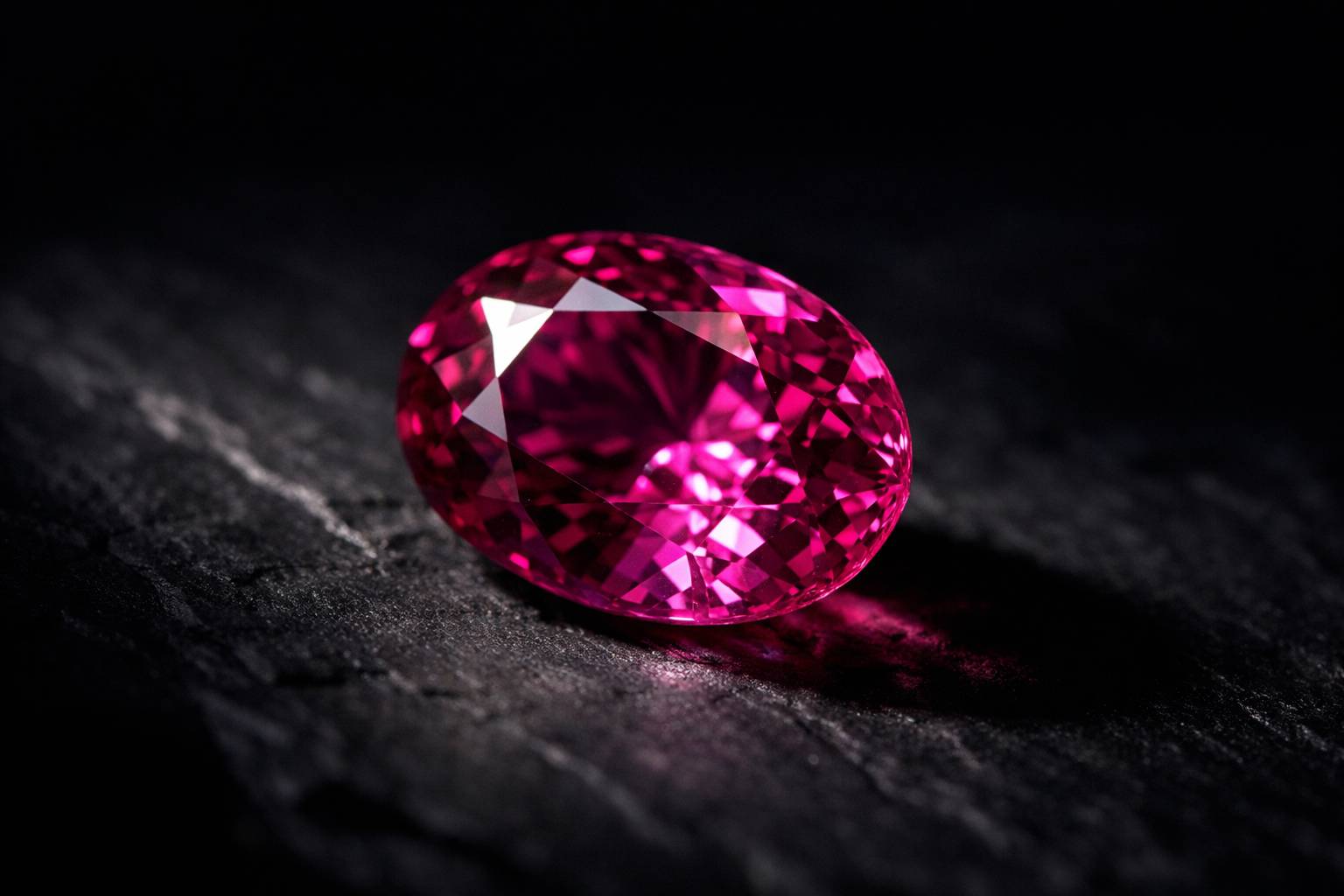
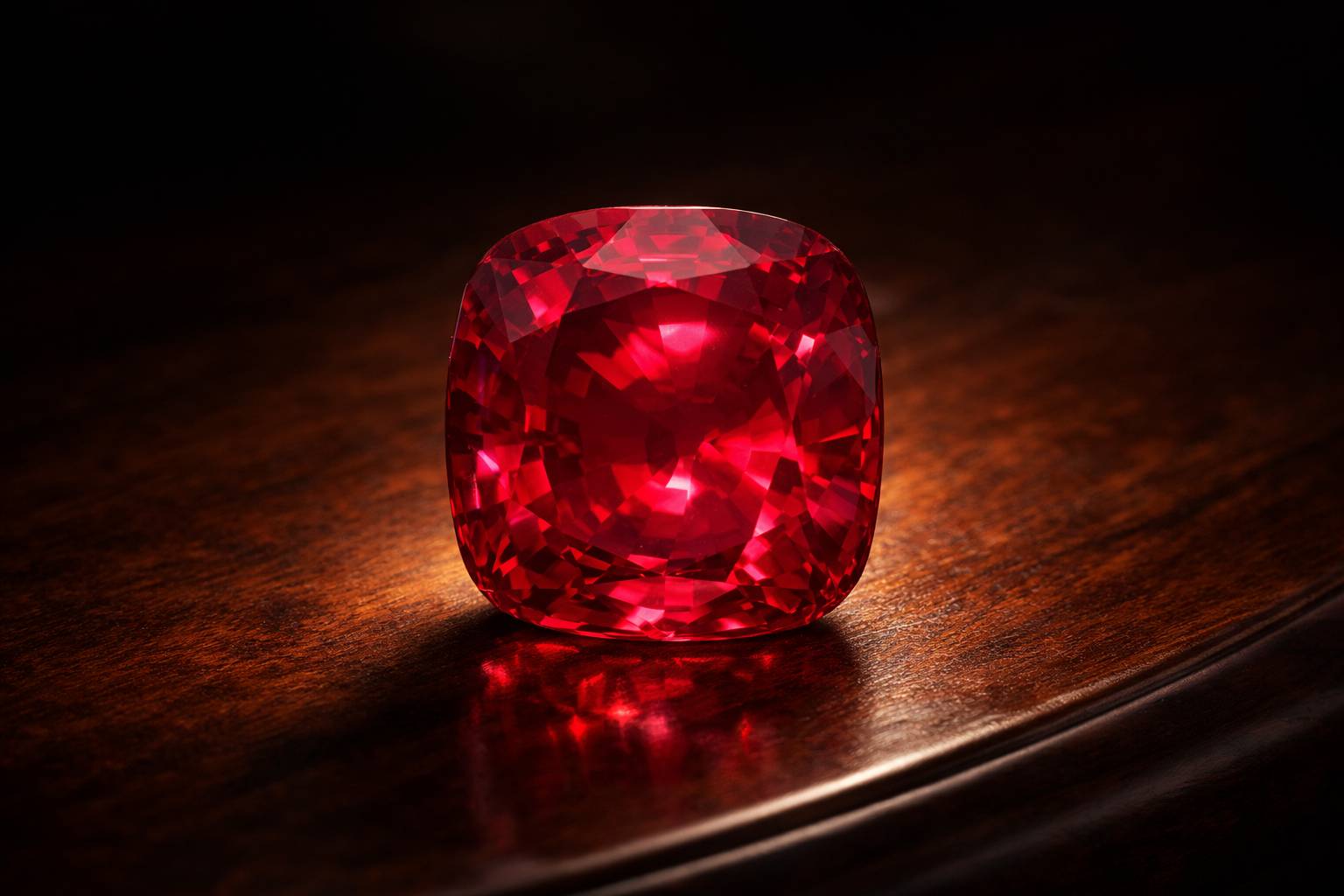
Gemstone cutting, also known as gem cutting or lapidary, plays a critical role in determining a gem's overall appearance and quality. The cutting process involves shaping and polishing the stone to create facets that catch and reflect light. This manipulation of light is what gives each gemstone its unique brilliance and fire.
Moreover, the cutting style can vastly affect the stone's perceived size and color. A well-cut gemstone can appear larger and more vibrant, enhancing its desirability among potential buyers. Understanding the importance of cutting can lead to more informed choices for those seeking to invest in fine jewelry. For more insights on choosing the right gemstone, consider exploring our resources. Additionally, you can learn more about the cut of gems to understand its significance.
Techniques in Gemstone Cutting
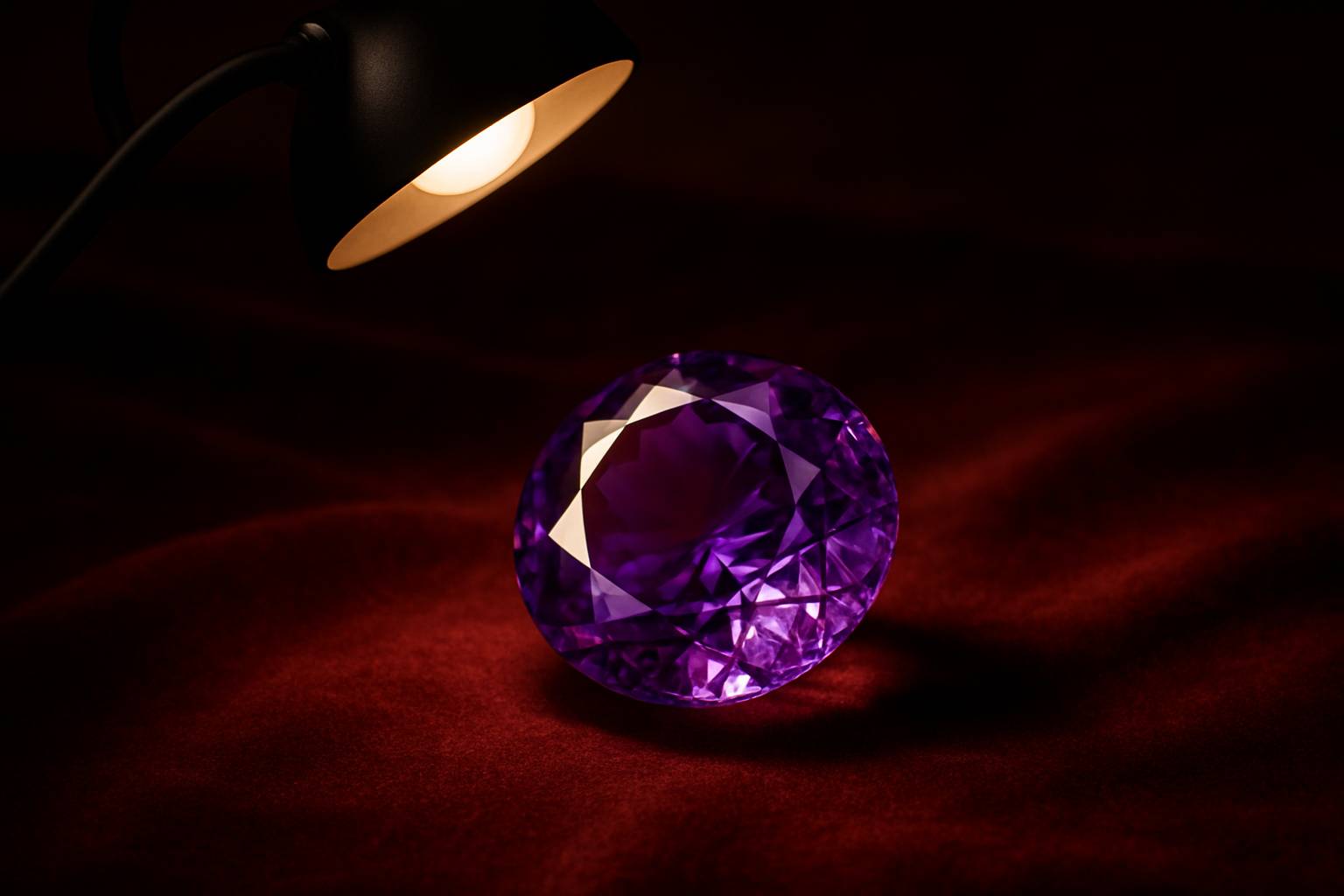
There are various techniques employed in gemstone cutting, each designed to maximize the beauty and value of the stone. The following are some of the most commonly used methods:
- Brilliant Cut: This technique creates a series of facets that maximize light reflection, resulting in exceptional brilliance. It is commonly used for diamonds.
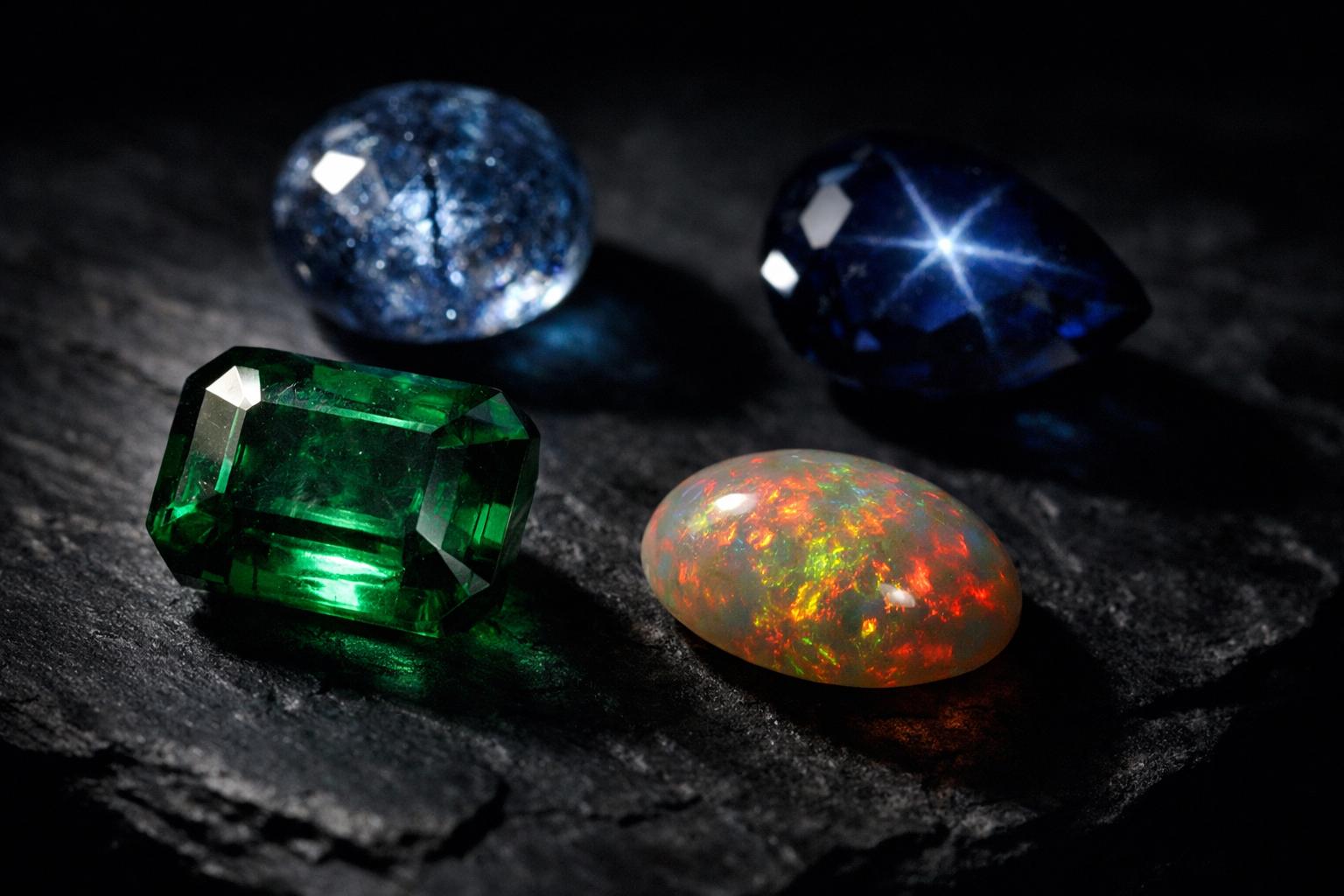
- Step Cut: Characterized by rectangular facets arranged in a staircase pattern, this method is often used for emeralds. It emphasizes clarity and color.
- Mixed Cut: This approach combines both brilliant and step cuts, allowing for a versatile display of light and color. It is utilized for various gemstones.
- Cabochon Cut: Unlike faceted cuts, cabochons are polished and shaped into smooth, rounded forms. This technique is ideal for opaque stones, showcasing their color and texture.
Tools of the Trade
Mastering gemstone cutting requires a specific set of tools, each designed for precision and control. These tools include:
- Gem Saw: A specialized saw used to cut rough gemstones into manageable pieces.
- Grinding Wheel: Essential for shaping the stone and creating the initial facets.
- Polishing Wheel: Used to smooth the surface of the gemstone and enhance its shine.
- Facet Finder: A tool that assists in determining the precise angles for cutting facets.
Each tool serves a specific purpose in the cutting process, and skilled gem cutters develop a keen understanding of how to use them effectively.
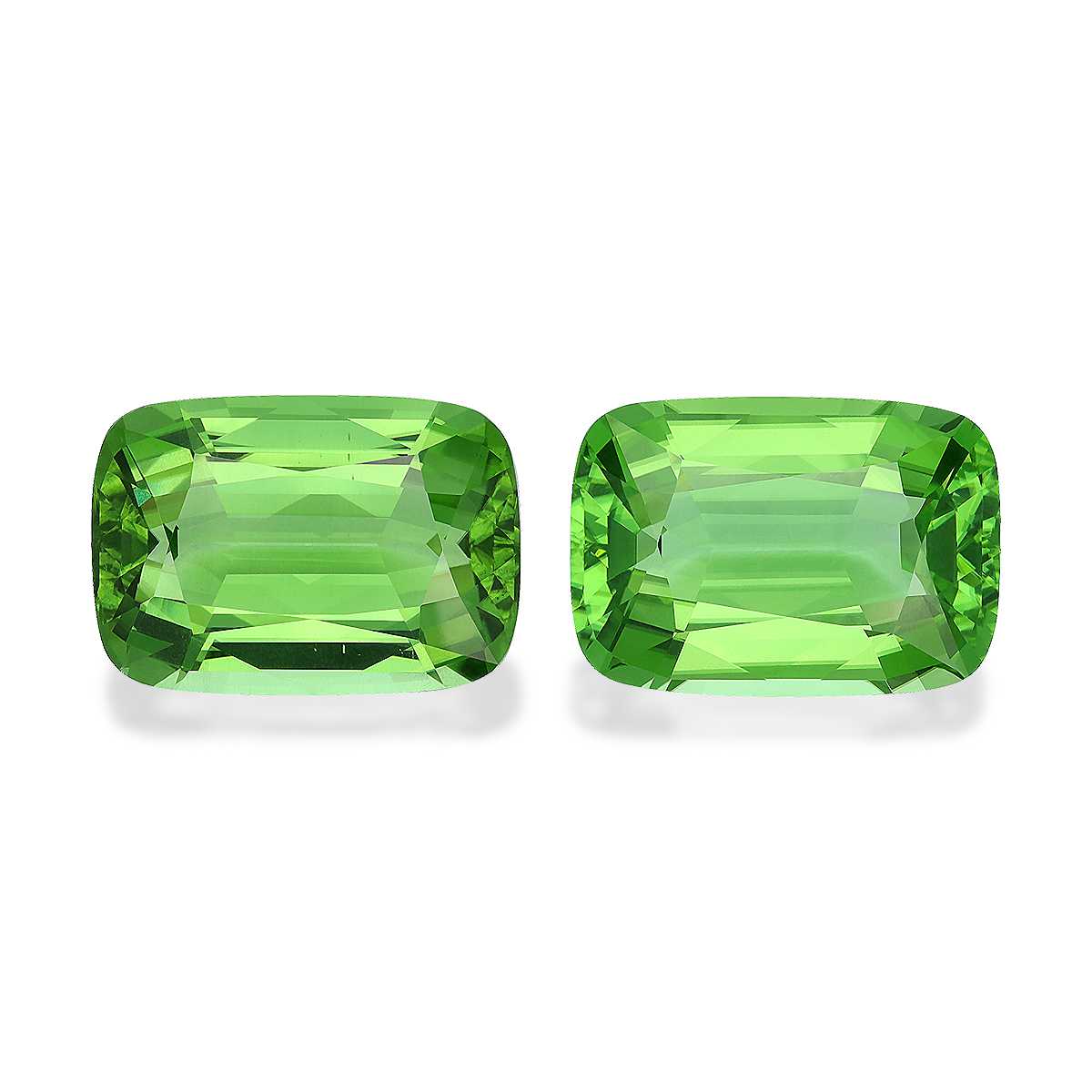
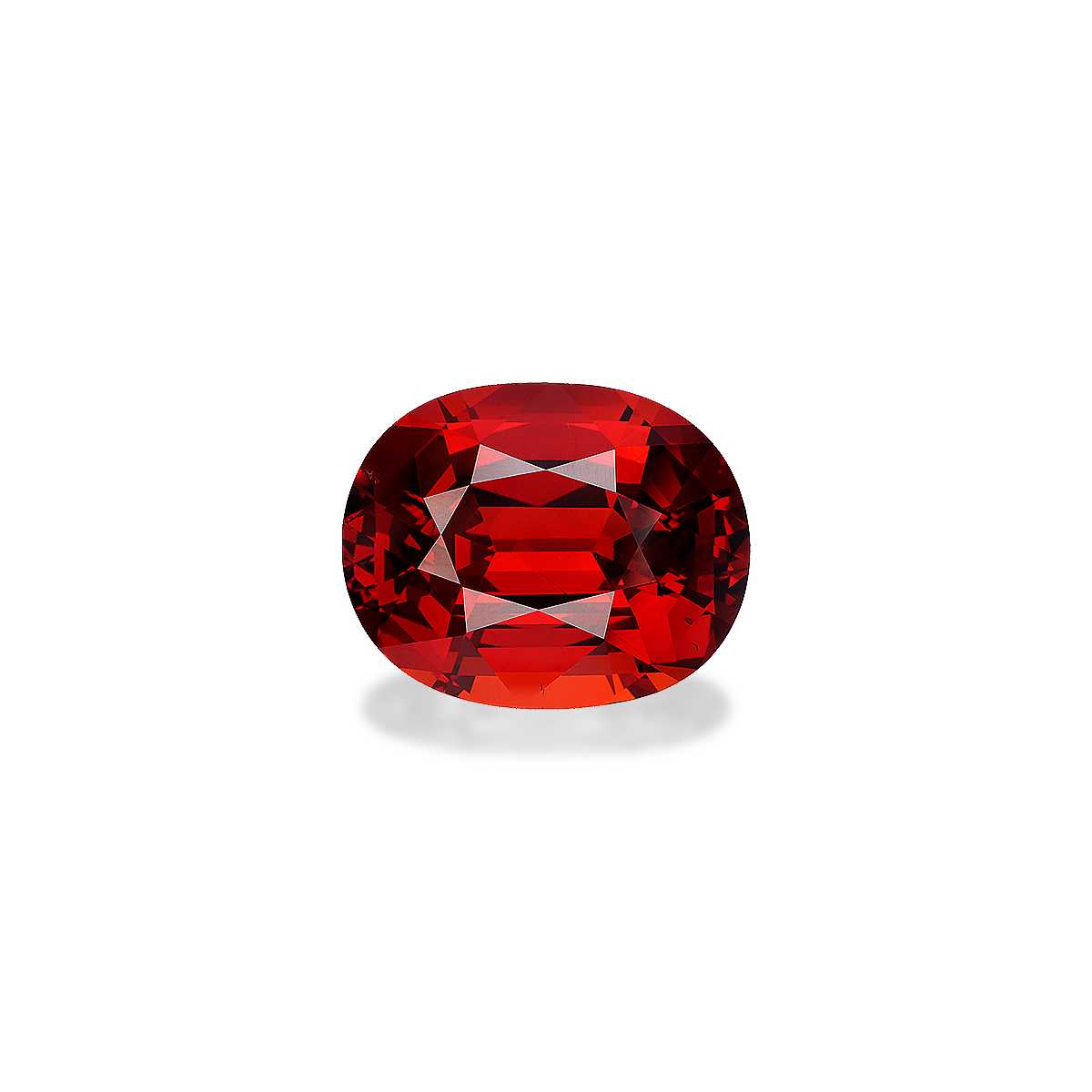
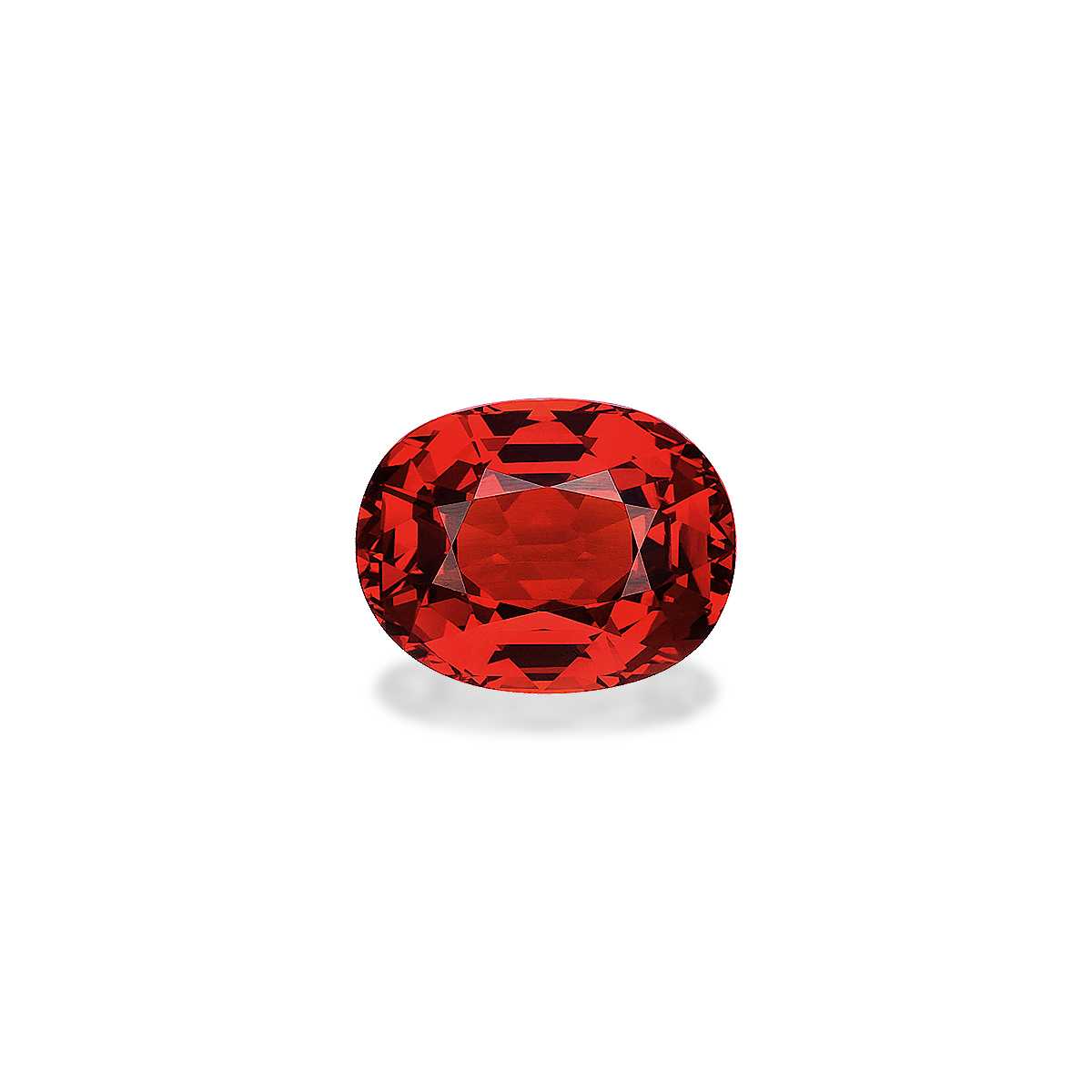
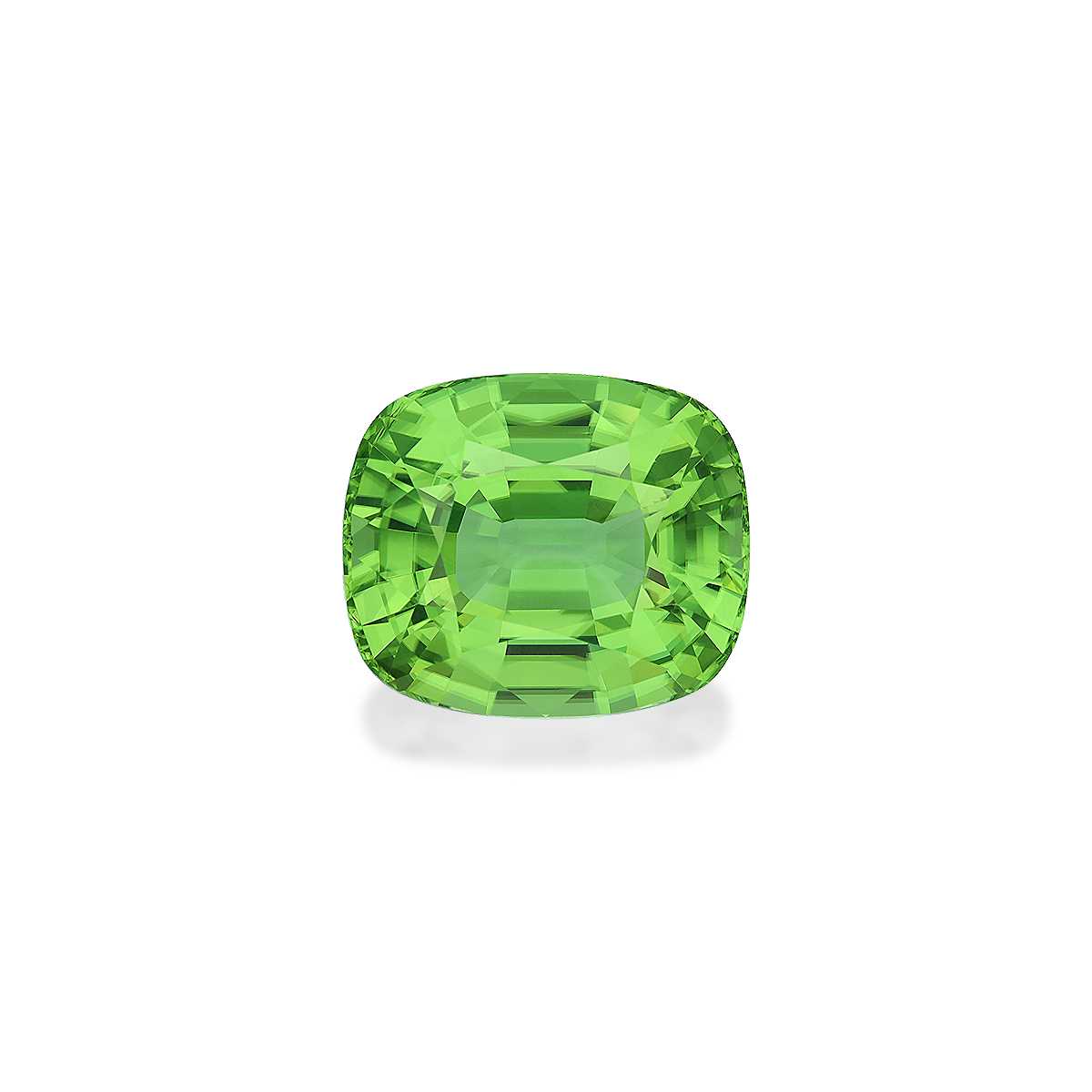
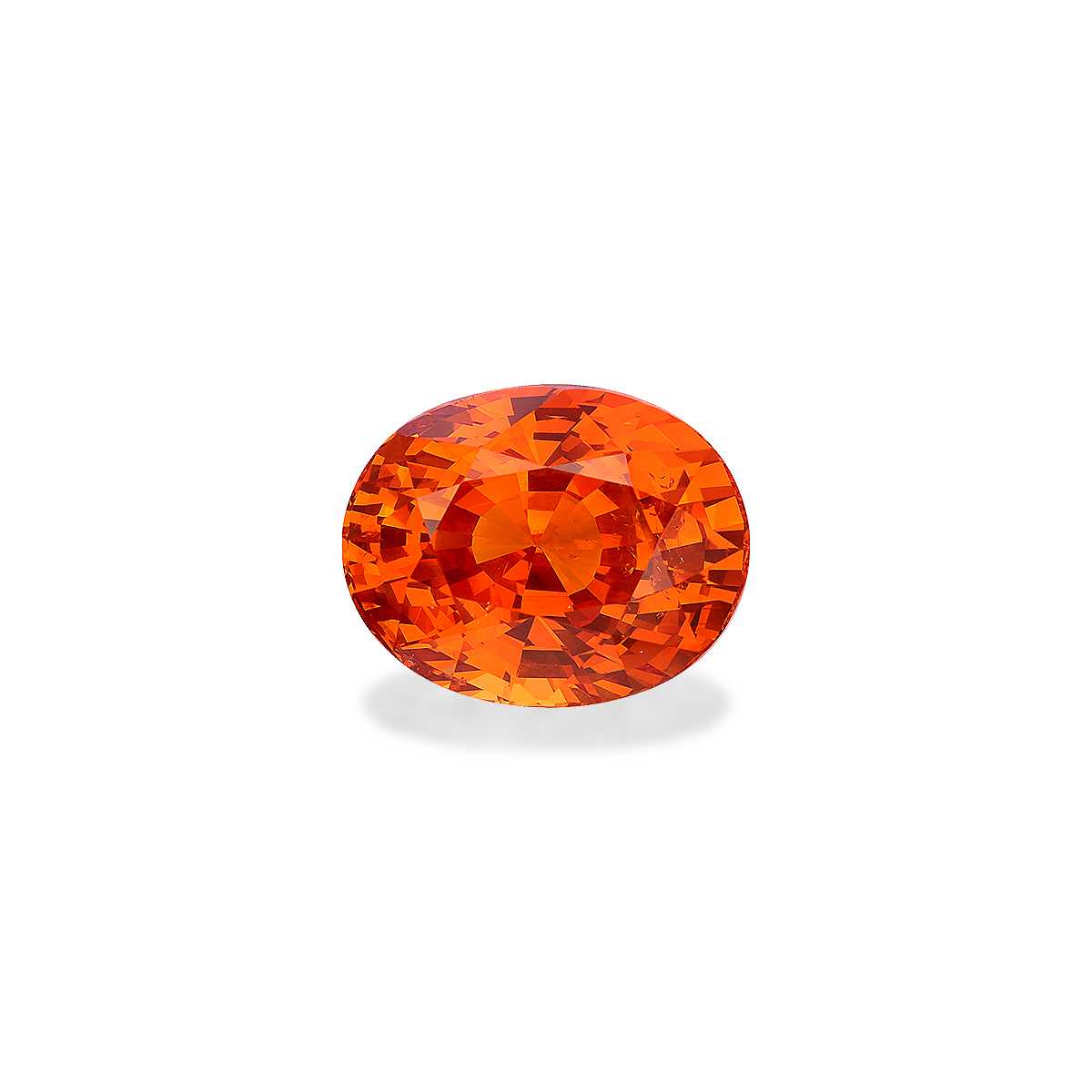
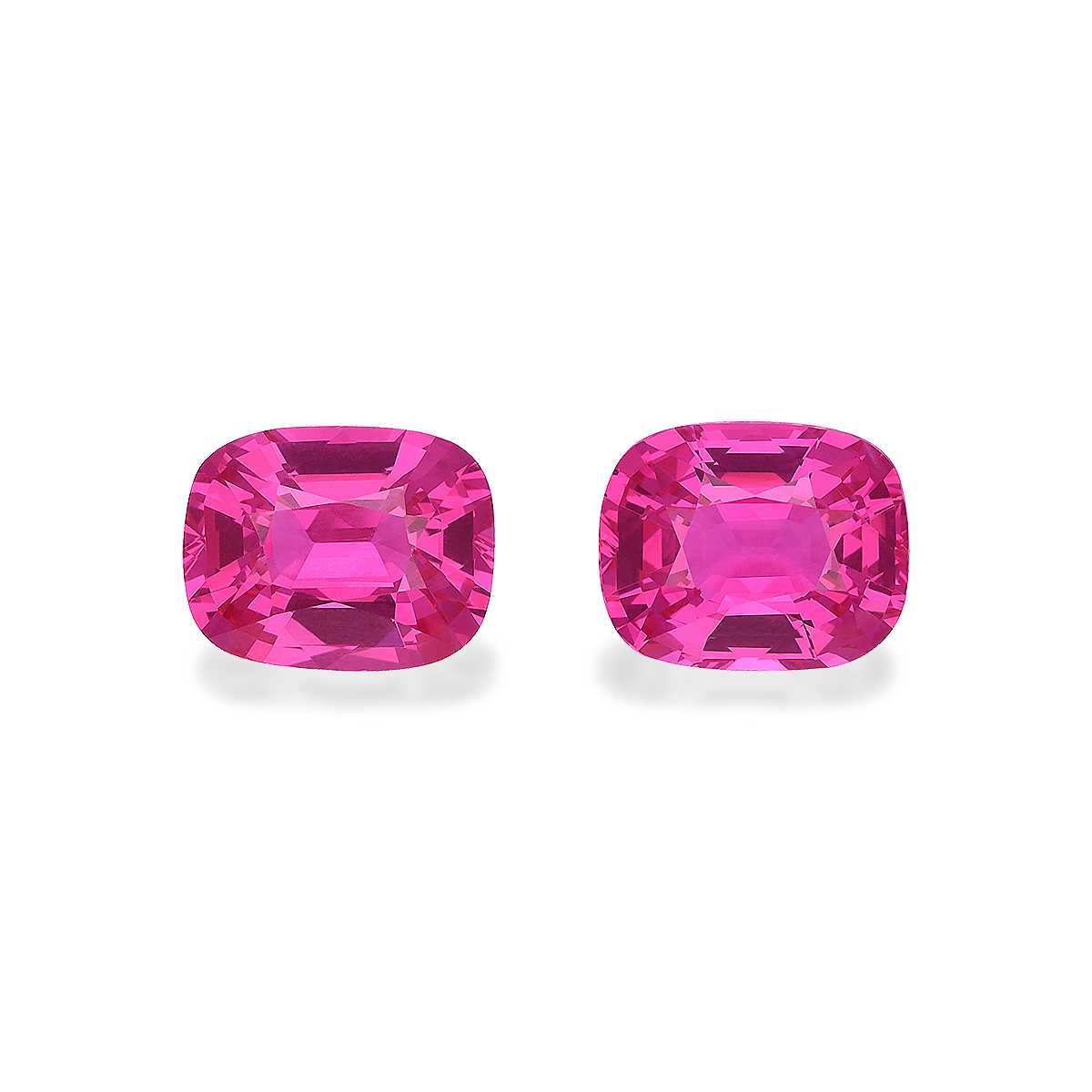
Explore our gemstones
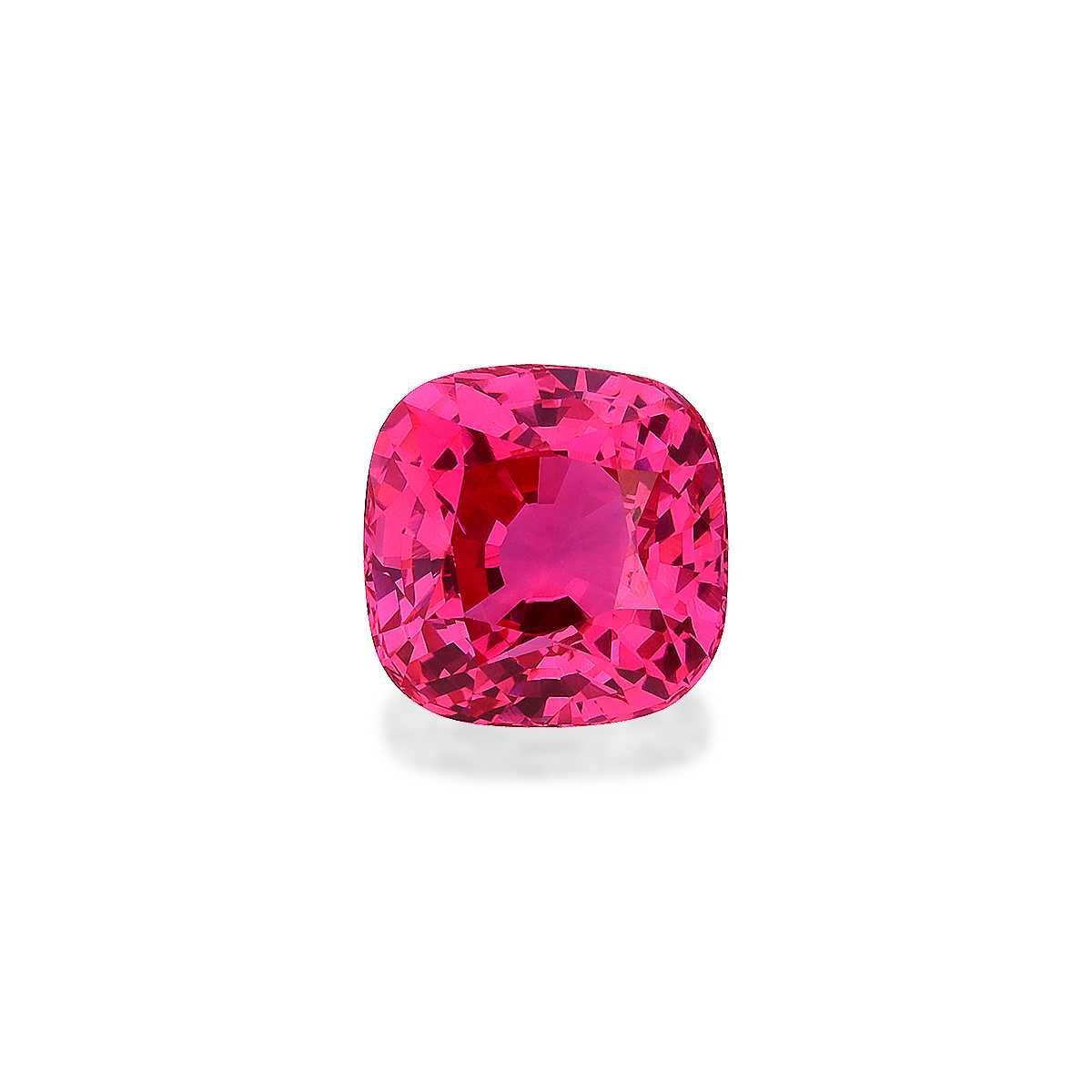
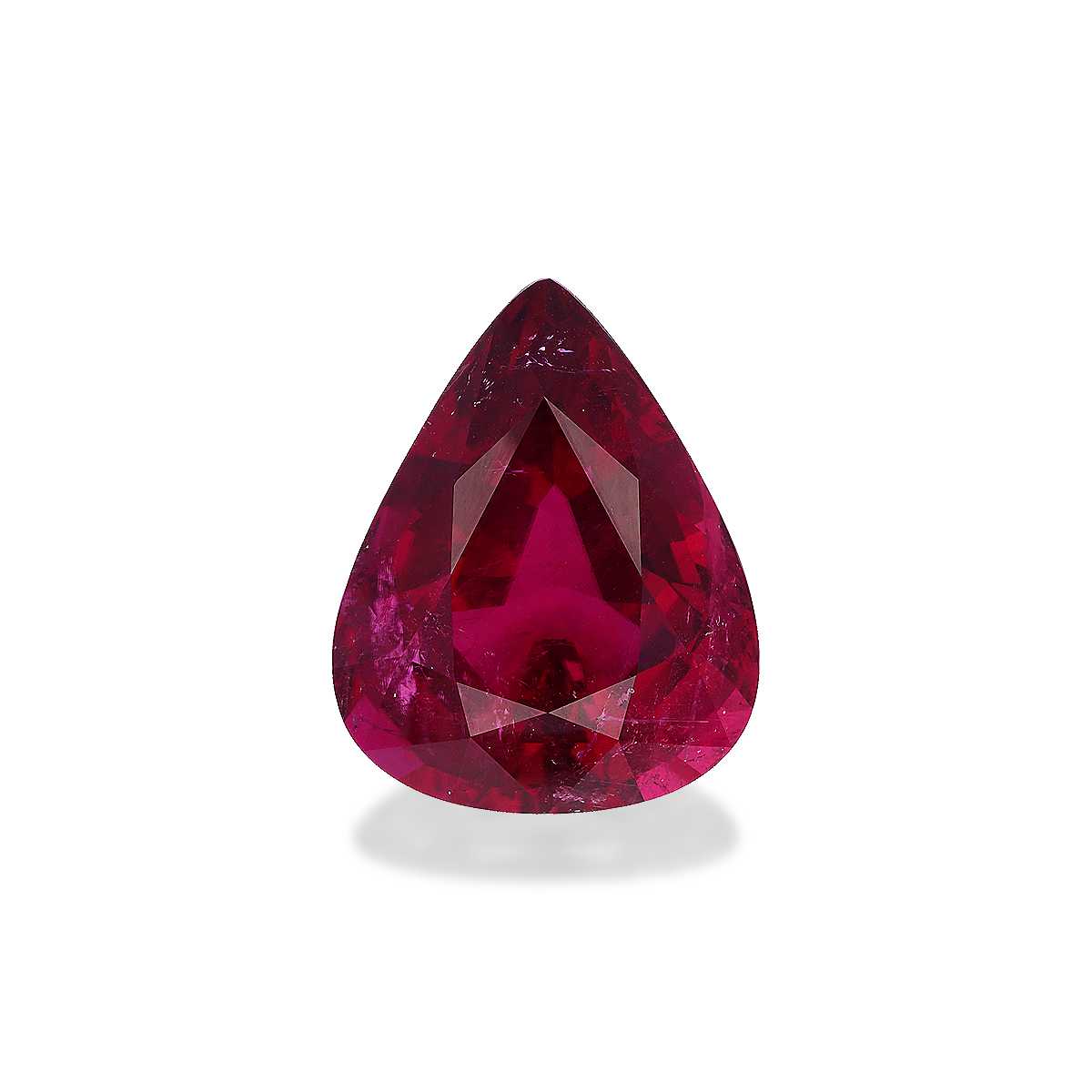
The Role of Technology
In recent years, technology has played an increasingly important role in gemstone cutting. Advanced software and equipment allow for precise measurements and angles, leading to more consistent results. Computer-aided design (CAD) programs enable gem cutters to visualize the final product before the cutting begins, reducing waste and improving efficiency.
However, it is essential to recognize that while technology can enhance the cutting process, the artistry and expertise of the gem cutter remain irreplaceable. The human touch is critical in making aesthetic decisions that cannot be quantified by machines.
Understanding the Impact on Value
The quality of gemstone cutting significantly influences market value. A poorly cut stone, regardless of its rarity or color, may fetch a lower price than a well-cut, more common stone. Evaluators consider several factors when assessing a stone's cut quality, including:
- Symmetry: The uniformity of the facets and overall shape.
- Proportions: The relationship between the height, width, and depth of the stone.
- Polish: The smoothness of the surface, which affects light reflection.
Understanding these criteria can assist buyers in making informed decisions, ensuring they invest in pieces of exceptional quality. For more insights on the diamond cutting process, it's essential to explore how these factors come into play. You can also read about curves and optics in nontraditional gemstone cutting for a deeper understanding.
Conclusion
Gemstone cutting is an intricate and essential aspect of the gemstone industry. It requires a blend of artistry, skill, and technology to create stunning pieces that captivate and inspire. By mastering gemstone cutting, one can appreciate the true beauty of these natural treasures and make informed choices when selecting fine jewelry. Additionally, understanding gemstone collecting can further enhance your knowledge of this fascinating craft. To discover more about various gemstones, explore our gemstone collection and find the perfect piece for your collection.
You may also like
More reading from our journal.