Mastering Gold Casting: Techniques for Flawless Jewelry Creation
Understanding Gold Casting
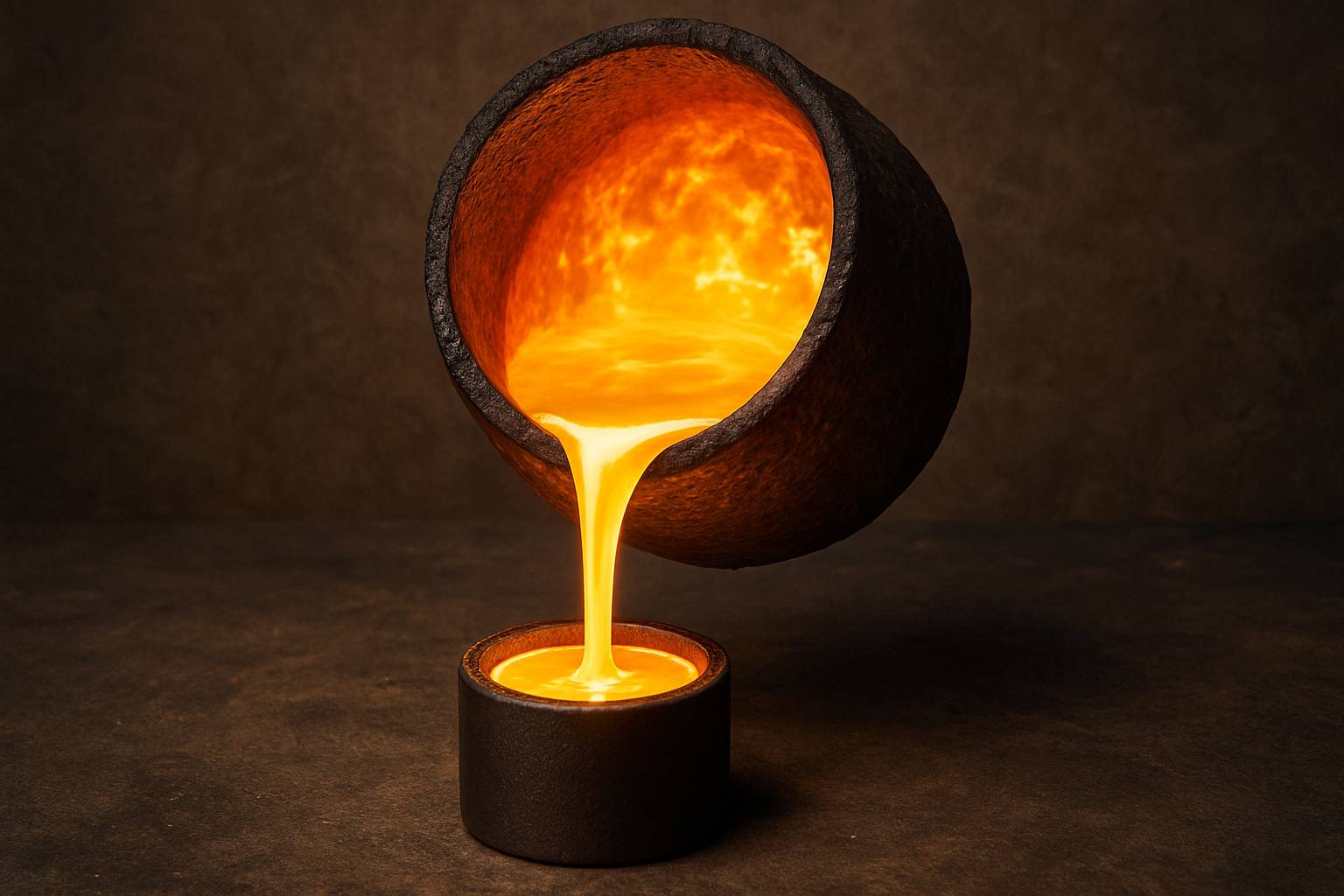
Gold casting is a time-honored technique that transforms molten metal into exquisite jewelry pieces. This process involves pouring molten gold into a mold, allowing it to cool and solidify into the desired shape. The precision and artistry involved in gold casting are paramount for creating flawless jewelry, making it essential for jewelers who aspire to elevate their craft.
The Gold Casting Process
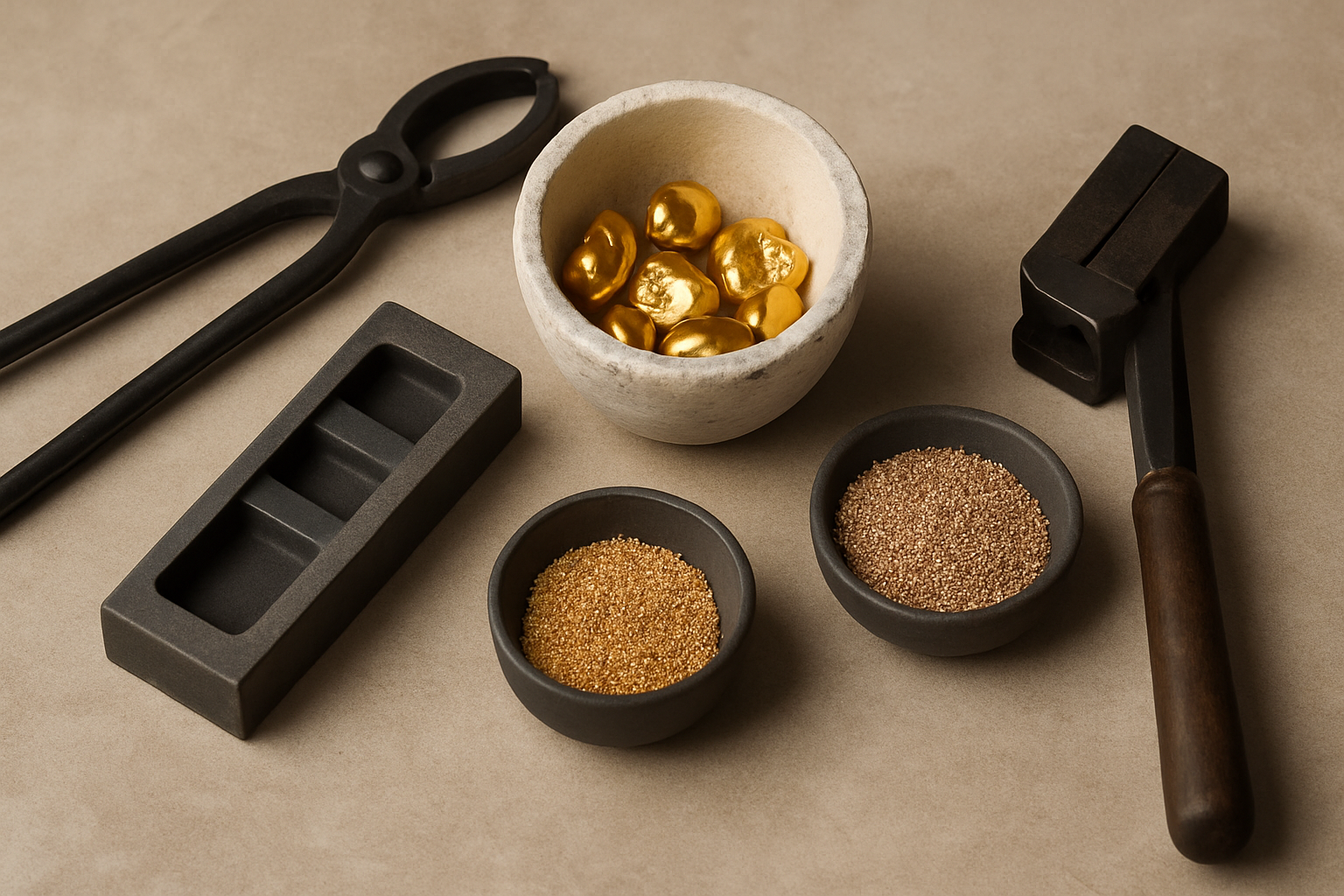
The gold casting process can be divided into several key stages, each contributing to the overall quality of the final product. Understanding these stages will enhance your ability to create impeccable jewelry.
- Pattern Creation: The initial step involves crafting a pattern, often made from wax or another material, which will serve as a template for the final piece.
- Mold Making: The pattern is encased in a material that hardens to form a mold. This can involve sand, plaster, or ceramic materials that withstand high temperatures.
- Melting the Gold: Gold is heated until it reaches its melting point, becoming a liquid that can be poured into the mold.
- Pouring and Cooling: The molten gold is carefully poured into the mold, where it will cool and solidify into the desired shape.
- Finishing Touches: Once cooled, the mold is broken away, revealing the cast piece, which may require additional work for polishing and detailing.
Essential Techniques for Flawless Results
Achieving flawless results in gold casting relies on a combination of skill, technique, and careful attention to detail. Here are some essential techniques that can enhance your gold casting endeavors.
Temperature Control
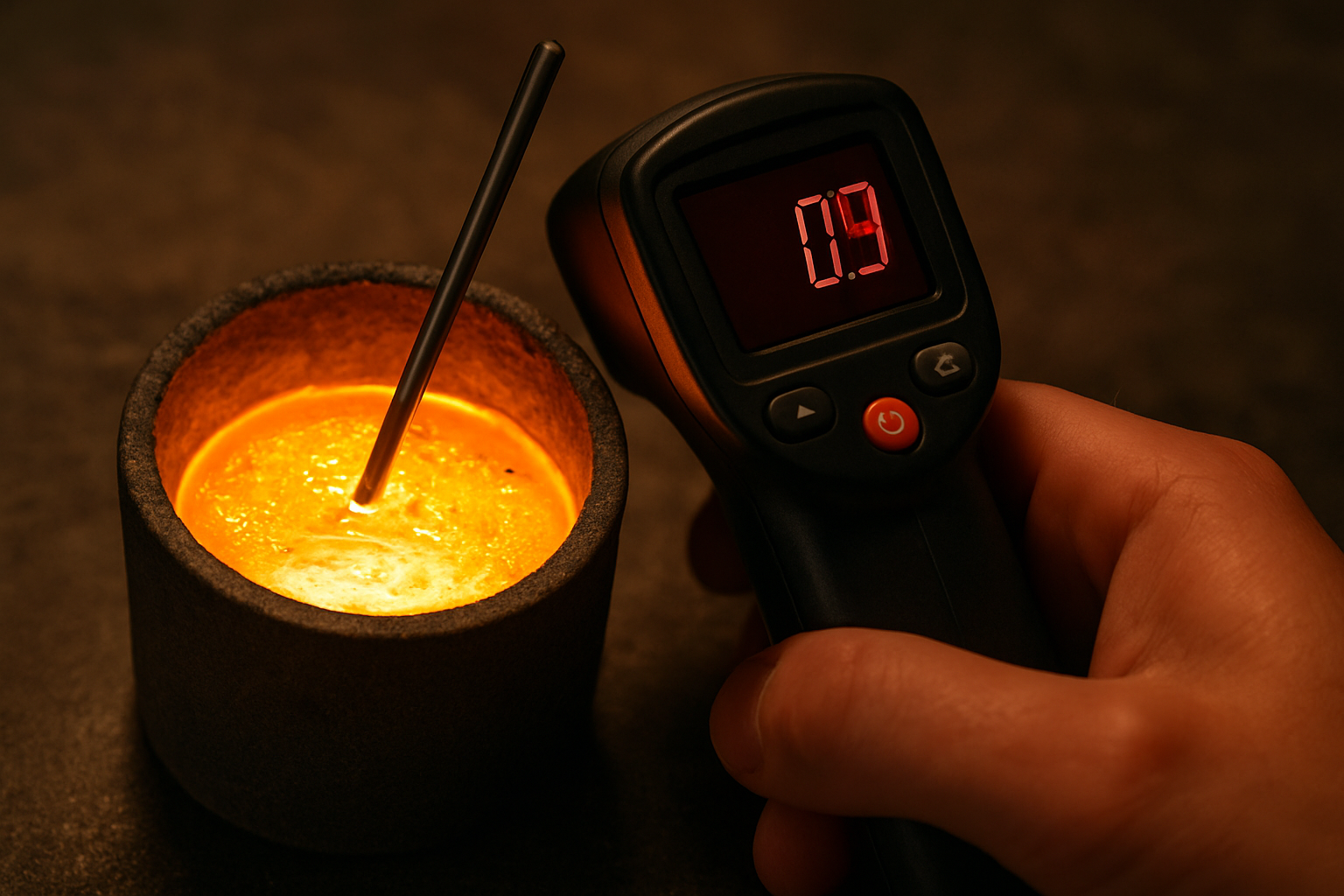
Maintaining the correct temperature throughout the melting and pouring process is crucial. Gold must be heated evenly to avoid imperfections. Use a reliable thermometer and keep a steady eye on the flame to ensure consistency.
Mold Quality
The quality of the mold directly affects the final piece. Invest in high-quality mold materials and ensure they are prepared correctly to avoid flaws in the casting.
Pouring Technique
Pouring the molten gold requires a steady hand and a calm approach. Pouring too quickly can create turbulence, leading to air bubbles and imperfections. Practice slow and controlled pouring to achieve the best results.
Common Challenges in Gold Casting
Even experienced jewelers may encounter challenges during the gold casting process. Understanding these common issues can help you navigate them more effectively.
- Air Bubbles: These can form during the pouring process if the gold is poured too quickly or if the mold is not properly vented.
- Inadequate Molding: Poorly made molds can lead to miscast pieces, necessitating additional time and resources to rectify.
- Inconsistent Metal Quality: Using low-quality gold can result in flaws. Always source your materials from reputable suppliers.
Advancements in Gold Casting Technology
Recent advancements in gold casting technology have significantly improved the process. These innovations allow for greater precision and efficiency, making it easier for jewelers to produce flawless pieces.
- CNC Machining: This technology allows for the precise creation of molds and patterns, enhancing the accuracy of the casting process.
- 3D Printing: The integration of 3D printing in jewelry design enables jewelers to create intricate patterns that were previously unattainable.
- Induction Melting: This method provides a more controlled melting process, ensuring consistent temperature and reducing the risk of contamination.
Conclusion
Mastering gold casting requires a harmonious blend of artistry, technique, and innovation. By understanding the gold casting process and implementing essential techniques, jewelers can create pieces that reflect their craftsmanship and dedication. As technology continues to evolve, embracing these advancements will further enhance the quality and beauty of gold jewelry. For those interested in exploring the beauty of gemstones, explore our gemstone collection to find the perfect complement to your gold creations. Additionally, for more insights into the world of jewelry, check out our article on collecting jewelry and learn about the platinum vs white gold debate.