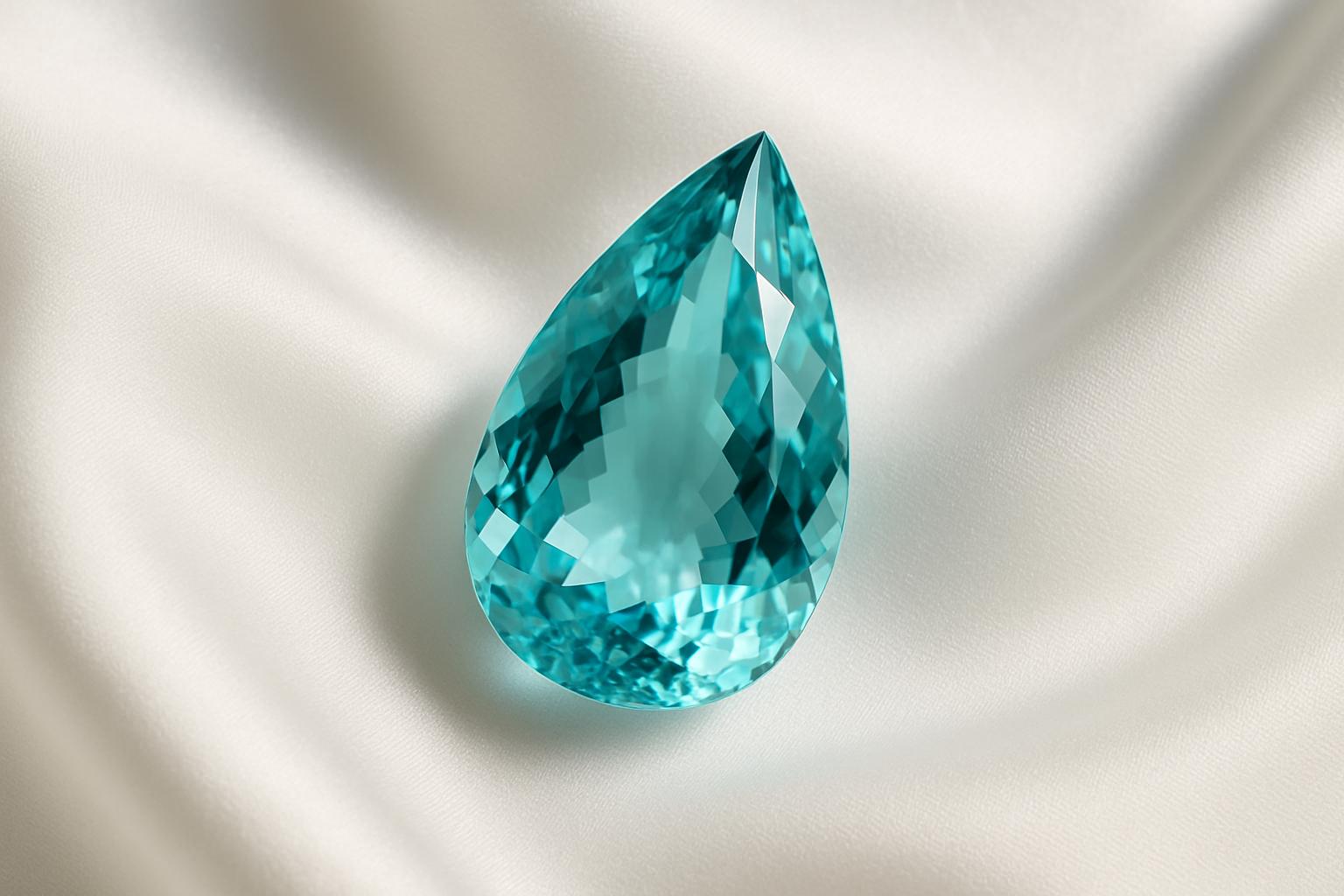
Aquamarine Stone: Characteristics and Significance
The aquamarine stone, with its serene blue hues reminiscent of the ocean, has captivated gem enthusiasts and jewelers alike for centuries. This exquisite gemstone, a member of the beryl family, is celebrated not only for its stunning appearance but also for its rich history and significance in various cultures. In this article, we will explore the characteristics, origins, and uses of the aquamarine gemstone.
Understanding the Aquamarine Stone
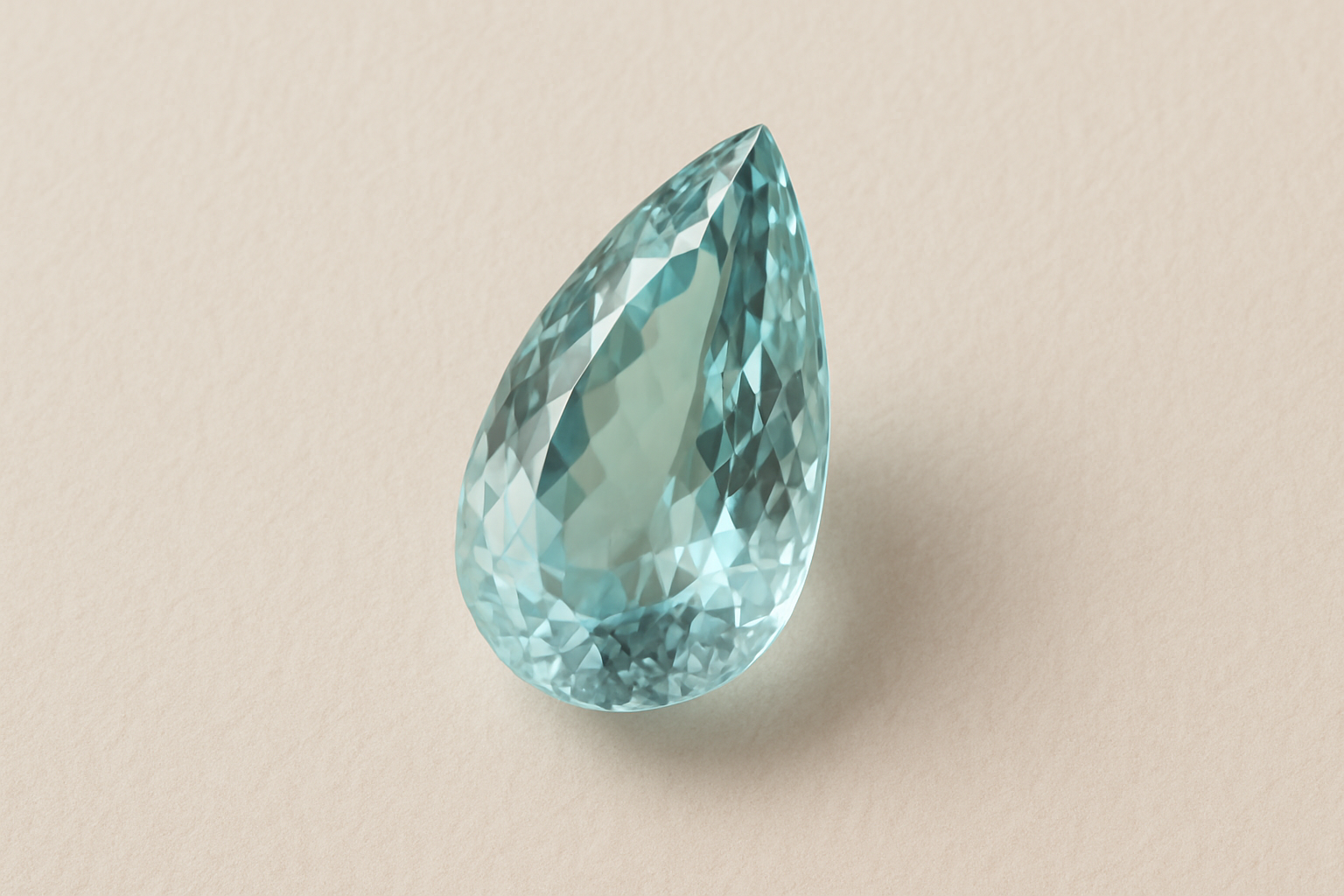
Aquamarine is derived from the Latin words 'aqua' meaning water and 'marina' meaning of the sea. This gemstone typically ranges in color from pale blue to deep blue, with some stones exhibiting greenish hues. The color of aquamarine is primarily due to the presence of iron within its crystalline structure. Aquamarine's name comes from the Latin for seawater.
The clarity of aquamarine is noteworthy; high-quality stones are often transparent and free from inclusions. This clarity, combined with its captivating color, makes aquamarine a favored choice for various types of jewelry.
Historical Significance of Aquamarine
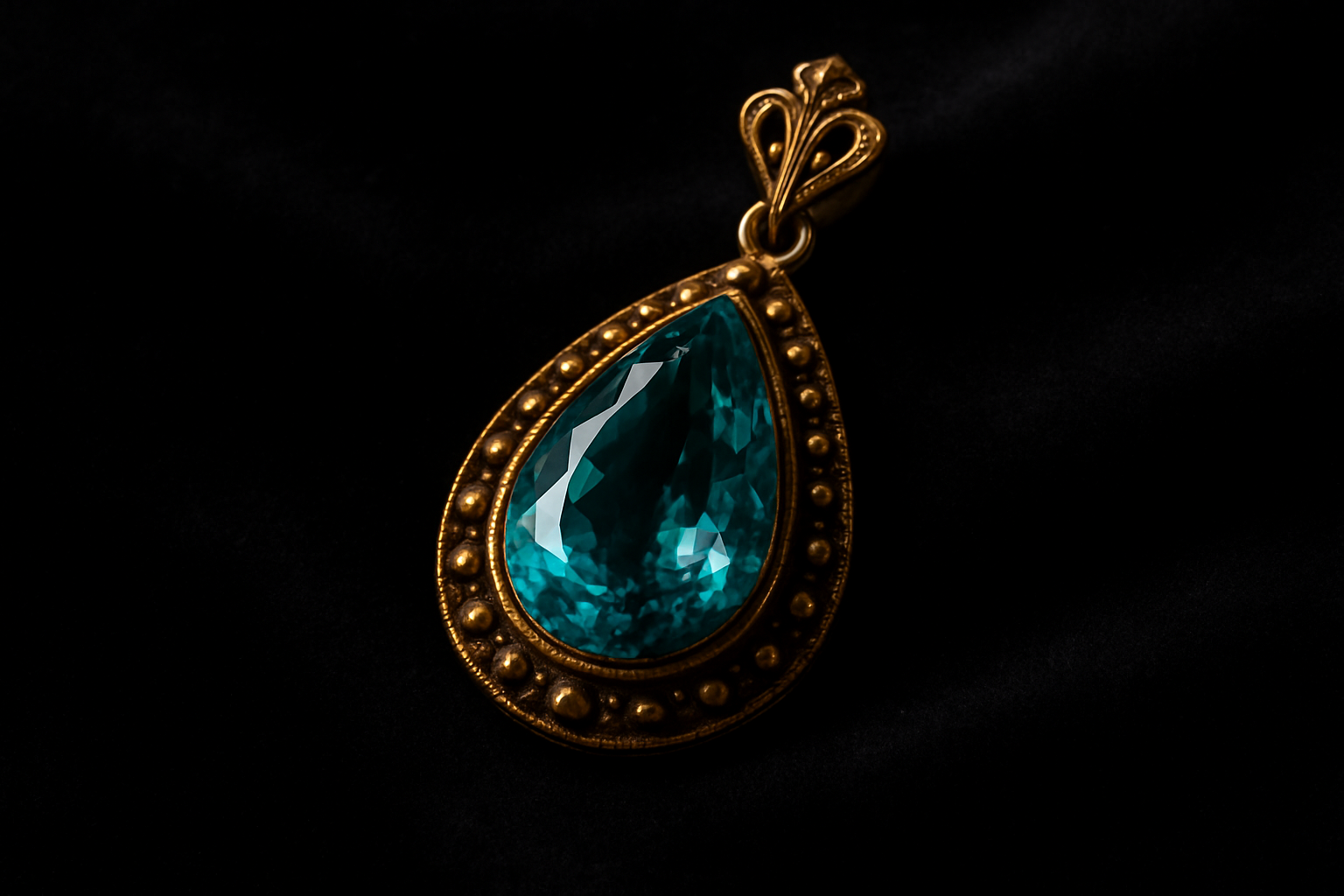
Throughout history, aquamarine has held a special place in various cultures. Ancient sailors believed that the stone possessed protective properties, ensuring safe passage over turbulent seas. This belief led to aquamarine being referred to as the sailor's gem.
The ancient Romans cherished aquamarine as a symbol of harmony and peace, often using it in talismans. In the Middle Ages, it was thought to enhance the happiness of married couples, making it a popular choice for wedding rings.
The Formation and Sources of Aquamarine
Aquamarine is formed under specific geological conditions, typically in granitic rocks. The best quality aquamarine stones are found in locations such as Brazil, Nigeria, Madagascar, and Zambia. Each source contributes its unique characteristics to the stone, influencing its color and clarity.
- Brazil: Known for producing some of the largest aquamarine crystals, often with vibrant blue hues.
- Nigeria: Offers a range of colors, including some of the deepest blues.
- Madagascar: Known for its exceptional clarity and unique shades.
- Zambia: Presents a distinct greenish-blue hue, adding variety to the gemstone market.
Care and Maintenance of Aquamarine Jewelry
Taking care of aquamarine jewelry is essential to maintain its beauty over time. Here are some recommended practices:
- Avoid exposure to harsh chemicals: Clean aquamarine with warm soapy water and a soft cloth.
- Store carefully: Keep aquamarine pieces separate from other jewelry to prevent scratches.
- Limit exposure to heat: High temperatures can damage the stone's clarity.
Symbolism and Uses of Aquamarine
The aquamarine gemstone is often associated with tranquility, clarity, and communication. It is said to inspire a sense of calm and enhance one's ability to express thoughts and feelings. Many wear aquamarine to promote peace and reduce stress. Aquamarine is the birthstone for March.
In addition to its metaphysical properties, aquamarine is widely used in jewelry, including:
- Rings: Often chosen for engagement and wedding rings due to its calming attributes.
- Necklaces: Elegant designs that highlight the stone's beautiful color.
- Earrings: A popular choice for both casual and formal occasions.
The aquamarine stone continues to be a cherished gem in the world of jewelry, embodying both beauty and significance. Its rich history and myriad uses ensure that it remains a timeless favorite among gemstone aficionados.